admin
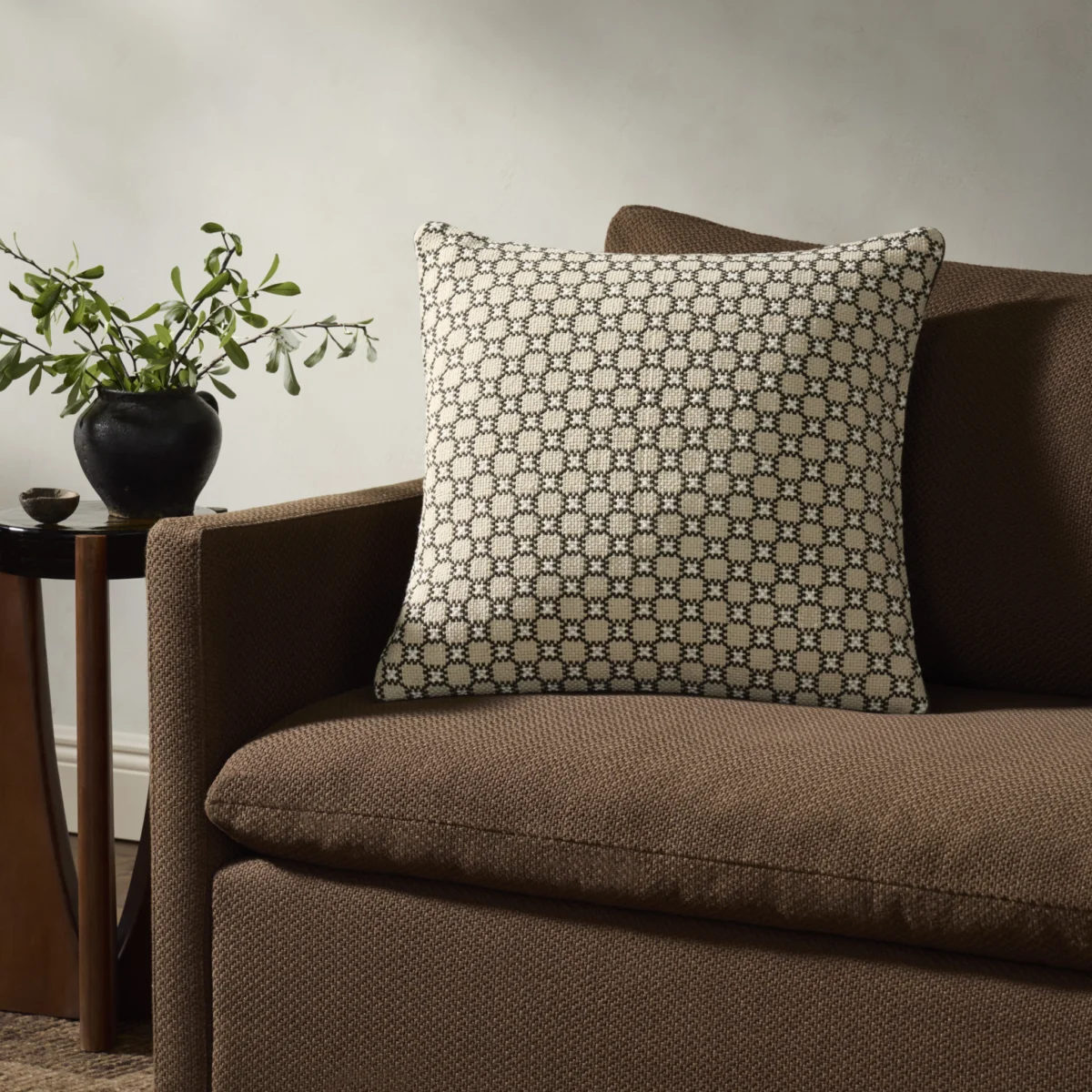
The interior design industry has long been characterized by the tension between structural rigidity and domestic comfort, a balance that is expertly struck in the newly unveiled partnership between renowned designer Jeremiah Brent and the Dallas-based textile giant Loloi. Titled Rhythms of Craft, this collaborative collection marks a significant milestone in the evolution of accessible luxury, offering a comprehensive suite of more than 35 rugs and a curated selection of pillows. The collection serves as a physical manifestation of Brent’s "architectural point of view," translating the stoic lines of historic stonework and modernist buildings into the soft, tactile medium of wool, jute, and linen. By blending Brent’s sophisticated aesthetic with Loloi’s decades of manufacturing expertise, the partnership seeks to address a perceived gap in a crowded market—the need for home furnishings that feel both historically grounded and contemporary in their utility.
A Strategic Partnership Founded on Shared Values
The collaboration between Jeremiah Brent and Loloi is not merely a branding exercise but a strategic alignment of two entities with a shared philosophy on the "art of living." Cyrus Loloi, principal of Loloi, noted that the company had observed Brent’s career trajectory for several years before initiating the partnership. Brent, who rose to international prominence through his design firm Jeremiah Brent Design and his various television ventures, has cultivated a signature style that Loloi describes as "grand and elegant," yet underscored by a distinct "warmth and history."
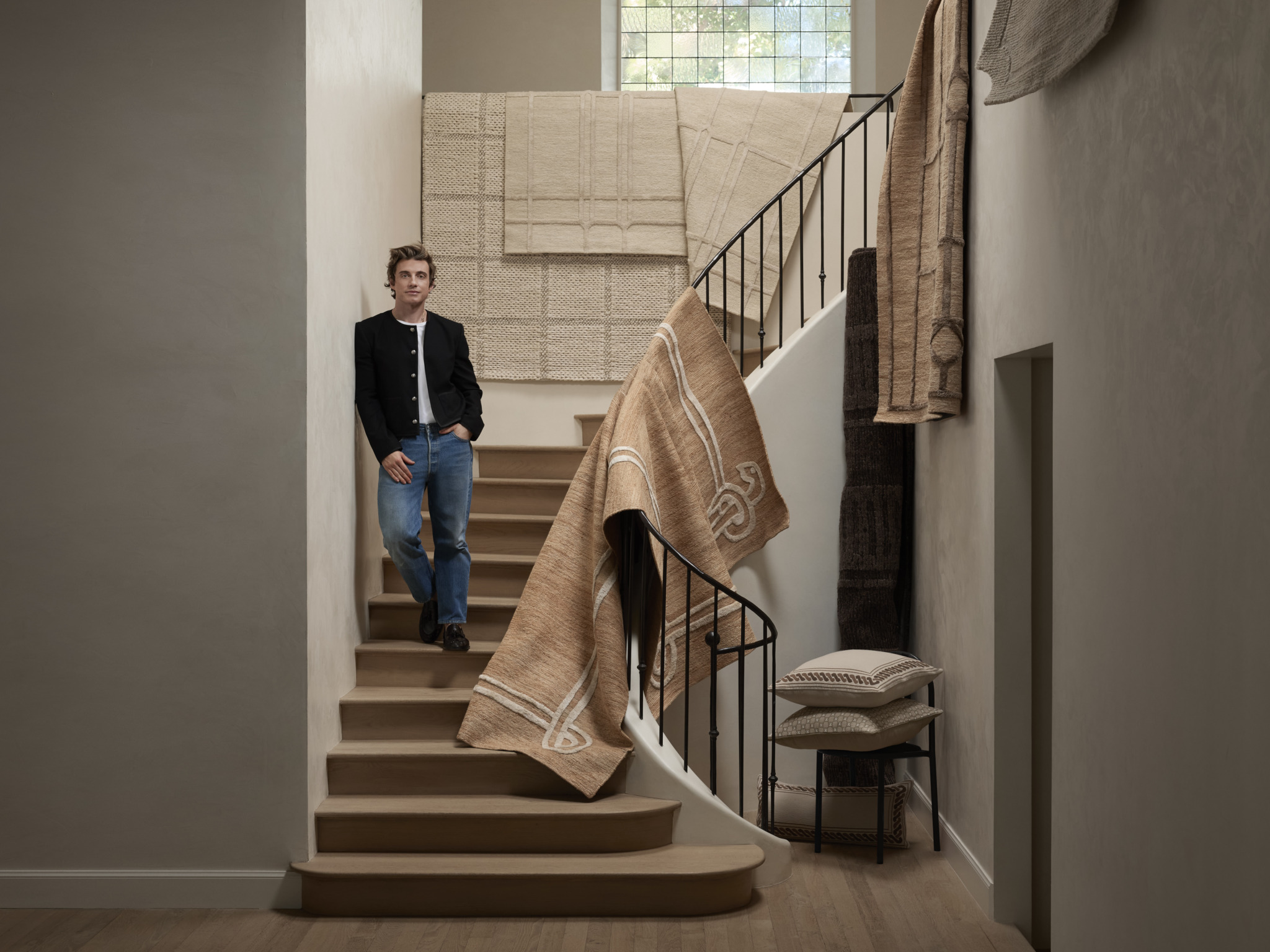
For Loloi, the decision to partner with Brent was driven by a desire to introduce original perspectives into a textile market that is often criticized for its oversaturation and derivative designs. The brand recognized Brent’s unique ability to reinterpret complex architectural and artistic concepts in a way that resonates with how modern families actually live. This synergy is particularly evident in the Rhythms of Craft collection, which moves away from transient trends in favor of timeless geometric motifs and structural silhouettes.
Architectural Foundations: From Mies van der Rohe to Ancient Rome
At the core of the Rhythms of Craft collection is a profound appreciation for architectural history. Brent has frequently cited the influence of various eras on his creative process, and this collection serves as a tribute to those inspirations. References to the modernist precision of Mies van der Rohe, the enduring proportions of ancient Roman ruins, and the intricate masonry of Gothic cathedrals are woven throughout the designs.
Brent’s interest lay in exploring the "language of architecture" and how the visual weight of stone and steel could be translated into something soft and inviting. By isolating specific lines, repetitions, and proportions from famous structures, Brent and the Loloi design team created patterns that feel familiar yet entirely new. For instance, the use of repetition in the rug patterns mimics the rhythmic placement of columns in a classical colonnade or the repetitive glass panes of a modernist skyscraper. This "softening" of architecture allows homeowners to introduce a sense of structural integrity to their spaces without sacrificing the comfort required in a residential setting.

The Technical Artistry of the Collection
The "Craft" in Rhythms of Craft refers to the diverse range of construction techniques employed to bring Brent’s vision to life. Loloi’s reputation is built on its mastery of various manufacturing methods, ranging from traditional artisanal hand-weaving to high-tech power-looming. This collection utilizes the full spectrum of these capabilities to ensure that the pieces are available at various price points and suited for different household needs.
- Hand-Tufted Wool: Many of the flagship pieces, such as the Fori rug in Espresso Brown, are hand-tufted by skilled artisans. This process involves punching wool strands through a canvas backing to create a dense, plush pile that allows for intricate, carved details.
- Hand-Loomed Blends: These rugs offer a subtle texture and a slight sheen, often blending wool with other fibers to create a sophisticated, multi-tonal effect.
- Hand-Woven Jute: For areas requiring a more organic, grounded feel, the collection includes jute rugs that emphasize the raw beauty of natural fibers while maintaining Brent’s architectural silhouettes.
- Hand-Knotted Rugs: Representing the pinnacle of textile artistry, the hand-knotted pieces in the collection are heirloom-quality items that showcase the highest level of detail and durability.
- Power-Loomed Designs: Recognizing the practicalities of modern life, the collection also features power-loomed rugs designed for high-traffic areas. These pieces utilize durable synthetic fibers to mimic the look of natural materials while providing stain resistance and ease of maintenance.
The Obelisk: A Study in Geometric Detail
Among the dozens of designs in the collection, one pattern has emerged as a definitive favorite for both the designer and the manufacturer: the Obelisk. This particular rug serves as a microcosm of the collection’s broader goals. Inspired by the sharp, "notched corners" frequently found in Art Deco architecture, the Obelisk rug transforms a standard rectangular form into a piece of floor art.
Cyrus Loloi pointed out that the simple addition of notched edges gives the wool rug an entirely different character, elevating it from a functional floor covering to a design statement. Brent himself has incorporated the Obelisk into multiple rooms within his own home, noting that the notched edge is a detail he has long favored in stone fabrication, such as in countertops and door frames. By bringing this architectural detail to the floor, the design adds a layer of intentionality to a room’s layout, subtly influencing the flow and tone of the environment.

Contextualizing the Collection within the Interior Design Market
The launch of Rhythms of Craft comes at a time when the interior design industry is shifting away from the "fast furniture" model toward a more curated, "slow design" approach. Consumers are increasingly seeking pieces that tell a story and possess a sense of permanence. Brent’s collection taps into this sentiment by referencing historical styles—such as the embroidered linens of the past seen in the Alberti pillow line—and combining them with contemporary manufacturing standards.
Market data suggests that designer collaborations in the home sector are continuing to grow in popularity. Brands like Loloi have successfully navigated this landscape by partnering with designers who have distinct, recognizable voices. Previous successful collaborations for Loloi include lines with Magnolia Home by Joanna Gaines and Amber Lewis. The addition of Jeremiah Brent brings a more "architectural-forward" and "moody" palette to their portfolio, appealing to a demographic that favors "quiet luxury" and sophisticated minimalism.
Broader Implications and Industry Impact
The partnership between Jeremiah Brent and Loloi is indicative of a broader trend where the boundaries between different design disciplines—architecture, fashion, and interiors—are becoming increasingly porous. Brent’s transition from high-end bespoke interior design to a widely available product line reflects the "democratization of design," where high-level aesthetic principles are made accessible to a broader audience.

Furthermore, the collection emphasizes the importance of tactile experience in an increasingly digital world. As more people work from home, the demand for "sensory" interiors—those that prioritize the feel of a fabric or the density of a rug pile—has surged. Rhythms of Craft addresses this by focusing on material integrity and the physical sensation of the "rhythm" within a home.
From a business perspective, this collection solidifies Loloi’s position as a leader in the mid-to-high-end textile market. By diversifying their offerings with Brent’s architectural-inspired pieces, they are able to capture a segment of the market that values "new traditionalism"—a style that honors the past while looking firmly toward the future.
Conclusion: The Future of the Rhythms of Craft
As the Rhythms of Craft collection reaches select online retailers and the primary Loloi distribution channels, its impact on residential design is expected to be significant. The collection provides a toolkit for homeowners and professional designers alike to ground their spaces with pieces that are structurally sound and emotionally resonant.

Jeremiah Brent’s foray into textile design with Loloi serves as a reminder that the most successful designs are often those that look backward to move forward. By finding the "rhythm" in ancient masonry and modern steel, and translating it into the fibers of a rug, Brent and Loloi have created a collection that is not just about decorating a room, but about defining the very atmosphere of a home. The collection is currently available through Loloi’s official website and through a curated network of boutique and major online retailers, marking a new chapter in the ongoing dialogue between architecture and the domestic interior.