admin
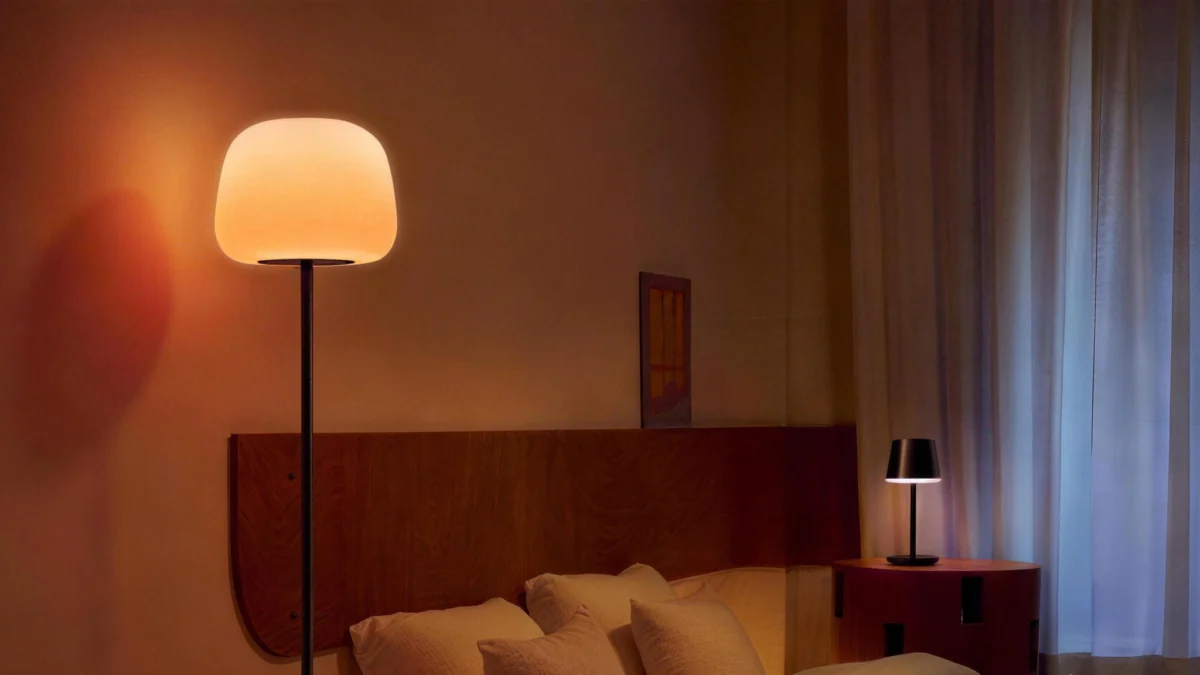
As the autumnal equinox passes and the northern hemisphere transitions into the shorter days of the fourth quarter, the role of interior illumination shifts from a secondary aesthetic consideration to a primary environmental necessity. The transition from the abundant, natural "blue light" of summer to the prolonged darkness of autumn and winter creates a fundamental shift in how residential spaces are inhabited. For many homeowners, this seasonal change necessitates a strategic re-evaluation of lighting design—not merely for visibility, but to mitigate the psychological and physiological impacts of reduced daylight. Emerging trends in smart lighting technology, led by innovators such as Govee, are now offering sophisticated solutions that allow for the "invisible architecture" of a home to be restructured without the need for permanent renovations.
The shift toward artificial lighting as the primary source of ambiance marks a critical period for interior design. According to industry data, the global smart lighting market is projected to reach a valuation of over $45 billion by 2030, driven largely by the consumer desire for wellness-oriented and energy-efficient home environments. This growth reflects a broader understanding of how light influences the human circadian rhythm and emotional well-being. During the darker months, the absence of natural sunlight can lead to a "visual void," making large rooms feel cold and architectural surfaces appear harsh. The strategic application of layered lighting serves to fill this void, reclaiming living spaces as sanctuaries of comfort.
The Evolution of Residential Illumination and the Layering Principle
Historically, residential lighting was limited to binary states: on or off, typically provided by a single overhead fixture that created flat, uninspired environments. The modern approach, however, emphasizes "layering," a design philosophy that utilizes multiple light sources at varying heights and intensities to create depth, texture, and mood. This method is particularly vital during the winter, as it mimics the natural, multi-directional light found in nature.
Sherry Ye, Chief Marketing Officer at Govee, a global leader in smart-lighting solutions, emphasizes that lighting is the fundamental element that dictates the perception of a home’s interior. "Light is the invisible architecture of a space," Ye notes. "You can furnish a room with the finest materials and art, but without considered lighting, those elements remain flat and uninspired. Light dictates how we perceive color, texture, scale, and proportion."
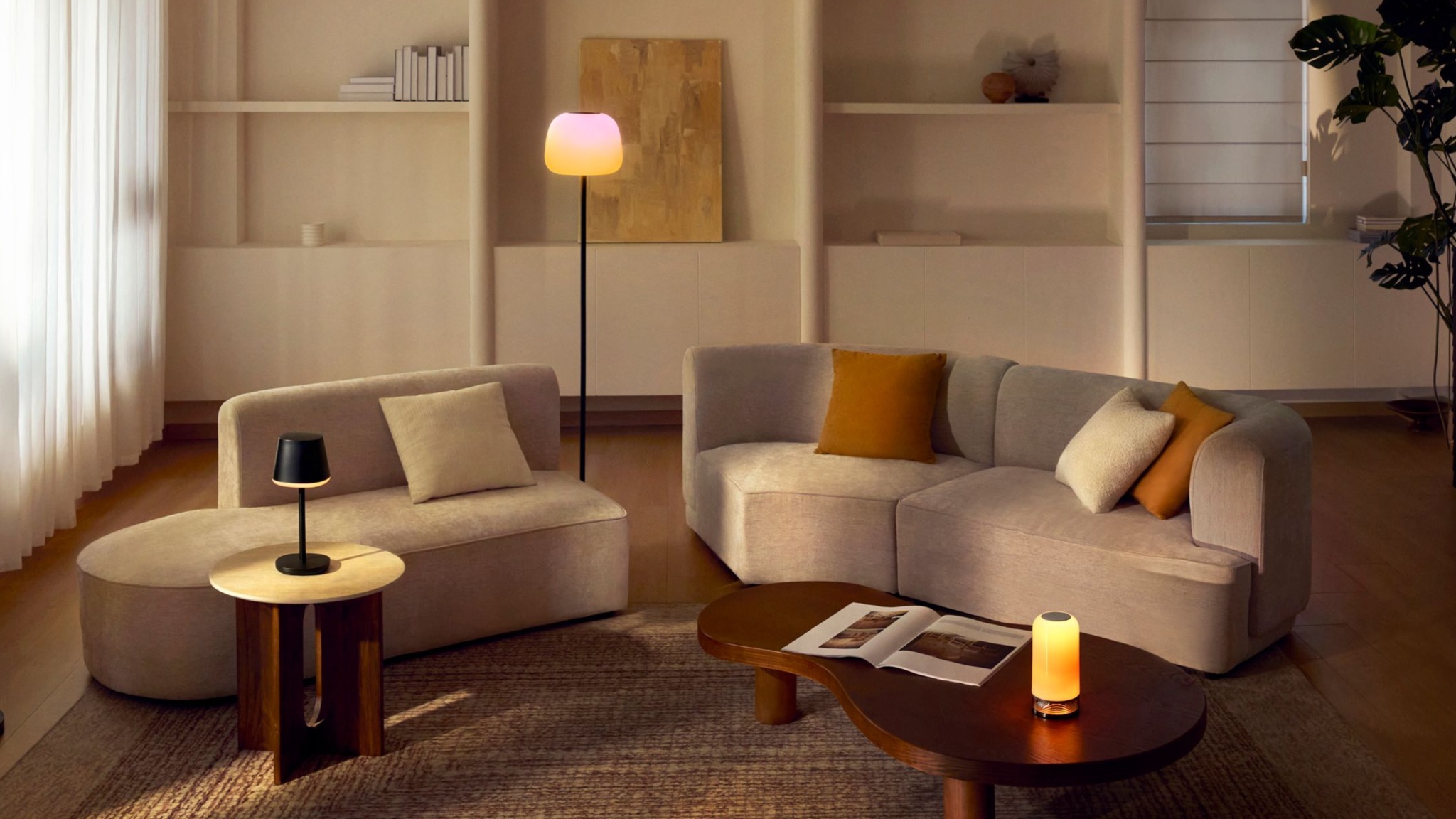
The layering strategy identifies three primary types of lighting: ambient (general illumination), task (focused light for activities), and accent (highlighting specific features). By integrating smart technology into these layers, homeowners can transition their environments through a spectrum of "emotional temperatures," ranging from the crisp, energizing whites required for morning productivity to the warm, amber glows that signal the body to prepare for rest.
Chronological Transitions: Adapting the Home to the Daily Cycle
The effectiveness of a lighting scheme is often measured by its ability to adapt to the chronological needs of the occupants throughout the day. In the context of the shorter winter days, this adaptation becomes more pronounced.
Morning and Mid-Day: Sustaining Productivity
During the late autumn and winter months, natural light is often insufficient even during midday hours. In home offices, the lack of adequate illumination can lead to eye strain and a decrease in cognitive focus. The modern journalistic consensus among design experts suggests that a "cool" color temperature, ranging from 4000K to 6000K, is optimal for these hours. Smart ceiling fixtures, such as the Govee Sky Ceiling Light, provide this energizing spectrum, which suppresses melatonin production and enhances alertness.
Late Afternoon: Filling the Visual Void
As dusk arrives earlier—often as early as 4:00 PM in northern latitudes—the transition from natural to artificial light must be managed to avoid a jarring shift in atmosphere. This is the period where "filling the visual void" becomes essential. By activating secondary layers like floor lamps and wall-washers, the "cold" feeling of early darkness is mitigated. Sherry Ye explains that layering warm light "softens cold architectural surfaces and mimics the natural amber warmth of sunset."
Evening: Social Connection and Relaxation
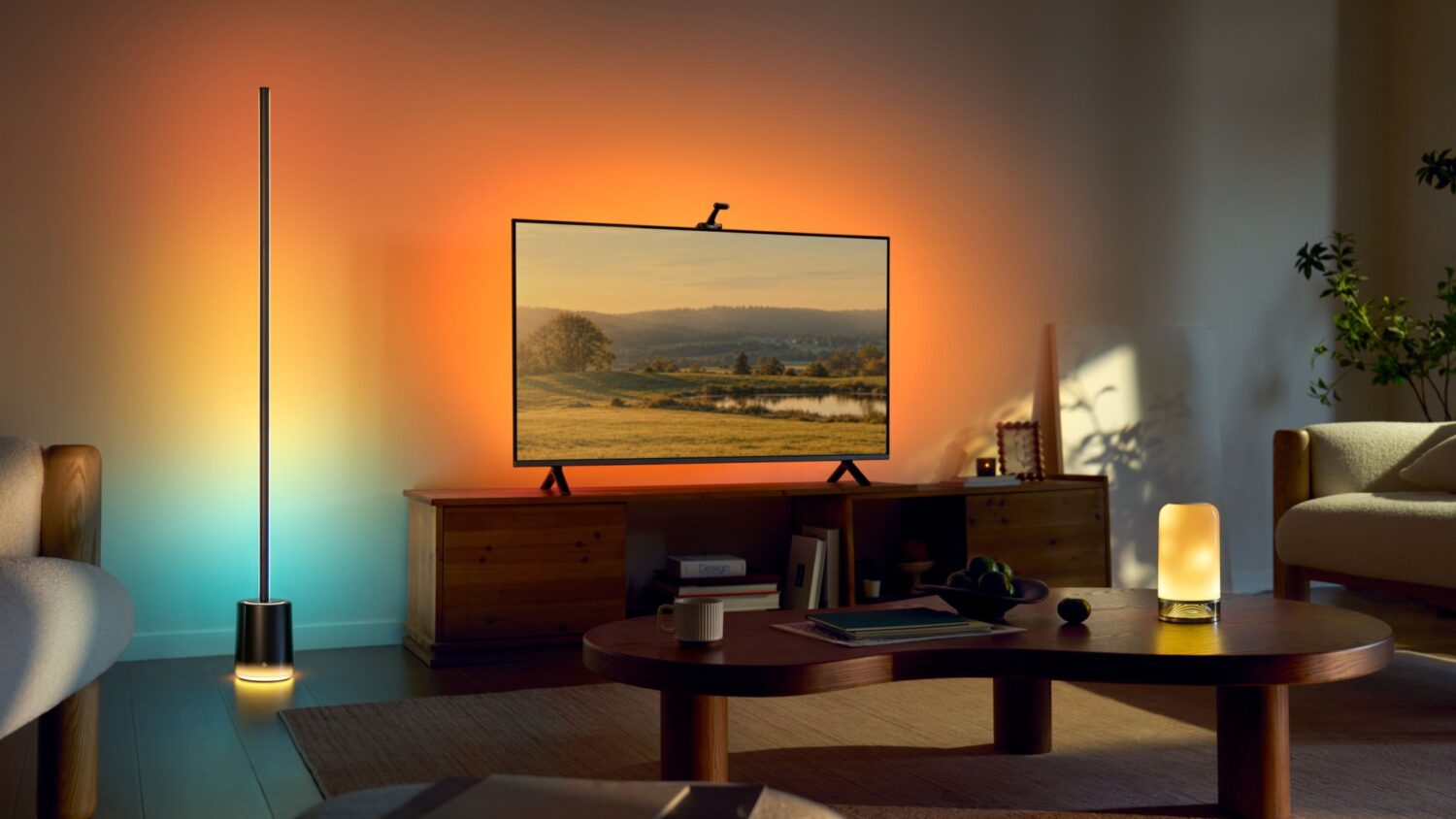
The evening hours require a shift toward the lower end of the Kelvin scale (2200K to 3000K). In the living room, the goal shifts from visibility to intimacy. Strategic placement of double-sided accent lamps, such as the Govee Floor Lamp 3, allows light to reflect off walls, creating a soft, indirect glow that encourages social interaction. This is further enhanced by TV backlighting, which reduces the harsh contrast between bright screens and dark rooms, a common cause of digital eye strain.
Room-Specific Strategies for Seasonal Adaptation
A data-driven approach to interior design suggests that each room serves a distinct physiological purpose, and the lighting must reflect these requirements.
The Living Room: A Cocoon of Connection
The living room serves as the social hub of the home. During the winter, this space must transform into a "cocoon-like sanctuary." The strategy involves creating multiple focal points of light at different heights.
- Verticality: Utilizing tall floor lamps to wash corners in light prevents the room from feeling "closed in" by shadows.
- Mid-Level Accentuation: Table lamps placed on side tables provide the necessary warmth for reading and conversation.
- Digital Integration: Technologies like the Govee TV Backlight 3 use color-matching sensors to project the colors from the screen onto the wall behind it, effectively extending the visual field and softening the room’s atmosphere.
The Bedroom: Prioritizing the Circadian Rhythm
In the bedroom, the priority is the restoration of the body’s internal clock. Research into sleep hygiene indicates that exposure to blue light in the evening can delay sleep onset. Therefore, bedroom lighting should focus on desaturated blues, purples, or very warm ambers.
- Indirect Glow: The use of COB (Chip on Board) LED strips behind headboards or under bed frames provides a seamless, "dotless" glow that eliminates harsh hotspots.
- Low-Intensity Schemes: Lantern-style floor lamps and classic table lamps offer a gentle wash of light that prepares the brain for sleep, aligning the home environment with the natural cycles of the sun.
The Home Office: Balancing Focus and Humanity
The home office presents a unique challenge: the need for high-performance task lighting without creating a sterile, clinical environment.
- Task vs. Accent: While a ceiling light provides the necessary 4000K+ brightness for work, it should be balanced with warm accent lamps.
- Eye Fatigue Mitigation: Ye explains that this contrast "prevents eye fatigue, keeps the mind alert, and ensures the room feels human and inviting, even during long winter work sessions."
The Science of Color Temperature and Visual Effects
The psychological impact of lighting is rooted in the Kelvin scale. Warm light (lower Kelvin) signals safety and rest, a biological vestige of our ancestors’ reliance on firelight. Conversely, cool light (higher Kelvin) signals the peak of day and the need for activity.
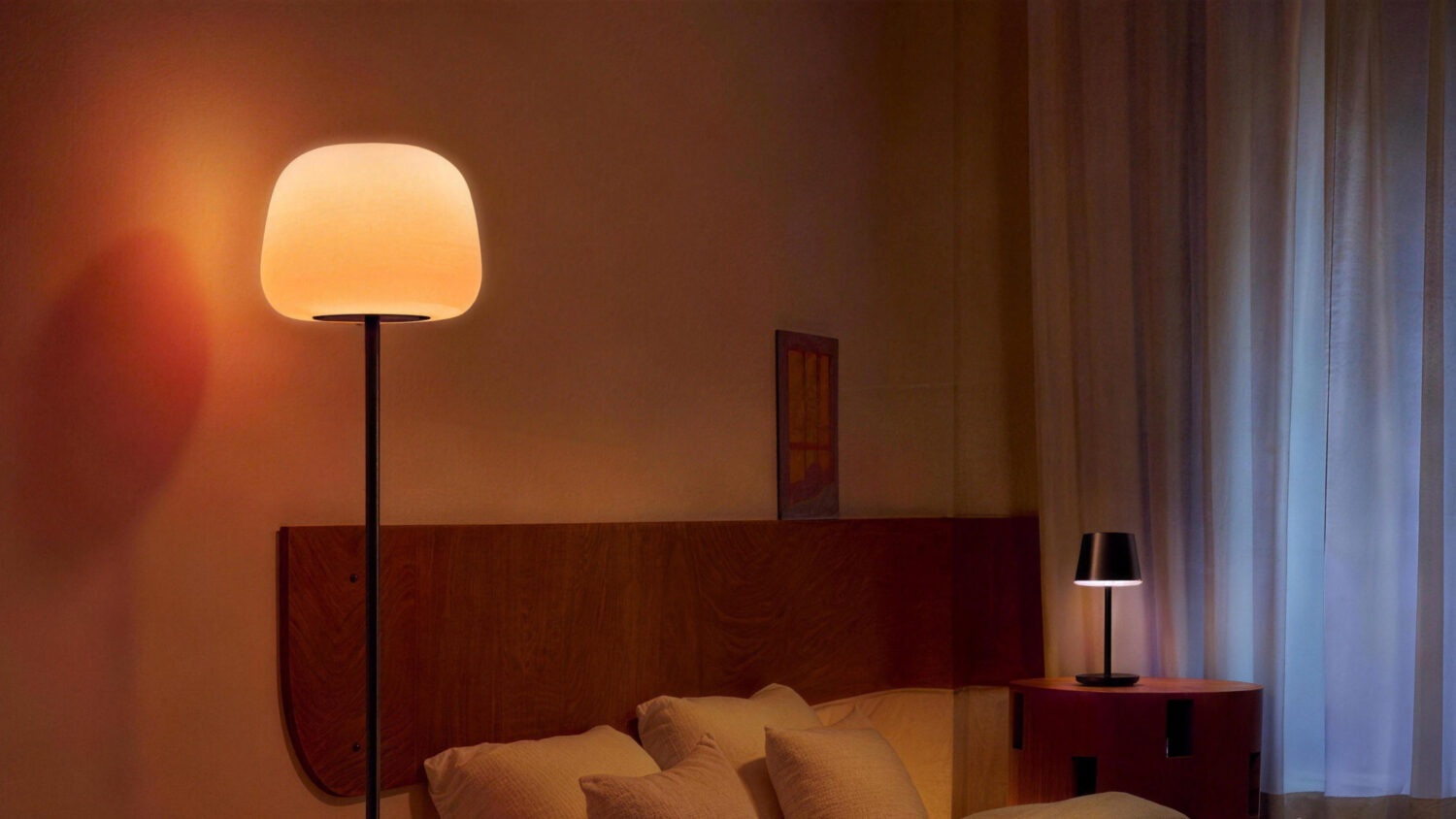
Beyond simple color temperature, modern smart lighting introduces the concept of "gradients" and "tonal shifts." Traditional LEDs were often limited to a single color per strip or bulb. However, advanced color-blending technology now allows a single fixture to display multiple colors simultaneously. This mimics the gradual transitions found in a natural sunset or a forest canopy. These gradients introduce depth and texture to static walls, highlighting the grain of wooden furniture or the weave of linen curtains, thereby making the indoor environment feel more organic and less "synthetic" during the long months spent indoors.
Market Analysis and Broader Implications
The shift toward flexible, app-controlled lighting solutions reflects a broader trend in the "DIY" home improvement sector. Homeowners are increasingly looking for ways to "renovate" their spaces without the high costs associated with electrical rewiring or structural changes. Smart lighting offers a non-permanent, high-impact solution that can be adjusted as easily as changing a setting on a smartphone.
Furthermore, the environmental impact of this technology cannot be overlooked. The transition to LED-based smart lighting significantly reduces energy consumption compared to traditional incandescent or halogen bulbs. When coupled with automated schedules and dimming capabilities, smart systems ensure that energy is not wasted, aligning seasonal comfort with modern sustainability goals.
As the "smart home" ecosystem continues to evolve—with protocols like Matter becoming industry standards—the integration of lighting with other home systems (such as heating and security) will become more seamless. This allows for a holistic "winter mode" for homes, where lighting, temperature, and even soundscapes work in tandem to combat the effects of Seasonal Affective Disorder (SAD) and improve the overall quality of life.
Conclusion: Light as a Tool for Seasonal Resilience
The transition into the colder, darker months does not have to result in a diminished living experience. By understanding the principles of layered lighting and utilizing the flexibility of smart technology, homeowners can fundamentally alter the essence of their living spaces. As Sherry Ye and the team at Govee suggest, the ability to control the "emotional temperature" of a home is a powerful tool for adapting to the seasons.
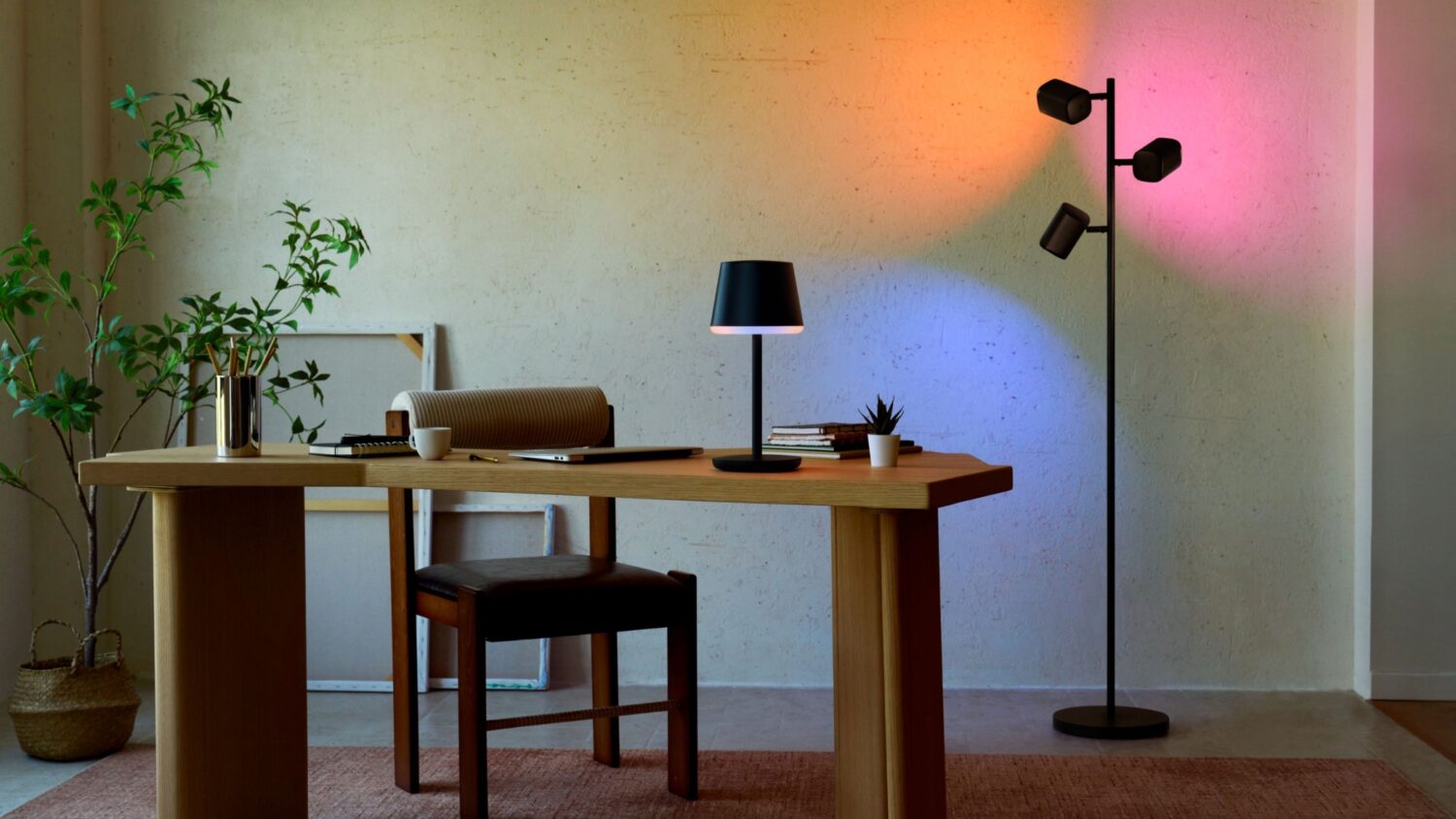
In the final analysis, lighting is more than a utility; it is a vital component of residential wellness. As life moves indoors for the winter, the strategic use of color, placement, and intensity allows for the creation of a comforting sanctuary that supports both productivity and rest. Through these "invisible" architectural changes, the home remains a vibrant, inviting space, regardless of the dwindling daylight outside.