admin
admin
The contemporary landscape of design and urban development is marked by a fascinating duality: the redefinition of what constitutes a "home" for a new generation and the urgent need to integrate critical digital infrastructure into our physical environment. Both challenges underscore the increasing importance of innovative architectural and design thinking, moving beyond mere aesthetics to address pressing societal and technological demands. From the potential for mass-produced, affordable housing solutions championed by entities like IKEA to the critical efforts by architects to soften the imposing presence of data centers, the built environment is undergoing a profound transformation.
The Evolving Concept of Home: From Vacation Retreats to Primary Residences
A significant shift is underway in residential living, where the traditional distinction between primary residences and vacation homes is becoming increasingly blurred. Driven by a confluence of economic pressures, technological advancements, and lifestyle changes, properties once designated for leisure are now being considered as viable, often more affordable, primary residences. This phenomenon, which could be termed a "marathon" shift due to its gradual yet persistent nature, represents a fundamental re-evaluation of where and how people choose to live.
The Rise of the "First Home" Vacation Property
The primary catalyst for this trend is the global housing affordability crisis. In numerous urban and suburban markets, soaring property prices, stagnant wages, and high interest rates have made traditional homeownership an increasingly unattainable dream for many, particularly millennials and Gen Z. According to a 2023 report by the National Association of Realtors, the median home price in the U.S. reached record highs, while housing inventory remained critically low, exacerbating the struggle for first-time buyers. This economic squeeze has prompted individuals and families to look beyond conventional options, including exploring regions traditionally associated with holiday homes.
Parallel to this, the widespread adoption of remote and hybrid work models, accelerated by the COVID-19 pandemic, has decoupled employment from geographical location. A 2022 Gallup poll revealed that 52% of U.S. workers now have a hybrid job, while 32% are fully remote. This newfound flexibility empowers individuals to prioritize lifestyle over proximity to an office, leading many to consider areas offering a better quality of life, lower cost of living, or closer access to nature – attributes often found in vacation destinations. What was once a temporary escape now presents itself as a permanent solution to urban congestion and financial strain.
IKEA’s Enduring Influence on Affordable Living
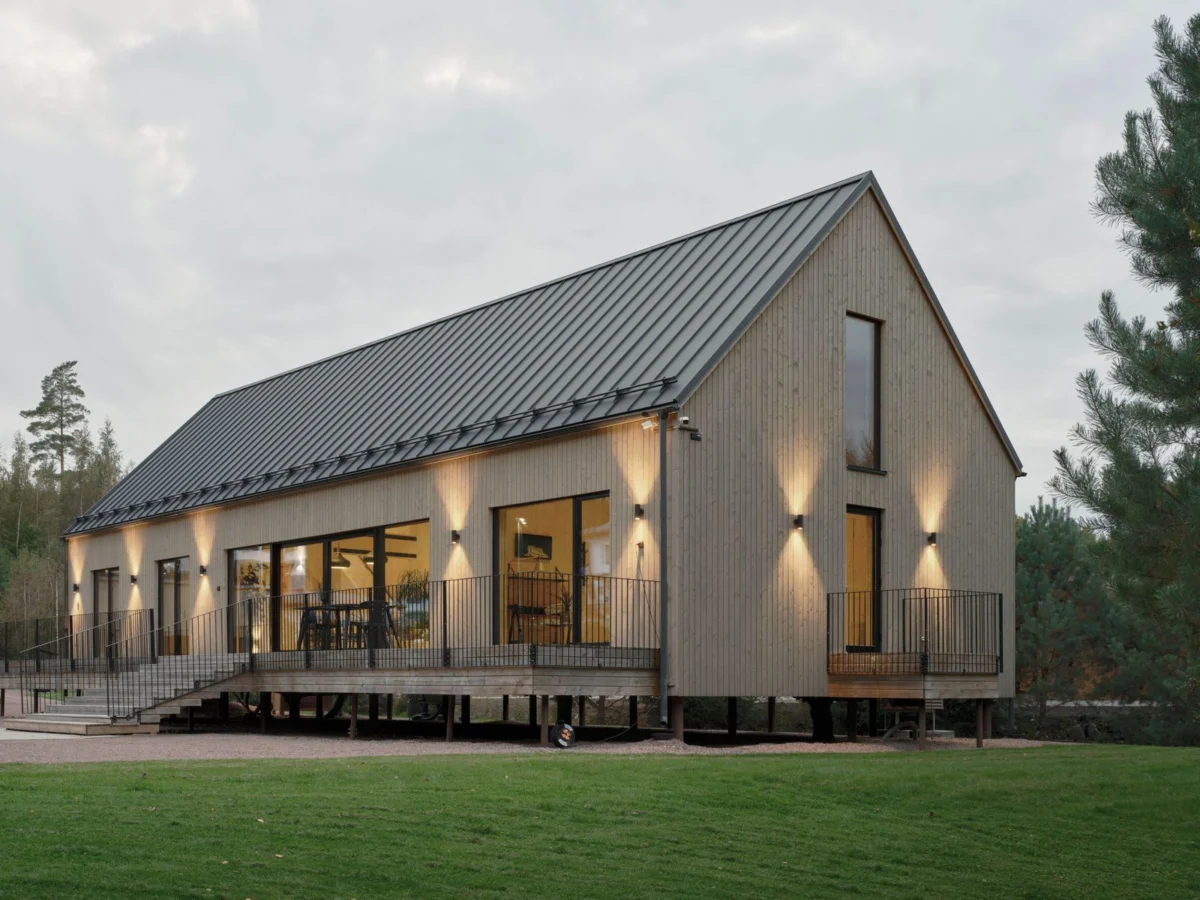
In this evolving housing landscape, companies known for accessible design and cost-effective solutions are poised to play a pivotal role. IKEA, a global titan in home furnishings, has a long-standing history of democratizing design and addressing housing challenges. Their ventures into modular and prefabricated housing, most notably through their BoKlok partnership with Skanska, demonstrate a commitment to providing well-designed, sustainable, and affordable homes. Since its inception in 1996, BoKlok has delivered thousands of homes across Sweden, Norway, Finland, and the UK, focusing on sustainable materials and energy efficiency to create properties that are accessible to a broader income spectrum.
While specific details regarding "Ikea Marathon Vacation Homes as First Homes" might refer to a particular initiative or broader trend, the underlying principle aligns perfectly with IKEA’s ethos: to make everyday life better for the many people. Should IKEA expand its modular housing concepts to specifically target the "vacation home as first home" market, it would likely focus on several key areas:
- Affordability: Leveraging economies of scale and flat-pack construction methods to keep costs down.
- Sustainability: Incorporating eco-friendly materials, energy-efficient designs, and potentially off-grid capabilities suitable for diverse locations.
- Adaptability: Offering flexible layouts that can be customized to individual needs, transforming a holiday retreat into a functional, permanent residence.
- Accessibility: Streamlining the purchasing and construction process to make homeownership less daunting.
Such an initiative would not only provide much-needed housing alternatives but also legitimize and accelerate the trend of re-purposing vacation properties, offering a viable path for those priced out of conventional markets.
Data and Demographics Driving the Shift
The demographic profile of those embracing this shift is diverse, but often includes younger professionals, retirees, and families seeking a different pace of life. A study by the National Association of Home Builders indicated a growing interest in smaller, more efficient homes, reflecting a desire for less maintenance and a lower environmental footprint. Furthermore, the rise of digital nomads and the gig economy fuels this mobility, allowing individuals to earn a living from virtually anywhere with a reliable internet connection. The appeal extends beyond pure economics; it’s a lifestyle choice, prioritizing mental well-being, community connection, and proximity to nature over urban amenities.
Implications for Rural and Suburban Landscapes
While this trend offers opportunities for individuals, it presents complex implications for the rural and suburban communities that become these new "first homes." Increased demand can lead to gentrification, driving up property values and displacing long-term residents. It can also strain existing infrastructure, from water and sewage systems to broadband internet and public services like schools and healthcare, which may not be equipped for a sudden influx of permanent residents. Local governments and urban planners face the challenge of managing this growth sustainably, ensuring that new developments are integrated thoughtfully, preserving local character, and providing adequate resources for both new and existing populations. Comprehensive planning, including zoning adjustments, infrastructure investments, and community engagement, will be crucial to harness the benefits of this demographic shift while mitigating its potential drawbacks.
Reimagining Industrial Footprints: The Aesthetic Integration of Data Centers
In stark contrast to the intimate scale of individual homes, the digital age is underpinned by colossal, energy-intensive infrastructure: data centers. These facilities, the literal engines of the internet, cloud computing, artificial intelligence, and our increasingly connected lives, are growing exponentially in number and size. However, their industrial scale, significant resource consumption, and often monolithic appearance have led to considerable community opposition, prompting architects and developers to rethink their design and integration into the built environment.
The Unseen Engine of the Digital Age
The demand for data processing and storage is insatiable. Every email, streaming video, social media post, and AI query relies on these facilities. According to the International Energy Agency, data centers accounted for 1-1.5% of global electricity consumption in 2022, a figure projected to rise significantly with the proliferation of AI and IoT devices. Their footprint is not just digital; it’s physical, requiring vast tracts of land, access to stable power grids, and often substantial water resources for cooling. This rapid expansion, while essential for economic growth and technological advancement, has increasingly brought data centers into conflict with local communities.
Confronting the "Not In My Backyard" Syndrome
Community opposition, often termed "NIMBYism," to data center development stems from a variety of legitimate concerns:
- Visual Blight: Data centers are typically large, windowless, utilitarian structures, often surrounded by fences and security measures, clashing with residential or natural landscapes.
- Noise Pollution: The constant hum of cooling systems, generators, and HVAC units can be a significant disturbance, especially in quieter areas.
- Environmental Impact: Concerns about high energy consumption, reliance on non-renewable energy sources, and substantial water usage for cooling (especially in drought-prone regions) fuel environmental protests.
- Infrastructure Strain: Communities worry about the strain on local power grids, water supplies, and roads during construction and operation.
- Lack of Local Benefit: Unlike traditional factories, data centers employ relatively few people once operational, leading some communities to question the trade-off for their environmental and aesthetic impact.
These concerns have led to protests, stalled projects, and stricter regulatory hurdles in regions from Virginia’s "Data Center Alley" to communities in Ireland and the Netherlands, where data center growth has been particularly intense.
Architectural Innovation as a Bridge
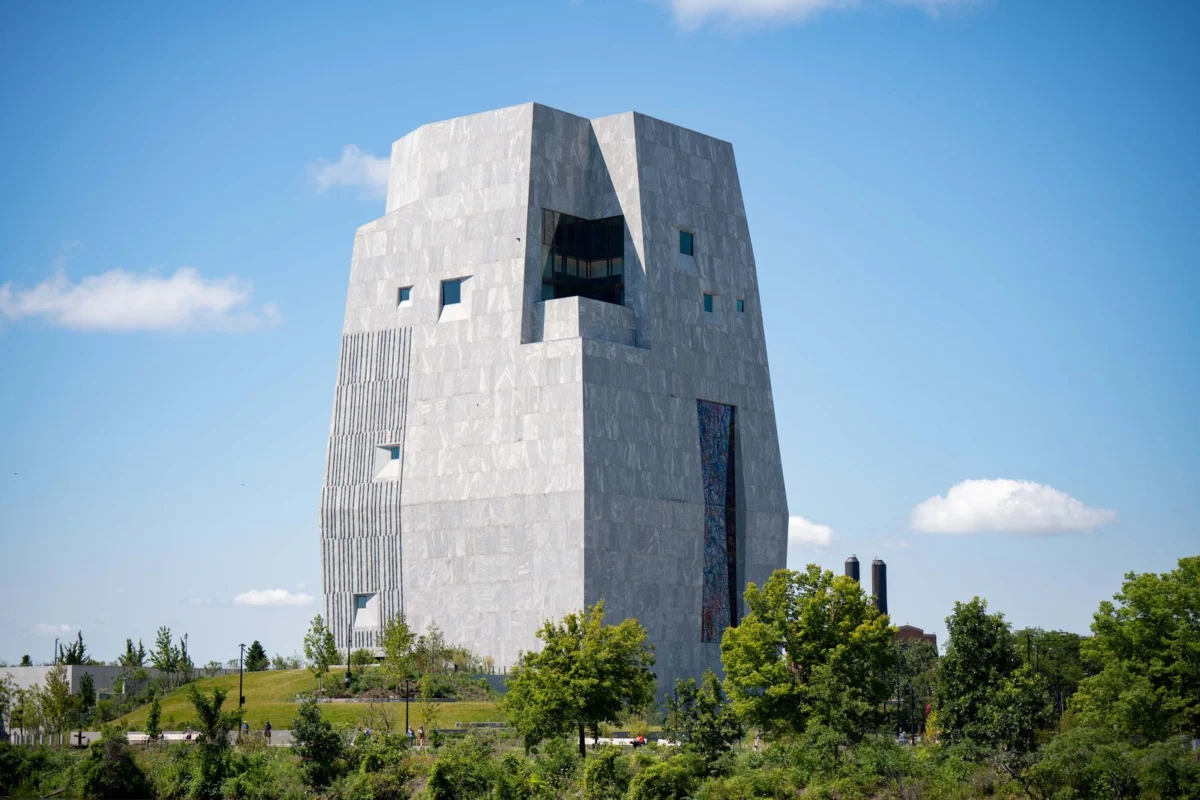
In response to this growing opposition, architects and design firms are increasingly tasked with transforming these industrial behemoths into more palatable, and even beneficial, elements of the urban and natural fabric. The core question, as posed by the observation, is whether "prettier design can help soften the opposition to data centers." The answer appears to be a qualified yes, but it goes beyond superficial aesthetics.
Modern data center design embraces several innovative approaches:
- Contextual Integration: Instead of imposing a generic industrial form, architects are designing data centers that respond to their specific site and local vernacular. This might involve using local materials, mimicking existing architectural styles, or embedding structures partially underground.
- Green Infrastructure: Incorporating green roofs, vertical gardens, and extensive landscaping can help mitigate visual impact, improve biodiversity, manage stormwater, and even contribute to passive cooling. Examples include the Apple data center in Viborg, Denmark, which features a green roof and extensive tree planting to blend into the rural landscape.
- Public Amenities: Some visionary designs propose integrating public spaces, parks, or even community facilities alongside data centers, transforming them from isolated fortresses into active components of the community. A notable concept from Denmark’s "Datatopia" initiative explored combining data centers with public baths, leveraging waste heat.
- Facade Articulation: Breaking down the monolithic appearance through varied textures, patterns, and dynamic lighting can create visually interesting facades that engage rather than repel. Architectural firm Gensler, for instance, has explored designs that use perforated metal screens or artistic cladding to give data centers a more sculptural quality.
- Waste Heat Reuse: Beyond aesthetics, architects are collaborating with engineers to design systems that capture and reuse the significant waste heat generated by servers. This heat can be channeled to district heating networks for homes and businesses, swimming pools, or greenhouses, transforming a negative externality into a valuable resource. The Google data center in Hamina, Finland, uses seawater for cooling, significantly reducing its environmental footprint.
These design strategies aim not just to make data centers "prettier," but to make them better neighbors – more sustainable, less intrusive, and potentially even contributors to local well-being.
The Environmental Imperative and Sustainable Design
The aesthetic transformation of data centers is intrinsically linked to their environmental performance. Sustainable design principles are paramount, focusing on:
- Energy Efficiency: Optimizing cooling systems, server racks, and power distribution to minimize electricity consumption.
- Renewable Energy Integration: Siting data centers near renewable energy sources (wind, solar, hydro) or directly incorporating on-site generation. Many tech giants, like Google and Microsoft, have committed to 100% renewable energy for their data centers.
- Water Conservation: Implementing closed-loop cooling systems, using treated wastewater, or exploring air-cooling solutions to reduce reliance on fresh water.
- Material Selection: Using recycled, low-carbon, and locally sourced materials in construction.
Architects play a crucial role in translating these technical requirements into coherent, environmentally responsible, and visually appealing designs.
Industry and Community Dialogue: A Path Forward
Ultimately, softening opposition to data centers requires more than just good design; it demands transparent and proactive engagement between developers, tech companies, local governments, and community members. Early and open dialogue can help address concerns, incorporate local input, and build trust. Demonstrating a commitment to sustainable practices, offering community benefits (such as job training or infrastructure upgrades), and showcasing innovative, context-sensitive designs can transform public perception from one of apprehension to acceptance, or even pride, in hosting these vital digital hubs.
Converging Futures in Design and Development
The dual narratives of evolving housing models and integrating digital infrastructure highlight a central truth of modern development: design is no longer a peripheral concern but a fundamental tool for addressing complex societal challenges. Whether it’s empowering individuals to find affordable homes that align with new lifestyles, or ensuring that the foundational elements of our digital world coexist harmoniously with the physical environment, thoughtful and innovative design is paramount.
The "Ikea Marathon Vacation Homes as First Homes" trend underscores the need for flexible, affordable, and sustainable housing solutions that adapt to changing demographics and economic realities. Meanwhile, the architectural efforts to humanize data centers demonstrate how design can bridge the gap between technological necessity and environmental/community responsibility. Both scenarios demand a forward-looking approach, where collaboration across disciplines, a commitment to sustainability, and a deep understanding of human needs will shape the future of our built world. As we navigate these transformations, the role of architects and designers will continue to expand, moving beyond traditional aesthetics to become essential strategists in crafting a more resilient, equitable, and technologically advanced future.