admin
admin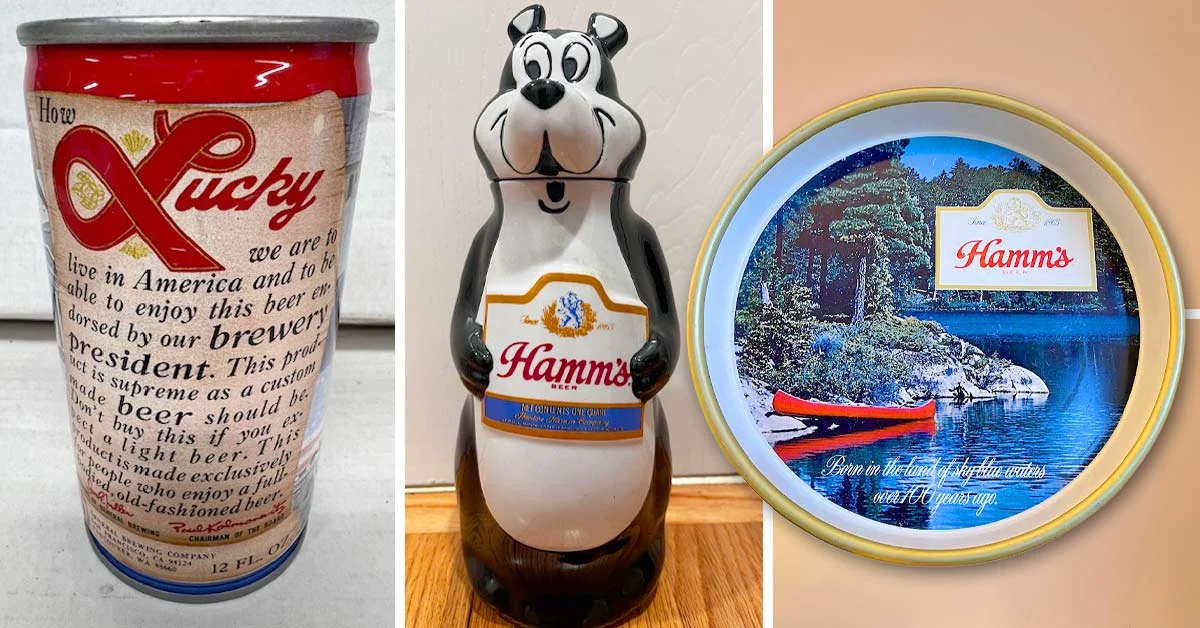
The famous verses of Emma Lazarus, inscribed upon the pedestal of the Statue of Liberty, have long defined the narrative of the American immigrant experience as an East Coast phenomenon. While the "huddled masses" arriving at Ellis Island to populate the tenements of New York and the factories of the Rust Belt dominate historical literature, a parallel and equally significant story unfolded along the Pacific. In the 20th century, the West Coast—specifically San Francisco—offered a different kind of "golden door." For the Slovene-American community, this opportunity was not found in the gold mines of the Sierra Nevada, but within the industrial corridors of the city’s burgeoning beer industry. This sector provided a stable foundation for Eastern European migrants to transition from manual labor in the American interior to a prosperous middle-class existence in one of the nation’s most iconic cities.
The Foundations of San Francisco’s Industrial Identity
The transformation of San Francisco from a quiet colonial outpost to a global commercial hub was catalyzed by the 1848 Gold Rush, but its long-term stability was built on trade and manufacturing. Early observers like Richard Henry Dana, whose 1834 voyage and subsequent memoir Two Years Before the Mast provided a rare glimpse into pre-industrial California, noted that the region was a land of "worlds not realized." By his return in 1858, Dana observed that the true fortunes were being made not by prospectors in the hills, but by the merchants and industrialists who serviced the growing population.
Among these early industries, brewing held a primary position. The first recorded shipment of bottled beer arrived in the city in 1843, courtesy of the merchant Benjamin T. Reed. However, the lack of ice and refrigeration in the mid-19th century necessitated a unique local innovation known as "steam beer." This process involved cooling the wort in large, shallow pans on brewery rooftops, utilizing the cool Pacific breezes of the Bay Area to initiate fermentation. This technique, most famously preserved by the Anchor Brewing Company, became the signature of San Francisco’s early beer production.
By the early 20th century, the city’s brewing landscape was a reflection of its demographic shifts. Despite the devastation of the 1906 Earthquake and Fire, and the existential threat posed by the ratification of the 18th Amendment (Prohibition) in 1919, the industry proved resilient. Major labels such as Acme Brewing, Lucky Lager, and Milwaukee Brewing—later renamed the San Francisco Brewing Corp. and eventually Burgermeister—emerged as dominant players in the post-Prohibition era, setting the stage for a new wave of immigrant labor.
The Slovene Diaspora and the Migration West
The Slovene-American experience in the mid-20th century was characterized by a multi-stage migration. While many Slovenian immigrants initially settled in the industrial centers of the Midwest—Ohio, Pennsylvania, and Illinois—or the mining districts of Montana, Idaho, and Colorado, the post-World War II period saw a significant internal migration toward the West Coast.
According to 1920 U.S. Census estimates, there were approximately 228,000 Slovene-Americans and their children residing in the United States. Many of these families, including those fleeing the geopolitical instability of the Kingdom of Yugoslavia, sought economic security in the manual labor sectors of the American West. For many Slovene men, the initial entry point into the American economy was through the grueling and often dangerous work of mining and agriculture in the mountain states.
However, the allure of San Francisco’s industrial boom following World War II provided a safer and more lucrative alternative. Veterans returning from the European and Pacific theaters were encouraged to relocate to the Bay Area, where firms like Soule Steel were actively recruiting for the construction of landing crafts, barges, and crane ships. As the demand for wartime steel production waned in the late 1940s, the Slovene community looked toward the brewing industry as their next economic frontier.
The Rise of the "Burgie" Era and Immigrant Employment
The 1950s represented a golden age for San Francisco’s large-scale brewers. During this period, the city’s breweries were not merely local entities but massive industrial operations capable of producing hundreds of thousands of units daily. Burgermeister, affectionately known as "Burgie," became a focal point for the Slovene-American workforce.
The integration of Slovene workers into the brewery was facilitated by a combination of ethnic networking and a relatively progressive hiring environment. Joseph Klemens, a Slovene immigrant who joined the company shortly after Prohibition ended in 1933, acted as a bridge for his community. By the 1940s and 50s, he and other early arrivals had paved the way for dozens of Slovene-American men to secure positions on the brewery floor.
This employment was particularly significant given the prevailing social climate. Despite the "melting pot" narrative, Eastern European immigrants often faced "No Bohunks Need Apply" signs in business windows across the city—a derogatory term targeting Czechs, Slovenes, and Slovaks. However, the brewery managers, many of whom were immigrants themselves, recognized the work ethic of the Slovene community. The brew floors became a microcosm of international cooperation, where Slovene laborers worked alongside Irish, French, Italian, and Scottish immigrants. By the 1970s, the workforce further diversified to include African American workers, marking a slow but steady shift toward a more inclusive industrial environment.
Labor Conditions and the Role of Unionization
The appeal of the beer factories lay in their ability to provide upward mobility through blue-collar labor. The work was demanding; Slovene men were primarily employed in the warehouses and on the production lines. Their tasks ranged from packing glass bottles and managing large pallets of cans to operating forklifts and overseeing quality control and pH testing.
During peak summer months, when national demand for beer surged, the factories operated on a 24-hour cycle. Workers frequently took on double shifts, moving between the "swing" and "graveyard" schedules. This overtime pay allowed many immigrant families to purchase homes in San Francisco’s burgeoning neighborhoods and provided the financial means for the second generation to attend college.
A critical component of this economic stability was the presence of strong labor unions. The Teamsters and other brewery-related unions ensured that the workers received competitive wages and, crucially, a pension upon retirement. The Slovene community’s commitment to union solidarity was perhaps best demonstrated during the 1973 boycott of the Coors plant. Slovene-American brewery workers in San Francisco stood in support of the boycott, which was organized to protest unfair wages, discriminatory hiring practices, and the aggressive automation efforts that threatened manual labor jobs.
The Industrial Contribution to the Vietnam War Effort
The cultural impact of the breweries extended beyond the city limits, reaching as far as the front lines of the Vietnam War. Many of the men working the production lines in the 1960s and 70s were veterans of World War II or the Korean War, and they felt a profound connection to the young men—including their own sons—who were drafted into service.
In a unique grassroots effort, brewery workers utilized the shipping logistics of the Vietnam-bound beer shipments to provide a link to home. When pallets were prepared for transport via air or sea, workers would line the crates with local newspapers, magazines, and letters. For servicemen stationed in Southeast Asia, these shipments provided more than just a familiar beverage; they offered a tangible connection to their community and the latest news from the San Francisco neighborhoods they had left behind.
Technological Displacement and the Evolution of the Market
The decline of the traditional large-scale brewery workforce began in the late 1970s, driven by the same force that was transforming the rest of the Bay Area: the technological revolution. As the region became the epicenter of the computer age, factory floors were increasingly automated. Machines began to replace the manual tasks of filling, labeling, and palletizing that had sustained the Slovene community for decades.
By the time the first generation of Slovene brewery workers reached retirement age in the early 1980s, the landscape of the industry had shifted. Many large factories closed their doors or moved operations to more modernized facilities outside the city, such as the Busch plant in Fairfield. Other workers transitioned to the soft drink industry, finding roles in syrup production for companies like Coca-Cola and Dr Pepper.
Simultaneously, the "craft beer" movement began to take root. In 1965, Fritz Maytag’s acquisition of the struggling Anchor Brewing Company signaled a shift away from mass-market production toward specialized, high-quality brewing. While this saved the tradition of San Francisco brewing, it required a different, smaller scale of labor, effectively ending the era of the massive immigrant-staffed brew floor.
Historical Legacy and Modern Context
Today, the physical remnants of San Francisco’s industrial brewing era are largely gone. The site of the former Burgermeister factory, once a hub of Slovene-American life, now houses a Costco wholesale warehouse. However, the legacy of these workers persists in the city’s cultural fabric and the continued success of the region’s beer industry.
San Francisco remains a significant hub for brewing, exemplified by the annual SF Beer Week, which showcases hundreds of Northern California breweries. The modern market also reflects a growing appreciation for European traditions, with local bottle shops frequently stocking brands from the modern Republic of Slovenia, such as Laško and Union.
For the descendants of the Slovene-American brewery workers, the story is one of successful integration and the achievement of the American Dream through industrial toil. The transition from the "wretched refuse" of the 19th-century Adriatic to the prosperous, union-protected workforce of 20th-century San Francisco remains a testament to the role of the West Coast as a vital, if often overlooked, gateway for the American immigrant experience. The history of these "beer factory pioneers" serves as a reminder that the industrial strength of the United States was built not only on steel and steam but on the hands of those who sought a better life beside the golden door.