admin
admin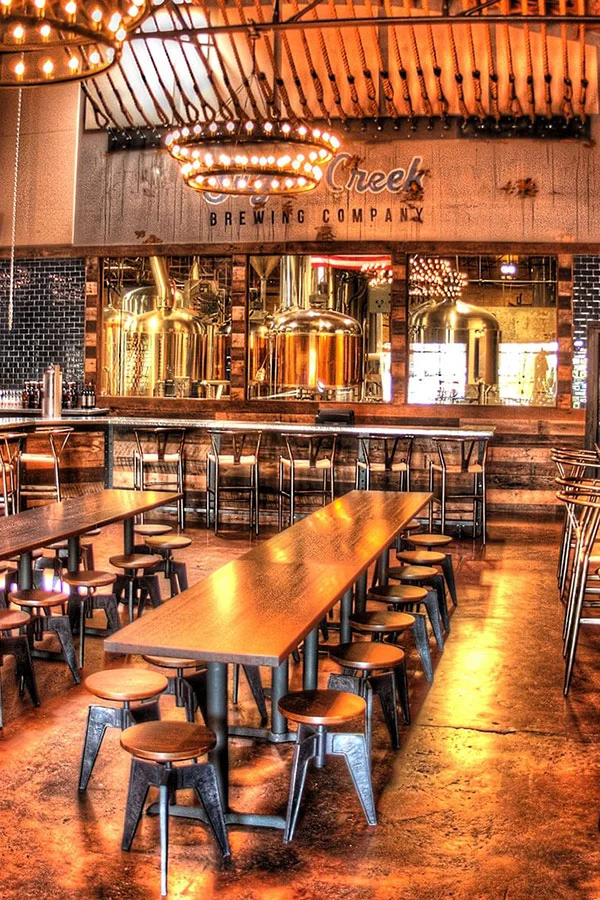
The integration of artificial intelligence into the global industrial landscape has emerged as one of the most significant technological and economic phenomena of the early 21st century. While initial public discourse surrounding AI often focused on the displacement of human labor and the automation of white-collar tasks, the technology has permeated nearly every sector of the economy, from defense and autonomous transportation to education and customer service. In recent years, this reach has extended into the highly traditional and sensory-driven world of craft brewing. Across the United States, independent brewers are moving beyond conventional fermentation methods to explore how machine learning, neural networks, and large language models (LLMs) can optimize production, enhance quality control, and redefine the creative boundaries of recipe development.
The Evolution of Brewing Intelligence
The adoption of artificial intelligence in the brewing industry is not a monolithic trend but rather a multi-tiered evolution. Historically, the brewing process has relied on the intuition and experience of master brewers, coupled with basic mechanical monitoring. However, as the craft beer market has matured—with over 9,500 breweries operating in the U.S. as of 2023—the pressure to maintain consistency while reducing waste has driven a shift toward data-centric operations.
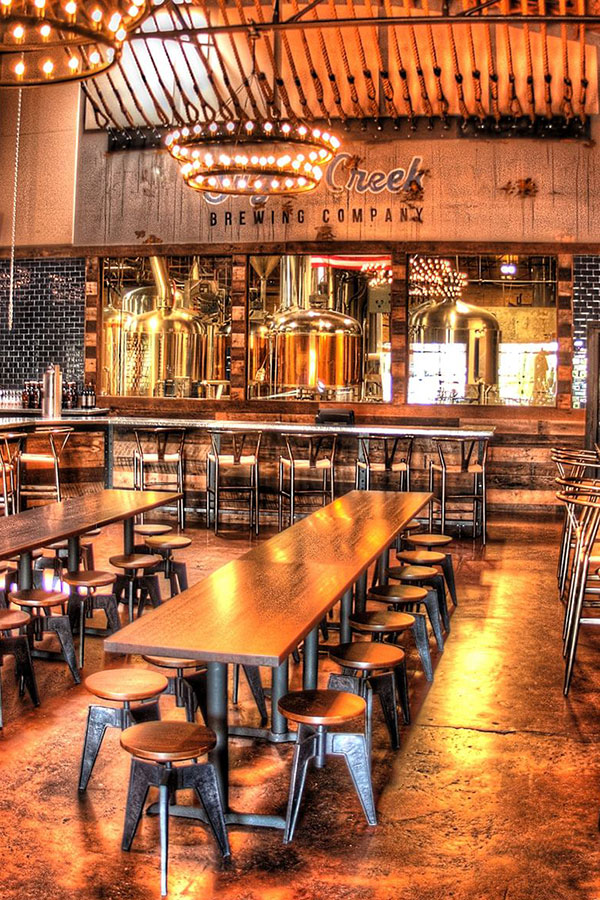
The first tier of AI integration focuses on operational efficiency and quality assurance. Sugar Creek Brewing Company, located in Charlotte, North Carolina, serves as a primary case study for this transition. By deploying a sophisticated network of sensors and AI-driven monitoring devices, the brewery tracks critical variables including temperature, fill levels, and foam consistency during the packaging process. This "Industrial Internet of Things" (IIoT) approach allows for real-time adjustments that prevent product loss and ensure that every bottle or can meets rigorous quality standards. According to industry analysis, such AI-integrated systems can reduce production waste by as much as 15%, a critical margin in an industry facing rising costs for raw materials like aluminum and grain.
Algorithmic Alchemy: The Rise of AI-Generated Recipes
Beyond the mechanical aspects of bottling and temperature control, a second, more experimental tier of AI adoption has emerged: the use of generative models to design flavor profiles. This movement represents a fundamental shift in the creative process, as brewers begin to treat algorithms as collaborative partners in the brewhouse.
Several notable breweries have recently released commercial products designed entirely or partially by AI. In Asbury Park, New Jersey, Asbury Park Brewery launched its own "AI-IPA," while Detroit’s Atwater Brewing and Rockford’s Urban Forest Craft Brewing (with its "Put the AI in sAIson") have followed suit. These projects are often initiated to test whether a machine can replicate the complex balancing act required to produce a palatable beverage.
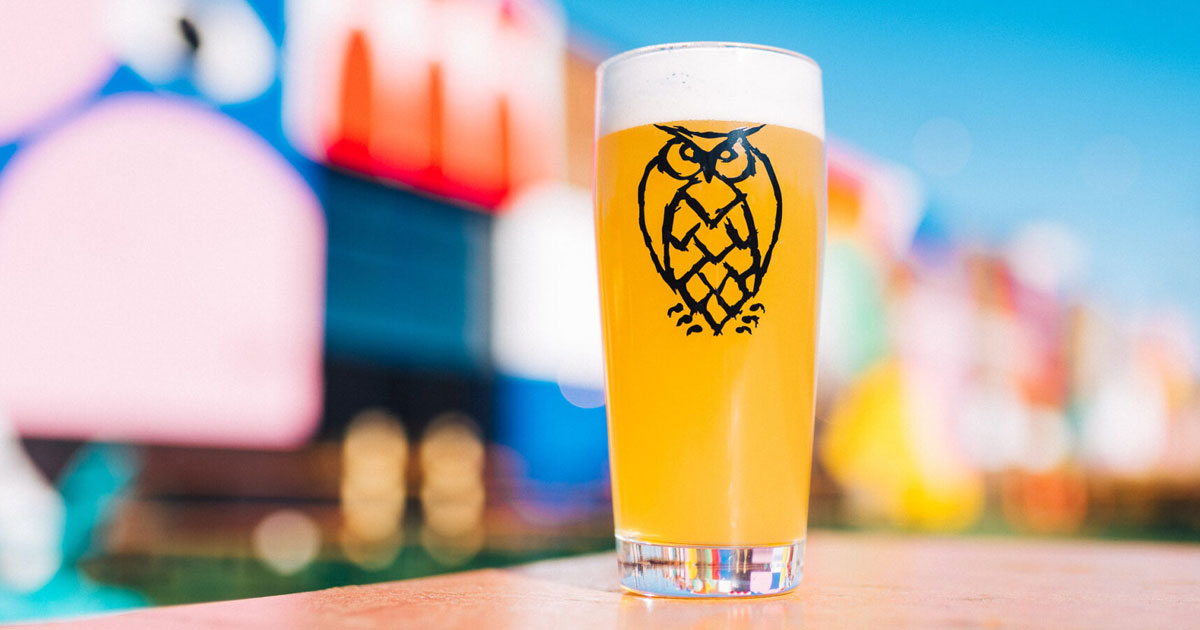
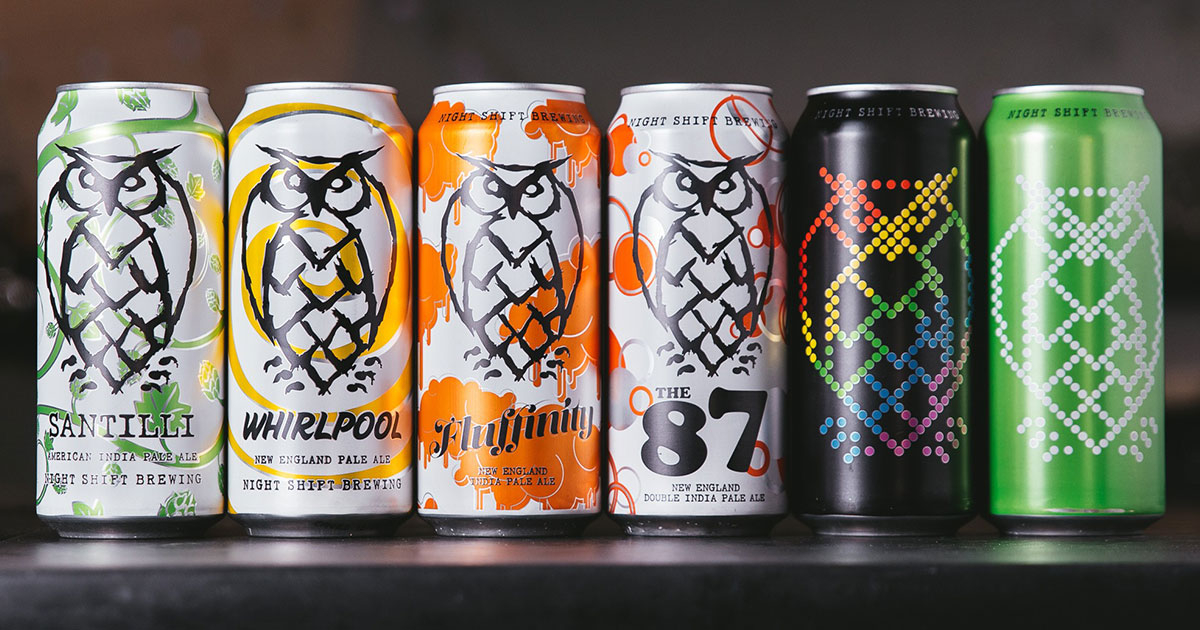
Michael Oxton, co-founder of Night Shift Brewing in Boston, utilized OpenAI’s ChatGPT to develop a hazy IPA. The experiment revealed the remarkable speed at which large language models can synthesize vast amounts of brewing data. Oxton noted that the AI was capable of generating a comprehensive recipe, including a specific water profile, grain bill, and hop schedule, within minutes. For a human brewing team, calculating a precise water chemistry profile—balancing calcium, magnesium, and sulfates to enhance hop bitterness or malt roundness—can often require weeks of research and iterative testing. The resulting "AI-PA" from Night Shift featured a complex profile of mango, watermelon, and citrus, which Oxton described as both successful and commercially viable.
The Technical Frontier: Neural Networks and Proprietary Models
While many breweries utilize off-the-shelf models like ChatGPT, some industry innovators are pushing the technical envelope by building proprietary machine-learning architectures. The Species X Beer Project represented perhaps the most advanced intersection of data science and zymurgy. Founded by Beau Warren, a professional with a dual background in beer microbiology and data analytics, the project was built on a "Silicon vs. Carbon" dichotomy.
Warren developed seven distinct AI models categorized as "Silicon Species," which utilized a combination of regression models and neural networks. Unlike general-purpose LLMs, these models were trained on proprietary datasets including water chemistry, yeast performance metrics, hop alpha-acid percentages, and historical recipe success rates. Furthermore, Warren integrated consumer feedback and internal review data to teach the models the specific parameters of a "highly rated" beer.
The results of these models often defied traditional brewing logic. One notable creation was an amber lager brewed with 100% Maris Otter malt—a grain typically reserved for heavy porters or English bitters. Another model, dubbed "Beh3moth," designed an imperial pastry Baltic porter that utilized twelve types of malt, marshmallows, lactose, coffee, and vanilla, then dry-hopped the mixture in the style of a New England IPA. Warren reported that while these recipes appeared "insane" on paper and discarded centuries of brewing tradition, the final products were remarkably balanced and unique. This highlights AI’s ability to identify flavor correlations that human brewers, bound by stylistic conventions, might never consider.
Beyond the Recipe: Yeast Selection and Microbiological Optimization
The influence of AI in craft beer extends deep into the microscopic level of production. Yeast, the living organism responsible for fermentation, is perhaps the most volatile variable in brewing. Propagate Lab, a Colorado-based yeast propagation facility, has addressed this complexity through the development of "Yeast Buddy," an AI-driven chatbot designed to assist brewers in navigating the "Dewey Decimal System" of yeast strains.
With hundreds of yeast varieties available—each with different attenuation rates, flocculation patterns, and ester production profiles—selecting the correct strain is a daunting task. Yeast Buddy allows brewers to filter through a database of over 120 strains based on desired flavor outcomes and technical parameters. Matthew Peetz, founder of Propagate Lab, suggests that this technology prevents brewers from "defaulting to the standard." By providing easy access to diverse microbiological data, AI encourages brewers to move beyond familiar strains (such as the ubiquitous US-05 ale yeast) and experiment with more adventurous, specialized cultures.
Supporting Data: The Economic Context of Innovation
The pivot toward AI comes at a time of significant economic transition for the craft beer industry. According to data from the Brewers Association, while the total number of breweries continues to grow, the rate of volume growth has stabilized. In 2023, craft beer production saw a 1% decline, the first non-pandemic decline in recent history. In this climate, the "hype" surrounding AI serves a dual purpose: it acts as a marketing tool to engage tech-savvy consumers and functions as a cost-saving measure to streamline production.
| Feature | Traditional Brewing | AI-Enhanced Brewing |
|---|---|---|
| Recipe Design | Days/Weeks of R&D | Seconds/Minutes |
| Quality Control | Manual Sampling | Real-time Sensor Monitoring |
| Water Chemistry | Iterative Lab Testing | Algorithmic Prediction |
| Waste Reduction | Human-Error Dependent | Predictive Maintenance/Monitoring |
The Human Element: Collaborative Intelligence vs. Job Displacement
Despite the impressive capabilities of machine learning, industry professionals emphasize that AI is not poised to replace the human brewer. Instead, it is being viewed as a "creativity enhancement" or a sophisticated "brewing assistant."
Michael Oxton of Night Shift Brewing noted that while ChatGPT provided a strong foundation, human brewers had to make adjustments for ingredient availability and practical equipment limitations. Similarly, the graphic design for the beer’s label required human intervention to correct "kinks" in the AI-generated artwork. Beau Warren also stressed the necessity of "human-in-the-loop" systems. AI requires humans to set safety guardrails—ensuring, for instance, that a recipe does not call for pressures that would compromise fermentation tanks—and to provide new training data. Without human oversight, an AI model becomes a closed loop, unable to adapt to new trends or shifting consumer palates.
Matthew Peetz of Propagate Lab compared AI to a calculator: "If you are punching in the wrong numbers, you’re going to get the wrong result." The expertise of the brewer remains the primary filter through which AI-generated data must pass.
Economic Realities and the Future of the High-Tech Taproom
The future of AI in brewing is not without its challenges. While the technology offers immense potential, the economic barriers to entry remain high for small-scale operations. The Species X Beer Project, despite its technological success, recently announced its permanent closure due to broader economic constraints. This serves as a sobering reminder that while AI can optimize a recipe, it cannot insulate a business from the pressures of rising real estate costs, inflation, and shifting consumer spending habits.
However, the precedent has been set. The "black box" of brewing—where ingredients enter and beer emerges through a mix of science and mystery—is becoming increasingly transparent through data. As AI models become more accessible and affordable, they will likely become standard tools in the brewer’s kit, much like the hydrometer or the pH meter before them.
The broader implication for the industry is a move toward "superhuman" brewing. By removing the tedious manual calculations of water chemistry and yeast selection, AI allows brewers to focus on the high-level conceptualization of flavor. The technology is not ending the craft; it is providing a more expansive canvas for it. As the industry moves forward, the most successful breweries will likely be those that can find the "Golden Ratio" between the cold efficiency of the algorithm and the creative soul of the human artisan.