admin
admin
The San Francisco Peninsula, a geographic corridor traditionally defined by its proximity to Silicon Valley’s technological engines and the transit-heavy Highway 101, is currently undergoing a significant cultural transformation as it establishes itself as a premier destination for craft viticulture and brewing. While San Francisco and the North Bay have long held the mantle of Northern California’s beer capitals, a 30-mile stretch of San Mateo County—spanning from the transit hubs of Burlingame down to the revitalized corridors of Redwood City—has quietly developed into a sophisticated "beer trail." This emergence is not merely a localized trend but represents a broader shift in the regional economy, where industrial zones are being repurposed into high-concept taprooms and culinary complexes that cater to a discerning demographic of commuters and residents alike.
The Economic and Cultural Landscape of Peninsula Brewing
The growth of the Peninsula beer trail coincides with a robust period for the California craft brewing industry. According to data from the Brewers Association, California remains the nation’s leader in craft production, contributing over $9 billion to the state’s economy annually. Within this framework, San Mateo County has leveraged its unique position between San Francisco and San Jose to attract brewers who seek to blend industrial production with high-end hospitality. The proximity to the Caltrain line has created a "transit-oriented" drinking culture, allowing enthusiasts to navigate the trail without the reliance on personal vehicles, thereby increasing the viability of these suburban breweries as weekend destinations.
This development follows a chronological progression that began with traditional European-style bottle shops and has evolved into experimental labs specializing in thiolized yeasts, plant-based pairings, and English cask conditioning. The following analysis examines the key stakeholders and locations that define this new era of the San Francisco Peninsula’s craft beer identity.
Burlingame: The Intersection of Technology and Plant-Based Innovation
At the northern terminus of this trail lies Twelvemonth in Burlingame. This establishment serves as a case study for the "tech-executive-to-culinary-entrepreneur" pipeline that characterizes much of the Peninsula’s recent growth. Founded by former tech executive Bob Trahan, Twelvemonth occupies a space that previously housed a traditional brewery, but its reimagining is far more ambitious. The complex functions as a plant-based restaurant, bakery, and taproom, signaling a shift toward "conscious consumption" that aligns with the values of the local workforce.
Twelvemonth’s strategy involves a curated tap list that bridges the gap between local micro-brews and established legends of the industry. By offering Russian River Brewing Company’s "Pliny the Elder," a benchmark Double IPA, alongside lagers from Richmond’s East Brother Beer Co., the venue establishes immediate credibility with enthusiasts. The inclusion of non-alcoholic options from Fort Point Beer Company reflects a growing market trend toward sobriety-inclusive spaces, an industry-wide shift that analysts suggest will account for a significant portion of taproom revenue by the late 2020s.
Belmont: Industrial Prowess and Experimental IPAs
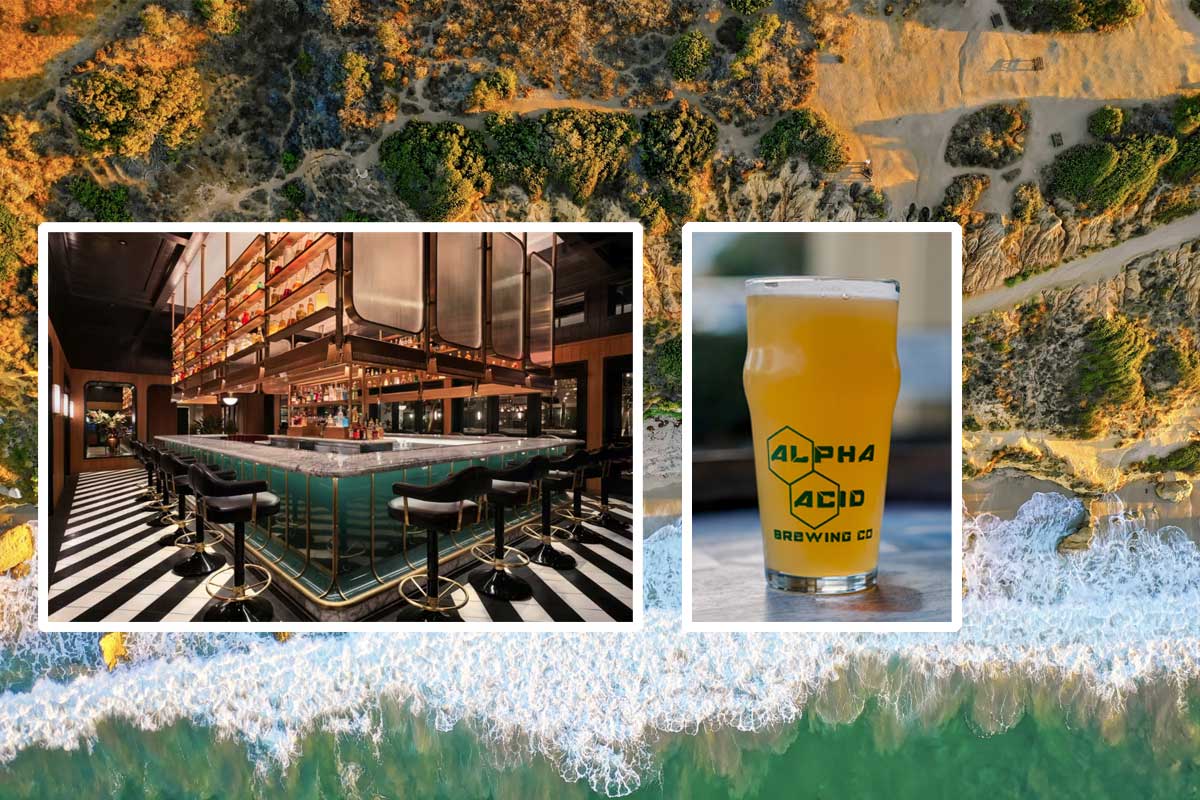
Moving south into Belmont, the aesthetic shifts from the polished dining rooms of Burlingame to the grit of the Harbor Business Center. Here, Alpha Acid Brewing Company represents the "industrial park" model of brewing that has been a staple of the American craft movement since the early 2000s. Since its inception in 2014, Alpha Acid has focused on high-rotation variety, a necessity in a market where consumers constantly seek novelty.
Alpha Acid’s portfolio illustrates the technical diversity required of modern brewers. Their "May The Haze Be With You" New England-style IPA utilizes specific hop profiles to achieve notes of orange and pine without the bitterness associated with West Coast styles. Conversely, their "Murder She Wroatmeal" stout and "Flying Dutchman" rum-barrel-aged tropical stout demonstrate an expertise in barrel aging and adjunct management. The presence of taco trucks and pinball machines at this location highlights the "community hub" aspect of craft breweries, where the lack of a formal kitchen is compensated for by local food partnerships, creating a symbiotic micro-economy within the business park.
San Carlos: The Science of Sours and Thiolized Yeasts
In San Carlos, Blue Oak Brewing Co. has carved out a niche by focusing on the intersection of fruit-forward profiles and advanced fermentation science. The brewery is notable for its use of thiolized yeast in beers like "Hello Motueka." Thiolized yeast is a relatively recent breakthrough in brewing science, engineered to "unlock" aromatic compounds (thiols) from malt and hops that are normally inaccessible during standard fermentation. This results in an intensified tropical fruit aroma that mimics the addition of fresh juice.
Blue Oak’s commitment to sours—such as the "Cherry Bomb" and "POG is My Copilot"—reflects a broader national trend where "tart and fruity" profiles have become a primary entry point for non-beer drinkers. By maintaining a sprawling indoor/outdoor space, Blue Oak mimics the "beer garden" atmosphere of larger metropolitan areas, providing a family-friendly environment that is essential for the suburban demographics of San Mateo County.
Redwood City: A Triple Threat of Tradition and Modernity
Redwood City serves as the southern anchor of the Peninsula beer trail, offering three distinct experiences that represent the past, present, and future of the industry.
Ghostwood: The Neighborhood Brewpub Model
Ghostwood has positioned itself as the quintessential neighborhood "third place." Their success with the "Extra Crispy" light American lager is a strategic move; while hazy IPAs dominate headlines, the industry is seeing a "return to lager," as drinkers seek lower-alcohol, high-quality options for social settings. Ghostwood’s integration of entertainment—including trivia nights, billiards, and Mario Kart—demonstrates a business model focused on "dwell time," ensuring that patrons remain for multiple rounds and food orders.
Freewheel Brewing: The Cask Ale Tradition
Located in the Marsh Manor Shopping Center, Freewheel Brewing Company offers a rare specialty in the American market: English-style cask ales. Since 2012, Freewheel has championed the "Real Ale" movement, which involves beer that is secondary-fermented in the container from which it is served and dispensed without the use of extraneous CO2. Their "Big V Amber" and various nitro pours cater to an expatriate community and a segment of enthusiasts who value the creamy mouthfeel and complex malt profiles of traditional British brewing. This commitment to a niche style provides the Peninsula with a level of stylistic diversity often missing from more commercialized beer markets.
Gourmet Haus Staudt: The Bavarian Benchmark
Finally, Gourmet Haus Staudt represents the historical foundation of the region’s beer culture. As a classic Bavarian Bierstube, it serves as a critical link to European traditions. The establishment is reportedly one of the highest-volume accounts for Weihenstephaner—the world’s oldest continuously operating brewery—in the United States. By combining a retail market, a bottle shop, and a traditional beer hall, Gourmet Haus Staudt serves as both an educational resource for domestic drinkers and a sanctuary for traditionalists.
Strategic Analysis and Broader Implications
The maturation of the San Francisco Peninsula beer trail suggests several key implications for the region. First, it indicates a successful transition of the Peninsula from a "bedroom community" for San Francisco and San Jose into a self-contained cultural destination. The ability of these breweries to thrive despite the high cost of real estate in San Mateo County speaks to the high disposable income of the local population and the high value placed on craft products.
Furthermore, the diversity of these establishments—ranging from the plant-based Twelvemonth to the traditionalist Freewheel—mirrors the diversity of the Silicon Valley workforce. These spaces serve as vital social infrastructure, providing venues for networking, community building, and relaxation outside of the high-pressure tech environment.
From a logistical standpoint, the concentration of these breweries along the 101 corridor and near Caltrain stations provides a blueprint for "craft tourism" that could be replicated in other suburban corridors. By clustering together, these businesses create a "destination effect" where the presence of multiple high-quality options attracts more visitors than any single brewery could on its own.
Conclusion
The San Francisco Peninsula’s beer trail is no longer a mere footnote to the city’s brewing scene; it is a sophisticated, scientifically-informed, and culturally diverse ecosystem. From the implementation of thiolized yeasts in San Carlos to the preservation of English cask traditions in Redwood City, the trail offers a comprehensive survey of the modern craft landscape. As the region continues to grow, these breweries will likely play an increasingly central role in the Peninsula’s identity, proving that the area’s innovation is not limited to its software, but extends directly into its pint glasses. For the "traipsing" beer enthusiast, the 30-mile stretch along Highway 101 now represents some of the most essential territory in Northern California’s vibrant beverage industry.