admin
admin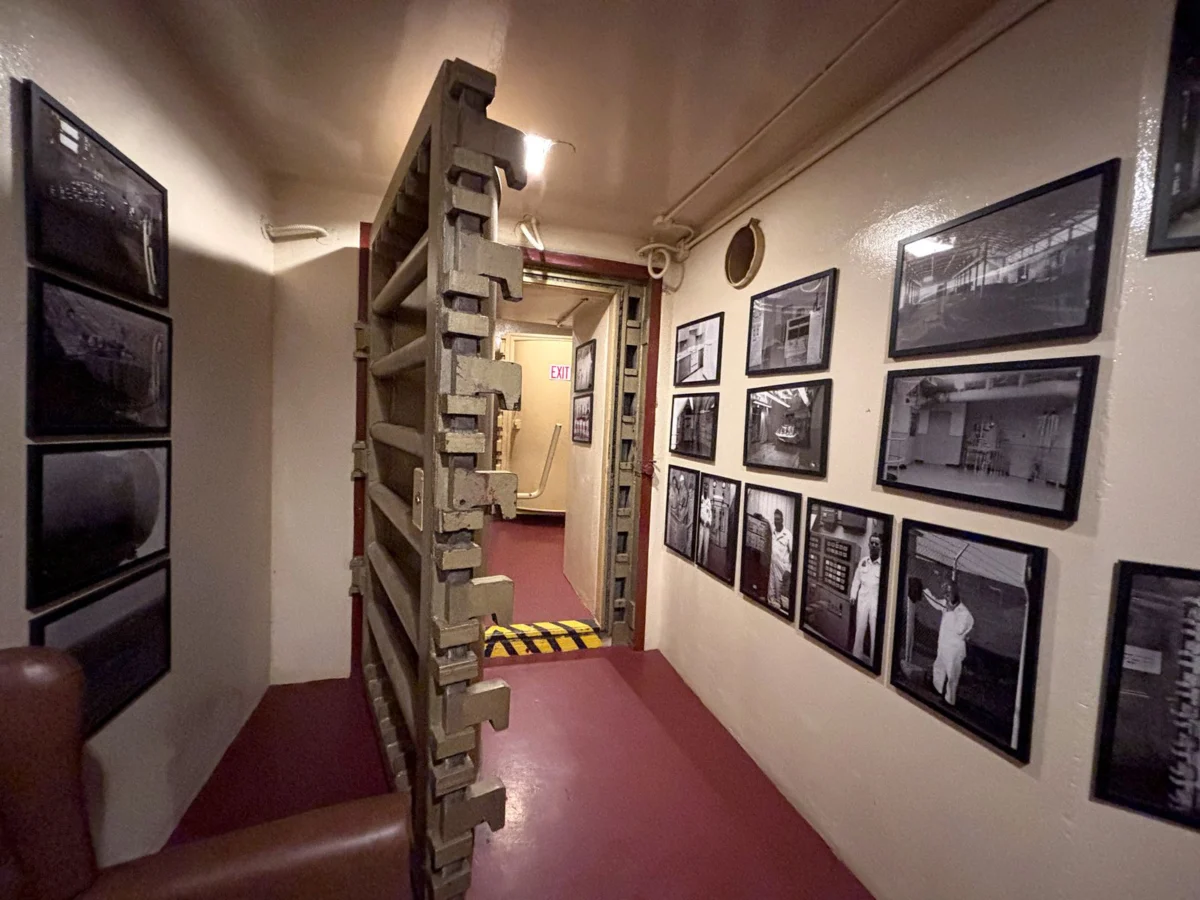
The chilling legacy of the Cold War, characterized by the looming threat of global annihilation, manifests today in an unexpected new form: luxury subterranean accommodations. Across the United States, and indeed globally, former Atlas missile bases – once steel-and-concrete bastions designed to withstand nuclear war – are being reimagined as unique short-term rentals and even permanent residences. This burgeoning trend transforms relics of a tense geopolitical past into fascinating destinations for history enthusiasts, thrill-seekers, and those preparing for an uncertain future.
The Cold War’s Silent Sentinels: The Atlas Missile Program
During the height of the Cold War, between the late 1950s and mid-1960s, the United States embarked on an ambitious program to deploy intercontinental ballistic missiles (ICBMs) as a strategic deterrent against potential Soviet aggression. The Atlas missile, the nation’s first operational ICBM, represented a monumental leap in military technology. These gargantuan rockets, standing 82 feet tall, were initially housed in vulnerable above-ground gantries before transitioning to more hardened, underground silos. Over 100 Atlas missile sites were constructed across the American plains and Southwest, each a self-contained complex comprising a launch control center and the massive missile silo itself, typically extending 180 feet underground.
These facilities were engineering marvels, built with reinforced steel and thick concrete walls designed to protect against a direct nuclear strike. They were equipped with intricate life-support systems, blast doors weighing several tons, and communication networks intended to ensure operational readiness even in the direst circumstances. However, the rapid pace of missile technology development meant the liquid-fueled Atlas, with its lengthy fueling process, quickly became obsolete. By the mid-1960s, it was superseded by more advanced, solid-fueled missiles like the Titan II and Minuteman, which could be launched more rapidly. Consequently, all Atlas bases were decommissioned and sold off, leaving behind a network of silent, subterranean monuments to a bygone era of nuclear brinkmanship.

Roswell’s Remarkable Rebirth: Gary Baker’s Atlas Silo Airbnb
One of the most compelling examples of this adaptive reuse is found beneath the plains of southeastern New Mexico, near the famously enigmatic town of Roswell. Here, Gary "Siloman" Baker, a retired U.S. Army Corps of Engineers veteran with a lifelong fascination for missile silos, purchased a decommissioned Atlas complex 30 years ago. Baker, who developed his interest while attending Roswell’s New Mexico Military Institute, acquired two such sites for a modest $55,000 each. His vision was to transform the former launch control center of one into a habitable, unique overnight stay.
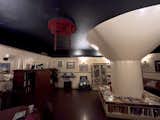
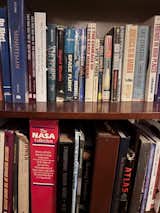
Over three decades, Baker has invested approximately $500,000 into renovating the complex, meticulously transforming its functional, austere spaces into a surprisingly comfortable and historically rich guest accommodation. The resulting Airbnb, now one of the platform’s top-rated "OMG! homes," offers an unparalleled immersion into Cold War history for around $850 per night. Guests are not merely staying in a room; they are stepping into a curated museum that also functions as a temporary residence. The interior is adorned with black-and-white Atlas photos from the 1960s, military art, books on conflict history, missile miniatures, and even themed bumper stickers, such as "I live in a missile silo because I’m the bomb." Baker himself, a warm and knowledgeable historian, often provides private tours, sharing anecdotes and detailed historical context that enrich the guest experience. The guest unit, a circular space of approximately 1,250 square feet, features a laundry room, bathroom, and kitchenette, maintaining a clean and well-lit environment despite its subterranean nature.
A Global Phenomenon: The Diverse Landscape of Bunker Conversions
Baker’s Roswell silo is part of a broader, fascinating trend of repurposing subterranean bunkers and military installations worldwide. This movement caters to a diverse clientele, from history buffs and novelty-seekers to survivalists preparing for societal collapse.
In Arkansas, the Titan II Nuclear Missile Complex has taken a decidedly different approach, prioritizing entertainment over strict historical reverence. The former missile complex has been converted into an underground rental complete with a small nightclub, hosting a wide array of guests including international families, social media celebrities like YouTube’s Mr. Beast, and reportedly, even swingers groups. Owner GT Hill highlights the shift from a site of ultimate gravity to one of playful escape, demonstrating the versatility of these robust structures.
For those with more existential concerns, other decommissioned Atlas bases offer "survival condos." In Kansas, one such facility provides luxury bunkers where owners can ride out apocalyptic events for up to five years. Priced at $1.3 million, these condos offer self-sustaining living environments for up to 15 people, including pets, and boast amenities that rival high-end surface residences. Similarly, Texas-based Atlas Survival Shelters specializes in constructing "billionaire bunkers," designed to house families through scenarios ranging from "pandemic outbreaks" and "civil unrest" to "malicious mobs," showcasing the growing market for high-end preparedness.
Beyond the United States, the trend extends internationally. World War II bunkers in Cornwall, England, and various subterranean structures in Australia have also been transformed into short-term rentals and even permanent homes. This global appeal underscores a collective human fascination with the underground, whether for historical appreciation, unique experiences, or a perceived sense of security against future calamities.
The Roswell Experience: A Journey into the Earth and Beyond
The author’s recent stay at Baker’s Roswell silo, alongside his girlfriend Jen, offered a firsthand glimpse into this unique intersection of history and hospitality. The choice of location was serendipitous, complementing a trip to explore Roswell’s famed alien kitsch – a city where UFO-themed McDonald’s and giant alien statues are commonplace. The silo, just 20 miles from these quirky attractions, promised an appropriately "out there" birthday celebration for Jen.
Upon arrival, the external facade of the complex – a nondescript cattle gate, a dirt road, and a concrete pad – belied the historical significance hidden beneath. This ordinary appearance was a stark contrast to the structure’s original purpose, where the concrete pad could have opened to launch an ICBM. Inside, a single bulkhead door led to a stairwell plastered with historical photographs, immediately immersing guests in the Cold War narrative.
The guest apartment itself, a former launch control room, is situated above Baker’s personal living quarters, accessed through massive blast doors. The circular unit, while lacking the natural light of the surface, is far from dark, featuring a small bedroom, laundry facilities, and a kitchenette. The pervasive missile memorabilia – from military history books to an "ICBM IPA" can – reinforces the site’s past. The small bedroom, with its two twin beds, offered an unexpected intimacy, prompting a humorous "I guess we’re cuddling" from the author.
The highlight of the complex is undoubtedly the cavernous silo itself, a vast, cylindrical void extending 180 feet into the earth. Standing on a grated steel deck within this immense space is a dizzying experience, a stark reminder of the colossal machines it once housed. Baker noted that the profound depth and the inherent sense of vulnerability deter many families with young children.
The Psychology of the Subterranean
The experience of sleeping underground, particularly in a structure designed for wartime deterrence, evokes a complex array of psychological responses. The author recounted waking at 3 a.m., disoriented by the profound darkness and heavy silence, punctuated only by occasional clinks and clanks – sounds later attributed to bats, which Baker confirmed "guests really enjoy." This deep quiet contrasts sharply with the ambient noise of surface living, creating a heightened awareness of one’s isolation.
Jen’s prior experience in Coober Pedy, Australia – a mining town where half the population lives underground due to extreme heat and flies – provided a different perspective. There, subterranean living is a practical necessity, leading to underground motels, churches, and opal shops. She described Coober Pedy as resembling "the surface of the moon," emphasizing its profound quietude. This contrasts with the voluntary, almost theatrical, nature of staying in a missile silo.
The profound silence and lack of windows in the silo prompted introspective thoughts about the original purpose of such bunkers: long-term survival in an apocalyptic scenario. While the author concluded he wouldn’t personally choose to live underground for years, Jen offered a more philosophical take: "We’re all going to die…so why not spend some time in what essentially feels like an enormous coffin, a coffin you can actually climb out of in the morning? How life-affirming is that, to rise from the dead?" This sentiment captures the dual nature of these spaces – a memento mori, yet also a testament to resilience and the human capacity for adaptive rebirth. GT Hill, owner of the Titan II Airbnb, described the deep silence of missile silos as "sleeping in a warm blanket of safety," highlighting the paradox of finding comfort in a structure built for catastrophe.
Implications and Future Outlook
The transformation of Cold War missile silos and other bunkers represents a significant example of adaptive reuse, turning instruments of war into sites of historical education, unique tourism, and even futuristic living. This trend has several implications:
- Preservation of History: These conversions ensure that significant Cold War-era structures are not simply left to decay but are actively maintained and integrated into public consciousness, offering tangible connections to a pivotal period in human history.
- Economic Impact: The creation of unique accommodations can boost tourism in often remote areas, providing new revenue streams and employment opportunities. The high price point for some of these luxury bunkers also indicates a robust niche market.
- Architectural Innovation: Repurposing these robust, purpose-built structures presents unique architectural and engineering challenges, pushing the boundaries of what is considered habitable space.
- Social Commentary: The rise of "survival bunkers" reflects growing anxieties about global instability, climate change, and societal breakdown, turning these former deterrents into personal fortresses for the affluent.
- Psychological Exploration: These spaces offer a rare opportunity to explore the psychological effects of subterranean living, isolation, and proximity to historical trauma, albeit in a controlled and comfortable environment.
As global uncertainties persist and the demand for unique travel experiences grows, the legacy of the Cold War continues to evolve. From symbols of impending doom, these subterranean complexes are emerging as unlikely destinations for adventure, reflection, and a peculiar kind of peace. The decommissioned missile silo in Roswell, with its blend of alien kitsch and nuclear history, stands as a prime example of how humanity reclaims and redefines its past, one extraordinary overnight stay at a time.