admin
admin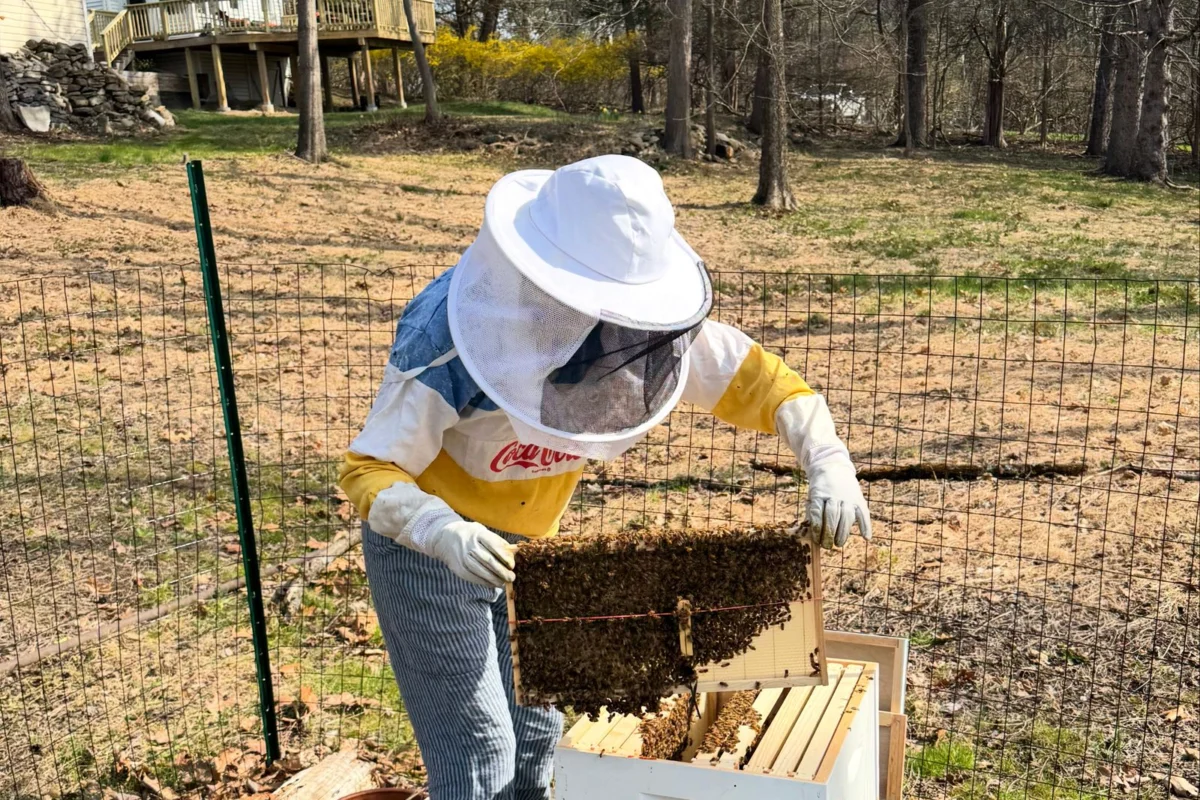
The burgeoning interest in connecting with nature has led many to seek out unconventional companions, moving beyond the traditional pets like dogs and cats to embrace creatures that offer a deeper, more ecological engagement. While some find solace in the quiet grace of koi or the vibrant chatter of cockatoos, a distinct and growing segment of individuals is drawn to the intricate world of apiculture – the keeping of bees. This pursuit, far from a simple hobby, is a demanding form of animal husbandry that offers profound lessons in resilience, patience, and environmental stewardship, particularly evident in regions like the Hudson Valley, where urban dwellers transition to a more pastoral existence.
The Call of the Hive: A Modern Connection to Nature
The allure of beekeeping often stems from a desire to foster a tangible link to the natural world, a sentiment echoed by many who trade bustling metropolitan lives for the tranquility of the countryside. The transition from a "frenzied New York City life" to "bohemian countryside living" in the Hudson Valley, as described by one new beekeeper, exemplifies this shift. For individuals less inclined towards traditional outdoor activities or gardening, the prospect of managing a colony of tens of thousands of stinging insects might seem counterintuitive. However, the perceived "quaint and relatively low-maintenance" nature of beekeeping can be a powerful initial draw, leading many to enroll in introductory courses, such as those offered by local establishments like Hudson Valley Bee Supply.
The reality, however, quickly diverges from romanticized notions. Beekeeping, as articulated by Jorik Phillips, founder of Hudson Valley Bee Supply and a seasoned instructor, is not merely about having bees; it is fundamentally about "keeping them alive through the winter." This succinct definition underscores the core challenge and commitment involved, distinguishing true "beekeeping" from casual "bee-having." The journey from novice to proficient "beek" (a colloquial term for beekeepers) typically spans several years, with true mastery often requiring a lifetime of continuous learning and adaptation. This rigorous learning curve is a testament to the complex biological and environmental factors that govern colony health and survival.
The Ecological Imperative: Why Bees Matter More Than Ever
The rising interest in beekeeping is not merely a lifestyle choice; it also reflects a growing awareness of the critical ecological challenges facing bee populations globally. Honey bees (Apis mellifera), along with native bee species, are vital pollinators, responsible for pollinating approximately one-third of the food consumed by humans. The economic contribution of honey bees to U.S. crop production is estimated to be over $15 billion annually, according to the U.S. Department of Agriculture (USDA).
However, bee populations have faced significant declines over the past few decades due to a confluence of factors, including habitat loss, pesticide use (particularly neonicotinoids), climate change, and the devastating impact of parasites and diseases. Among these threats, the varroa mite (Varroa destructor) stands out as the "number one killer of bees," as Phillips emphasizes. This external parasite feeds on the hemolymph (blood) of adult bees and their brood, weakening colonies and transmitting various viruses, leading to widespread colony collapse disorder (CCD) and overall diminished bee health. The average annual colony loss rate for U.S. beekeepers has frequently exceeded 30% in recent years, far above what is considered sustainable. This alarming trend has galvanized individuals and communities to take direct action, with backyard beekeeping emerging as a localized, grassroots effort to support pollinator health and biodiversity.
Embarking on the Journey: Initial Steps and Unexpected Hurdles
The practical steps to becoming a beekeeper begin with education and preparation. Aspiring beekeepers often immerse themselves in resources like Kim Flottum’s "The Backyard Beekeeper: An Absolute Beginner’s Guide to Keeping Bees in Your Yard and Garden" and local supplier guidelines on topics such as mite treatment. The acquisition of bees typically occurs in late spring, with options including "packages" (a queen and several pounds of worker bees) or "nucs" (nucleus colonies, which are essentially small starter hives with frames of bees, a laying queen, brood, and food stores).
The initial installation of a bee package is a pivotal moment, often described as a chaotic yet exhilarating experience. It involves carefully transferring thousands of buzzing insects into their new domicile, a process that can, and often does, result in the beekeeper’s first sting. As one beekeeper recounted, driving home with 10,000 bees loose in a Subaru during a rainstorm underscores the immediate immersion into the unpredictable reality of the craft.
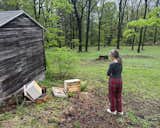
However, even with meticulous preparation, external forces can quickly upend the best-laid plans. A dramatic example is the sudden destruction of a newly installed hive by a bear within 36 hours. Such incidents, while devastating, serve as stark reminders that beekeeping is intrinsically linked to the broader ecosystem. Bears, attracted by the sweet scent of honey and brood, are a common challenge in rural and semi-rural areas, necessitating robust protective measures beyond a "saddest fence you’ve ever seen." This early setback, though emotionally taxing, often becomes a crucible for new beekeepers, testing their resolve and forging a deeper, more resilient connection to their charges. The miraculous survival of some bees and the emergence of new brood signal a small victory and transform initial fear into profound affection and determination.
The Rigors of Hive Management: A Weekly Commitment
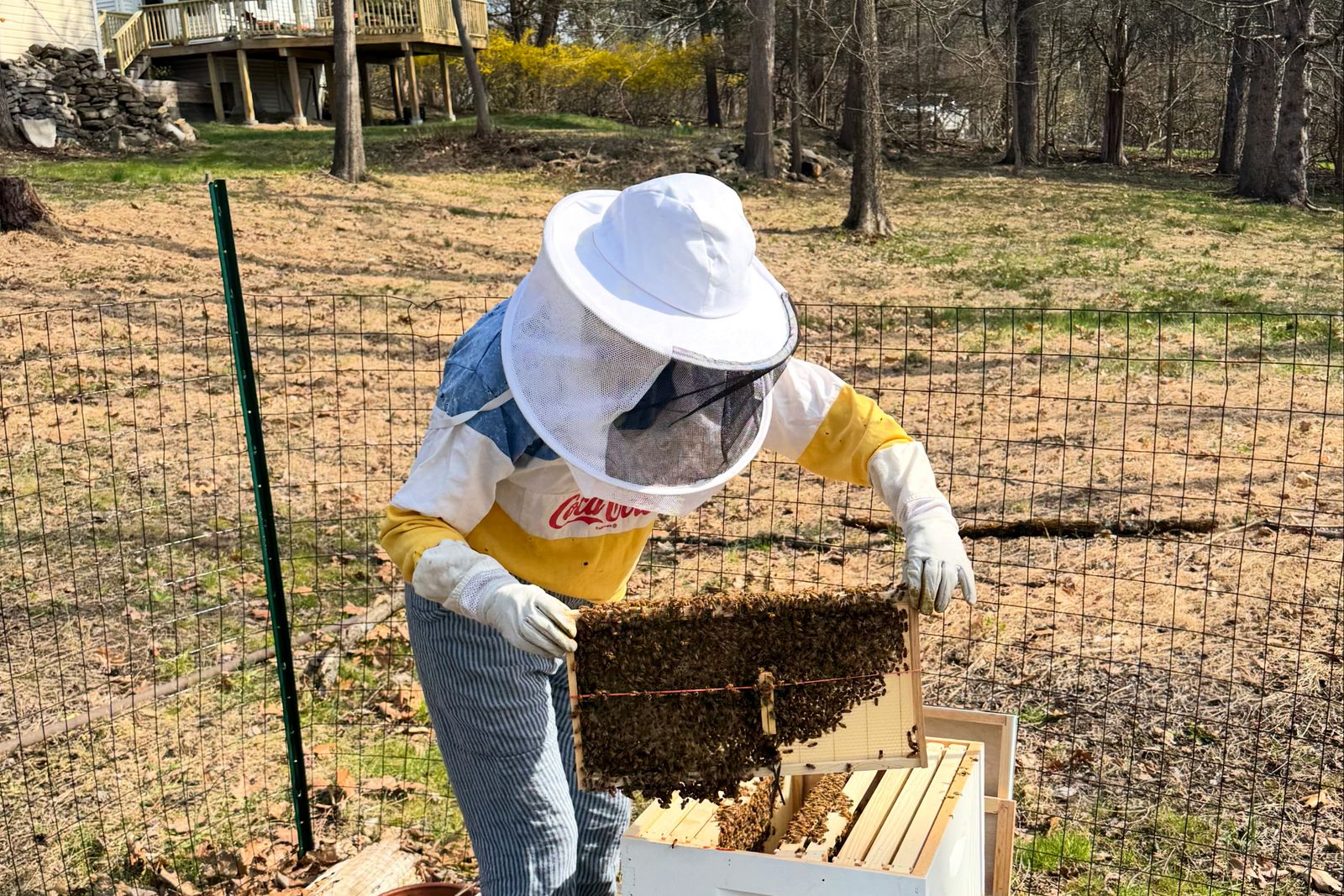
Once a colony is established, successful beekeeping necessitates a consistent and structured approach to hive management. Weekly inspections are paramount, requiring beekeepers to don protective gear—suits, jackets, veils, and gloves—and carefully open the hive using a hive tool and a smoker. The smoker, which emits cool, calming smoke, helps to mask alarm pheromones and encourages bees to engorge themselves on honey, making them less prone to stinging.
During these inspections, beekeepers meticulously check for several critical indicators of colony health:
- Food Stores: Ensuring adequate reserves of honey and pollen, especially during dearth periods or in preparation for winter.
- Brood Pattern: Assessing the queen’s laying pattern by examining eggs, larvae, and pupae, which indicates the queen’s health and the colony’s growth trajectory.
- Signs of Disease or Pests: Vigilantly looking for abnormalities that might indicate American foulbrood, European foulbrood, chalkbrood, or other pathogens.
- Swarming Indicators: Identifying queen cells or crowded conditions that signal the colony’s intent to swarm, a natural reproductive process that can lead to significant honey loss if not managed.
- Varroa Mite Levels: Critically, regular testing for varroa mites is non-negotiable. Common methods include sugar rolls or alcohol washes, which allow beekeepers to estimate mite loads and determine if treatment is necessary. Phillips’s assertion that varroa mites are the "number one killer of bees" is backed by extensive research, with untreated colonies often succumbing within two to three years. Effective mite management, involving various chemical and organic treatments applied strategically throughout the year, is a cornerstone of modern beekeeping.
As the colony thrives and expands, so too do the physical demands. Langstroth hives, the most popular modular system in the U.S., consist of stackable wooden boxes with removable frames. As the bee population grows and honey production increases, additional boxes (supers) must be added, each potentially weighing up to 100 pounds when full of honey. This physical exertion, often under hot, sticky conditions, can be a significant challenge, sometimes requiring an extra set of hands to maneuver heavy boxes filled with tens of thousands of agitated bees. Frank Schellace, a beekeeper, researcher, and artist, candidly warns aspiring beeks: "You’re gonna get sweaty, sticky, and stung," even with full protective gear, underscoring the intensely physical nature of the work.
Essential Toolkit and Community Pillars
Beyond the bees themselves and the hive structure, a comprehensive toolkit is essential for successful beekeeping. This includes:
- Protective Gear: A bee jacket, full suit, or veil, along with robust gloves.
- Hive Tool: A small crowbar-like implement used to pry open sticky frames and boxes.
- Smoker: Crucial for calming bees during inspections.
- Hive Stand: To elevate the hive, protecting it from ground moisture, skunks, and other pests.
- Feeders: For providing supplemental syrup during periods of low nectar flow or when establishing new colonies.
The initial investment in equipment can easily exceed $500 in the first year. Additionally, beekeepers must navigate local regulations, which can include homeowners’ association bylaws or state registration requirements, as in the state where the author resides. Given that bees forage widely, it is also considered good practice to inform neighbors about the new hobby, fostering understanding and potentially even sharing the eventual bounty of honey. Schellace advises patience and education when interacting with neighbors: "Teach them, rather than arguing with them," he suggests, adding that "honey can be a very effective peacemaker."
Perhaps even more critical than physical equipment is the need for companionship and mentorship. The initial one to three years of beekeeping are notoriously challenging, with high rates of colony loss. Both Phillips and Schellace strongly advocate for finding a local mentor. Given that best practices are heavily influenced by local weather, climate, and flora, a nearby mentor who understands the unique conditions of the area is invaluable. Beekeeping clubs, online forums, and local bee supply stores often serve as hubs for this essential community support, providing guidance, resources, and shared experiences that can make the difference between success and repeated failure.
Beyond the Honey: The Profound Upsides and Lifelong Learning
For many new beekeepers, the initial motivation is often the prospect of harvesting fresh, local honey. However, a crucial lesson quickly learned is patience: significant honey yields typically do not occur until the second or even third year of beekeeping. This delay forces a re-evaluation of expectations, shifting focus from immediate gratification to the long-term health and sustainability of the colony. Phillips notes that beekeeping has taught him "patience and compromise," two virtues he admits were initially his "Achilles’ heels."
The rewards of beekeeping extend far beyond the tangible product of honey. It fosters a deep sense of curiosity and continuous learning. Schellace emphasizes that a "much easier time" is had by those "who want to read, and if you look into things." This intellectual engagement is evident in his own work, founding The Traveling Hive, a nonprofit dedicated to fostering inquiry in young learners through workshops, and teaching urban beekeeping at the Brooklyn Botanic Garden. Beekeeping, for many, transcends a mere hobby, evolving into a profound passion and even a profession. Both Phillips and Schellace, who now work with bees full-time, transitioned from other interests—meadmaking for Phillips, art for Schellace—highlighting the captivating nature of these insects. The simple pleasure of observing the hive, a practice Phillips enjoys with a scotch in hand, speaks to the meditative and deeply satisfying connection beekeepers forge with their colonies.
The annual cycle of beekeeping brings its own set of challenges and triumphs. Surviving the harsh winter months, often a period of high colony loss, is a significant milestone. The sight of a few bees emerging on a warm March day, after months of snow and uncertainty, is a powerful affirmation of life and resilience. However, even apparent survival can mask underlying issues, as "hive death doesn’t look like you think it will," with queenless colonies sometimes clinging on precariously. The arrival of a new package in spring signifies both a fresh start and the continuation of the endless learning process, often accompanied by the inevitable sting – a badge of honor for the dedicated "beek."
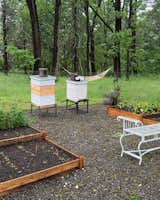
Broader Implications and the Future of Apiculture
The growth of backyard beekeeping holds significant implications for both environmental conservation and community resilience. By establishing localized populations of pollinators, hobby beekeepers contribute directly to the health of local ecosystems, supporting biodiversity and enhancing the yield of nearby gardens and agricultural plots. This distributed network of small-scale beekeepers complements larger commercial operations, offering a vital buffer against the ongoing threats to global bee populations.
Moreover, beekeeping serves as a powerful educational tool, raising awareness about pollinator decline and inspiring broader environmental action. The dedication required fosters a deeper appreciation for the interconnectedness of natural systems and the delicate balance of ecological health. As climate change continues to impact floral availability and seasonal patterns, and as pesticide regulations remain a point of contention, the knowledge and vigilance of individual beekeepers become increasingly important. Their efforts, combined with scientific research and policy changes, are crucial for securing the future of these indispensable insects. The journey of a single "beek" in the Hudson Valley, from urban transplant to dedicated hive steward, mirrors a larger movement towards ecological responsibility and a deeper, more hands-on engagement with the natural world.