admin
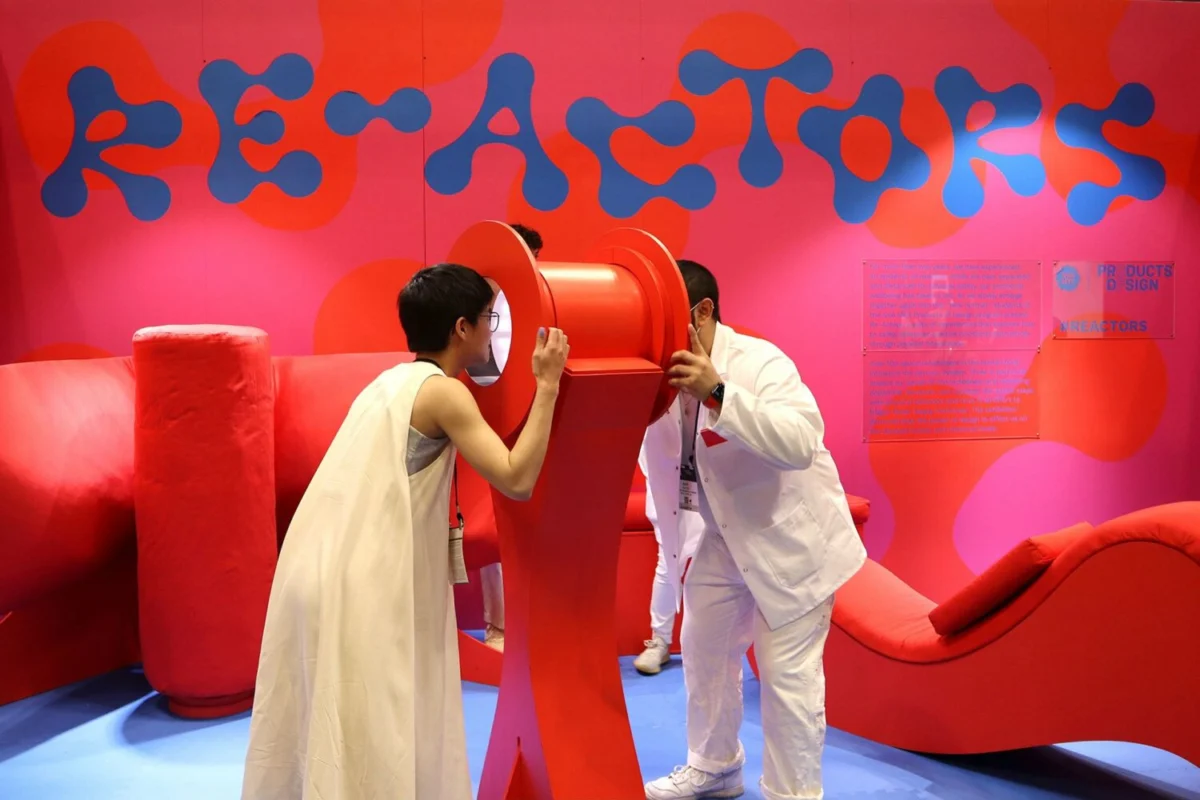
The 26th edition of Dutch Design Week (DDW) has concluded in Eindhoven, marking a significant milestone for Northern Europe’s largest design event by hosting more than 2,500 designers. This year’s festival, centered on the provocative theme "Rebel Authentic Worth" (R.A.W.), served as a critical platform for both established industry leaders and emerging graduates to showcase work that prioritizes experimentation, material inquiry, and radical imagination. As global industries increasingly pivot toward AI-driven optimization and aesthetic perfection, DDW 2026 positioned itself as a counter-movement, emphasizing the "unpolished" and the "experimental" as essential components of modern economic and cultural value.
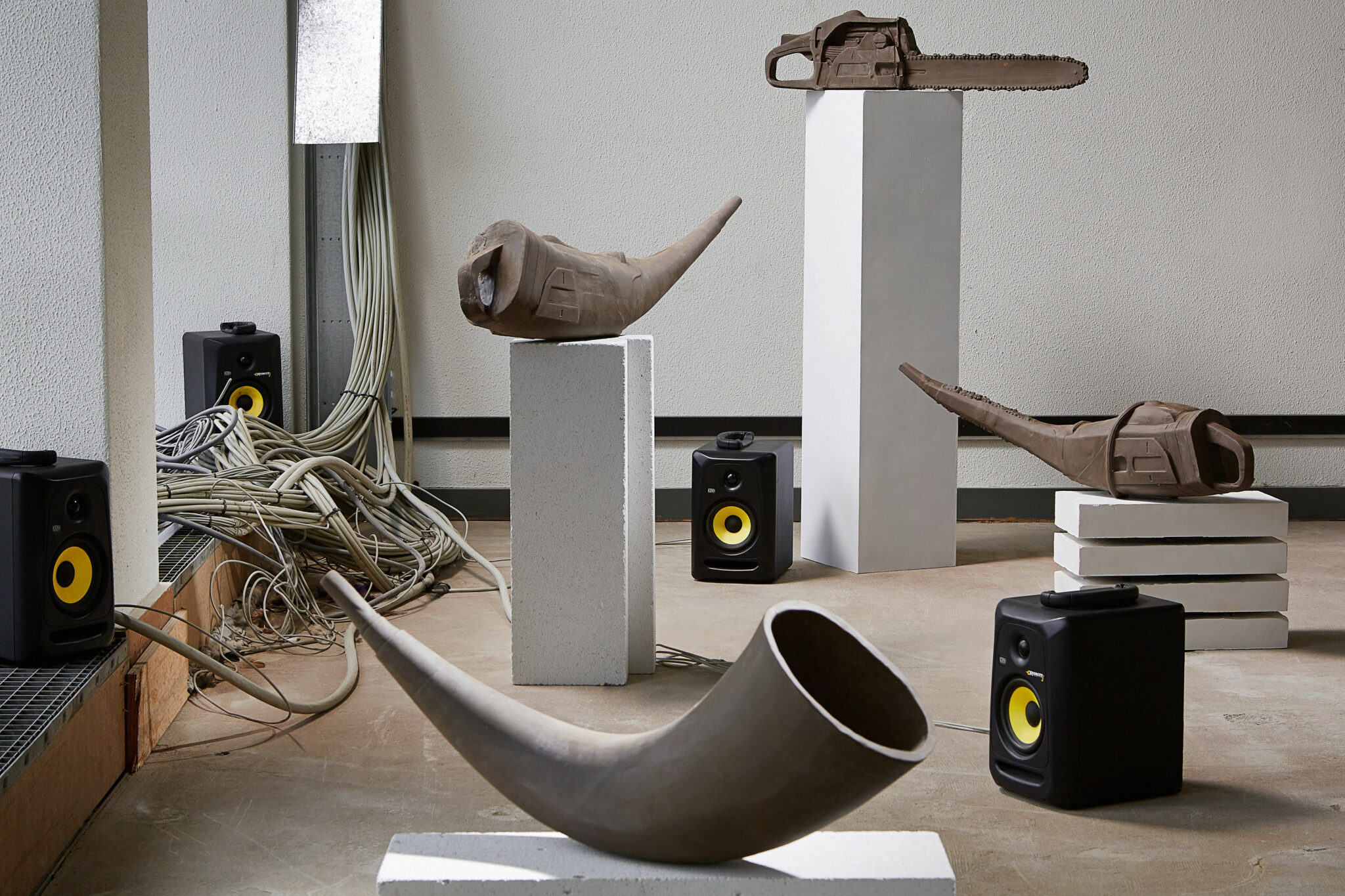
The event took place across dozens of locations in Eindhoven, a city that has transitioned from an industrial manufacturing hub to a global center for "Brainport" innovation. This year’s theme, R.A.W., was specifically designed to address the growing sense of uncertainty surrounding rapid technological advancement. By focusing on the "rebel" aspect of design, curators encouraged participants to challenge existing systems, offer alternative perspectives on sustainability, and navigate the complexities of a world increasingly mediated by digital interfaces.
A Legacy of Innovation: Contextualizing Dutch Design Week
Dutch Design Week has evolved significantly since its inception in the late 1990s as "Day of Design." What began as a local opportunity for businesses to meet designers has transformed into a nine-day international phenomenon that attracts an estimated 350,000 visitors annually. The 2026 edition reinforced Eindhoven’s status as a "living lab," where the boundaries between public space, academic research, and commercial application are intentionally blurred.
Historically, the Dutch government and local municipalities have viewed design as a strategic pillar for economic growth. Data from the Dutch Creative Industries indicates that the sector contributes billions to the national GDP, with design services acting as a primary driver for innovation in sectors ranging from healthcare to urban planning. DDW 2026 capitalized on this infrastructure, providing a venue where "design thinking" is applied to systemic social issues rather than just the creation of consumer goods.
Academic Integrity and Institutional Challenges at Design Academy Eindhoven
The Design Academy Eindhoven (DAE) Graduation Show remained the focal point of the week, offering a comprehensive look at the priorities of the next generation. The 2026 show was characterized by a deep sense of introspection, with projects exploring how tradition can provide a sense of belonging while simultaneously grappling with colonial or nationalist histories.
Nadine Botha, head of the Social Design Master’s program at DAE, noted that this year’s graduates are increasingly acting as cartographers of contradiction. "These projects can be read as maps of how graduates have navigated contradictions and established their bearings," Botha stated. "They are deciding what to attend to, what to carry forward, and which relationships might sustain their work in a volatile market."
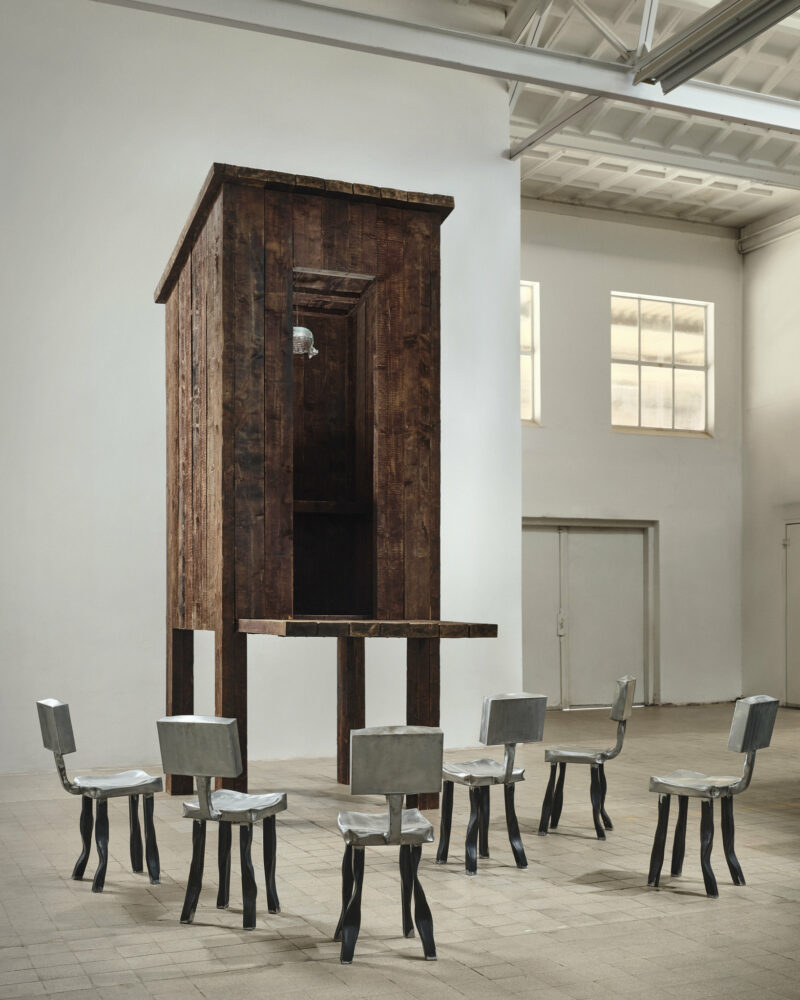
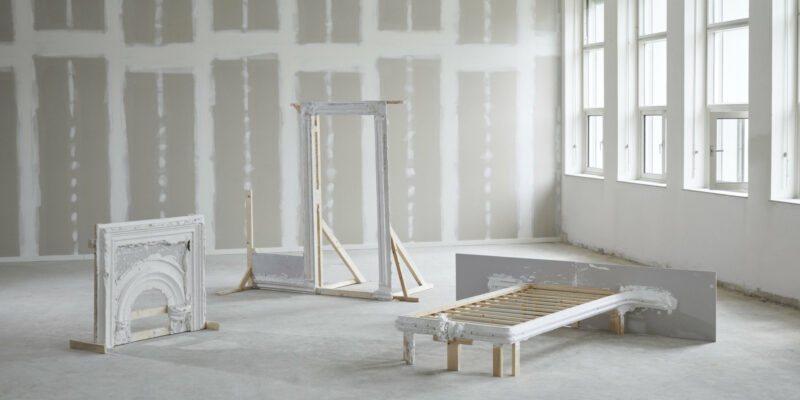
However, the exhibition was also framed by institutional tension. During the week, DAE students engaged in protests regarding school conditions, specifically citing inadequate studio space and limited facilities. This real-world friction added a layer of urgency to projects like Dirk Duif’s ‘Safe House,’ a wooden structure on stilts that explores the concept of sanctuary, and Yann Thiel’s ‘Excess Cornice,’ which examines architectural fragments and the surplus of the built environment. The protests highlighted a growing disconnect between the high international profile of Dutch design education and the practical resource constraints faced by students.
Public Safety and the Psychology of Surveillance
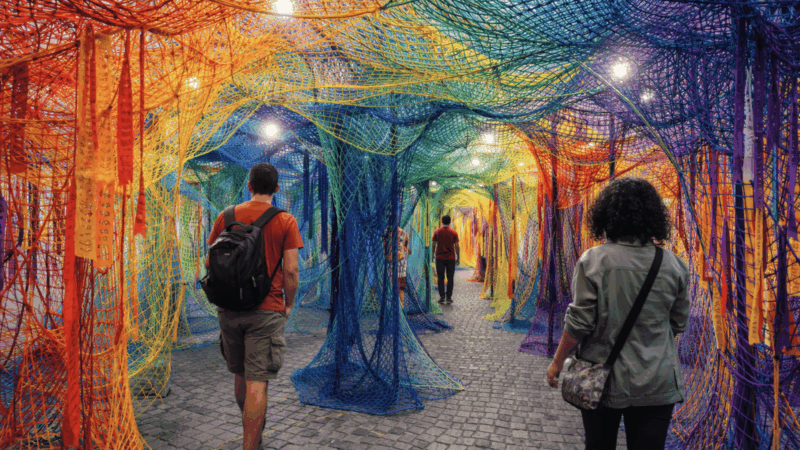
Large-scale public installations played a crucial role in the 2026 program, taking design out of the gallery and into the streets. One of the most discussed projects was "Blind Spots," a collaboration between Fairspace, Studio Shruthi Venkat, and Sagitta Creatives.
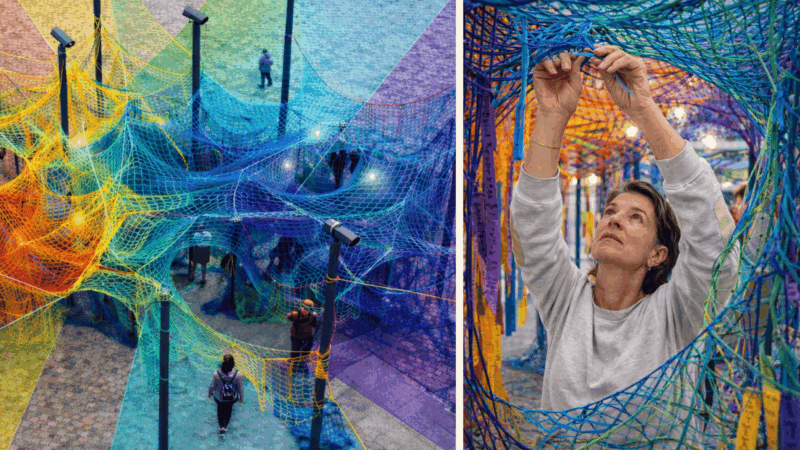
The installation utilized familiar symbols of urban security—surveillance cameras, monitors, and construction netting—to ask a fundamental question: "Who is safety built for?" By creating a labyrinth of overlapping mesh, the designers forced visitors to confront how sightlines are obscured and monitored in public life. The project functioned as a collective record; visitors tied written accounts of their personal safety experiences to the nets, creating a physical manifestation of the diverse and often conflicting ways individuals navigate urban environments. This data-driven approach to social design highlighted how "security" for one demographic can result in "surveillance" for another.
Material Bio-Innovation: The Case for Insect-Produced Resin
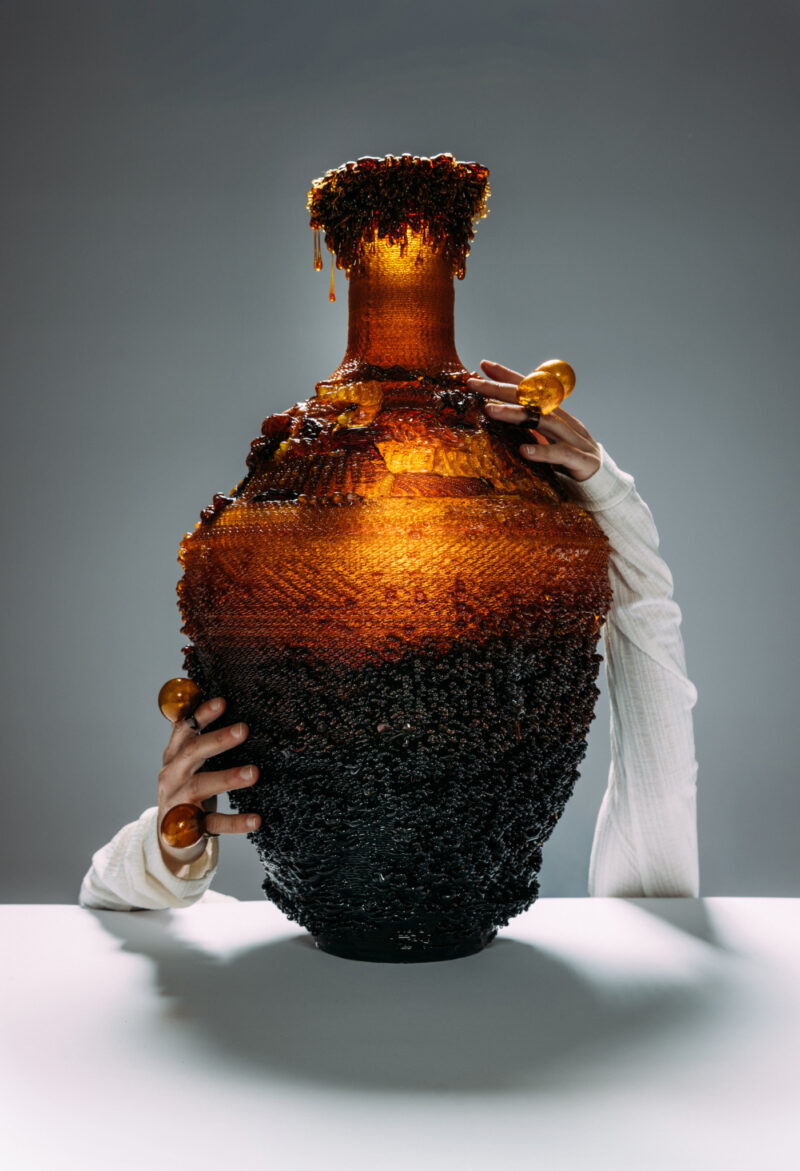
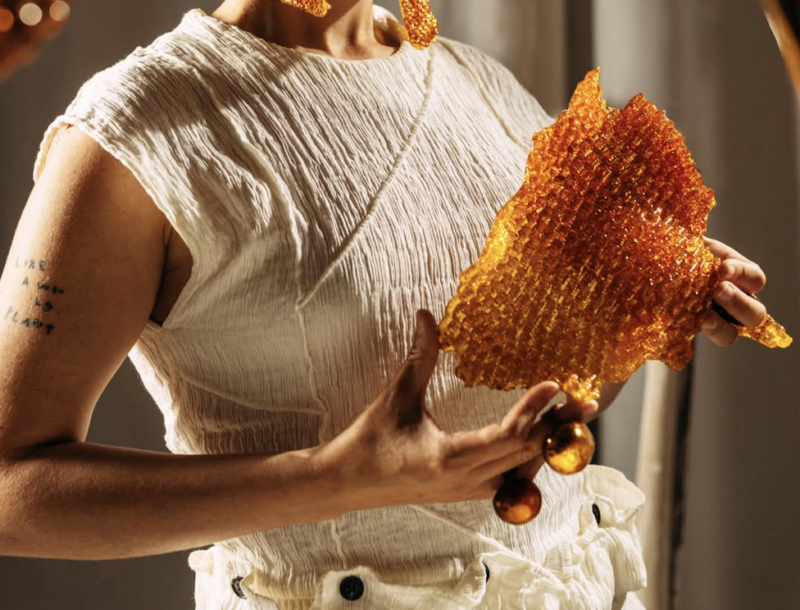
Material research was a cornerstone of the R.A.W. theme, with Ori Orisun Merhav’s "Woven Landscapes" standing out as a prime example of "other-than-human" collaboration. Merhav, the founder of the "Made by Insects" practice, presented sculptural forms created from woven palm fibers coated in lac—a natural resin secreted by specific insect species.
Merhav’s work represents a shift away from synthetic polymers toward biological processes. "The main practice of the studio is research," Merhav explained. "The sculptures are the leftovers, segments of the time and journey of our research." This approach suggests a future where objects are not just manufactured but are grown or harvested through symbiotic relationships with the natural world. Analysts at the festival noted that such research is vital as the European Union continues to tighten regulations on single-use plastics and chemical resins, pushing the design industry toward regenerative material sources.
Domesticity and the Accessibility of Joy
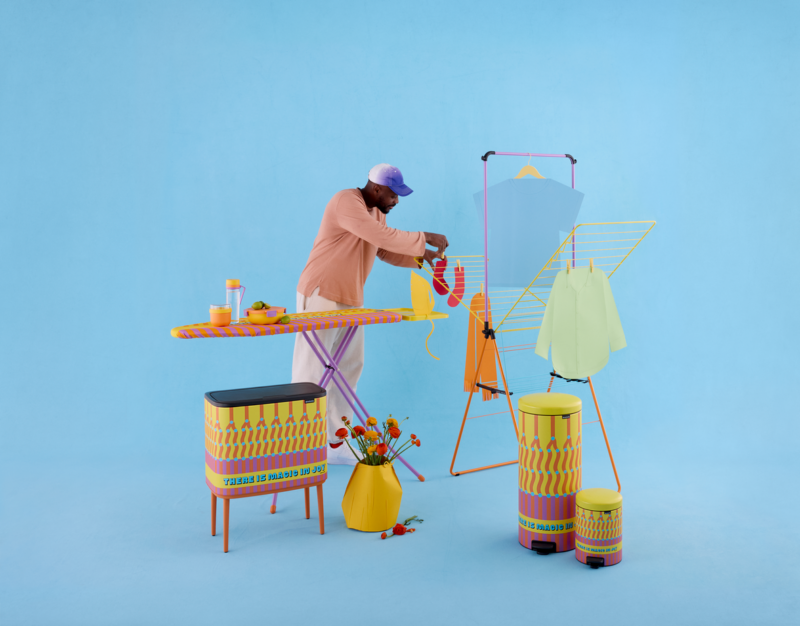
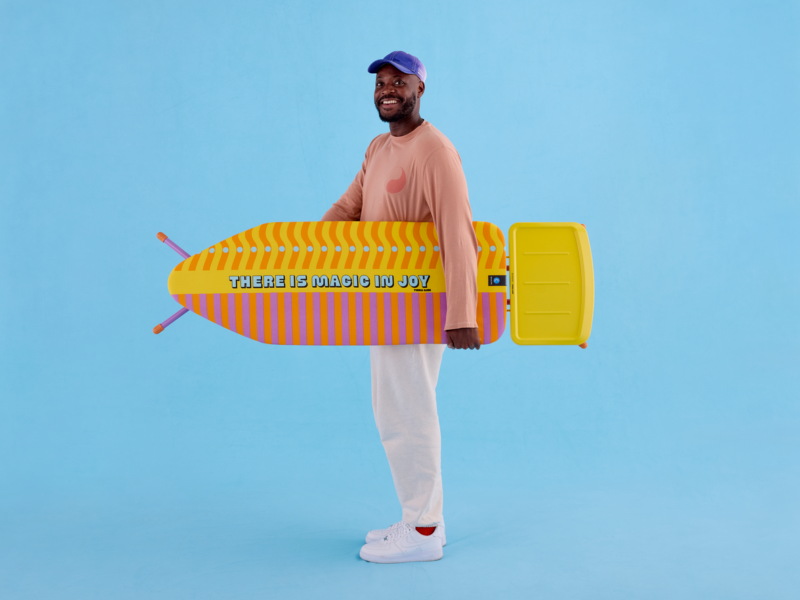
In contrast to the more somber, research-heavy installations, British-Nigerian designer Yinka Ilori’s collaboration with Brabantia brought a vibrant, populist energy to the event. The "There Is Magic in Joy" collection transformed mundane household items—ironing board covers, waste bins, and laundry racks—into bold, graphic design objects.
Ilori, known for his work in architecture and furniture, applied a sherbet-toned palette of orange, lemon, and raspberry to the collection. His mission was to democratize design by making it accessible within the home. "At the heart of my work is a belief that art and design should be accessible to all, with projects that bring communities together and create a positive social impact," Ilori said. This collaboration underscored a significant trend at DDW 2026: the "emotional economy," where the value of a product is measured by its ability to improve the user’s mental well-being and daily experience.
Automation and the Future of Housing
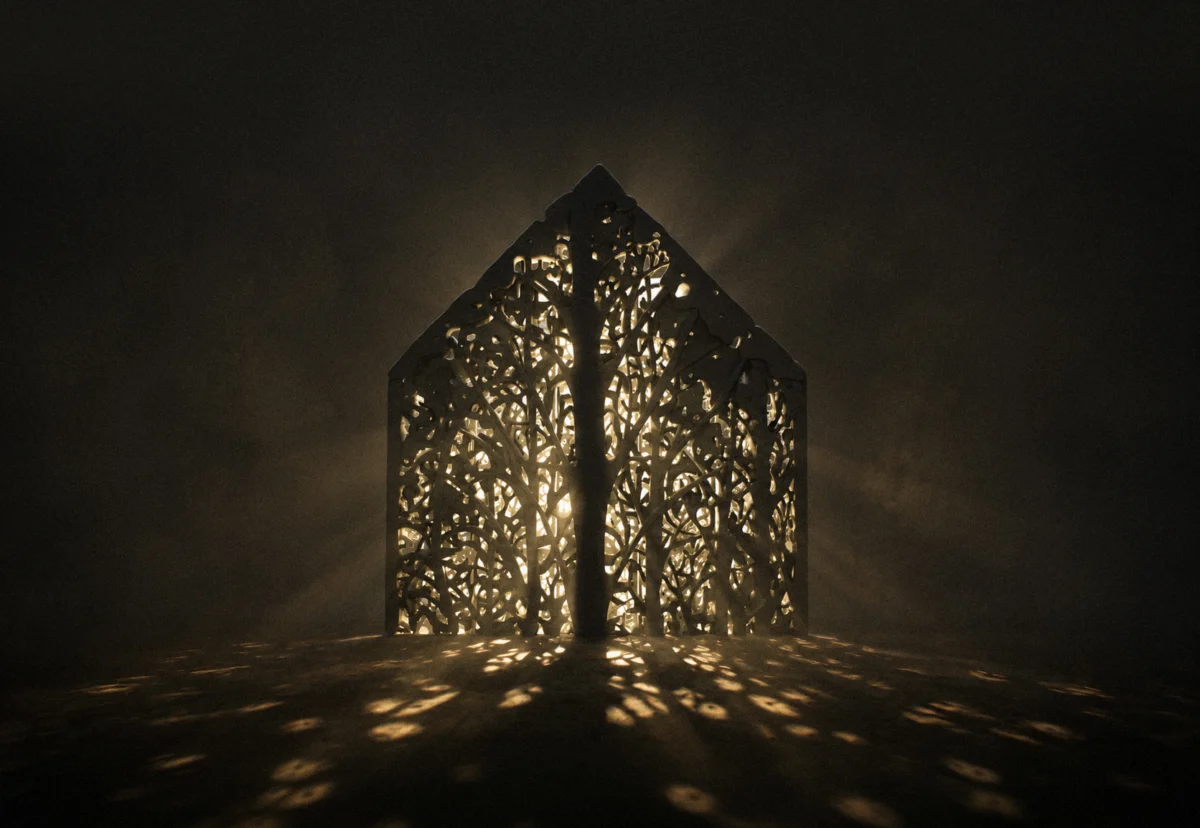
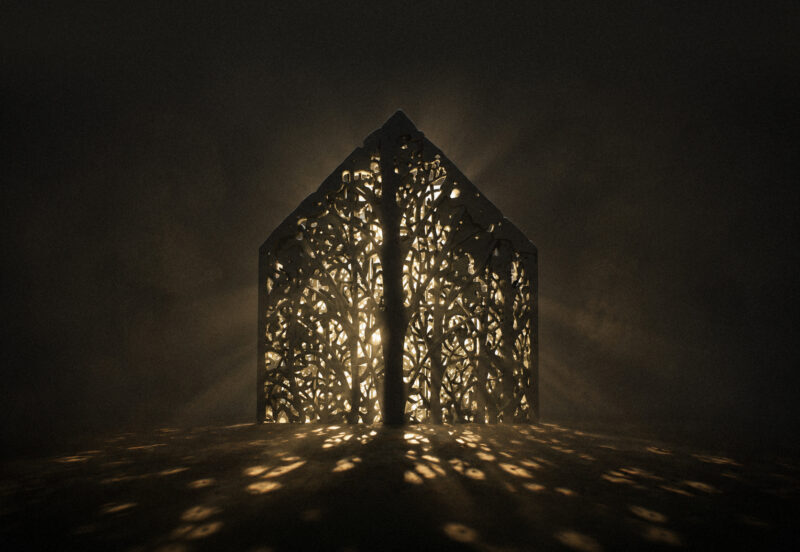
Eindhoven-based TAM Industries utilized the festival to showcase the architectural potential of 3D printing. Their "House of Lights" installation demonstrated how automated construction could move beyond the "box-like" constraints of traditional prefabrication.
Printed from recycled plastic, the structure featured intricate, tree-like cutouts and integrated color directly into the printing process, eliminating the need for toxic paints or finishes. The project also addressed the end-of-life cycle for buildings, proposing a model where a house could be ground down and re-printed as a new structure. This circular approach to construction is particularly relevant given the global housing crisis and the construction industry’s massive carbon footprint, which accounts for nearly 40% of global energy-related CO2 emissions.
The Intersection of Technology, Memory, and Intimacy
As digital saturation reaches an all-time high, several exhibits explored the ethics of intimacy in the age of AI. "Code 2026: Terms of Intimacy," presented by Impakt – Centre for Media Culture, featured seven works examining biometric consent and AI companionship.
The exhibition translated abstract concerns about data privacy into physical experiences, such as Simon Pillaud’s "The Affirmation Machine." These works collectively questioned whether technologies promising greater connection are actually reshaping human psychology and the nature of autonomy.
Simultaneously, "The DIRT" (Dutch Institute of Royal Taste) presented "The Ashtray, the Cupboard, and the Leather Boots," an exhibition that looked backward rather than forward. By interviewing women about their most treasured, low-value possessions, designers Florine van Rees and Jeroen Dijkstra explored why certain objects become irreplaceable. Projects like Stina Henriksson’s "Ritual Remains" and Lotte Raida’s "Slaapzak Kast" (Sleeping Bag Cupboard) argued that the true value of design lies in its ability to hold memory and facilitate ritual, a quality that remains difficult for AI to replicate.
Transportation and the Subversion of Efficiency
Perhaps the most "rebel" of the highlights was Gijs Schalkx’s "Onderweg naar een toekomst" (On the Way to a Future). Schalkx presented a series of functioning vehicles—including a motorcycle powered by swamp gas and a car running on waste plastic—that intentionally fall "outside the logic of usefulness."
Schalkx’s work serves as a critique of the "black box" nature of modern technology, where users are disconnected from the energy sources and infrastructures that sustain their lives. "Technology is often presented as infallible, fast, and efficient," Schalkx noted. "I try not to reject it, but to rearrange it." By building slow, high-maintenance, but transparent machines, Schalkx forces a re-evaluation of what "progress" actually means in a resource-constrained world.
Broader Impact and Implications for the Global Design Landscape
The conclusion of Dutch Design Week 2026 leaves the global design community with a clear mandate: to move beyond the superficial and engage with the "R.A.W." realities of the current era. The data gathered from the event suggests a growing appetite for "low-tech" solutions, material honesty, and design that addresses the "unpolished" aspects of human existence.
Industry analysts suggest that the themes seen in Eindhoven will likely influence the upcoming Salone del Mobile in Milan and London Design Festival, particularly regarding the use of bio-resins and the integration of recycled materials in 3D printing. Furthermore, the emphasis on "emotional durability"—the idea that objects should be designed to be kept and cherished rather than replaced—aligns with emerging "Right to Repair" legislation across Europe.
Ultimately, DDW 2026 proved that design is no longer just about the creation of beautiful things; it is a critical tool for survival and sense-making in a complex world. By embracing the "rebel" and the "authentic," the designers in Eindhoven have provided a blueprint for an industry that is increasingly aware of its social and environmental responsibilities. As the 26th edition fades into the city’s history, the radical imagination it sparked will likely serve as a beacon for the next decade of global innovation.