admin
admin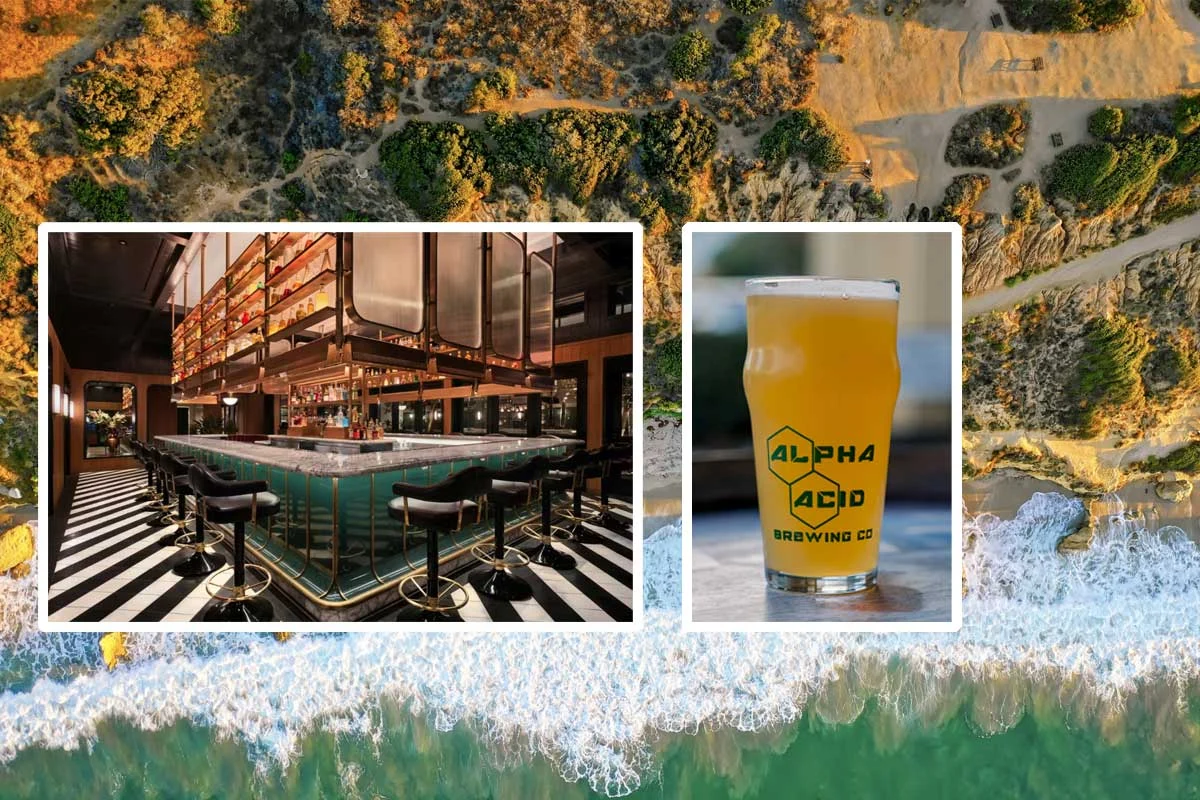
The geographic corridor stretching south from San Francisco toward Silicon Valley has historically been defined by its role as a transit artery and a hub for the global technology industry. However, a significant cultural and economic shift is transforming the 30-mile expanse of San Mateo County into a premier destination for craft fermentation. Along a specific segment of Highway 101, stretching from the transit-oriented developments of Burlingame down to the historic center of Redwood City, a sophisticated beer trail has emerged. This development reflects broader trends in the California craft beer industry, which contributed approximately $9.1 billion to the state’s economy in recent years, according to data from the Brewers Association. As urban centers become increasingly saturated, the "western bayfront" of the San Francisco Peninsula has become a fertile ground for independent brewers seeking to blend industrial production with high-concept hospitality.
The Evolution of the Peninsula’s Craft Beverage Landscape
The maturation of the Peninsula beer scene is not an overnight phenomenon but the result of a decade-long evolution in land use and consumer demand. For years, the region’s craft beer identity was overshadowed by the historic legacies of San Francisco’s Anchor Brewing and the North Bay’s Russian River Brewing Company. However, as the Caltrain corridor underwent significant redevelopment to accommodate a growing workforce of high-earning professionals, the demand for localized, high-quality "third spaces"—environments outside of home and work—increased.
In Burlingame, this evolution is epitomized by Twelvemonth, a multifaceted complex that occupies a former brewery site. Led by Bob Trahan, a former technology executive who transitioned into the culinary arts, Twelvemonth represents a synthesis of the Peninsula’s two primary identities: technical precision and lifestyle innovation. The facility serves as a plant-based restaurant, bakery, and taproom, signaling a shift toward inclusive dining experiences. By offering a curated selection of regional benchmarks, such as Russian River’s Pliny the Elder and lagers from Richmond-based East Brother Beer Co., Twelvemonth functions as a gateway for the Peninsula trail, connecting the local palate to the broader Northern California brewing tradition.
Industrial Innovation in Belmont and San Carlos
Moving south into the industrial sectors of Belmont and San Carlos, the beer trail takes on a more production-focused character. This area, characterized by the Harbor Business Center and similar light-industrial zones, has allowed brewers to operate in spaces that accommodate large fermentation tanks while maintaining proximity to residential populations.
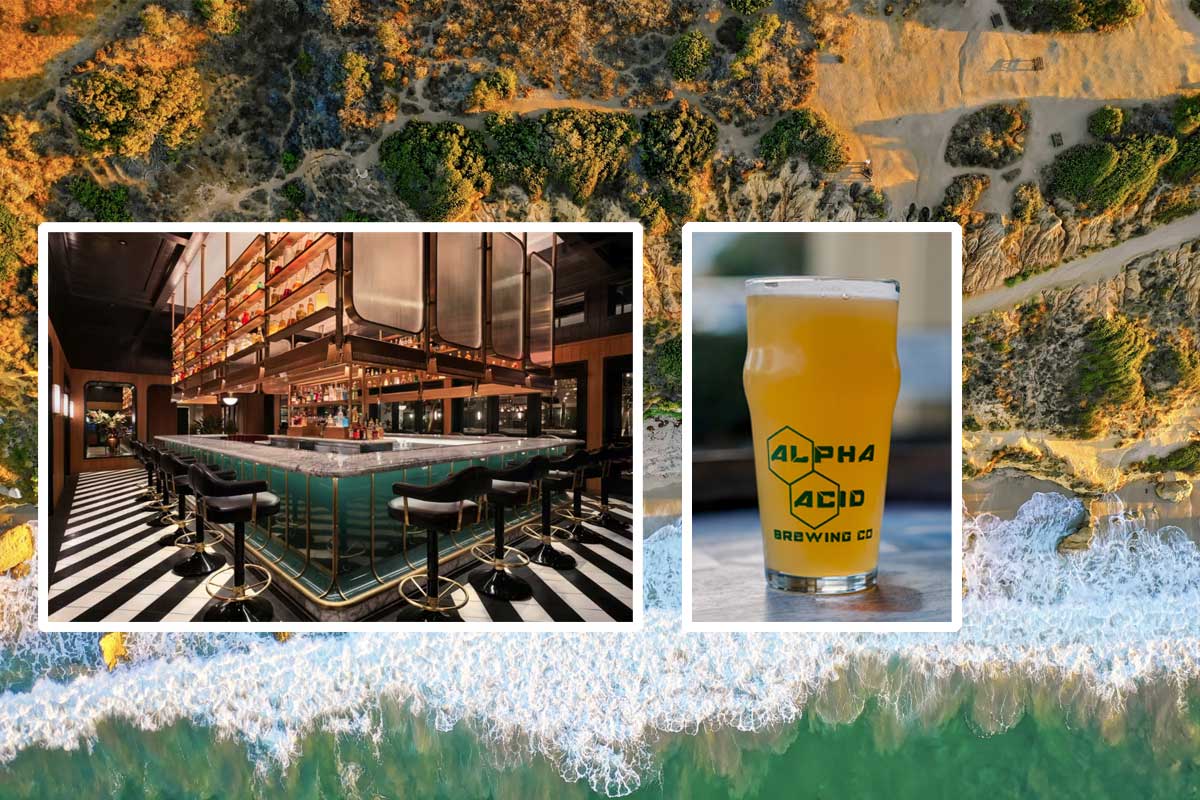
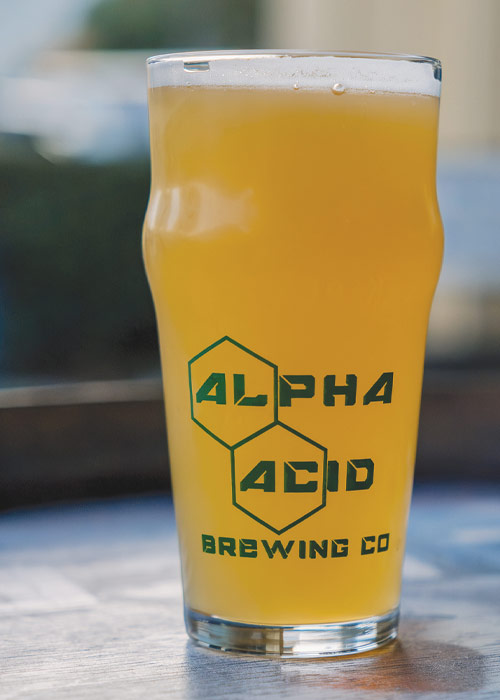
Alpha Acid Brewing Company, established in Belmont in 2014, serves as a primary example of this industrial-to-consumer model. The brewery has built its reputation on a rotating portfolio that emphasizes the chemical complexity of hops—the "alpha acids" for which the company is named. Their production strategy involves a blend of accessible styles, such as the La Chulita Mexican Lager, and highly specialized offerings. Data from the craft beer sector indicates a rising consumer interest in "hazy" or New England-style IPAs, a trend Alpha Acid has capitalized on with its "May The Haze Be With You" series. Furthermore, their foray into barrel-aged stouts and barleywines, such as the 10.2% ABV Flying Dutchman, demonstrates the technical proficiency required to compete in a market where consumers increasingly value "limited release" and "small-batch" designations.
Adjacent to Belmont, the city of San Carlos has seen its own brewing renaissance, led by Blue Oak Brewing Co. This facility highlights the industry’s shift toward experiential taprooms, featuring expansive indoor-outdoor spaces that cater to the region’s temperate climate. Blue Oak has distinguished itself through its focus on sour ales and experimental fermentation. By utilizing thiolized yeast—a bioengineered or specifically selected yeast strain designed to unlock tropical aromatic compounds—Blue Oak’s "Hello Motueka" Hazy IPA represents the cutting edge of brewing science. This focus on "biotransformation" in brewing is a burgeoning field that aligns well with the Peninsula’s culture of scientific inquiry and innovation.
Redwood City: The Southern Anchor of the Trail
Redwood City serves as the southern terminus of this 30-mile trail, offering a dense concentration of establishments that range from modern brewpubs to traditional European-style halls. The city’s development strategy has long focused on revitalizing its downtown and peripheral shopping centers through diverse culinary offerings.
Ghostwood, located in the heart of Redwood City, operates as a neighborhood-centric brewpub. Its success with the "Extra Crispy" American lager—a style that has seen a resurgence as craft drinkers move toward "cleaner" and more sessionable profiles—highlights the importance of accessibility in the craft market. Ghostwood’s model integrates social entertainment, such as trivia and gaming, with high-level production, including "Serial Chiller," a Cold IPA. The Cold IPA style is a relatively recent industry innovation, utilizing lager yeast at higher temperatures to produce a crisp, hop-forward beverage that differentiates itself from traditional West Coast or Hazy IPAs.
Further toward the Marsh Manor Shopping Center, Freewheel Brewing Company offers a distinct contrast to the hop-heavy American styles found elsewhere on the trail. Since 2012, Freewheel has specialized in English cask ales, a method of production where beer undergoes a secondary fermentation in the container from which it is served. This results in a naturally carbonated, slightly warmer, and softer mouthfeel. The presence of Freewheel’s "Big V Amber" and its nitro-pour stouts addresses a specific market niche—expatriates and traditionalists seeking the "real ale" experience common in the United Kingdom but rare in the United States.
The Influence of Traditionalism and Gastronomy
The Peninsula beer trail is not solely defined by modern American craft innovations. Gourmet Haus Staudt in Redwood City provides a critical link to the historical foundations of brewing. As a classic Bavarian Bierstube, it serves as one of the largest purveyors of Weihenstephaner—the world’s oldest continuously operating brewery—in the Western Hemisphere. This establishment functions as both a retail market and a social hub, providing a benchmark for quality that informs the surrounding craft culture.
The integration of world-class gastronomy further elevates the region’s standing. State of Mind Public House and Pizzeria, located near Freewheel Brewing, exemplifies the "beer and pizza" synergy that has become a staple of the American craft movement. Under the direction of Lars Smith, an award-winning member of the U.S. Pizza Team, the establishment pairs artisanal pies with a rotating draft list that highlights the best of California’s independent breweries. This focus on high-quality food pairings is a significant driver of foot traffic and "destination" tourism for the Peninsula.
Economic and Regional Implications
The growth of the San Francisco Peninsula beer trail has broader implications for regional planning and economic development. According to industry analysts, the "brewery effect" often leads to increased property values and serves as a catalyst for further retail development in formerly neglected industrial areas. In San Mateo County, the proximity of these breweries to Caltrain stations aligns with transit-oriented development goals, encouraging "car-free" tourism and reducing the environmental impact of regional travel.
From a business perspective, the breweries on this trail represent a resilient segment of the small business economy. Despite challenges such as rising ingredient costs and shifts in consumer habits, the Peninsula’s brewers have adapted by diversifying their offerings to include non-alcoholic options, gluten-reduced beers, and high-end food programs. The collaboration between these establishments—often referred to as "co-opetition"—helps to solidify the region’s reputation, drawing visitors who might otherwise limit their excursions to San Francisco or San Jose.
Conclusion: A Maturing Ecosystem
The 30-mile stretch between Burlingame and Redwood City is no longer merely a corridor for commuters; it is a maturing ecosystem of craft production and culinary experimentation. By leveraging the region’s unique industrial spaces, tech-driven precision, and diverse consumer base, these breweries have created a distinct "Peninsula style" that balances innovation with tradition. As the California craft beer market continues to stabilize, the San Francisco Peninsula stands as a model for how suburban and satellite cities can cultivate a vibrant, independent beverage culture that contributes to both the local economy and the regional identity. The success of landmarks like Twelvemonth, Alpha Acid, and Freewheel suggests that the future of craft beer in the Bay Area is increasingly moving south, following the tracks and highways that connect the state’s most innovative minds.