admin
admin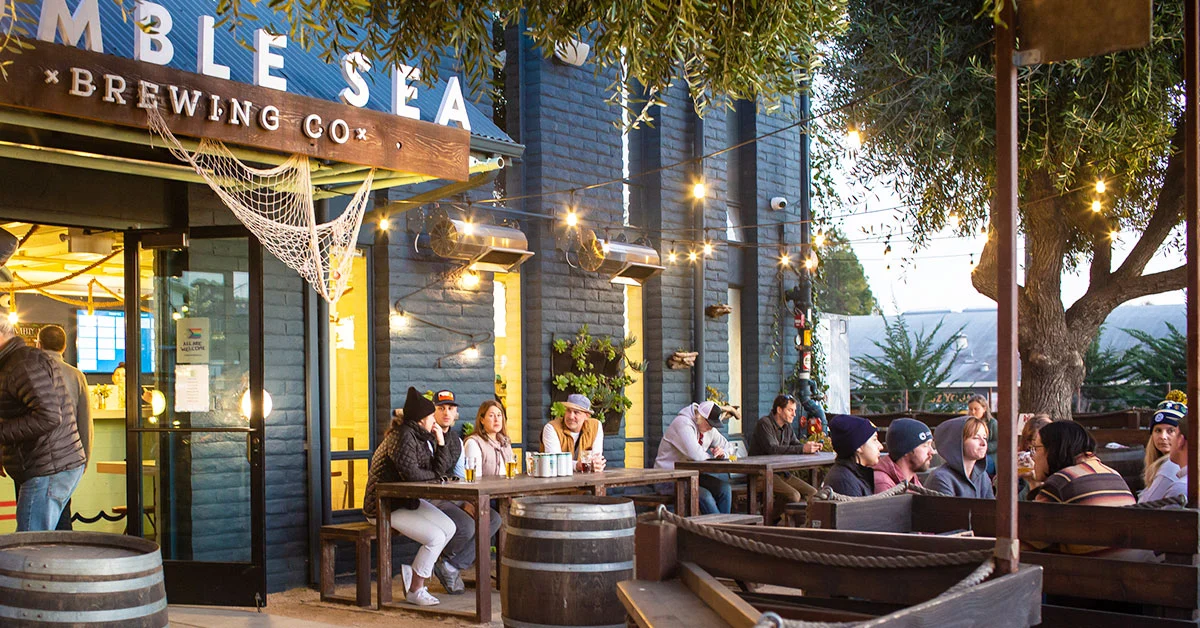
In the contemporary American craft beer landscape, the path to success is rarely a straight line. For many startup breweries, the initial vision—often born of a brewer’s personal passion for specific styles—must eventually collide with the hard realities of consumer demand, regional demographics, and fluctuating market trends. As the industry matures and faces increasing competition from spirits, seltzers, and non-alcoholic alternatives, breweries like Sunriver Brewing in Oregon and Humble Sea Brewing Co. in California serve as primary examples of how strategic pivots and a return to "flagship" branding are becoming essential for survival in a volatile economy.
The Genesis of Strategic Brewing: From Local Pubs to Regional Distribution
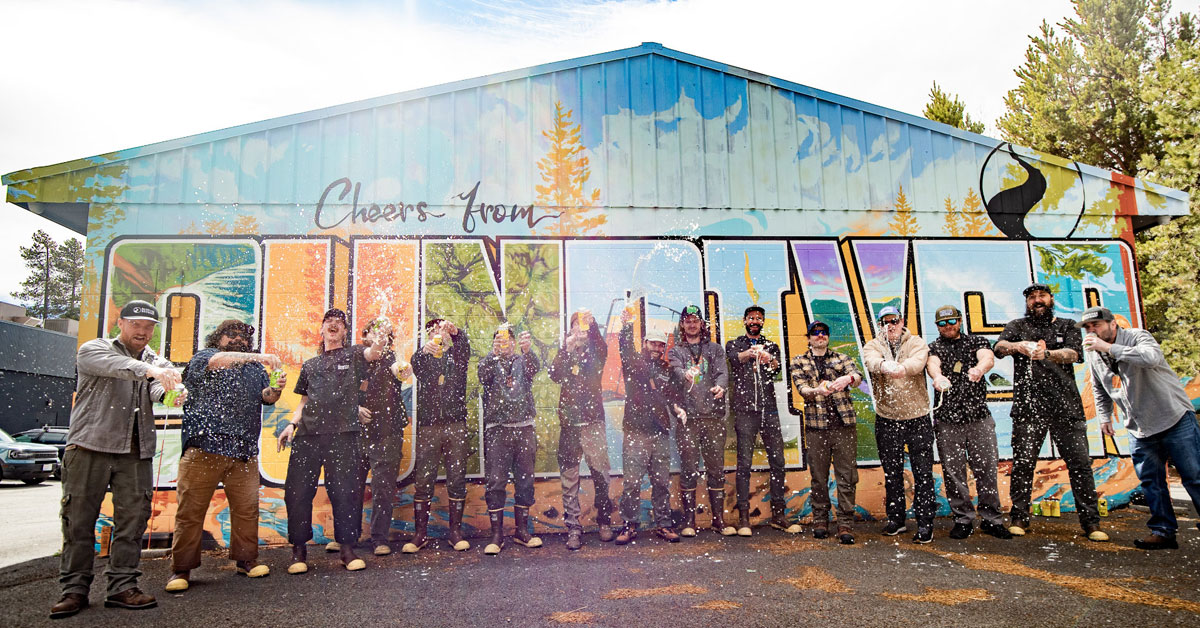
The history of Sunriver Brewing Company, established in 2014 in the resort community of Sunriver, Oregon, illustrates a common trajectory for craft breweries. Initially, the brewery’s production was dictated entirely by its immediate environment. Head brewer Brett Thomas notes that the original lineup was designed for a transient tourist demographic. Sunriver, a town with a permanent population of roughly 2,000, frequently swells to 15,000 visitors during peak weekends. To accommodate this "vacation" crowd, the brewery focused on accessible, "entry-level" craft styles: blonde ales, pale ales, amber ales, and stouts.
This approach was a calculated move to capture the "pub-oriented" consumer who might not be a dedicated "beer nerd" but seeks a reliable, local experience. However, as Sunriver Brewing gained traction and attracted the interest of regional wholesalers, the brewery faced a new challenge: evolving its portfolio to remain competitive on crowded retail shelves while maintaining the loyalty of its base. This transition forced the brewery to find a "sweet spot" between experimental, cutting-edge releases and the approachable styles that built their initial reputation.
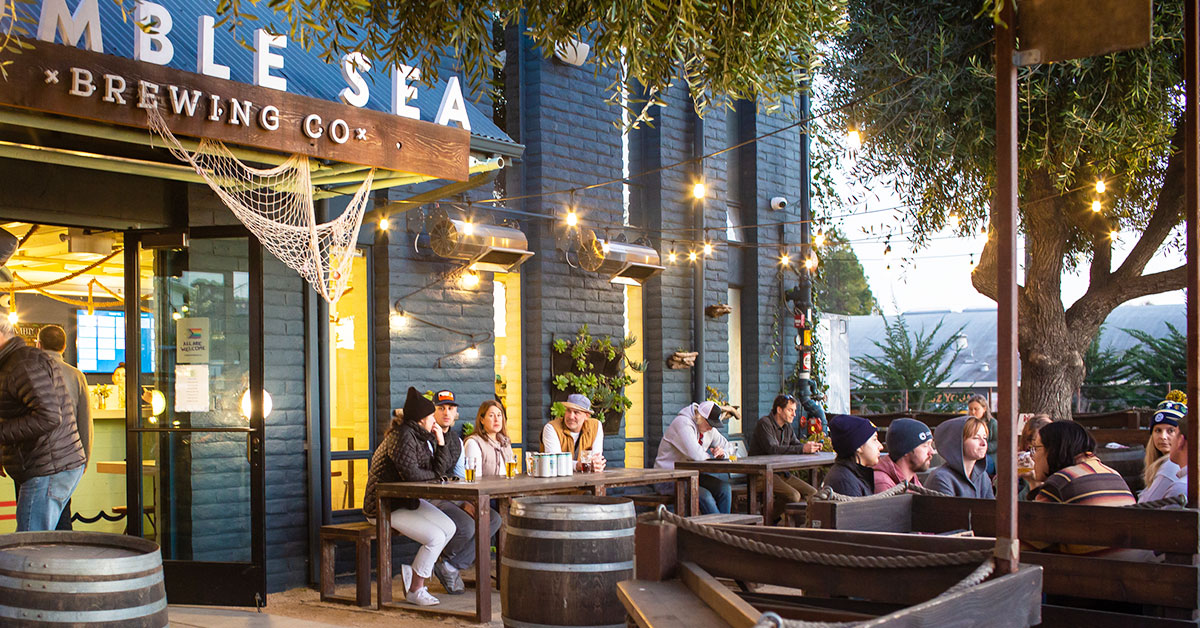
Similarly, Humble Sea Brewing Co., founded in Santa Cruz, California, in 2015, experienced a significant disconnect between their founding passion and market reality. Cofounder Frank Scott Krueger notes that the team originally intended to be a "lager-first" brewery. In 2015, however, the California market was firmly gripped by the "hop revolution." Lagers, while beloved by brewers for their technical difficulty and clean profiles, had not yet achieved the "cool factor" required to sustain a new business. To ensure the brewery’s financial viability, Humble Sea pivoted toward "foggy" (hazy) IPAs, a move that eventually defined their brand and allowed them to scale.
Market Data and the Shift Toward Hop-Forward Dominance
The pivot toward IPAs seen at Humble Sea and Sunriver is supported by broader industry data. According to the Brewers Association, India Pale Ales (IPAs) continue to dominate the craft beer sector, often accounting for nearly 40% of all craft beer sales in the United States. Within that category, the rise of the Hazy or New England IPA (NEIPA) in the mid-to-late 2010s revolutionized the market. These beers, characterized by low bitterness and intense fruit aromas, appealed to a wider demographic than the resinous, bitter West Coast IPAs of the early 2000s.
At its peak, Humble Sea reported that 95% of its production was focused on hoppy styles. This saturation was a necessity of the "ticker" culture—a segment of consumers who use apps like Untappd to track and rate every new beer they try. This demographic demands constant novelty, forcing breweries into a cycle of "one-off" releases. While this drives initial excitement and taproom traffic, it creates significant operational strain, requiring breweries to constantly source new hops, design new labels, and manage complex inventory.
Regional Nuance and Demographic Tailoring
As breweries expand, they often discover that consumer preferences are not monolithic; they are deeply tied to geography. Humble Sea’s expansion into multiple taprooms across Northern California revealed distinct "micro-markets." In their Pacifica location, West Coast IPAs—known for their clarity and bitterness—remain the top sellers. In Santa Cruz, the market has shifted toward Pilsners and lagers, reflecting a more relaxed, coastal drinking culture. Meanwhile, their Alameda location attracts a "beer nerd" demographic that gravitates toward high-gravity offerings like triple and quadruple IPAs.
Sunriver Brewing has adopted a similar multi-tier strategy to address diverse consumer needs. Their "Coolwater" American light lager serves as a bridge for traditional beer drinkers and tourists, while their barrel-aged and wild ale series cater to the high-end, connoisseur market. This diversification is a defensive strategy against "brand fatigue." By offering everything from craft seltzer to complex sour beers, Sunriver ensures it has a "beverage for every need," acknowledging that even the most loyal craft beer fans occasionally seek variety.
The Distribution Dilemma: Navigating the Three-Tier System
One of the most complex hurdles for a growing brewery is managing the conflicting agendas of different sales channels. The "Three-Tier System" in the U.S.—consisting of producers, wholesalers, and retailers—creates a web of competing priorities.
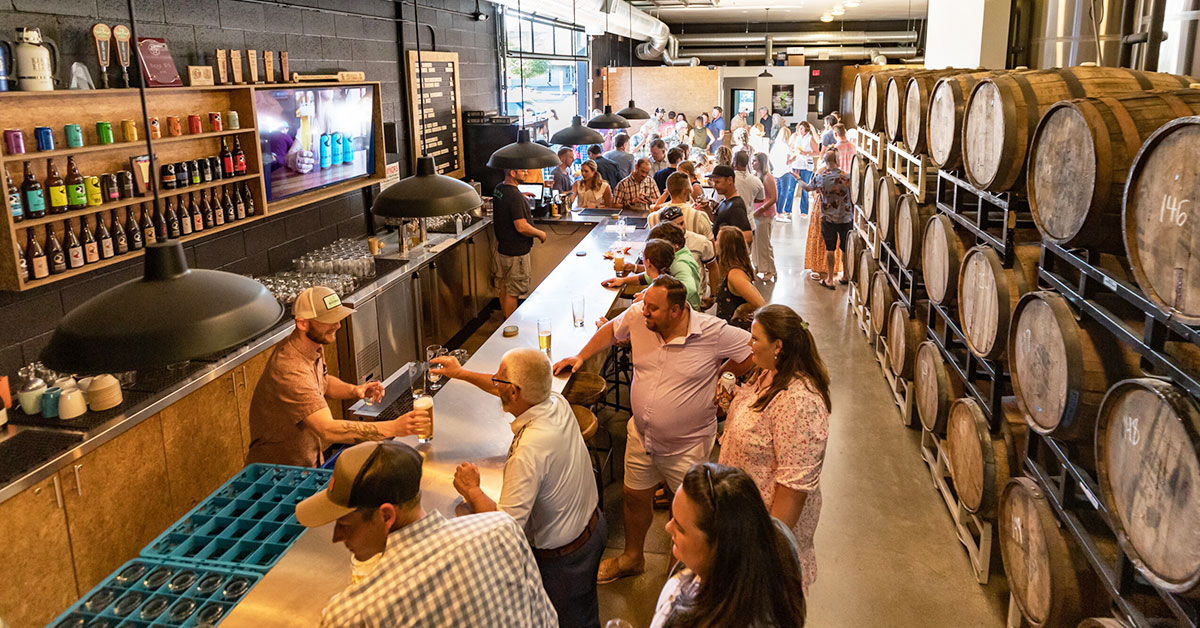
For Sunriver, the goals of a wholesaler (who wants high-volume, recognizable brands) often clash with the goals of a pub operator (who wants exclusive, rotating taps to drive foot traffic). Ownership, meanwhile, is focused on profit margins, which are significantly higher in direct-to-consumer taproom sales than in wholesale distribution.
The risks of over-reliance on any single channel were highlighted during the COVID-19 pandemic. Breweries that relied heavily on "on-premise" sales (taprooms and restaurants) saw their revenue vanish overnight, while those with established wholesale relationships and canning lines were able to pivot to the "curbside economy." Conversely, relying solely on wholesalers carries its own risks; if a wholesaler is acquired by a larger entity or changes its portfolio strategy, a small brewery can lose its primary route to market.
The Resurgence of the Flagship Brand
Perhaps the most significant trend in the current craft beer era is the return of the "flagship" beer. For years, the industry was obsessed with "novelty and discovery," with many breweries eschewing year-round brands in favor of a constant stream of new products. However, industry analysts and writers, including Jeff Alworth of Beervana, have noted a growing "release fatigue" among consumers.
The return to flagships is driven by a desire for reliability and nostalgia. For Sunriver, the "Vicious Mosquito" IPA became an accidental flagship. While the brewery produced dozens of other styles, wholesalers and consumers latched onto this specific brand. It became the "beer that built the brand," providing a stable source of revenue that allows the brewery to experiment with smaller, riskier batches.
Humble Sea has seen a similar phenomenon with their "Socks & Sandals" Foggy IPA. Despite their initial desire to be a lager house, they recognized that "Socks & Sandals" provided the brand equity needed to eventually reintroduce their first love. Today, having built a foundation of trust with their hoppy offerings, Humble Sea has successfully shifted its production mix so that lagers now account for 30% of their total output.
Broader Impact and Future Implications
The evolution of Sunriver and Humble Sea reflects a broader professionalization of the craft beer industry. The era of "if you brew it, they will come" has been replaced by a period of intense market maturation. To survive, breweries must now function as sophisticated data-driven businesses, balancing the art of brewing with the science of demographic analysis and supply chain management.
The shift back toward flagships and lagers suggests that the "adventure-seeking" phase of craft beer may be plateauing, giving way to a "loyalty-based" phase. Consumers who entered the craft market during the boom of the 2010s are now older and often seek a consistent, high-quality experience rather than a constant hunt for the "next big thing."
As the industry moves toward 2025 and beyond, the breweries that thrive will likely be those that can successfully navigate the "competing agendas" of their stakeholders. This involves maintaining a core identity (the flagship) while remaining agile enough to capture emerging trends (like the rise of craft seltzer or non-alcoholic options). In the words of the industry’s leading brewers, the goal is no longer just to make great beer—it is to build a brand that can withstand the ever-changing tides of consumer preference and economic instability.