admin
admin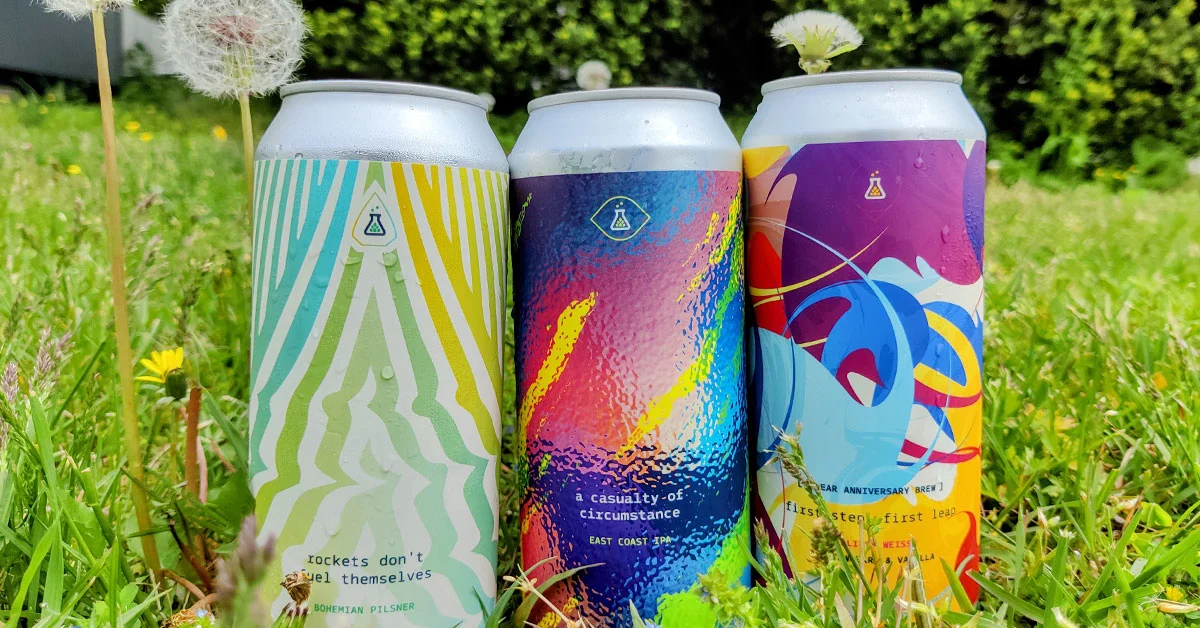
The North Fork of Long Island has long been celebrated as the Napa Valley of the East, a pastoral landscape where rows of grapevines stretch toward the Peconic Bay and the Long Island Sound. For decades, this region has served as a premier destination for viticulture, drawing millions of visitors from New York City and beyond to sample award-winning Cabernet Franc and Merlot. However, a significant shift in the region’s agricultural and tourism identity is currently underway. While the wine industry remains a cornerstone of the local economy, the North Fork is rapidly earning a secondary reputation as a high-caliber hub for craft beer. From crisp pilsners and hop-heavy IPAs to experimental sours and robust stouts, the "wine trail" is increasingly being shared with a sophisticated "beer bandwagon" that is reshaping the local hospitality landscape.
The Historical Shift: From Grapes to Grain
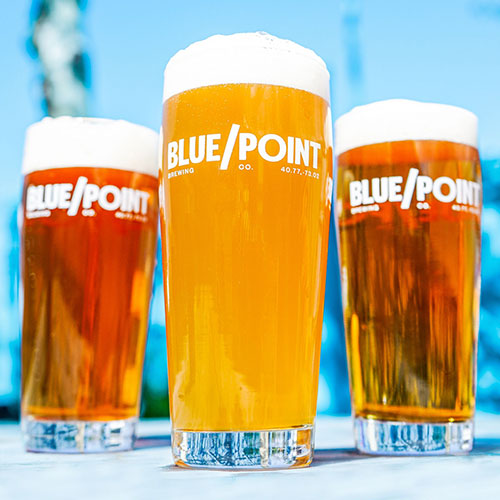
The transformation of the North Fork into a craft beer destination did not happen overnight. It is the result of a twenty-five-year evolution that began on the periphery of the region. The movement can trace its spiritual roots back to 1998 with the founding of Blue Point Brewing Company in nearby Patchogue. While not located on the North Fork proper, Blue Point proved that Long Island had the palate and the market for independent craft brewing.
The true catalyst for the North Fork’s brewing boom, however, arrived in 2009 with the opening of Greenport Harbor Brewing Company. Founded by John Liegey and Rich Vandenburgh, the brewery initially operated out of an old firehouse in the village of Greenport. Its success served as a proof of concept: tourists visiting for the wine were equally interested in high-quality, locally produced beer. Over the past decade, this initial spark has grown exponentially. The region now boasts a dense concentration of breweries, including Jamesport Brewery, Eastern Front Brewing Co., Übergeek Brewing Company, Twin Fork Beer Co., and North Fork Brewing Company.
This growth has been supported by the New York State Farm Brewery Law, enacted in 2012. The legislation provided tax incentives and eased licensing for brewers who committed to using a certain percentage of New York-grown ingredients, such as hops and malt. This law effectively tied the brewing industry to the state’s agricultural sector, making the North Fork—with its rich soil and established farming community—an ideal location for this industrial synergy.
A Symbiotic Relationship with Viticulture
One of the most striking aspects of the North Fork’s brewing scene is its lack of traditional competition with the wine industry. Instead, the relationship is characterized by a high degree of symbiosis. Brewers in the area frequently describe their presence not as a challenge to the wineries, but as a necessary diversification of the region’s "alcohol trail."
Sean Galligan, the head brewer at Greenport Harbor Brewing, emphasizes that having a "brewing oasis" in the middle of wine country provides a balanced experience for visitors. This is particularly relevant for group tourism; in a party of six visitors, it is statistically likely that at least one or two may prefer a pint of ale over a glass of Chardonnay. By offering both, the North Fork ensures it can capture the entirety of the tourist market.
This symbiosis extends into the production process itself. Greenport Harbor recently collaborated with Osprey’s Dominion, a nearby vineyard, to create a beer conditioned on Carménère grapes. This hybrid creation, which utilized wild yeast strains, won a silver medal in the Fruit & Vegetable Beer category at the 2024 New York State Craft Beer Competition. Such collaborations highlight how the terroir of the North Fork—the unique environmental factors that affect a crop’s phenotype—is being expressed through both grain and grape.
The Science and Soul of the North Fork Breweries
The personalities behind these breweries are as diverse as the beers they produce. At Übergeek Brewing Company in Riverhead, owner and brewmaster Rob Raffa brings a background in physics and astrophysics to the brewhouse. Raffa’s journey from amateur brewer to professional business owner reflects the broader trend of the "maker economy" on Long Island.
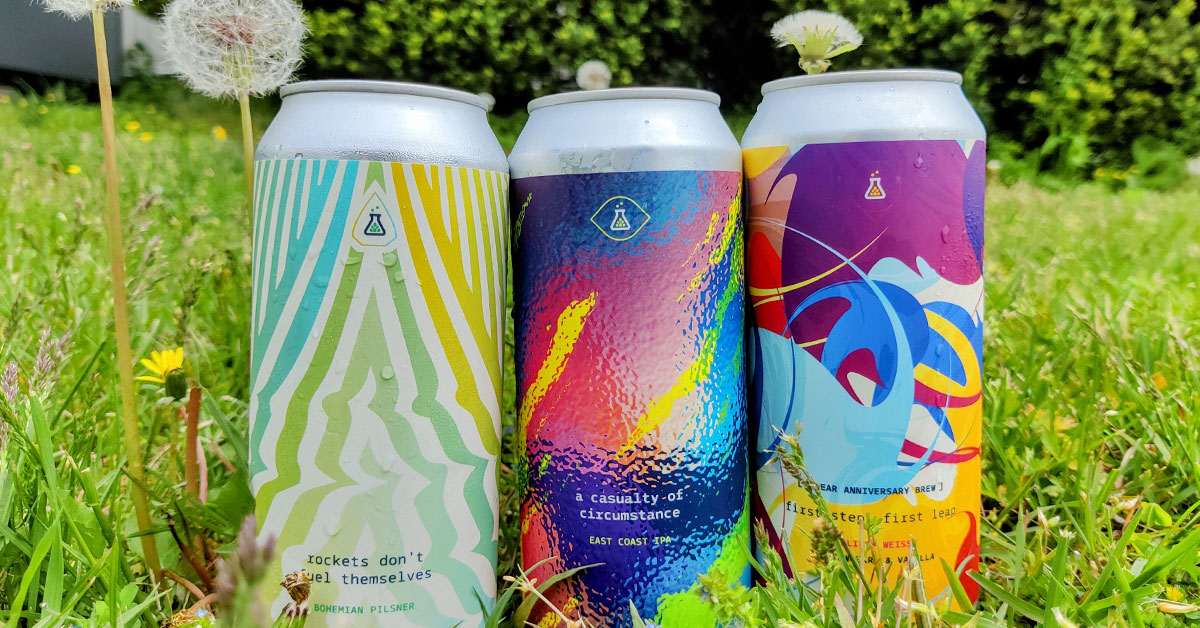
After honing his craft at the now-defunct Moustache Brewing and later co-brewing with Peter Barraud of North Fork Brewing Company, Raffa opened the Übergeek taproom in 2021. His approach is both technical and deeply personal. The beers often feature existential or philosophical names, such as "A Casualty of Circumstance" (a hazy East Coast IPA) or "Space Age Times, Stone Age Minds" (a double IPA).
Raffa’s success is indicative of the surging demand in the region. Since opening, Übergeek has expanded from four fermenters to sixteen, with eight more scheduled for installation. This winter, the brewery plans to double its brewhouse size to meet wholesale and taproom demand. This rapid scaling is a common theme among North Fork brewers, who find themselves constantly racing to keep up with the summer and autumn influx of tourists.
Agricultural Integration and the "Farm-to-Pint" Movement
The North Fork’s identity is inextricably linked to its status as a premier agricultural zone. For breweries, this proximity to farmland is a logistical and creative boon. Unlike urban breweries that must ship in all their ingredients, North Fork brewers can source produce directly from their neighbors.
Peter Barraud of North Fork Brewing Company has made local sourcing a hallmark of his operation. By partnering with local entities like the Peconic River Herb Farm, Herricks Lane Farm, and CJ Van Bourgondien Greenhouses, Barraud incorporates niche, small-batch ingredients into his rotations. This summer, his lineup featured fruited beers using produce from Lewin Farms in Calverton, including a peach Golden Sour and a strawberry ale.
The use of local hops is another critical component of the North Fork’s "terroir." During the late summer harvest in September, Sean Galligan of Greenport Harbor utilizes Cascade and Willamette hops harvested in Orient Point. These "fresh hop" beers are a rarity in the industry because the hops must be used within hours of being picked to preserve their delicate oils and aromas. This "vine-to-kettle" pipeline is a luxury afforded only to breweries situated in rich agricultural corridors.
The Economic Impact of Agrotourism
The rise of the craft beer scene has significant implications for the local economy. According to data from the New York State Brewers Association, the craft beer industry contributes billions of dollars to the state’s economy annually. On the North Fork, breweries act as "secondary anchors" that extend the duration of visitor stays.
Twin Fork Beer Co., founded by twin brothers Peter and Dan Chekijian, exemplifies the intersection of culture and commerce. The brothers, who are also musicians, name their beers after musical theory—such as the "Minuet Session IPA" and the "Crescendo IPA." Their facility, like many others in the area, has become a venue for live music, lawn games, and food trucks.
This diversification of the "experience economy" is vital for the region’s resilience. By offering more than just wine tastings, the North Fork has insulated itself against shifts in consumer trends. The breweries have turned the area into a comprehensive "beverage destination," where a single afternoon might include a visit to a vineyard, a cidery, and a brewery. This variety encourages repeat visits and attracts a younger demographic that may be more inclined toward the casual, communal atmosphere of a beer garden than the formal setting of a traditional tasting room.
Future Outlook: A Maturing Landscape
As the North Fork continues to evolve, the distinction between "wine country" and "beer country" is likely to blur further. The region is currently seeing a maturation of its brewing industry, characterized by increased production capacity and a focus on sophisticated, award-winning recipes that can compete on a national stage.
The infrastructure of the North Fork is also adapting. The presence of state-of-the-art kitchens at locations like Greenport Harbor’s Peconic facility indicates a shift toward full-service hospitality. These breweries are no longer just production sites; they are community centers and major culinary destinations.
The North Fork’s success serves as a blueprint for other agricultural regions looking to diversify their tourism appeal. By leaning into the "terroir" of the land and fostering a spirit of collaboration rather than competition, the brewers of the North Fork have created a sustainable ecosystem. Whether it is through an ancho-chile-infused pilsner or a beer conditioned on local grapes, the message from the eastern edge of Long Island is clear: there is room for everyone at the table, provided what’s in the glass is local, authentic, and crafted with care.
As the fall harvest season approaches, the sprawling vineyards will undoubtedly be crowded with visitors. But increasingly, those visitors will be seen carrying growlers and four-packs alongside their bottles of wine, marking the successful integration of a new tradition into one of New York’s most historic landscapes. The "Napa of the East" is no longer defined solely by the vine, but also by the bine and the grain.