admin
admin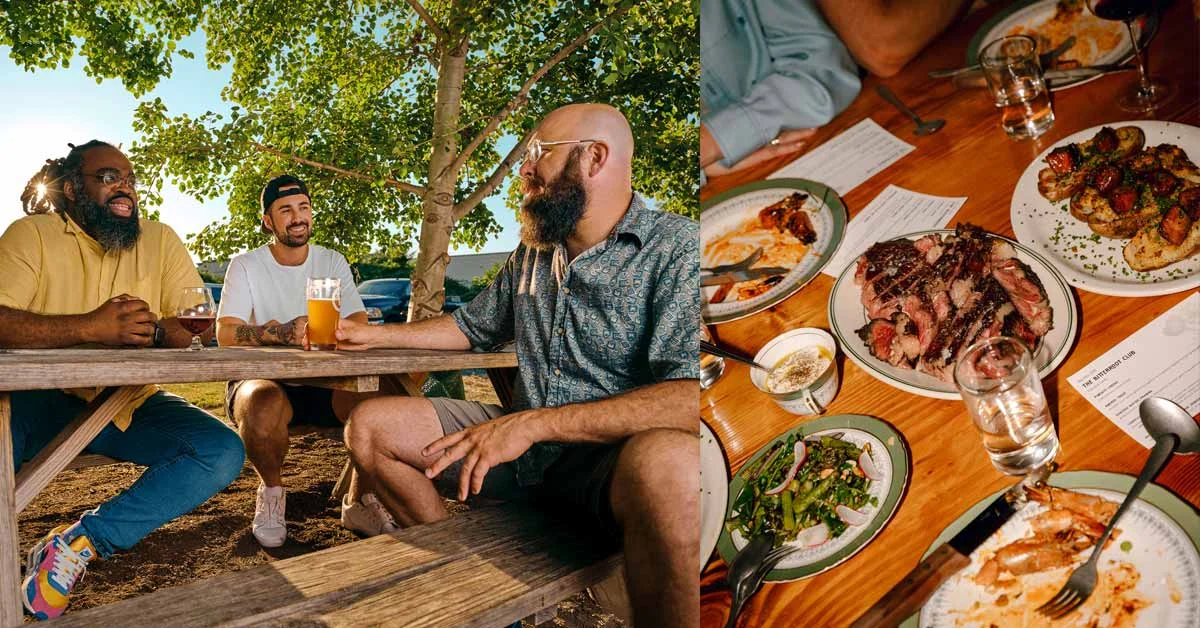
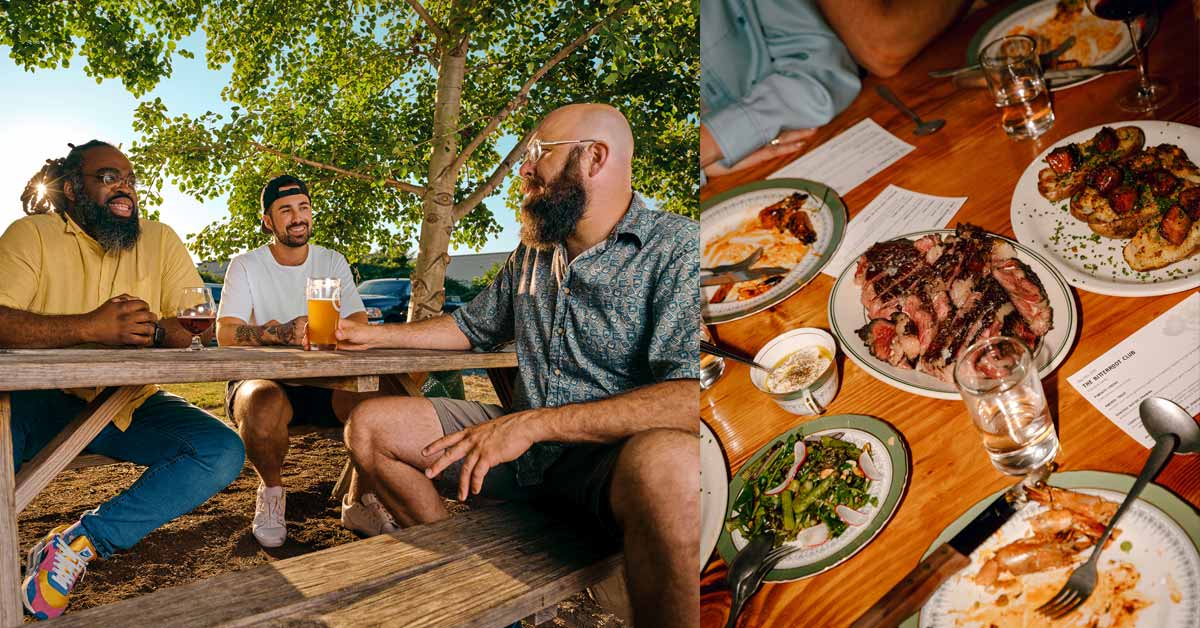
In the heart of Southeast Portland’s Buckman neighborhood, a nondescript door at the rear of an industrial building leads away from the bustling, wood-and-steel taproom of Grand Fir Brewing into a space that feels more like a secluded hunting lodge than a modern brewpub. Within this windowless room, illuminated by candlelight and the warm glow of lamps reflecting off taxidermied stags and rattlesnakes, a transformation of the traditional American beer experience is taking place. This is The Bitterroot Club, a weekly supper club where the intersection of high-end culinary arts and master-level brewing serves as a blueprint for the future of the industry in a city long known as "Beervana."
The club is the brainchild of Doug Adams, a Top Chef finalist and James Beard Award semifinalist, and his wife, Whitney Burnside Adams, a decorated brewmaster with a pedigree that includes stints at Upright Brewing, Elysian, and 10 Barrel Brewing Company. Together, they are navigating a complex landscape where the mere production of high-quality beer is no longer sufficient to guarantee success. By pairing bready Tamarack Fest lager with Columbia king salmon or charcoal-grilled pork chops with the crisp finish of a Bandit Run Mosaic American IPA, the Adamses are leaning into a concept they call "elevated" brewing—a strategy born of necessity in a marketplace that is increasingly crowded and discerning.
The Economic Reality of Modern Brewing
The opening of Grand Fir Brewing in November 2022 occurred during a period of significant volatility for the American craft beer industry. According to data from the Brewers Association, while the total number of operating craft breweries in the United States reached an all-time high of over 9,500 in 2023, the rate of growth has slowed significantly compared to the previous decade. Inflation, rising real estate costs, and shifting consumer habits—particularly among younger demographics who are increasingly exploring spirits, canned cocktails, and non-alcoholic alternatives—have forced brewers to rethink their business models.
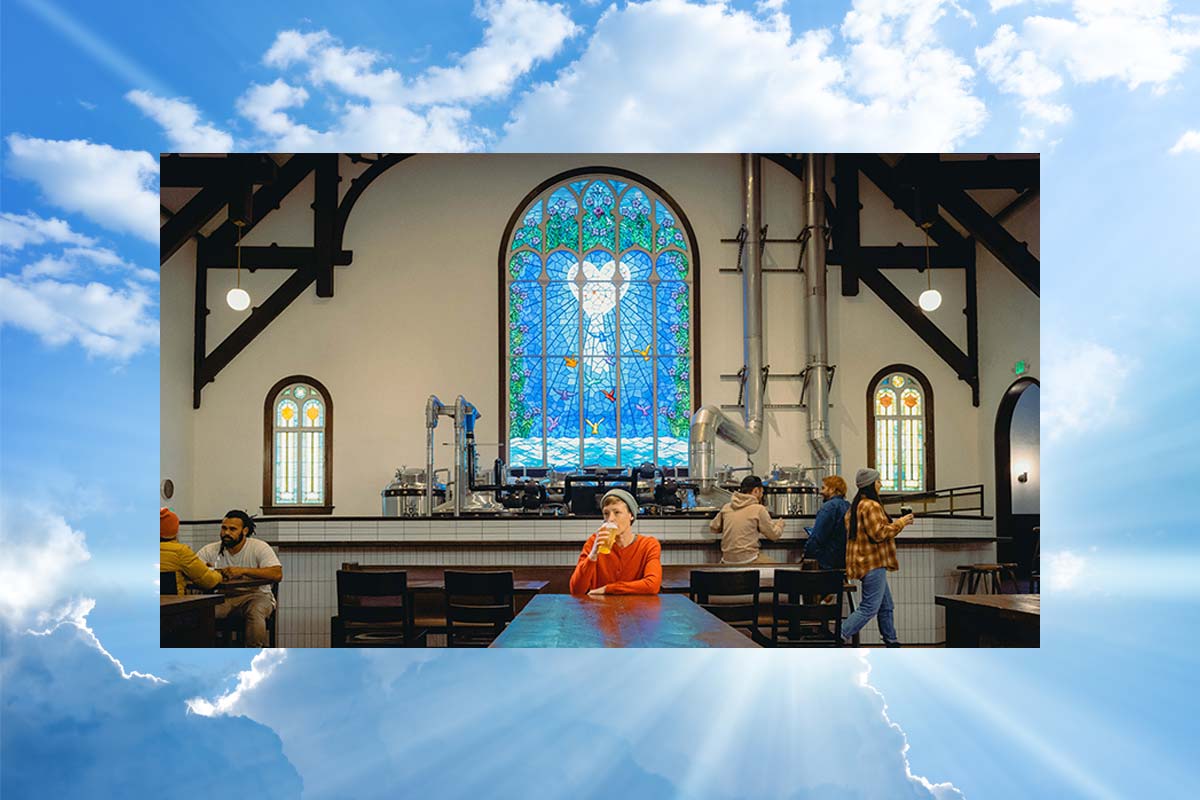
In Portland, these national trends are amplified by a local market that is perhaps the most mature in the world. Oregon currently hosts more than 300 breweries, with the brewing industry contributing approximately $8.7 billion to the state’s economy annually. However, the sheer density of options means that "good beer" is now considered the baseline rather than a competitive advantage. Whitney Adams notes that the decision to integrate a high-end culinary experience was not merely an aesthetic choice but a survival tactic. "I felt that if I were to just open up a brewery, I honestly don’t think it would make it," she observed. "You need a certain angle these days to be successful."
A Chronology of Beervana: From Isolation to Innovation
To understand why Portland requires such "elevated" experiences today, one must look at the unique historical trajectory of the city’s beer culture. The roots of the movement were planted in the 1980s, spurred by Oregon’s 1985 Brewpub Act, which allowed breweries to sell their products directly to consumers on-site. This legislative shift, combined with the city’s proximity to the hop-rich Willamette Valley and Yakima, Washington, created a fertile environment for independent makers.
Van Havig, master brewer and co-founder of Gigantic Brewing, attributes Portland’s dominance to its early geographic isolation. During the mid-20th century, major national brands like Miller and Budweiser had a smaller footprint in the Pacific Northwest compared to other regions. This allowed local pioneers—such as BridgePort Brewing (founded 1984), Widmer Brothers (1984), and Deschutes (1988)—to capture the local palate before "Big Beer" could establish a monopoly. By 1994, the term "Beervana" had been coined by the local alt-weekly Willamette Week to describe a city where craft beer was not a niche subculture but the primary culture.
By the early 2000s, Portland had become what Havig describes as the "big leagues" of brewing. The 2010s saw a further expansion of the palate as the "Northwest-style IPA"—characterized by aggressive, resinous hop profiles—gave way to more experimental styles. This era introduced the city to barrel-aging programs, kettle sours, and the "growler phenomenon," where dedicated beer shops and even gas stations installed draft towers to meet the demand for fresh, local pours.
The Discriminating Drinker: A Specialized Market
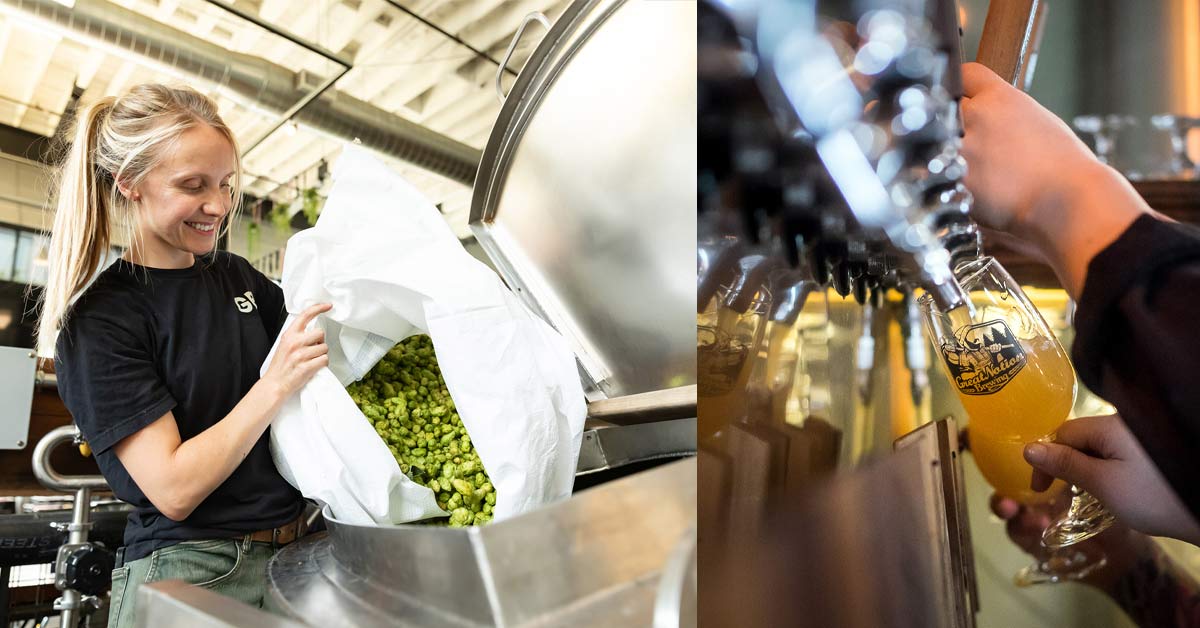
Unlike other regions where breweries are installing pickleball courts or expansive dog parks to attract "on-premises" foot traffic, Portland’s evolution remains centered on the liquid itself and the sophistication of the service. Ben Edmunds, brewmaster at Breakside Brewing, notes that the relationship between the brewer and the consumer in Oregon is uniquely rigorous. "There are consumer expectations," Edmunds explained. "People feel like they can find good beer everywhere here."
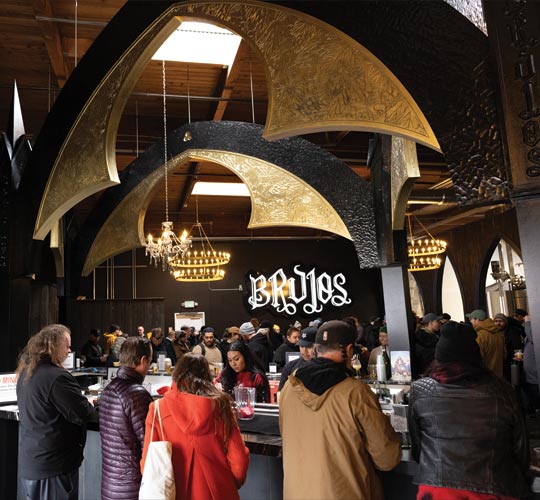
This high level of "beer literacy" among the public has fostered a diverse ecosystem of specialized taprooms. During a typical weekend in the city, a consumer might visit Wayfinder for a "Cold IPA" (a style pioneered in Portland using lager yeast), Brujos Brewing for heavy-metal-themed hazy IPAs, or Living Häus Beer Company for experimental hipster-focused lagers. Even established giants like Deschutes have had to pivot, investing heavily in meticulous non-alcoholic (NA) versions of flagship beers like Black Butte Porter to retain a customer base that is increasingly health-conscious but unwilling to sacrifice flavor.
The Brewing Family Tree and Professional Pedigree
One of the most significant shifts in the Portland scene over the last five years is the emergence of a "brewing family tree." For decades, many of the city’s top brewers remained at their original posts, leading to a period of stability but relatively few new entries from within the local ranks. Today, that has changed as veteran brewers from established pillars have branched out to start their own ventures.
The pedigree of these new owners is a critical factor in their success. Establishments like Grand Fir, Great Notion, and Ruse are helmed by individuals who spent decades honing their craft at the city’s foundational breweries. This "influx of new blood," as Edmunds calls it, ensures that even as the market reaches saturation, the quality remains at a world-class level. These brewers are not hobbyists; they are industry professionals applying advanced fermentation science and culinary theory to a product that was once seen as a simple commodity.
Challenges, Resilience, and the Path Forward
Despite its storied history, Portland’s brewing industry is currently facing its most significant headwinds since the 2008 financial crisis. The post-pandemic era has been marked by skyrocketing commercial rents and a labor market that makes the high-touch service of a "supper club" or a full-service kitchen difficult to maintain. Several long-standing institutions have closed their doors in recent years, victims of changing neighborhood demographics and the sheer weight of operational costs.
However, the prevailing sentiment among industry leaders is one of cautious optimism rooted in the city’s cultural identity. In Portland, craft beer has moved past the stage of being a "trend" and has become a permanent fixture of the social fabric. Van Havig points out that in most American cities, a consumer might ask to go get a "craft beer," but in Portland, they simply say they are going for a "beer," with the unspoken understanding that it will be a locally produced, high-quality product.
The success of ventures like The Bitterroot Club suggests that the future of the industry lies in depth rather than breadth. By focusing on the synergy between food and drink, and by creating intimate, curated experiences that cannot be replicated at home or via a delivery app, Portland’s brewers are defending their title as the center of the craft beer world.
Conclusion: The Victory of Craft Culture
The story of Grand Fir Brewing and the wider Portland scene is a testament to the power of community-driven commerce. While national trends may show a cooling of the craft beer "hype," the reality on the ground in Beervana is a transition toward maturity. The "discerning drinker" that Whitney Adams identifies is not a threat to the industry but its greatest asset—a customer base that values the labor, history, and artistry behind the glass.
As the industry looks toward the mid-2020s, the Portland model—defined by professional pedigree, culinary integration, and a refusal to compromise on quality—remains the standard-bearer for independent brewing. In the words of Van Havig, Portland is not just a place where craft beer is popular; it is the place where "craft beer won." The resilience of the city’s breweries, even in the face of economic hardship, suggests that as long as there is a passion for the craft, Beervana will continue to evolve, one pour and one pairing at a time.