admin
admin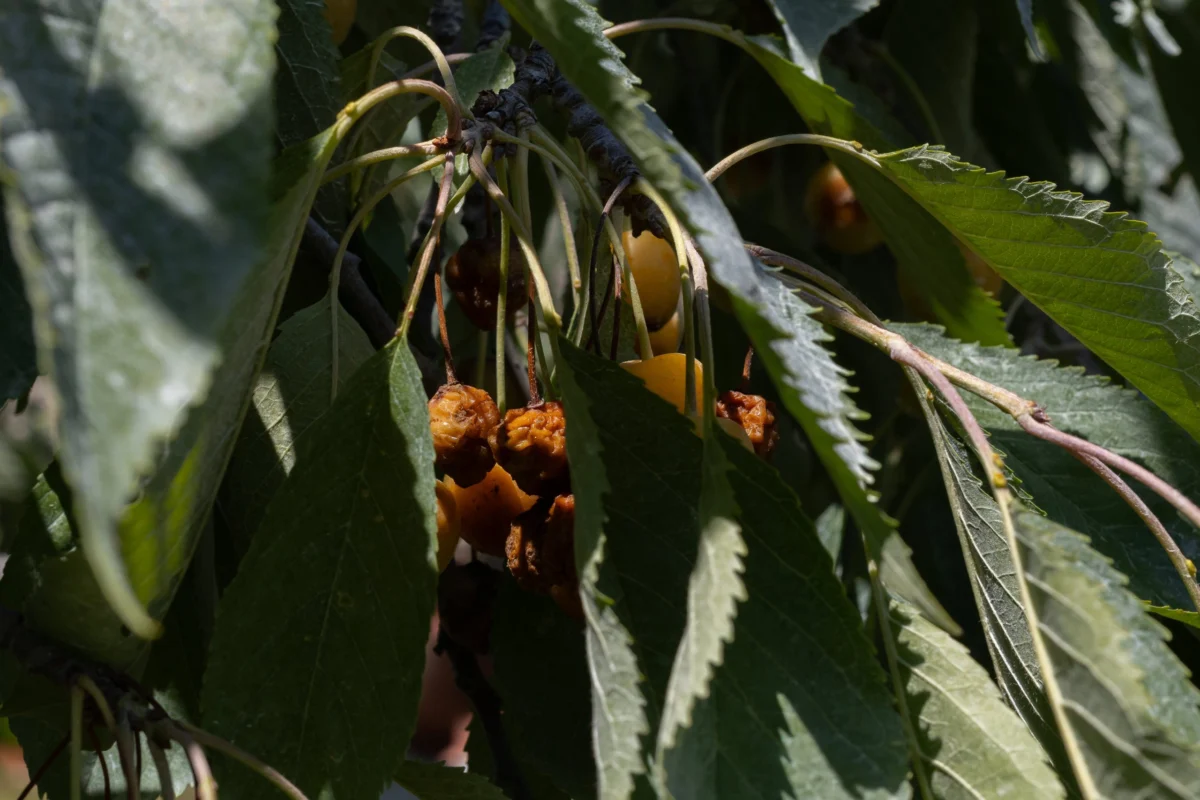
As the United States marked its 250th anniversary in early July 2026, a vibrant celebration unfolded in Traverse City, Michigan, where over half a million visitors converged for another significant milestone: the 100th National Cherry Festival. For a week, this town of 15,000, proudly proclaimed as the "Cherry Capital of the World," became a kaleidoscope of crimson, hosting a joyous tribute to its signature fruit. Festival-goers indulged in an array of cherry-infused delights, from fresh cups of the fruit and classic cherry pies to inventive cherry pancakes, sausages, barbecue sauces, and even cherry-flavored coffee. The air buzzed with pie-eating contests, the competitive thwack of cherry-pit spitting, carnival rides, dazzling fireworks displays, and concerts featuring beloved acts like KC and the Sunshine Band. The Cherry Royale parade, a centerpiece of the festivities, saw the National Cherry Queen, a symbol of local pride, gracefully wave to crowds from a bright red Pontiac Grand Ville Brougham convertible. Yet, beneath this veneer of celebration and tradition, a profound crisis has been silently unfolding, threatening the very foundation of Northern Michigan’s cherry industry.
The Depth of the Crisis: A Perfect Storm for Farmers
The festive atmosphere belies a harsh reality faced by the region’s cherry farmers, who find themselves at a critical crossroads: adapt their practices or consider selling their ancestral lands. The challenges are multifaceted and relentless, creating a perfect storm that is eroding profitability and sustainability. Cultivating cherries, especially organically, has always been inherently difficult, but a confluence of escalating factors has pushed the industry to the brink. Climate change has introduced an era of unprecedented weather volatility, characterized by devastating late spring frosts that can wipe out entire harvests. Subsequent heavy summer rains, often followed by intense heat, have fostered the rapid spread of American brown rot, a fungal disease that shrivels and destroys cherries directly on the tree. Adding to the agricultural woes is an exploding population of the spotted wing drosophila (SWD), an invasive insect from Southeast Asia that has wreaked havoc on fruit crops since its detection in Michigan in 2010.
Economically, farmers are battling rising input costs, particularly for fertilizers, which have seen significant spikes, partly influenced by global events like the Persian Gulf oil crisis in early 2026. These increased operational expenses are relentlessly squeezing already thin profit margins. Simultaneously, Northern Michigan’s burgeoning reputation as a vacation destination has triggered a sharp increase in real estate values, presenting a powerful temptation for struggling farmers to sell their land, often for development. David Ortega, an agricultural economist at Michigan State University, paints a grim picture: "The outlook is a lot worse than what the numbers are showing." He notes that for many, harvesting their cherries this year simply isn’t financially viable due to the anticipated poor yields. "It’s just not worth it to them because the crop is going to be so bad." This stark assessment underscores the existential threat hanging over an industry that defines the region.
Voices from the Field: North Star Organics’ Struggle
The plight of North Star Organics, run by Cheryl and Alan Kobernik in Frankfort, serves as a poignant illustration of the broader crisis. In a typical July, their organic tart and sweet cherry orchards would be bustling with U-pick customers, many traveling from as far as Detroit and Chicago to fill coolers with their prized fruit. However, 2026 has been anything but typical. Just a week before their U-pick season was slated to begin, the Koberniks made the agonizing decision to cancel their tart cherry operations entirely; the crop was simply too small and sparse to warrant the effort. "There’s a point where you have to say, ‘uncle,’" Cheryl Kobernik lamented. The financial viability of mechanically harvesting their tart cherry crop was also non-existent.

Their sweet cherries, while faring marginally better, still reflected the widespread damage. The U-pick season was drastically shortened to a mere four days, a stark contrast to the usual two weeks, and even then, visitors could only pick a small basket’s worth. Alan Kobernik, observing the disappearance of neighboring farms over the past 15 years, remarked, "In our 5-mile radius, we’re the last ones standing." He believes that Traverse City’s "Cherry Capital of the World" moniker and its celebratory festival are increasingly detached from the grim reality confronting the region’s growers.
Climate’s Relentless Assault: A National Crisis
The Koberniks’ struggles are not isolated; they mirror a nationwide downturn in cherry production. July 2026 projections from the National Agricultural Statistics Service (NASS) forecasted a national tart cherry production of 91 million pounds, a staggering 36 percent drop from 2025. Sweet cherry supplies were also expected to be tighter nationally, with an estimated 17 percent fewer cherries than the previous year.
Michigan, historically the nation’s largest producer of tart cherries and the fourth-largest producer of sweet cherries, has experienced a dramatic decline. In 2018, Michigan farmers harvested a robust 202 million pounds of tart cherries. However, production has not exceeded 200 million pounds since, plummeting to 109 million pounds of tart cherries and 24.6 million pounds of sweet cherries in 2025. This year, Northwest Michigan, a core cherry-growing region, is projected to harvest only about 40 million pounds of tart cherries, a mere quarter of the 160 million pounds typically seen in a good year.
The unpredictable weather patterns attributed to climate change are the primary culprits. A late spring frost earlier in the year devastated orchards across Michigan, mirroring similar agricultural disasters in other fruit-growing regions. In Utah, the second-largest tart cherry producer, an unusually warm winter caused fruit trees to bloom prematurely in late March and early April—about a month ahead of schedule. This early bloom was then met with a catastrophic freeze in April, wiping out over 90 percent of the state’s cherry crop and prompting Governor Cox to declare a state of emergency for crop loss. Washington state, the country’s largest sweet cherry producer, has also been significantly impacted, including a severe heat dome in 2021 that damaged 20 percent of its crops. The USDA projects Washington will harvest 200,000 tons of sweet cherries this year, 61,000 tons fewer than last year’s bumper crop.
This widespread decline in U.S. cherry production carries global implications. In 2024, the U.S. was the world’s third-largest tart cherry producer, behind Turkey and Chile. Nicki Rothwell, an extension educator at Michigan State University, predicts a potential worldwide shortage of tart cherries. This scarcity could prompt major corporations like General Mills and Starbucks to substitute tart cherries in their products, such as flavored syrups, with more readily available alternatives like blueberries. "Then it’s going to be an uphill slog to get back into those markets, because we’re so short," Rothwell warns, highlighting the long-term market access challenges.

The Scourge of Invasive Species: Spotted Wing Drosophila
Beyond the capricious weather, an insidious biological threat has firmly established itself: the spotted wing drosophila (SWD). This invasive fly, first detected in Michigan 15 years ago, has become a relentless pest. Unlike native fruit flies that target overripe or damaged fruit, SWD penetrates the skin of otherwise healthy, developing fruit to lay its eggs, leading to rapid destruction of the cherry within days. Researchers at the Northwest Michigan Horticulture Research Center, including Rothwell, initially believed SWD primarily attacked fully ripe or overripe tart cherries but have since discovered its ability to infest underripe fruit, extending its destructive window.
Greg Williams, a conventional farmer in Leelanau County, manages approximately 370 acres of fruit trees, including 180 acres dedicated to tart cherries. He anticipates his tart cherry yield this year to be only about 30 percent of his typical harvest. For Williams, SWD is his paramount concern, even surpassing the anxieties of unpredictable weather and fluctuating cherry prices. The pests first appeared on his crops about a decade ago, but in the past three years, they have become a severe headache, necessitating increased insecticide use. "We have a couple additional coverage sprays for it, so it’s quite pricey on 370 acres to put two or three extra sprays," Williams explained, underscoring the escalating costs associated with pest management.
The SWD population boomed earlier in the 2026 season compared to the previous year, with researchers still investigating the exact causes. The insect’s rapid reproductive cycle – a female can lay up to 350 eggs in her lifetime – coupled with a lack of highly effective control measures, makes it particularly challenging. Rothwell notes the difficulty in eradication: "You can have the most iron-clad spray program, but if you have 4 billion flies in your orchard, they’re going to find the fruit that wasn’t 100 percent covered with the pesticide." This battle against an ever-multiplying adversary further compounds farmers’ financial and operational burdens.
Economic Headwinds: Volatile Markets and Soaring Costs
The economics of cherry farming are uniquely challenging due to the fruit’s short shelf life. Unlike crops such as corn or soy, which can be stored for extended periods until market prices are favorable, tart cherries must be processed almost immediately after harvest. Within 48 hours, they are typically submerged in vats of cold water, then sent to processors for pitting and freezing. This immediate processing requirement leaves farmers vulnerable to market fluctuations, as they often don’t know the final price they will receive until months after delivery.
The dramatic swings in crop yields in recent years have led to equally volatile cherry prices. Farmers fortunate enough to have a harvest this year will likely be rewarded with higher prices from processors. Greg Williams expects to receive around $1.10 per pound in 2026, a significant increase from the 75 cents per pound he received last year. However, this is a double-edged sword; during productive years with abundant crops, prices plummet, sometimes to as low as 15 cents per pound, as Williams has experienced. While this year’s smaller yield means "a little less work because we don’t have to move the volume," Williams points out the harsh economic reality: "You can’t make any money; I don’t care how many millions of pounds of cherries you grow. It’s just a lot of work moving all that fruit. It wears your equipment out."

A 2022 Michigan State University report estimated the cost of tart cherry production in Michigan at 44 cents per pound. Yet, in that same year, farmers received a meager 20 cents per pound, highlighting the persistent gap between production costs and market returns. Further complicating the market landscape is competition from imported cherries. While a 2019 accusation by U.S. producers that Turkey was "dumping" low-cost cherries into the American market was ultimately ruled against by the U.S. International Trade Commission, the pressure from global supply chains remains a factor in domestic pricing.
The Allure of Development: Land Values and the Future Landscape
All these compounding difficulties are pushing cherry farmers towards a difficult decision, made even more appealing by another significant factor: rapidly appreciating land values. Michigan farmland is currently valued at an average of $6,800 per acre, a substantial increase from $5,040 per acre in 2021, and significantly higher than the national average of $4,350 per acre. In Northern Michigan, a booming vacation and recreation destination, real estate prices have surged even more dramatically. A 20-acre parcel of land across the road from the Koberniks’ farm, for instance, recently sold for $200,000.
While existing farmers who own their land might be able to recoup their investments by selling, buying new land and attempting to establish a farm in the region has become an unviable proposition. "In Northwest Michigan, the price of real estate has gotten high enough that it’s seriously not worth farming anymore," Alan Kobernik states unequivocally. "You’ll never recover that investment."
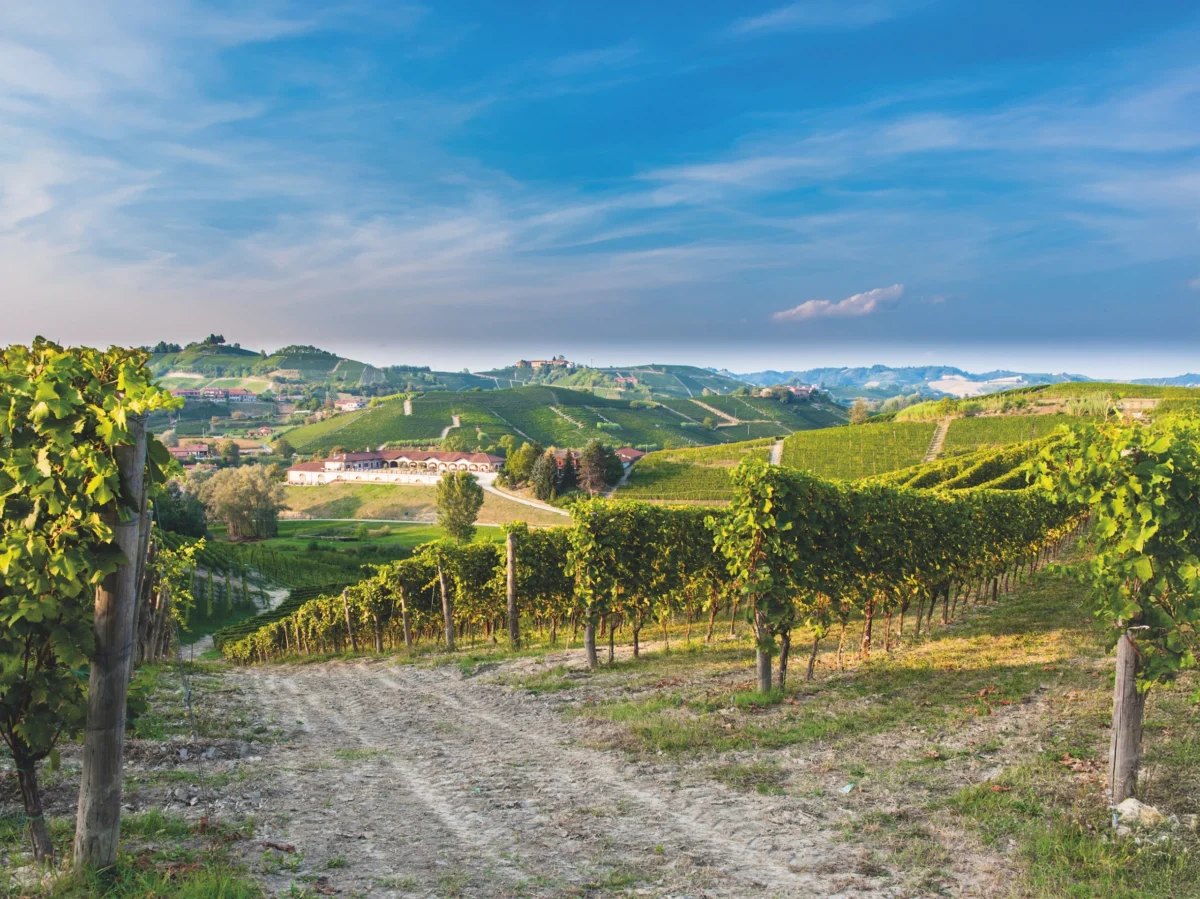
Old Mission Peninsula, a slender strip of land north of Traverse City, is particularly coveted for its prime agricultural land, shielded from frost by the surrounding waters. A 66-acre cherry orchard on the peninsula was listed for $1.6 million in May 2026, translating to an astonishing $24,000 per acre – far exceeding the state average. In recent decades, this peninsula has also become a prominent site for wine grapes, with 1,800 acres planted. While wine grapes once offered attractive returns, vineyards are now facing their own set of challenges. Rothwell notes an anticipated glut in Northern Michigan vineyards this year, with more fruit than needed, coinciding with a national trend of declining wine consumption among younger demographics who favor other beverages.
At 63, Greg Williams is contemplating retirement and has begun downsizing. He is in the process of selling one of his farms, a 217-acre property with 65 acres of fruit trees. "It’s all prestigious ground, overlooking Lake Michigan. It’s the best view you could ever imagine," he describes. "You want the fruit up on the high sights, and that’s where everybody wants their house so they can see the beauty." Williams is convinced that the next owner of his property will not continue cherry farming. His assessment of the region’s future is stark: "The whole county is going to turn into a subdivision here in a few years. There aren’t going to be any farms left. We’re just splitting them all up, selling them all for houses. Everybody that’s looked at it just tells me, ‘What are we going to do with these fruit trees?’" This sentiment reflects a broader fear of agricultural land being irrevocably lost to residential development, fundamentally altering the landscape and economy of Northern Michigan.

Seeking Resilience and Innovation: Paths Forward
In response to these formidable challenges, researchers like Nicki Rothwell are actively seeking solutions to aid cherry farmers, particularly in managing pests like the spotted wing drosophila. Experiments involving the introduction of wasps to prey on SWD in cherry orchards have, thus far, proven unsuccessful. Rothwell suggests that smaller growers might have the agility to diversify their crops away from cherries, although the unpredictable climate makes selecting viable alternatives difficult. She proposes exploring options like growing apples or transitioning to a Community Supported Agriculture (CSA) model. "I don’t know what that silver bullet is," Rothwell admits, expressing her deepest fear: "My fear is that it’s houses. It’s the quickest way to pay farm debt, and they have the best sites still left in the region." Earlier experiments with niche crops like hops and saskatoon berries did not find sufficient market demand to be financially viable.
Despite the daunting outlook, some farmers are pioneering innovative approaches. Sarah and Phil Hallstedt, who operate a 53-acre farm with over 9,000 cherry trees in Northport, exemplify this resilience. After struggling to turn a profit selling sweet cherries on the wholesale market, they pivoted to agritourism in 2020, finding U-pick operations more successful than wholesale but still not profitable enough. Their next venture led them to develop a processed cherry product: cherry vinegar. "Maybe it’s just us being stubborn," Phil Hallstedt mused, "Instead of wanting to pull out, we’re trying to find a way to make the cherry farm work." The Hallstedts invested in on-site facilities to produce their cherry vinegar, which is now sold in grocery stores across Michigan. Their ambitious goal is to cultivate enough demand for their vinegar that they can eventually purchase cherries from neighboring farmers at a higher price than what processors offer, creating a localized, supportive economy.
Outlook and Conclusion: The Enduring Hope
The long-term implications of this crisis extend beyond the individual farmers. The potential loss of a significant portion of Michigan’s cherry industry would not only devastate the regional economy but also erode a cherished cultural heritage tied to the land and its bounty. The National Cherry Festival, a century-old tradition, faces an uncertain future if the fruit itself becomes a rarity. Policy uncertainties regarding labor and trade tariffs, as mentioned by economist David Ortega, further complicate an already precarious situation, affecting everything from equipment costs to the availability of essential farmhands.
Despite the formidable headwinds, the spirit of agriculture, characterized by an enduring optimism, persists. Alan Kobernik encapsulates this sentiment, looking forward to the next season with renewed hope: "Farmers always say, ‘The best crop is next year’s crop.’" This adage, deeply ingrained in the farming ethos, reflects a steadfast determination to weather the storms, adapt to new realities, and continue the legacy of cultivation, even as the future of Northern Michigan’s cherry industry hangs in a delicate balance. The choice, for many, remains stark: innovate or face the inevitable sale of their heritage to a rapidly developing landscape.