admin
admin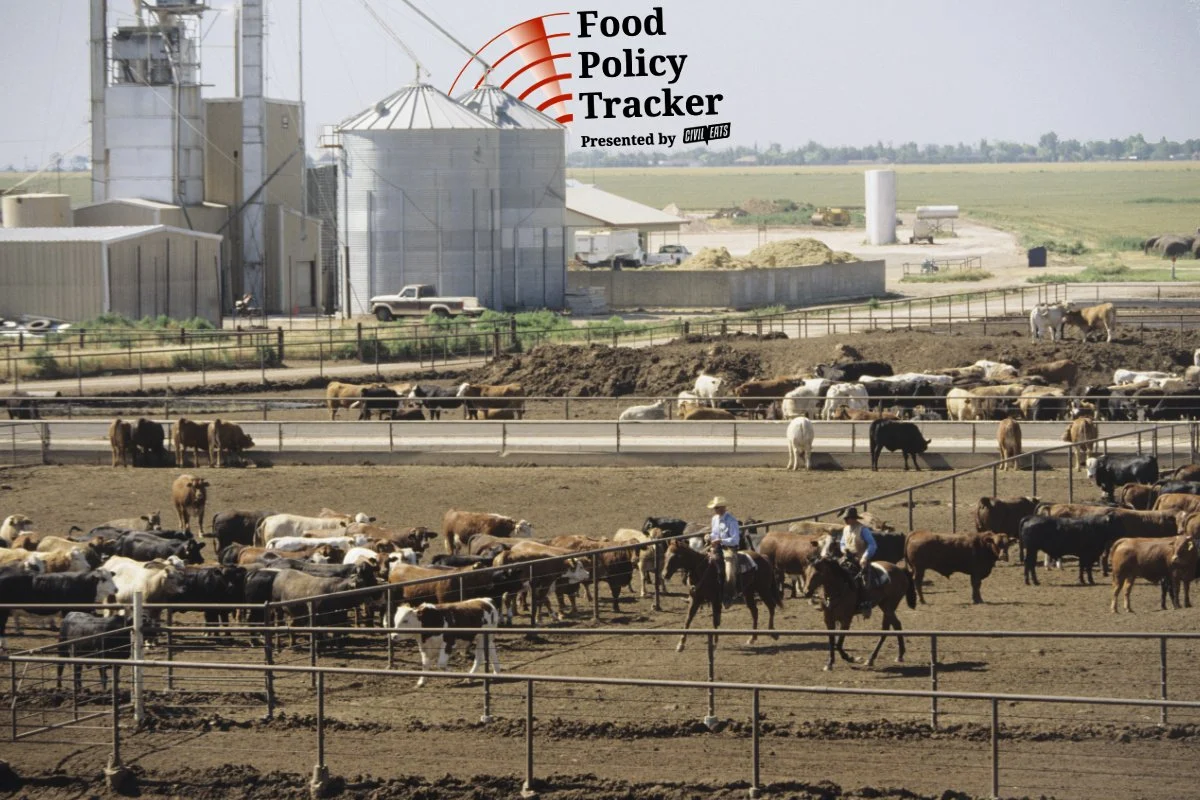
The United States has initiated a significant policy shift by easing restrictions on cattle imports, reopening its first port to live cattle after a year-long closure aimed at preventing the spread of New World screwworm (NWS). This move, announced by Agriculture Secretary Brooke Rollins, comes concurrently with the Trump administration’s contentious decision to temporarily lift tariffs on 300,000 tons of imported ground beef, a dual strategy aimed at addressing persistently high beef prices for American consumers and bolstering a struggling domestic cattle supply. Both actions have ignited varied reactions across the agricultural sector, with some groups expressing cautious optimism and others voicing strong opposition regarding potential risks to animal health and the economic well-being of U.S. ranchers.
The New World Screwworm Threat and Containment Efforts
The reintroduction of cattle trade through U.S. border ports follows an intensive year-long effort by the U.S. Department of Agriculture (USDA) to contain and eradicate a resurgence of the New World screwworm, Cochliomyia hominivorax. This parasitic fly, notorious for its larvae that infest the wounds of warm-blooded animals, including livestock and humans, poses a severe threat to animal welfare and the agricultural economy. Historically, NWS was eradicated from the United States in 1966 and from Mexico in 1984 through a monumental international effort primarily utilizing the sterile insect technique (SIT). This method involves releasing vast numbers of male screwworm flies sterilized by radiation, which then mate with wild females, producing infertile eggs and breaking the reproductive cycle. The re-emergence of NWS cases in Mexico, particularly those moving closer to the U.S. border, prompted immediate and stringent preventative measures, including the closure of key U.S. ports to cattle imports over a year ago.
During a press conference on August 24, 2026, Secretary Rollins highlighted the success of the USDA’s containment strategies, reporting that while the U.S. had detected 46 cases of NWS in animals since June, there are now only two active cases. This dramatic reduction is attributed to robust surveillance, rapid response protocols, and potentially renewed sterile fly releases in affected border regions. "We feel and believe, based on science and data, that we have taken every step to protect the American herd and the American consumer, and so now we can slowly begin to reopen the ports," Rollins stated, emphasizing the data-driven approach underpinning the decision. The NWS, if left unchecked, can cause significant economic losses through reduced meat and milk production, hide damage, and even death in infested animals, making its control paramount for livestock health and market stability.
Phased Reopening of Border Ports and Initial Reactions
The USDA’s plan to reopen ports in phases commenced with the port in Douglas, Arizona, which resumed cattle imports yesterday. Secretary Rollins indicated that more ports in New Mexico are scheduled to reopen in the coming months, reflecting a gradual and monitored approach to re-establishing cross-border trade. However, ports in Texas, a state with extensive border infrastructure and significant cattle operations, are not scheduled to reopen "anytime soon," suggesting lingering concerns or more complex epidemiological situations in that region.

The closure of these ports for over a year had a palpable impact on cross-border livestock trade, disrupting supply chains and affecting the availability of cattle for U.S. feedlots and processing facilities. Reopening the border is largely seen as a measure to increase the supply of cattle, which could, in turn, help mitigate rising beef prices for U.S. consumers. However, the decision has not been universally embraced. R-CALF USA, an independent U.S. cattle ranchers group, expressed continued apprehension last month, asserting that the NWS threat from Mexico remains a significant concern. Their statement underscored the potential for re-infestation, arguing that even a small risk could have catastrophic consequences for the domestic cattle industry, particularly given the high cost and difficulty of eradication. These concerns highlight the delicate balance the USDA must strike between facilitating trade and safeguarding animal health.
Controversial Tariff Lift on Ground Beef Imports
Adding another layer of complexity to the administration’s agricultural policy, President Donald Trump announced on August 21, 2026, a temporary waiver on tariffs for 300,000 tons of imported ground beef. This decision comes amidst sharp criticism from domestic cattle ranchers and some Republican lawmakers who argue it undermines efforts to support U.S. producers. The tariffs, which typically apply to beef imports from various countries, are designed to protect domestic industries from foreign competition and ensure fair market conditions for U.S. ranchers. The temporary lift is intended to flood the market with more affordable beef, directly addressing the "persistently high price of beef for U.S. consumers" that Secretary Rollins cited as a key driver. Rollins suggested these imports could "potentially really solve a lot of Americans’ challenges" in affording beef, particularly with the U.S. cattle herd currently at a 75-year low.
The rationale behind the tariff waiver is rooted in economic theory: increased supply, even from foreign sources, should exert downward pressure on prices. For consumers struggling with inflation and rising food costs, this could offer some relief. However, for domestic cattle producers, the move is perceived as a direct blow. They argue that it disincentivizes domestic production, particularly when U.S. ranchers are already facing numerous challenges, including soaring input costs, labor shortages, and environmental pressures. The National Cattlemen’s Beef Association (NCBA), while not explicitly mentioned in the original text, would likely be among the groups weighing in, often advocating for policies that support the competitiveness of U.S. beef.
The State of the U.S. Cattle Industry and Broader USDA Initiatives
The backdrop to these policy shifts is a U.S. cattle herd that has dwindled to its lowest numbers in 75 years. This decline is a multifactorial issue, often attributed to prolonged droughts in key cattle-producing regions, which have reduced forage availability and driven up feed costs; consolidation within the meatpacking industry, which has limited market access for independent ranchers; and an aging rancher population coupled with high barriers to entry for new farmers. The reduced herd size directly impacts the domestic supply of beef, contributing to higher prices at the grocery store.
In response to this critical situation, the USDA has been pursuing several other initiatives aimed at rebuilding the U.S. cattle herd and strengthening the domestic beef supply chain. Secretary Rollins highlighted efforts such as opening more public land to grazing, a policy that aims to provide ranchers with additional, cost-effective pasture for their herds, particularly in drought-stricken areas. This initiative often involves collaboration with agencies like the U.S. Forest Service (USFS) and the Bureau of Land Management (BLM) to manage federal lands for multiple uses, including livestock grazing, while balancing ecological considerations.

Furthermore, the USDA has been investing in regional meat processing facilities. This strategy is crucial for diversifying the processing landscape, reducing reliance on a few large processors, and providing independent ranchers with more options for slaughtering and processing their animals. Such investments can foster greater competition, improve price discovery for producers, and enhance the resilience of the food supply chain against disruptions. These initiatives collectively aim to create a more robust and sustainable domestic beef industry, lessening dependence on imports in the long term.
Stakeholder Reactions and Political Fallout
The dual policy announcement has predictably generated a spectrum of reactions, particularly from those directly involved in the cattle industry. Nebraska Governor Jim Pillen, present at Monday’s press conference, vocally expressed his "very disappointed" sentiments on behalf of cattlemen and ranchers in his state. Pillen, a former collegiate football coach and a prominent figure in Nebraska agriculture, indicated his intention to speak directly with President Trump about the tariff decision, signaling significant political pushback from agricultural states. Ranchers often view increased imports as a direct threat to their livelihoods, fearing that a surge of foreign beef will depress domestic cattle prices, making it even harder for them to remain profitable.
Republican lawmakers, as referenced in the original report, have also joined the chorus of criticism regarding the tariff waiver. Many represent rural constituencies heavily reliant on agriculture and view such policies as contradictory to the "America First" agenda that often prioritizes domestic industries. These lawmakers likely argue that instead of importing more beef, the administration should focus on structural support for U.S. ranchers, such as strengthening antitrust enforcement in the meatpacking industry, expanding access to capital for small and medium-sized operations, and developing robust risk management programs. The political ramifications could be significant, particularly in swing states where agricultural votes are crucial.
Economic Implications for Consumers and Producers
The immediate economic implication of these policies is a potential reduction in consumer beef prices. By increasing the overall supply of beef through both reopened import channels for live cattle and tariff-free ground beef imports, the administration hopes to alleviate the financial burden on American households. The average price of beef has seen significant increases over the past year, contributing to broader inflationary pressures on food staples. For consumers, particularly those with limited budgets, any price relief on a staple like beef would be welcomed.
However, the long-term implications for domestic producers are a source of concern. While the USDA’s broader initiatives aim to strengthen the U.S. cattle herd, the immediate influx of foreign beef could undercut these efforts by reducing the profitability of raising cattle domestically. This could lead to further consolidation in the industry, push smaller ranchers out of business, and exacerbate the decline in herd numbers rather than reverse it. The economic equilibrium between protecting domestic industries and providing affordable goods to consumers is a perennial challenge for policymakers, and these recent decisions highlight that tension.

Furthermore, the reopening of ports carries an inherent, albeit mitigated, risk of NWS re-infestation. Should the parasite re-establish itself within the U.S. herd, the economic costs associated with renewed eradication efforts, livestock losses, and trade restrictions could be astronomical, far outweighing the short-term benefits of increased trade. Therefore, the USDA’s ongoing surveillance and rapid response capabilities will be crucial to maintaining public and industry confidence.
Looking Ahead: Balancing Public Health, Trade, and Domestic Industry
The U.S. government’s latest agricultural policy decisions represent a complex balancing act. On one hand, the successful containment of the New World screwworm has allowed for a cautious return to cross-border cattle trade, essential for regional economies and broader supply chain stability. On the other, the contentious lifting of ground beef tariffs underscores the administration’s immediate focus on consumer affordability, even at the risk of alienating a significant segment of the domestic agricultural base.
The coming months will be critical for observing the real-world impacts of these policies. The USDA will need to maintain rigorous vigilance against NWS re-infestation, leveraging its "science and data" to justify its phased port reopening. Simultaneously, the economic consequences of increased beef imports will be closely watched by ranchers, consumer advocacy groups, and political leaders. The success of the USDA’s long-term strategies for rebuilding the U.S. cattle herd and strengthening regional processing will ultimately determine whether these short-term measures contribute to a more resilient food system or merely offer temporary relief while exacerbating underlying challenges for American agriculture. The interplay of public health, international trade, and domestic industry support will continue to shape the future of beef production and consumption in the United States.