admin
admin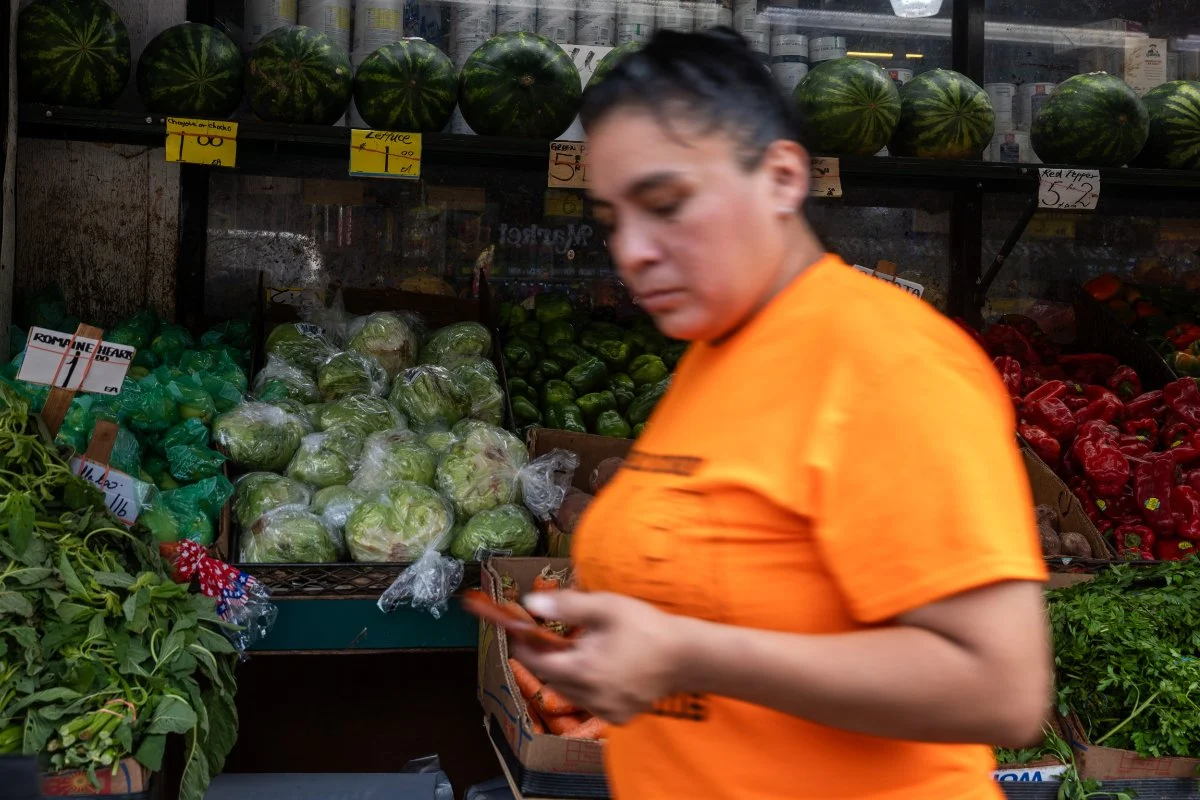
The recent surge in foodborne illness outbreaks across the United States has cast a harsh spotlight on the systemic vulnerabilities within the nation’s food safety infrastructure, revealing critical gaps in surveillance, prevention, and response mechanisms. Experts and former officials point to a consistent pattern of underfunding, administrative cuts, and policy delays, particularly during the Trump administration, as primary drivers exacerbating these challenges. Agencies vital to safeguarding the food supply, such as the Centers for Disease Control and Prevention (CDC), the Food and Drug Administration (FDA), and the U.S. Department of Agriculture (USDA), have seen their resources strained, impacting everything from routine inspections to crucial scientific research and rapid outbreak response.
Decades of Neglect: The Erosion of Food Safety Foundations
For decades, food safety surveillance and prevention programs have operated on thin margins, often facing budget shortfalls. However, according to food safety advocate Sorscher, the situation significantly worsened under the Trump administration, where direct and indirect cuts trickled down to these essential programs. The administration’s focus on "Department of Government Efficiency" (DOGE) processes led to significant reductions in administrative staff across federal agencies, including the FDA. While seemingly minor, these cuts eliminated personnel responsible for critical logistical support, such as booking flights for inspectors, procuring lab supplies, and coordinating administrative tasks. This depletion of support staff did not directly impact the number of federal foreign inspectors, but it undeniably made their vital work more challenging and less efficient, creating unforeseen bottlenecks and delays in an already stretched system. The cumulative effect has been a major strain on both federal and state-level resources and staffing, compromising the ability to maintain robust oversight of the complex global food supply chain.
The Critical Weakness in Foreign Inspections
One of the most concerning areas of vulnerability lies in the FDA’s inspection regime, particularly concerning foreign operations. With a significant portion of the U.S. food supply originating from overseas, effective international oversight is paramount. However, FDA inspections of foreign facilities have consistently fallen short of targets for years, a trend that experts like Sorscher confirm is worsening. The agency grapples with chronic difficulties in recruiting and retaining qualified inspectors, a problem exacerbated by the administrative cuts and the inherent complexities of international travel and logistics.
Former FDA Commissioner Marty Makary, during his tenure, proposed a strategy of moving towards "shorter" foreign inspections with the aim of completing a higher volume of checks. While intended to address the inspection deficit, this approach immediately raised alarms among public health advocates and industry experts. The concern was that brevity might compromise the thoroughness and quality of inspections, potentially allowing critical safety hazards to go undetected. A truncated inspection, while numerically satisfying, could offer a false sense of security, failing to identify deep-seated issues in manufacturing practices, sanitation, or pest control within foreign facilities that supply American consumers. The lack of adequate staffing, combined with logistical hurdles and a potentially superficial inspection methodology, has created a significant blind spot in the nation’s food safety defenses, increasing the risk of contaminated products entering the U.S. market.
The Taylor Farms Cyclospora Outbreak: A Case Study in Systemic Failure
The devastating Cyclospora outbreak linked to Taylor Farms, sickening hundreds across multiple states, served as a stark demonstration of the breakdown in the U.S. foodborne illness detection system. Ideally, a well-functioning system relies on state and federal partners working seamlessly to identify and contain outbreaks early, thereby minimizing the number of illnesses and preventing widespread contamination. However, the Cyclospora outbreak exposed multiple layers of systemic weakness.
A significant challenge in combating Cyclospora cayetanensis stems from a critical lack of scientific understanding and research into the parasite. Unlike many other foodborne pathogens, Cyclospora lacks extensive genetic information, which is crucial for modern epidemiological traceback efforts. Genetic sequencing allows investigators to precisely match the strain of a pathogen found in sick individuals to the strain found in a food source or environment, rapidly identifying the source of an outbreak. Without this genetic fingerprinting capability for Cyclospora, investigators are forced to rely on more time-consuming and less precise methods, primarily epidemiology – extensive interviewing of infected individuals to identify common exposures and conducting laborious traceback investigations through the complex food supply chain.
Alarmingly, this research deficit has been compounded by policy decisions. According to a recent Politico report, two of the three USDA projects specifically dedicated to studying Cyclospora were defunded by Congress earlier this year. Furthermore, the third remaining project is also anticipated to be negatively impacted by the USDA’s broader reorganization efforts, which have expanded to include the Food Safety Inspection Service. These cuts to crucial research directly impede the development of better detection tools, faster identification methods, and more effective prevention strategies for a parasite that has proven to be a recurring threat to public health. The reduction in dedicated research funding signals a worrying deprioritization of proactive measures against known foodborne hazards.
Delayed Traceability Rule: A Costly Policy Reversal
The ability to rapidly trace contaminated food back to its source is a cornerstone of effective outbreak response. Recognizing this, the Food Safety Modernization Act (FSMA) included provisions for a robust traceability policy. This rule was designed to compel companies across the entire food supply chain – from farm to fork – to maintain more comprehensive and accessible records, thereby significantly expediting the traceback process during an outbreak. The policy, known as the "traceability rule," was initially slated for enforcement starting January 2026.
However, in a move that drew sharp criticism from public health advocates, the FDA under the Trump administration delayed the implementation of this critical rule by 30 months. This decision, often framed as an effort to reduce regulatory burdens on businesses, had severe and immediate consequences for public health. Had the traceability rule been in effect, it would have provided investigators with the necessary data infrastructure to quickly pinpoint contaminated products and remove them from circulation, dramatically reducing the scale and duration of outbreaks. The delay effectively hobbled federal and state agencies’ ability to conduct swift and efficient traceback, leaving consumers vulnerable for an extended period.
The Salmonella Outbreak in Jalapeños: A Chronicle of Inefficiency
The Salmonella outbreak linked to jalapeño peppers serves as another poignant example of the catastrophic consequences of a hampered food safety system and the absence of an enforced traceability rule. The timeline of this outbreak highlighted glaring inefficiencies in the response mechanism.
- July 20, [Year of original article’s context, inferred as 2026]: Chipotle, a major restaurant chain, proactively pulled the potentially contaminated jalapeños from its restaurants after internal alerts or early epidemiological data suggested a link. This swift action by a private entity demonstrated a commitment to consumer safety, even in the absence of a federal directive.
- Two Weeks Later: A federal recall notice was finally issued to the public, an agonizing delay that allowed the contaminated product to remain in the broader supply chain and potentially expose more consumers. This lag meant that while one large chain had taken action, other retailers and consumers remained unaware of the risk.
- Over Four Weeks: New products containing the implicated peppers were sporadically added to the recall notice. This piecemeal approach to recalls indicated a profound difficulty in comprehensively identifying all affected products and distributors. It suggested a lack of a clear, consolidated record-keeping system across the supply chain, precisely what the delayed traceability rule aimed to address.
Jennifer Murray, a food safety expert, characterized this protracted and disorganized response as "inexcusable." She emphasized that the full implementation of the traceability rule would have dramatically shortened the timeline for identifying and recalling potentially dangerous produce, thereby preventing numerous illnesses and safeguarding public trust. The absence of such a robust system meant that consumers were left guessing, federal agencies were playing catch-up, and the economic toll on the industry mounted.
The Economic Ripple Effect: Beyond Public Health
The financial ramifications of this season’s foodborne illness outbreaks and the subsequent public response have been substantial, extending far beyond individual medical costs and lost productivity. Consumer confidence, a fragile commodity, took a significant hit, leading to widespread decreased demand for fresh produce and affecting major food service establishments.
- Lettuce Market Volatility: The price of lettuce in July experienced a dramatic 16.4 percent decline from June, marking the biggest one-month drop on record, according to data from the Bureau of Labor Statistics. This price collapse was a direct consequence of widespread public concern and reduced consumption following the outbreaks, particularly those linked to leafy greens. Farmers and distributors faced significant financial losses due to plummeting demand and potential spoilage of unsold produce.
- Restaurant Industry Impact: Major food chains reported tangible negative impacts on their sales. Taco Bell, a fast-food giant, and popular health-conscious eateries like Sweetgreen and Cava, all reported decreased demand directly attributable to cyclospora fears and other outbreaks. Sweetgreen, for instance, was compelled to cut its full-year outlook, citing the outbreaks as a primary factor weighing on sales. This illustrates how widespread outbreaks can disrupt entire sectors of the food industry, forcing businesses to absorb losses, adjust supply chains, and invest in costly reputation management efforts.
- Long-Term Costs: Beyond immediate sales losses, the economic fallout includes costs associated with product recalls, investigations, legal liabilities, increased insurance premiums, and long-term damage to brand reputation. The Centers for Disease Control and Prevention (CDC) estimates that foodborne illnesses cost the U.S. economy billions of dollars annually in medical expenses, lost wages, and productivity. The specific outbreaks discussed herein added significantly to this already staggering national burden.
Expert Perspectives and a Call for Action
Bill Marler, a prominent food safety attorney with over three decades of experience, expressed a glimmer of hope that the sheer economic pressure exerted by these costly outbreaks might finally compel both companies and the government to step up their policy response. The argument is that financial losses can be a powerful motivator where public health concerns alone might not have been sufficient. Companies facing declining sales and reputational damage might be more inclined to invest in robust safety protocols, and policymakers might be swayed by the economic imperative to prevent future disruptions. However, Marler cautioned that, so far, there has been "little movement from companies or political pressure," suggesting that the lessons learned from this season’s outbreaks have yet to translate into concrete, widespread changes.
This sentiment underscores a critical inertia within the system. While experts identify the problems and propose solutions, the political will and corporate commitment to implement comprehensive reforms often lag. The complex interplay of budget priorities, regulatory philosophy, and industry lobbying can create significant barriers to progress in food safety.
Maintaining Consumer Confidence: A Path Forward
Despite the unsettling reports of outbreaks and systemic deficiencies, food safety experts unanimously caution consumers against abandoning fresh and whole foods. "We have to eat what supports a healthy overall diet," Sorscher emphasized, reiterating that "continuing to eat fresh produce with confidence is just a cornerstone of healthy eating." The message is clear: the solution to food safety challenges is not to avoid nutritious foods but to demand and implement a more resilient and responsive food safety system.
Experts advise that once food products are officially recalled, they are typically removed from store shelves and restaurant menus, minimizing immediate risk to consumers who stay informed. The onus, therefore, falls on consumers to remain vigilant and stay up-to-date on recall notices issued by federal agencies like the FDA and USDA. This highlights a crucial need for more effective public communication strategies during outbreaks to ensure timely dissemination of critical safety information.
Ultimately, the recent wave of foodborne illness outbreaks serves as a stark reminder of the continuous need for investment, robust policy enforcement, and scientific research to safeguard the nation’s food supply. Without a renewed commitment to these foundational elements, the health of consumers and the stability of the food economy will remain perpetually at risk. The call to action is clear: to prioritize food safety not as a regulatory burden, but as an indispensable public good and an economic imperative.