admin
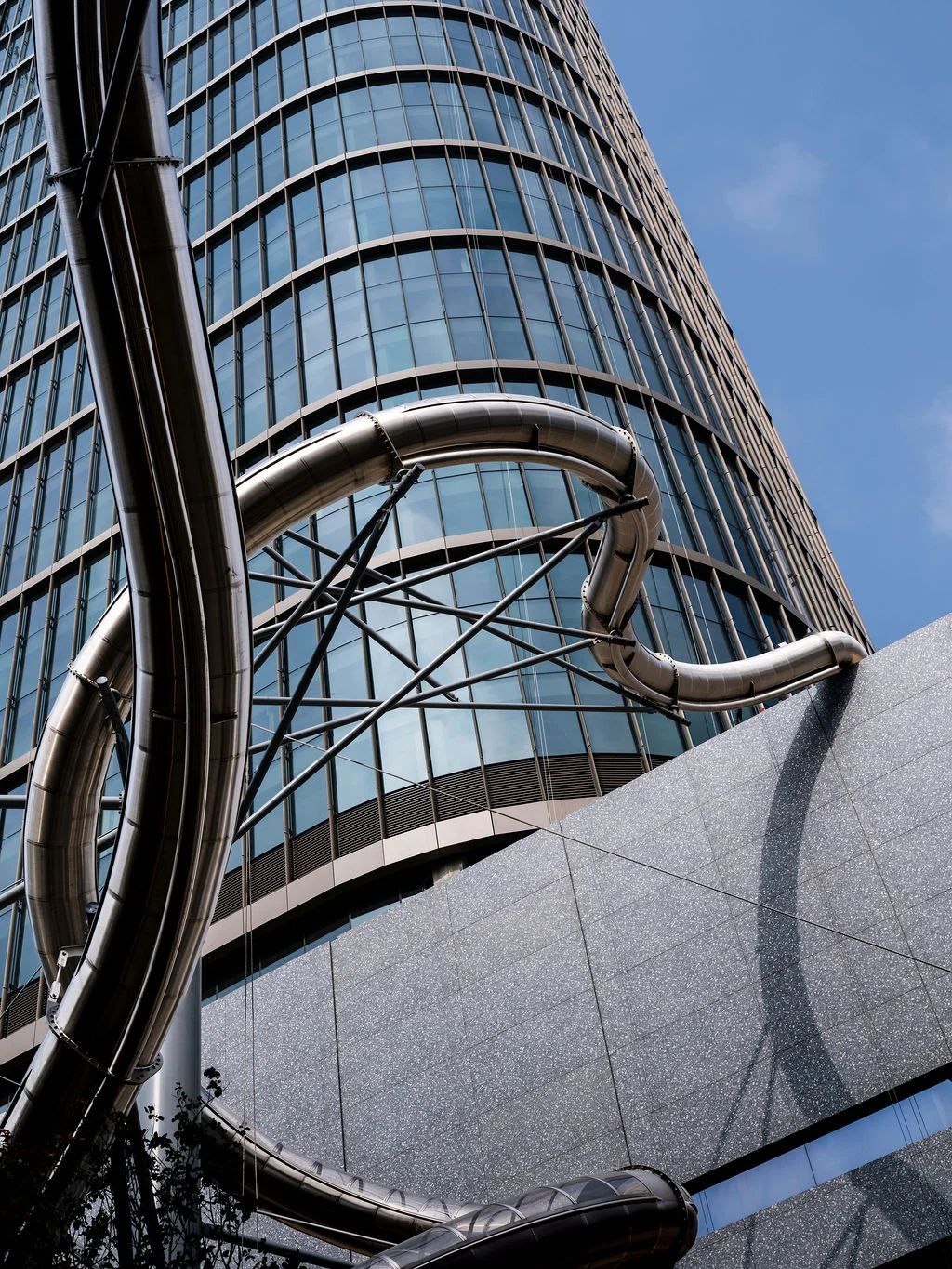
The skyline of Mexico City is undergoing a transformative shift that blends high-concept contemporary art with functional urban infrastructure. At the heart of this evolution is Antara, a premier mixed-use development in the Colonia Granada neighborhood, which has recently unveiled a series of monumental interactive installations designed to revolutionize how individuals interact with the built environment. Four massive spiral slides, titled Mexico City Slides (2026), have been integrated into the development’s architecture, serving as both aesthetic landmarks and practical conduits for movement. Created by the renowned German-Belgian artist Carsten Höller and commissioned by the developer SOMA, these structures represent the artist’s largest permanent installation to date. The project, designed in collaboration with the leading Mexican architecture firm Sordo Madaleno, signals a new era in urban planning where play, art, and commerce converge to create a holistic public experience.
The Engineering and Artistry of Mexico City Slides
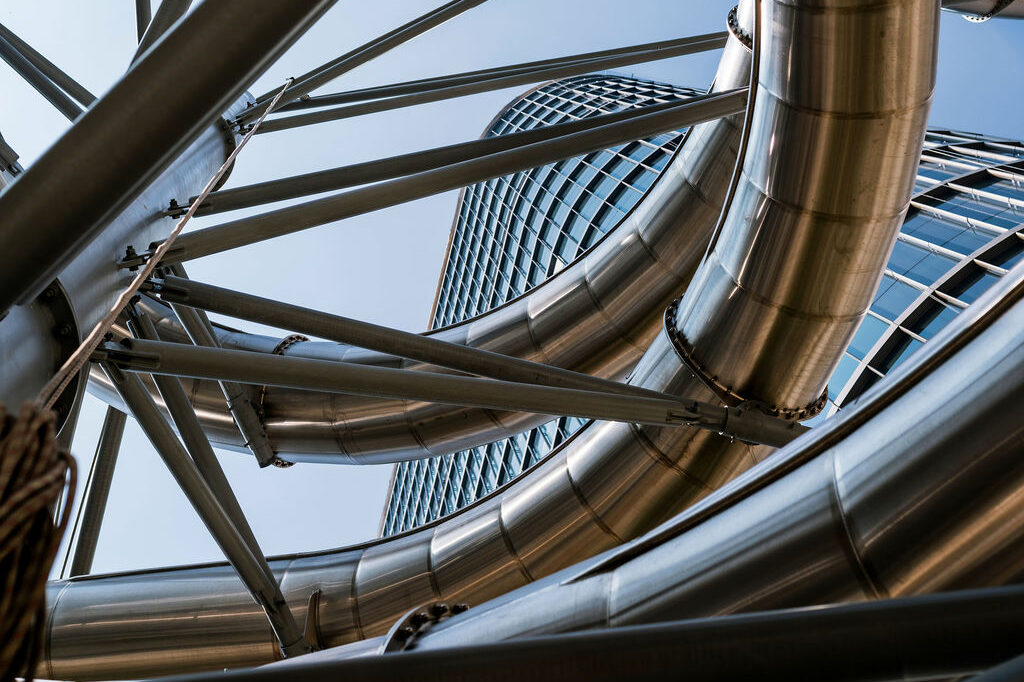
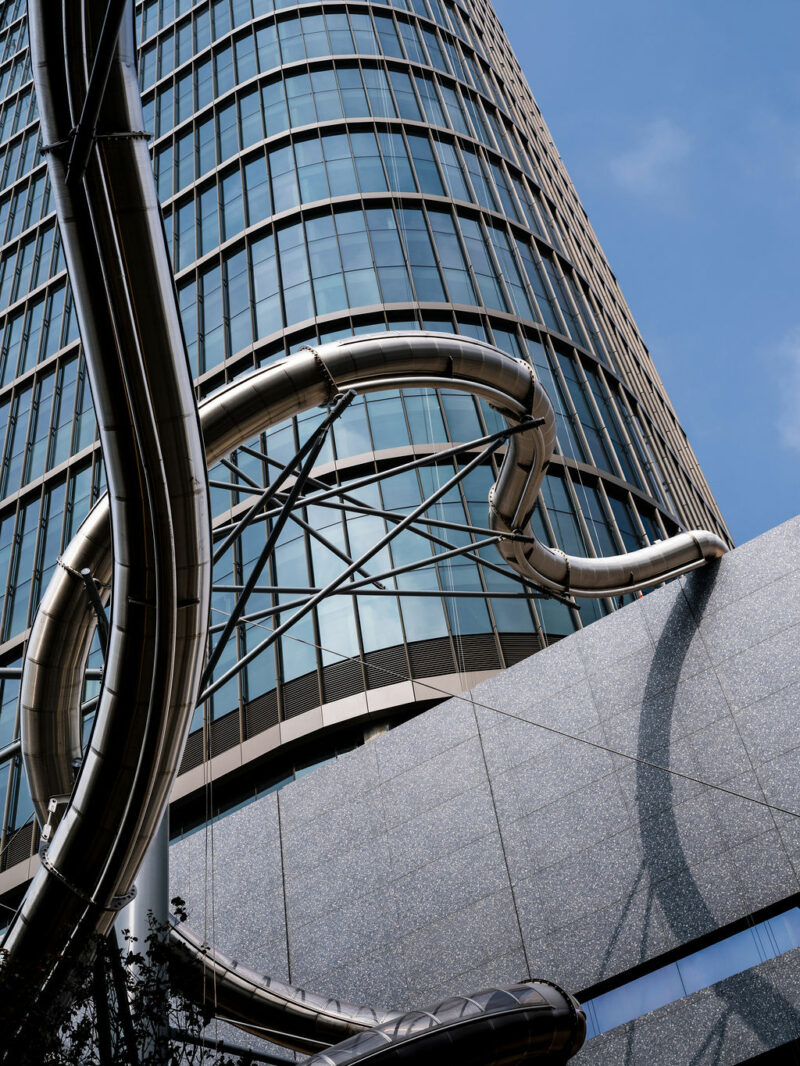
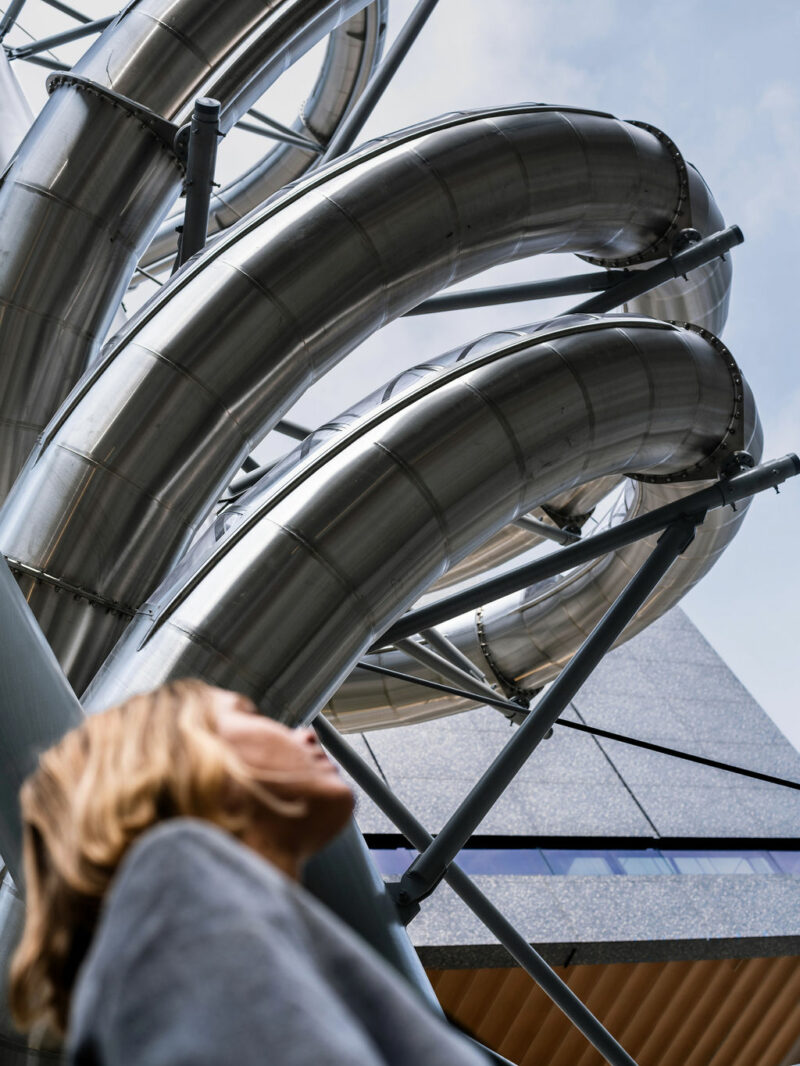
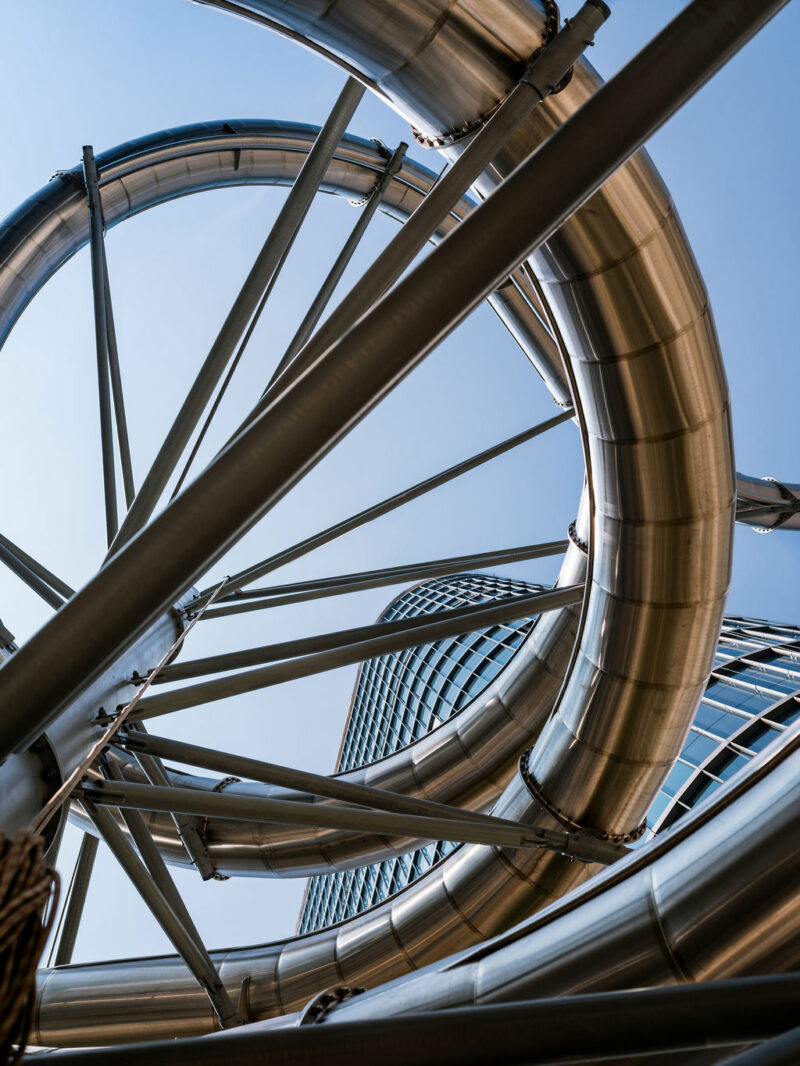
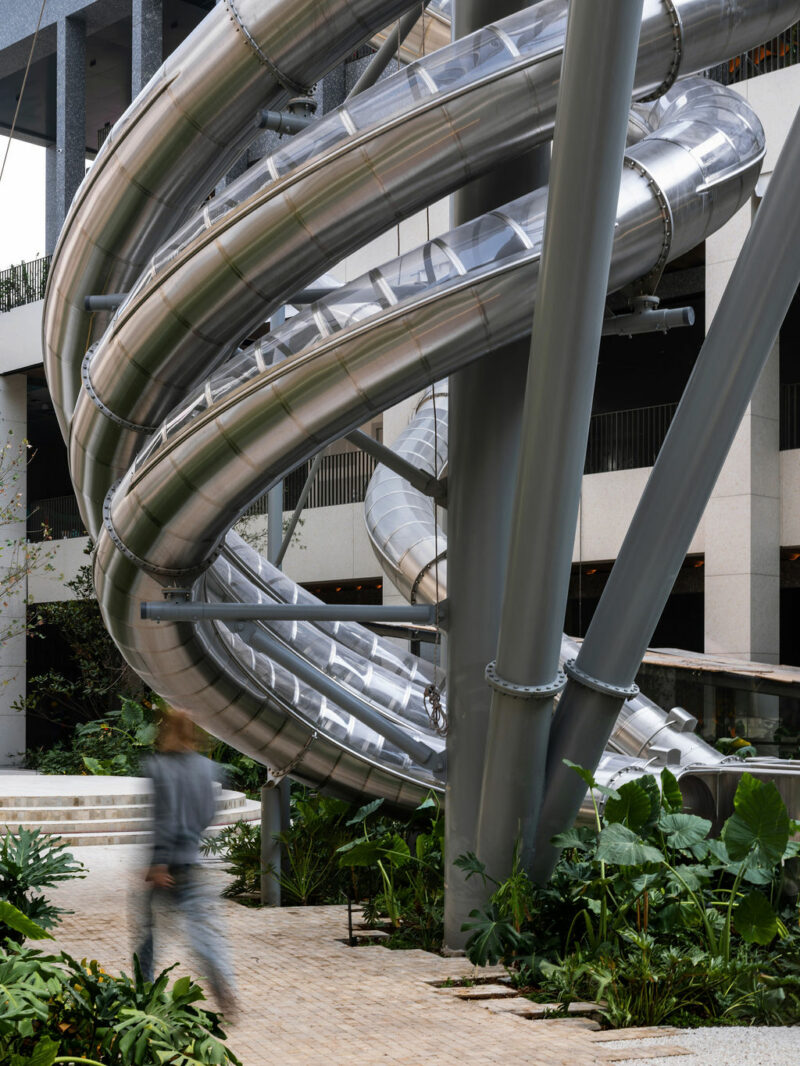
The installation consists of four distinct spiraling structures that vary significantly in scale and trajectory. These slides are not merely playground equipment but are engineered as sophisticated architectural components. The largest of the four stands at an impressive 125 feet (approximately 38 meters) in height, with a sliding length that extends nearly 295 feet (90 meters). The smaller iterations range down to 39 feet in height and 102 feet in length. Constructed from high-grade stainless steel and featuring transparent polycarbonate covers, the slides offer participants a high-speed descent that provides fleeting, kaleidoscopic views of the surrounding cityscape.
Carsten Höller, who holds a doctorate in agricultural science and frequently incorporates themes of human perception and psychology into his work, has long utilized slides as a medium for artistic expression. His previous notable works include the Test Site installation at London’s Tate Modern in 2006 and the Vitruvian Slide at the Vitra Campus in Weil am Rhein. However, the Antara project is unique due to its permanent nature and its direct integration into a multi-use commercial and corporate ecosystem. Höller’s philosophy centers on the idea of the "voluntary loss of control." By entering the slide, the user transitions from a state of controlled movement—walking through a lobby or riding an elevator—into a state of kinetic uncertainty. This "dreamlike territory," as Höller describes it, is intended to evoke a mixture of joy and fear, momentarily stripping away the rigid social protocols of an office or luxury retail environment.
Architectural Integration and the Evolution of Antara
The expansion of Antara marks a significant milestone for the site, which originally opened in 2006 on a plot of land that was once an industrial zone. Designed by Sordo Madaleno, the original development was a pioneer in Mexico City’s "open-air" retail movement, moving away from the enclosed, climate-controlled malls of the late 20th century. Over the past two decades, the area surrounding Antara—often referred to as "Nuevo Polanco"—has transformed into a dense corridor of culture, finance, and high-end residential living, anchored by institutions such as the Museo Soumaya and the Museo Jumex.
The 2026 expansion focuses on densification and the enhancement of public space. The slides serve as a physical connective tissue between the diverse functional zones of the complex. They descend from various points of origin, including high-level retail terraces, dining decks, and corporate office floors currently occupied by global tech giant Google. The slides also connect to the forthcoming Rosewood Mexico City hotel, a 43-story tower that will feature 163 guest rooms and suites. By funneling people from these disparate environments—a tech executive, a hotel guest, and a weekend shopper—into a single landing zone, the architecture facilitates unexpected social intersections.
The Role of Public Space and the SOMA Vision
For Javier Sordo Madaleno De Haro, president of SOMA, the inclusion of the Höller slides and the broader investment in public amenities is a strategic move to ensure the long-term viability of the urban fabric. The expansion includes a new 26,000-square-foot public garden, which acts as a green lung for the densely built Granada district. This garden, characterized by stepped terraces and indigenous landscaping, is designed to be accessible to the general public, not just patrons of the development’s commercial outlets.
SOMA’s leadership has articulated a philosophy that prioritizes "social value" as a driver of economic value. In an era where e-commerce threatens traditional retail models, developers are increasingly looking toward "experience-based" destinations. By offering a free, world-class art installation that doubles as a form of transportation, Antara differentiates itself from conventional commercial centers. The developers posit that the most valuable aspect of a modern building is not its internal square footage, but its contribution to the surrounding neighborhood’s quality of life.
Cultural Programming: Arte Abierto and Superflex
Complementing the permanent installation of the slides is a robust cultural program managed by Arte Abierto, SOMA’s non-profit contemporary art foundation. In December 2026, the foundation will inaugurate its new permanent home, Arte Abierto Polanco, within the Antara complex. This venue is intended to bridge the gap between private development and public cultural access, hosting exhibitions that engage with themes of architecture, ecology, and social systems.
The inaugural exhibition at the new venue, titled Now What (2026), is produced by the Danish artist collective Superflex. Known for their diverse practice that includes film, installation, and "tools" for social change, Superflex’s work at Antara will examine the intersection of man-made structures and the natural world. The exhibition is expected to utilize a combination of sculpture and text to prompt visitors to reflect on how urban design influences human behavior and our relationship with the environment. This programming ensures that Antara functions as a cultural destination in its own right, standing alongside the established museums of the Polanco district.
Economic and Urban Implications
The expansion of Antara adds over 80 new retail brands and concepts to the development, bringing the total number of establishments to 260. This increase in commercial density is balanced by the massive verticality of the new 43-story tower. The inclusion of the Rosewood Mexico City hotel is particularly significant for the local economy, as it marks the entry of one of the world’s most prestigious luxury hospitality brands into the heart of the city’s business district. The hotel will include a comprehensive suite of amenities, such as a destination spa, multiple dining venues, and an outdoor pool deck, further cementing the area’s status as a hub for international business and tourism.
From an urban planning perspective, the integration of the slides and the public garden addresses the "last mile" of movement within a large-scale development. Traditional skyscrapers often isolate their occupants within specific floors; the Mexico City Slides challenge this vertical isolation. The project also reflects a broader global trend in architecture where "play" is integrated into corporate environments to foster creativity and reduce stress. By placing these slides in a location where Google employees might use them to exit their office, the project aligns with the biophilic and wellness-oriented design trends currently dominating the global workplace market.
Chronology of Development and Public Access
The timeline for the Antara expansion has been a multi-year journey of planning and construction. While the original retail center has remained operational, the new public gardens and landscaped pathways are now open to the public, providing immediate relief in a neighborhood known for its concrete-heavy industrial past. The highly anticipated Mexico City Slides and the Superflex exhibition are slated for their official grand opening in December 2026.
Crucially, access to the Höller slides will be free of charge. This decision is central to the project’s mission of democratizing art. While the slides are located within a luxury development, they are positioned as a public utility and a shared cultural experience. This accessibility is expected to draw significant foot traffic from across the Mexico City metropolitan area, positioning Antara as a primary landmark on the city’s contemporary art map.
Analysis of Impact
The Mexico City Slides project at Antara represents a successful case study in how private development can enhance public life through the lens of contemporary art. By commissioning a high-profile artist like Carsten Höller to create a functional piece of infrastructure, SOMA and Sordo Madaleno have moved beyond the traditional "plop art" model—where a sculpture is simply placed in a plaza—toward a model of "integrated art."
The project’s impact is likely to be three-fold. Locally, it provides a much-needed public space and a unique attraction for the residents of Granada and Polanco. Economically, it strengthens Antara’s position as a premier commercial destination by offering an experience that cannot be replicated online. Globally, it serves as a bold example for architects and urban planners, demonstrating that even the most corporate environments can benefit from a sense of whimsy, spontaneity, and the "unknown territory" of play. As cities worldwide grapple with the need to make urban centers more livable and engaging, the spirals at Antara offer a compelling, high-speed vision of the future.