admin
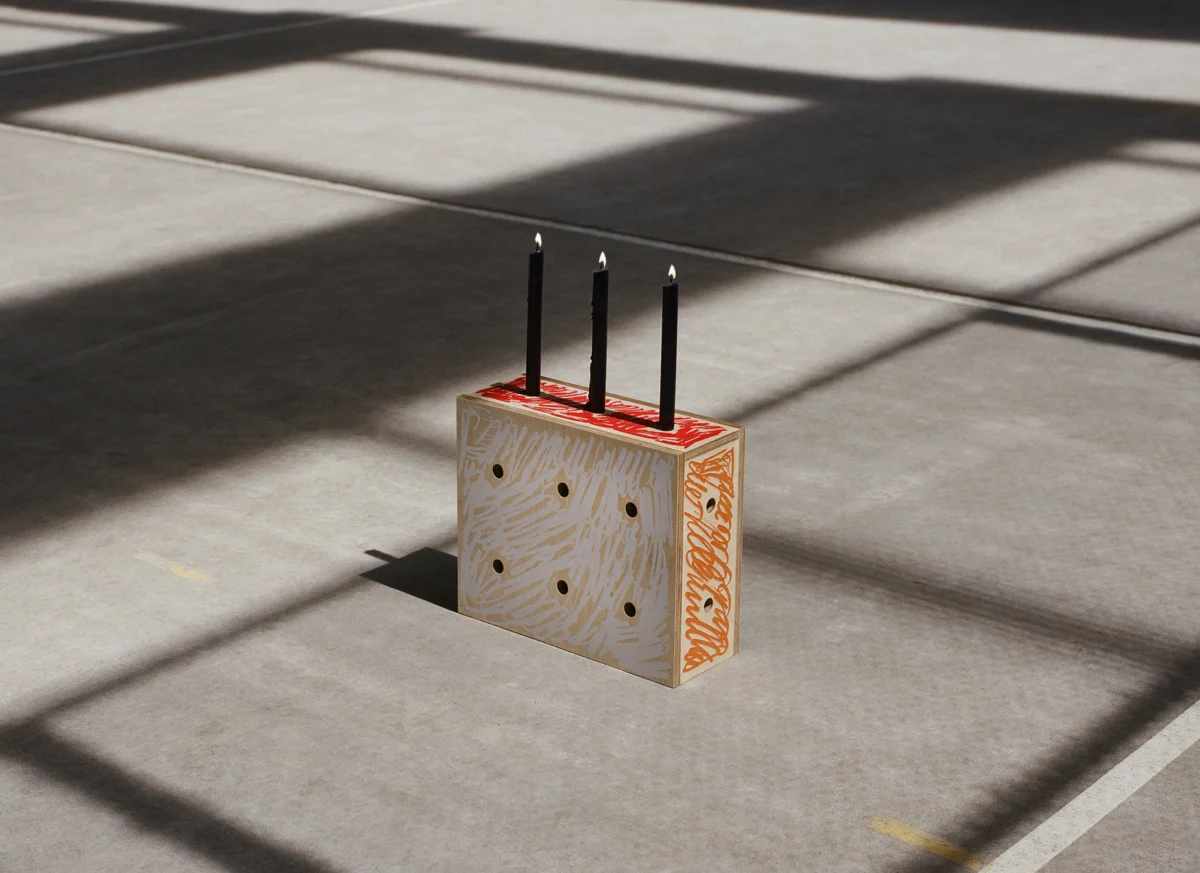
The contemporary collectible design gallery Piscina, located in the Red Hook neighborhood of Brooklyn, has launched a comprehensive group exhibition titled Candelabra Palaver, featuring the work of approximately 80 artists and designers. Opened on November 14, 2026, the exhibition centers on the reinterpretation of the candleholder, an object defined by a singular, utilitarian requirement: to maintain a candle in an upright position. By stripping away prescriptive aesthetic guidelines and material constraints, the gallery has curated a diverse collection that challenges the boundaries between domestic utility and fine art. The exhibition, which resulted from an open call for submissions, highlights the creative breadth of the New York design community and its international peers, offering a panoramic view of how a simple functional brief can yield a vast spectrum of formal expressions.
The Conceptual Framework of Candelabra Palaver
The title of the exhibition, Candelabra Palaver, serves as a linguistic foundation for the show’s playful yet rigorous premise. The term "palaver" traditionally refers to prolonged and idle discussion, unnecessary fuss, or a gathering of voices with varying opinions. In the context of the gallery, this "fuss" is directed toward the candleholder—a household object that has remained fundamentally unchanged for centuries. By inviting 80 different practitioners to offer their "opinion" on the form, Piscina has transformed the gallery into a space of visual conversation.
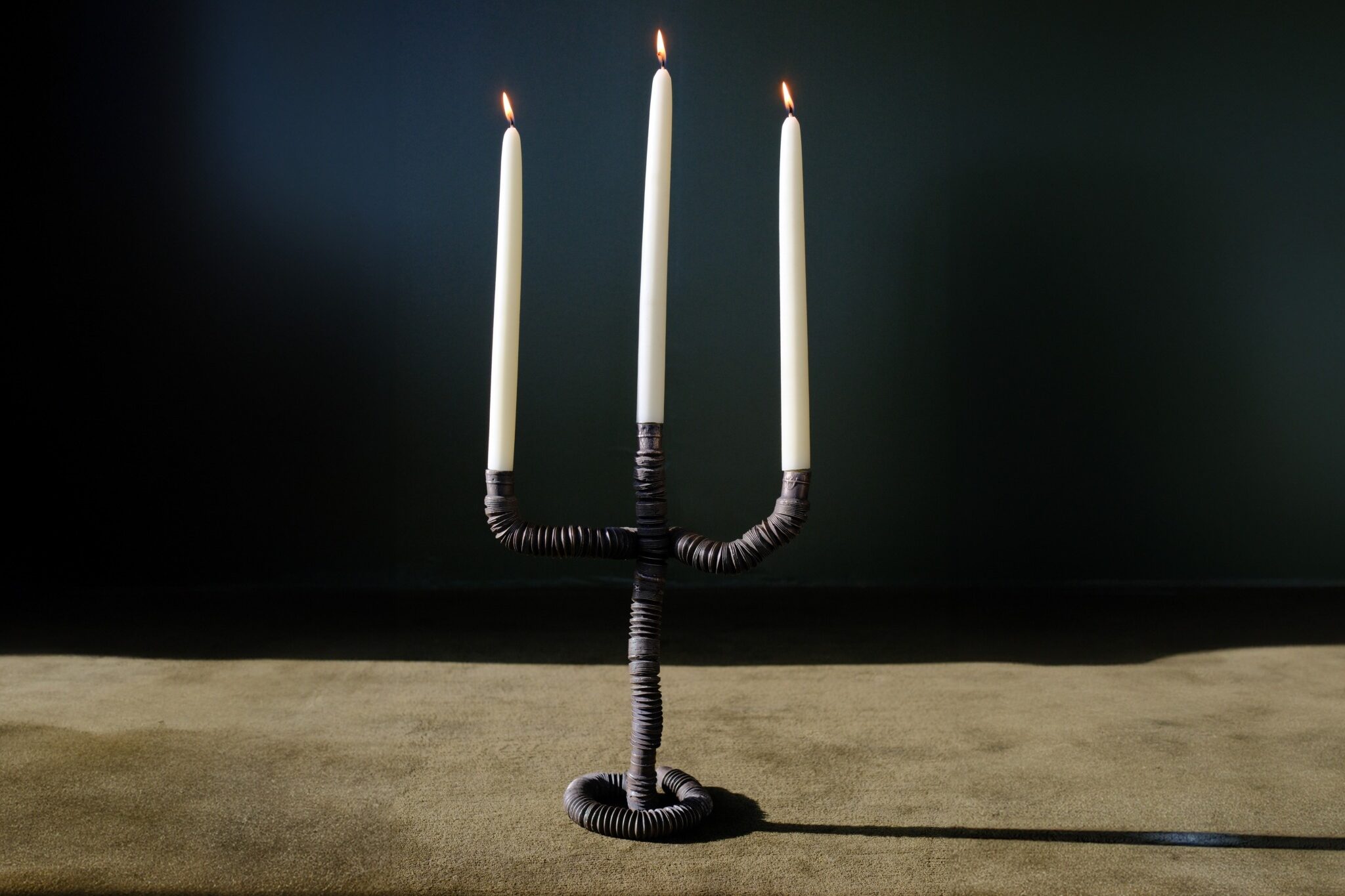
The brief provided to the participating artists was intentionally minimal: create an object that holds a candle. There were no requirements regarding scale, material, or production method. This lack of restriction allowed contributors to apply their specific studio practices—ranging from industrial design and furniture making to ceramics and abstract sculpture—to the project. The resulting works range from minimalist metal structures that emphasize geometric precision to exuberant, organic forms that prioritize narrative and texture over traditional symmetry.
Chronology and Evolution of Piscina
The opening of Candelabra Palaver marks a significant milestone in the evolution of Piscina as a cultural institution in Brooklyn. Founded in 2013 by artist and furniture designer Natalie Shook, the entity began its life as a cooperative studio space. Over the subsequent decade, Shook navigated the shifting landscape of the New York design scene, gradually transitioning the organization from a shared workspace into a formal gallery and showroom.
The timeline of Piscina’s growth reflects a broader trend in the Brooklyn design world toward "collectible design"—a category that occupies the space between mass-produced furniture and one-of-a-kind gallery art. In early 2026, Piscina underwent a significant physical expansion, introducing a dedicated gallery space alongside its reimagined showroom in Red Hook. This expansion was designed to provide a more robust platform for independent artists and designers who operate outside the traditional commercial manufacturing circuit. Candelabra Palaver serves as a culminating event for this inaugural year of the gallery’s expanded format, timed to coincide with the winter season when lighting and domestic gatherings take on increased cultural and atmospheric importance.

A Diverse Roster of Participants and Disciplines
The exhibition brings together a wide array of talent, bridging the gap between established design studios and emerging individual practitioners. Among the participating studios are Fort Standard, known for their rigorous approach to materials and craftsmanship; Kin & Company, a practice recognized for its exploration of metalwork and spatial dynamics; and the Office of Tangible Spaces, which focuses on the intersection of architecture and object design. Other notable studio contributors include Studio Daae and Atelier Musset, both of whom bring a distinct European-influenced sensibility to the collection.
The roster of individual contributors is equally varied, including designers such as Sophie Collé, whose work often explores vibrant color and postmodern forms; Steven Bukowski, a furniture designer known for his playful yet disciplined silhouettes; and Kaye Blegvad, an artist whose work frequently incorporates figurative and illustrative elements. The inclusion of Hanna Anonen and Fitzhugh Karol further illustrates the exhibition’s reach, incorporating voices that work across different media and scales.
This diversity of participants ensures that the exhibition is not dominated by a single "look" or trend. Instead, it offers a cross-section of the current state of independent design. For instance, the contribution from Fort Standard emphasizes the structural integrity of metal, utilizing geometric cutouts to hold tapers in a way that feels both ancient and futuristic. In contrast, the work of Dustin Barzell features illuminated resin pillars connected by delicate wires, pushing the concept of the candleholder into the realm of light-based installation art.

Supporting Data and Material Trends in Collectible Design
The 80 pieces on display in Candelabra Palaver provide a wealth of data regarding current material preferences in the collectible design market. An analysis of the exhibition reveals several key trends:
- Materiality: Approximately 40% of the works utilize traditional materials such as bronze, steel, or aluminum, often finished with patinas that suggest longevity and weight. Another 30% of the pieces are ceramic or stone-based, reflecting a continued interest in "earthy" and tactile objects. The remaining 30% explore contemporary or unconventional materials, including 3D-printed polymers, cast resin, and reclaimed glass.
- Scale and Proportion: While the majority of the objects are designed for standard taper candles (roughly 7/8 inch in diameter), the heights of the holders vary significantly. Some pieces are low-profile "button" holders, while others stand over two feet tall, functioning as floor-standing candelabras that command significant floor space.
- Functionality vs. Sculpture: While all objects in the show are functional, a qualitative assessment suggests that nearly half of the participants prioritized the "sculptural" aspect of the brief. These pieces are intended to serve as aesthetic focal points even when a candle is not present or lit.
The market for these objects is also a point of interest. All works in the exhibition are available for purchase, with price points reflecting the labor-intensive nature of independent production. This accessibility allows for a wider range of collectors to engage with the gallery, as smaller objects like candleholders often serve as entry points for individuals beginning to invest in collectible design.
Official Responses and Curatorial Intent
While official statements from the artists were varied, the overarching sentiment gathered from the exhibition’s opening night was one of liberation. Natalie Shook, as the founder and lead curator, noted that the objective was to provide a "low-stakes, high-creativity" environment. By focusing on a small, familiar object, the pressure of large-scale furniture production was removed, allowing designers to experiment with forms they might not otherwise explore in their primary commercial work.
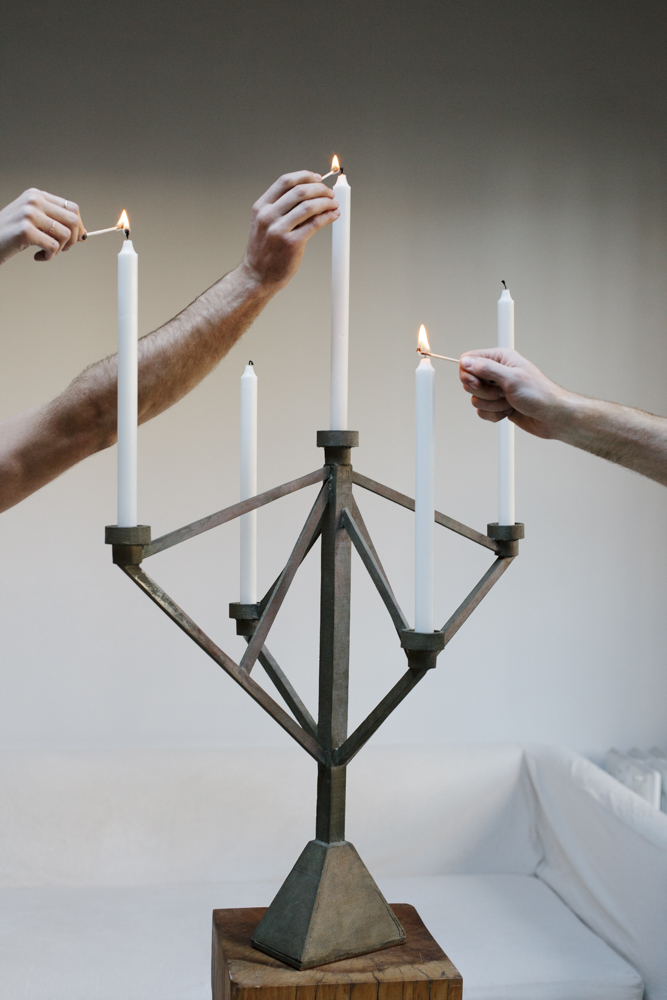
Inferred reactions from the participating design community suggest that Candelabra Palaver provided a necessary "creative palate cleanser." Several designers noted that the simplicity of the candleholder allowed them to focus on pure materiality—testing how a specific wood grain reacts to a flame’s light or how a particular metal casting technique can be miniaturized. The exhibition has been described by attendees as a "celebration of the superfluous," arguing that the "palaver" or "fuss" made over these objects is what elevates them from mere tools to significant cultural artifacts.
Broader Impact and Implications for the Design Industry
The success of Candelabra Palaver carries several implications for the broader design industry. First, it reinforces the importance of the "open call" model in maintaining a healthy and inclusive creative ecosystem. By opening the doors to 80 different participants, Piscina has bypassed the gatekeeping often associated with high-end design galleries, fostering a sense of community within the Red Hook neighborhood and the wider New York area.
Secondly, the exhibition highlights the enduring relevance of analog objects in an increasingly digital world. The act of lighting a candle is a slow, ritualistic process that stands in contrast to the instant gratification of smart-home lighting systems. The popularity of the show suggests a growing consumer desire for objects that encourage mindfulness and a slower pace of life.

Finally, the exhibition underscores the role of the gallery as a laboratory. When a candleholder is treated as a sculptural inquiry, it allows for the development of new aesthetic languages that may eventually influence larger-scale furniture and architectural trends. The "palaver" at Piscina is, therefore, more than just idle talk; it is a vital exchange of ideas that shapes the visual culture of the domestic interior.
Candelabra Palaver will remain on view at Piscina in Red Hook, Brooklyn, through December 31, 2026. As the exhibition continues, it stands as a testament to the idea that even the most basic functional requirements can serve as a catalyst for profound creative exploration. In a world of complex technology, the simple act of holding a candle remains a fertile ground for the imagination of the modern designer.