admin
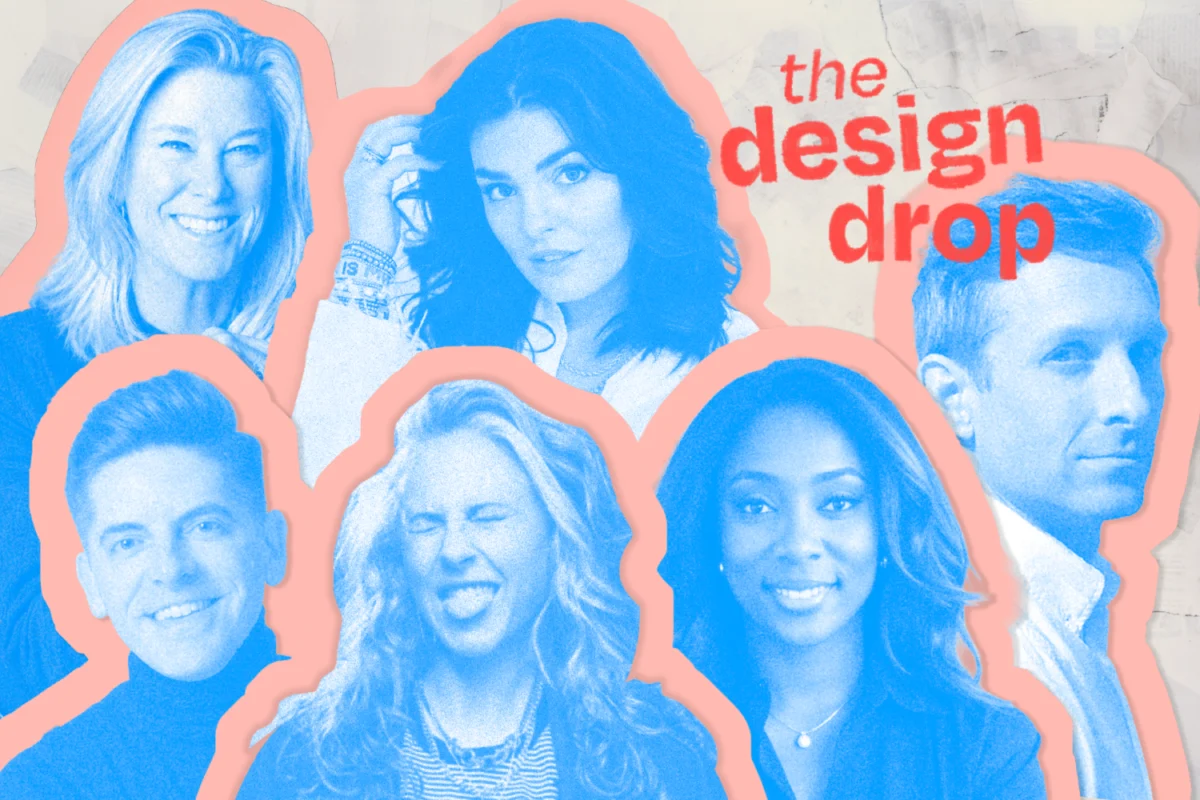
The design industry is currently navigating a period of significant demographic and cultural transition, as a new generation of creative professionals enters a workforce defined by rapid technological change and shifting professional expectations. Central to this evolution is the emergence of new platforms for professional development that prioritize transparency over traditional, polished success narratives. One such initiative, The Design Drop, produced by SURROUND and SANDOW Design Group, recently concluded its inaugural six-episode season, offering a comprehensive look at the realities of contemporary design careers. Hosted by Caroline Murphy, futureGen Engagement Lead at SANDOW Design Group, the podcast serves as a strategic bridge between established industry titans and emerging Gen Z talent, focusing on the mistakes, detours, and "unspoken rules" that are rarely addressed in formal design curricula or corporate handbooks.
The launch of The Design Drop coincides with a broader industry movement toward "authentic mentorship," a concept that moves away from top-down instruction toward shared experience and vulnerability. As the design sector grapples with high turnover rates among junior staff and a shifting landscape in residential and commercial interiors, the insights garnered from this first season provide a roadmap for how the industry might better support its burgeoning talent.
The Strategic Framework of futureGen and SANDOW Design Group
To understand the impact of The Design Drop, one must first examine the institutional context provided by SANDOW Design Group. As a multi-platform media and services company, SANDOW oversees influential brands such as Interior Design, Metropolis, and LUXE Interiors + Design. The creation of the "futureGen" Engagement Lead role, held by Caroline Murphy, signals a dedicated investment in the longevity of the design profession. Murphy, a trained interior designer and graduate of the University of Tennessee, Knoxville, previously founded the Young Designers Collective in Nashville, an organization aimed at fostering connections among emerging professionals.
The futureGen initiative is designed to address a critical gap in the professional ecosystem: the transition from academic theory to professional practice. According to industry data, while design schools provide rigorous technical training, many graduates report feeling unprepared for the "soft skills" required in business, such as client management, personal branding, and navigating corporate hierarchies. The Design Drop was conceived as a digital extension of this mission, utilizing the podcast medium to democratize access to high-level industry expertise.
A Chronological Analysis of Season One Insights
The first season of The Design Drop featured a curated selection of voices ranging from furniture designers to global directors of thought leadership. The progression of these conversations reflects a multifaceted view of what it means to build a sustainable career in the 2020s.
The Myth of the Perfect Start
The season opened with a focus on the barriers to entry and the paralyzing effect of perfectionism. Nicolai Czumaj-Bront, a furniture designer and currently a senior design studio manager at Haworth, detailed a career trajectory that lacked a formal, high-end studio beginning. Czumaj-Bront’s early work was conducted at a kitchen table while he balanced a primary role as a consultant. This narrative serves as a factual counterpoint to the "instant success" often depicted on social media.
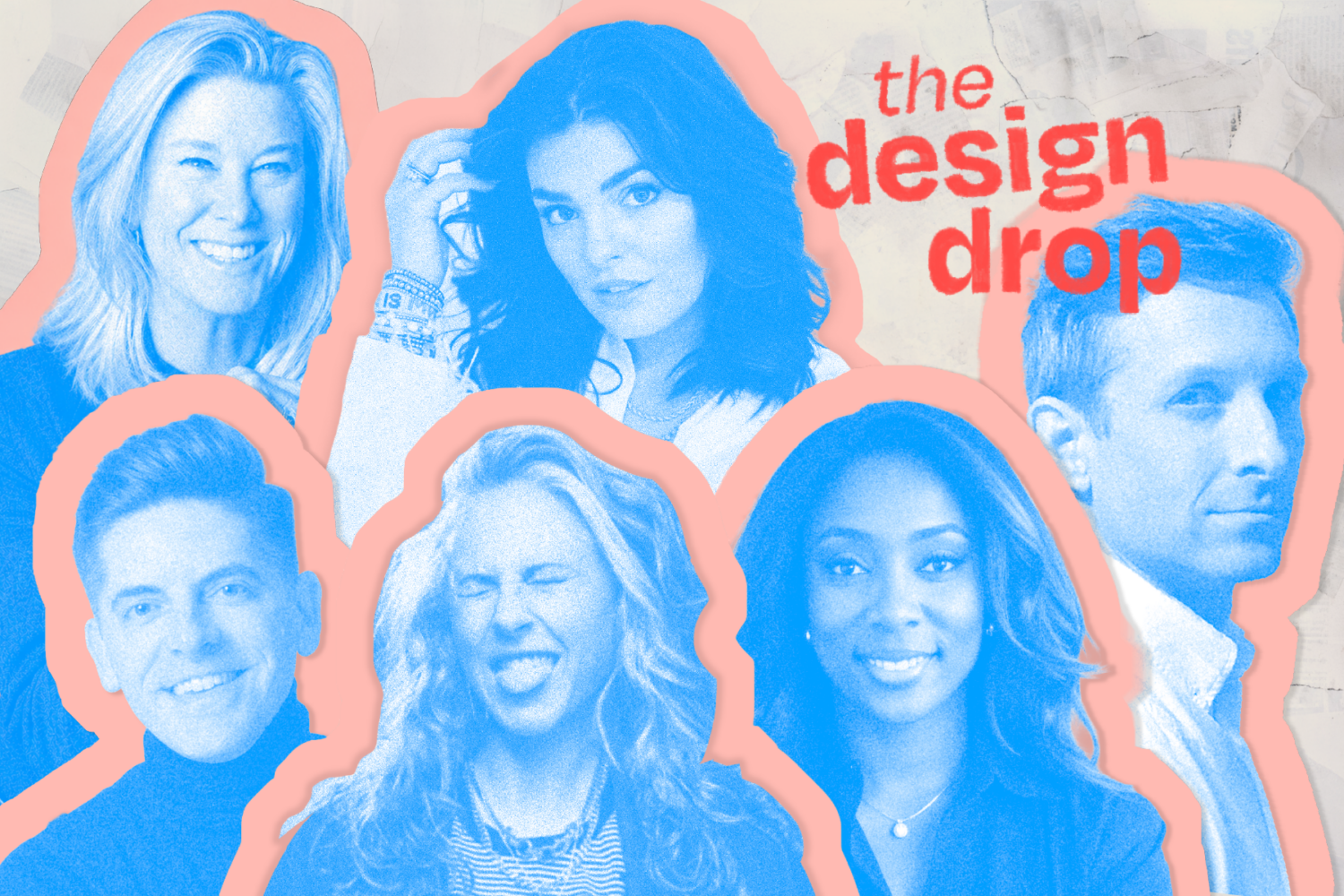
Analysis of this episode suggests that the "qualification gap"—the feeling that one must be perfectly prepared before attempting a new venture—is a primary psychological hurdle for young designers. Czumaj-Bront’s eventual 20-year tenure at Haworth demonstrates that incremental, self-funded beginnings are often more sustainable than heavily capitalized or perfectly planned launches.
Navigating the "People-Pleasing" Paradox
The second thematic pillar of the season involved the psychological toll of professional service. Dan Mazzarini, founder of Mazzarini & Co., addressed the inherent tension in design: the desire to please clients versus the need to maintain a unique creative voice. Mazzarini’s reflections on "professional people-pleasing" highlight a systemic issue in the design industry, where the service-oriented nature of the work can lead to a loss of professional identity.
From a journalistic perspective, this highlights a broader shift in management theory within design firms. Firms are increasingly recognizing that employee burnout is often linked to the inability to set boundaries with clients. Mazzarini’s insights suggest that confidence in one’s perspective is a prerequisite for long-term career viability, rather than a byproduct of it.
The Rise of the "Accidental Influencer"
The third episode featured Clare Sullivan, an interior designer who transitioned into content creation. Sullivan’s career path exemplifies the "side quest" phenomenon, where secondary interests or digital platforms become the primary professional vehicle. Sullivan began her career in residential design before building a content platform at a time when "design influencer" was not an established career path.
This shift reflects the diversification of the design economy. Data from the U.S. Bureau of Labor Statistics and industry market reports indicate that the digital design space is expanding faster than traditional architectural services. Sullivan’s success underscores the importance of adaptability and the willingness to embrace "accidental" opportunities that arise outside of traditional firm structures.
Seasonal Shifts and the Concept of Data Collection
The latter half of the season shifted toward long-term career sustainability and the importance of diverse experiences. Kay Sargent, Senior Principal and Director of Thought Leadership at HOK, provided a high-level perspective on the "seasons" of a career. Sargent’s work at HOK—a global architecture and design firm—focuses on how the physical environment impacts human behavior and performance.
Sargent’s contribution to the podcast centered on the idea that professionals do not need to achieve total work-life balance at every stage of their lives. Instead, different periods of a career allow for different focuses—whether that be intense technical growth, leadership development, or personal priorities. This perspective is particularly relevant in the post-pandemic era, as firms struggle to implement flexible work policies that satisfy both organizational needs and individual well-being.

Furthering this theme of exploration, Jessica O. Matthews, an inventor and entrepreneur who founded Uncharted, discussed the value of "collecting data" in one’s 20s. Matthews, who invented an energy-generating soccer ball at the age of 19, argued that experiences outside of one’s primary industry are often the most valuable. This interdisciplinary approach is increasingly seen as a requirement for innovation in design, where technology, sustainability, and sociology intersect.
Merchandising and Personal Branding: The Final Word
The season concluded with Kelly Cooper, a merchandising expert with experience at Nike, Levi’s, and Universal Music Group. Cooper’s inclusion in a design-focused podcast highlights the blurring lines between product design, merchandising, and personal brand advocacy. Her advice on "doing the quiet thing"—finding a version of success that is personally fulfilling rather than socially performative—addresses the mental health challenges associated with the "comparison culture" of the modern workplace.
Industry Implications and Supporting Data
The reflections shared by Murphy and her guests point to several critical trends that will likely shape the design industry over the next decade:
- The Mentorship Gap: According to a 2023 survey by the American Society of Interior Designers (ASID), nearly 40% of young professionals cited a "lack of mentorship" as a primary reason for considering a career change. Platforms like The Design Drop act as a scalable form of mentorship that reaches individuals who may not have access to senior leaders within their own firms.
- Interdisciplinary Flux: The career paths of Matthews and Sullivan suggest that the most resilient designers will be those who can operate at the intersection of multiple fields. The traditional "siloed" approach to design education is being challenged by a market that demands proficiency in digital media, environmental science, and business strategy.
- The "FutureGen" Demographic Shift: By 2025, Gen Z will make up 27% of the global workforce. This generation prioritizes transparency, mental health, and social impact. The Design Drop’s focus on mistakes and detours aligns with these values, suggesting that firms that adopt a more "human-centric" approach to professional development will have a competitive advantage in talent retention.
Official Responses and Strategic Outlook
While Haworth, the primary sponsor of the season, has not issued a formal post-season statement, their involvement underscores the furniture giant’s commitment to "knowledge sharing." Haworth has a long history of investing in research and education, and their support of a podcast focused on the "unspoken rules" of the industry aligns with their broader goal of being a thought leader in the workspace environment.
SANDOW Design Group has indicated that the success of the first season of The Design Drop will inform future programming for the SURROUND podcast network. The network, which also features shows like Barrier Free by Design and The Wellness + Design Podcast, is positioning itself as a central hub for specialized design discourse.
Conclusion: Redefining Professional Success
The first season of The Design Drop has successfully moved the needle on how career advice is dispensed within the design community. By moving away from the "polished success story," the podcast provides a more accurate, albeit more complex, picture of the professional landscape. The lessons identified—the value of starting without a plan, the necessity of trusting one’s own perspective, and the importance of seeing the 20s as a period of data collection—provide a framework for the next generation of designers to build careers that are not only successful but also sustainable and authentic.
As the industry moves forward, the "Design Big Sister" model championed by Caroline Murphy may become the new standard for professional engagement. In an era where technology can automate many technical design tasks, the human elements of the profession—resilience, adaptability, and the ability to navigate complex professional relationships—remain the most valuable assets a designer can possess. The Design Drop has laid the groundwork for a more transparent and supportive industry culture, one episode at a time.