admin
admin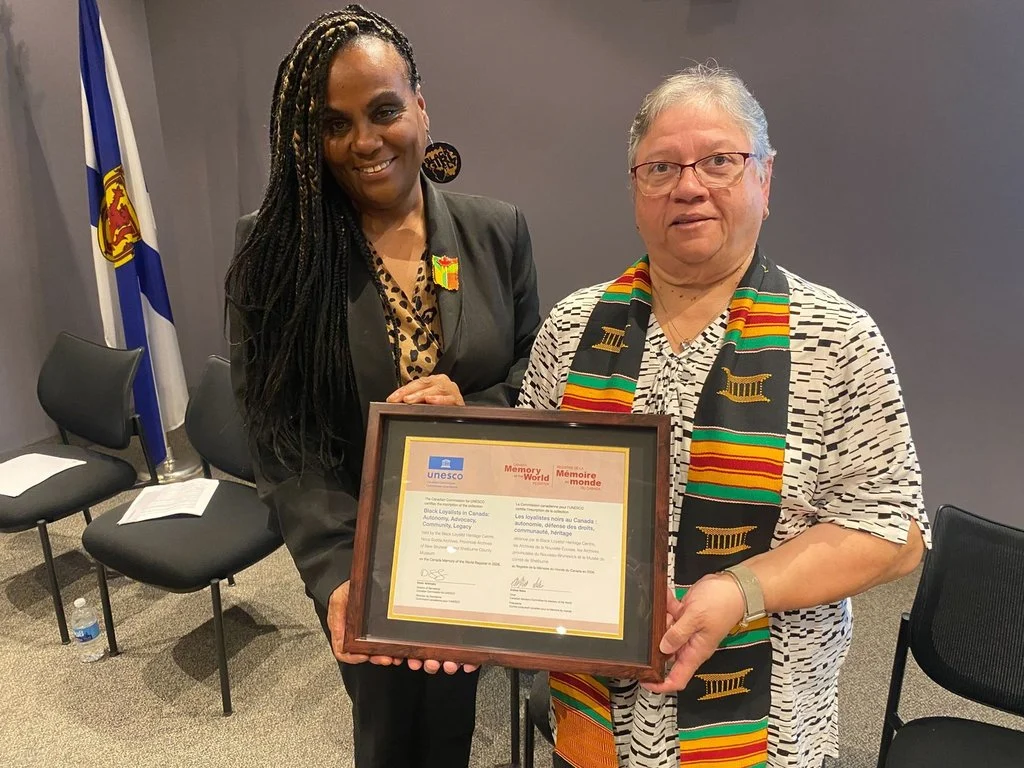
Detailed ledgers, business receipts, and church records spanning from the 1780s and beyond, originating from Black Loyalists, represent far more than mere historical texts to Andrea Davis; they are the tangible threads of her ancestry and a cornerstone of her community’s identity. These vital documents, meticulously preserved, have now received national recognition through their inscription on UNESCO’s Canada Memory of the World Register, an honour that underscores their profound significance to the nation’s documentary heritage. The announcement, made on a recent Saturday, marks a pivotal moment for the Black Loyalist community and for the broader understanding of Canadian history, acknowledging the extraordinary resilience and agency of a people who fundamentally shaped the Maritimes.
The Inscription: A National Recognition
The archival collection, aptly titled “Black Loyalists in Canada: Autonomy, Advocacy, Community, Legacy,” is a collaborative effort by the Nova Scotia Archives, the Black Loyalist Heritage Centre, the Shelburne County Museum, and the Provincial Archives of New Brunswick. Its addition to UNESCO’s Canada Memory of the World Register signifies its status as documentary heritage of immense national importance. This register, administered by the Canadian Commission for UNESCO, is part of the global Memory of the World Programme, which aims to safeguard and promote access to documentary heritage of universal value. The recognition highlights the collection’s unique ability to provide insight into the lives, struggles, and triumphs of the Black Loyalists, told through their own records and voices.
Andrea Davis, the executive director of the Black Loyalist Heritage Centre in Shelburne, Nova Scotia, was among the key figures recognized during the ceremony. As an eighth-generation descendant of Black Loyalists, her connection to these documents is deeply personal. “This is a part of my history… it means so much to us as a community,” Davis shared in an interview, her voice resonating with pride and emotion. For Davis, these records are not just artifacts; they are a testament to the indomitable spirit of her ancestors who faced unimaginable hardships yet forged a new life in Canada. “My ancestors, they are a group of people that were not meant to survive, but they did. And so to be here to represent the Black Loyalists and my ancestors is extremely rewarding,” she emphasized, underscoring the enduring legacy she carries.
Echoes of History: The Black Loyalist Journey
To fully appreciate the gravity of this inscription, it is essential to delve into the historical context of the Black Loyalists. Their journey began during the tumultuous American Revolution (1775-1783). During the conflict, the British Crown, in a strategic move, offered freedom and land to enslaved African Americans who would abandon their Patriot masters and join the British cause. Proclamations such as Lord Dunmore’s Proclamation of 1775 promised emancipation to those who served, leading thousands to side with the Loyalists. For many, this was not a matter of political allegiance but a desperate pursuit of liberty, a chance to escape the brutal institution of slavery.
Following the British defeat, approximately 3,500 Black Loyalists were evacuated from New York City between 1783 and 1784, primarily to Nova Scotia and New Brunswick. Their names, along with those of other Loyalists, were meticulously recorded in the “Book of Negroes,” a pivotal historical document that served as a register for those departing New York. This record, now part of the Canadian archives, is an invaluable source detailing the individuals who sought freedom in British North America.
Upon their arrival in Nova Scotia, these promised lands and freedoms proved elusive. While some received land, it was often infertile, rocky, or located in remote areas, making farming and self-sufficiency incredibly challenging. Rations and other forms of assistance, also promised by the Crown, were frequently delayed or never materialized. Moreover, the Black Loyalists encountered pervasive racism and discrimination from white Loyalists and pre-existing settlers, who often viewed them with suspicion and hostility. They were relegated to segregated communities, such as Birchtown and Shelburne, which became the largest free Black settlement in North America at the time. Despite these immense obstacles, they persevered, establishing churches, schools, and self-governing bodies, laying the foundations for enduring Black communities in Canada. Many also faced economic exploitation, forced to work for low wages or under indentured servitude to white settlers who had received more advantageous land grants. The stark disparity between the promises made and the realities faced led to widespread disillusionment, prompting some, like the approximately 1,200 Black Loyalists who departed for Sierra Leone in 1792, to seek a more equitable life elsewhere. However, a significant number chose to remain, determined to build a future in their new home.
Voices from the Past: The Power of Archival Records

The archival collection celebrated by UNESCO provides a rare and intimate glimpse into the lives of these early Black Canadian settlers. The documents encompass a wide array of materials: detailed ledgers tracking business transactions, receipts for goods and services, church records documenting births, deaths, and marriages, land petitions advocating for promised plots, legal documentation illustrating their engagement with the justice system, and settlement plans detailing community organization.
John Macleod, manager of the Nova Scotia Archives, highlighted a critical aspect of the collection: its portrayal of the Black Loyalists as active agents in their own destiny. “Part of what makes this collection significant is that the documents show the Black Loyalists speaking for themselves and being agents of their destiny in this time period,” Macleod stated on Saturday. These records are not merely passive accounts of their suffering; they vividly demonstrate their intelligence, their pursuit of justice, and their determination to build thriving communities against all odds. “They are actually going to courts and pleading cases and making their presence known. And that presence of course has persisted for more than 200 years from the settlement of Shelburne,” Macleod added, underscoring the continuity of their impact.
For Andrea Davis, handling these documents evokes a powerful emotional response. “The documents… show their intelligence… show me the strength and resilience that was always there… it’s so emotional and so compelling for me as an eighth generation to have these texts on hand and share it with the next generations after me,” she conveyed. These records serve as a tangible link to a past that defied expectation, a testament to ancestors who refused to be defined solely by the hardships they endured. They demonstrate literacy, economic participation, religious devotion, and community governance – elements often overlooked or suppressed in historical narratives of marginalized peoples.
A Descendant’s Perspective: Legacy and Resilience
The Black Loyalist Heritage Centre, where Andrea Davis serves as executive director, stands as a beacon for the preservation and promotion of this vital history. Located in Birchtown, Nova Scotia, it is not only a museum but also a living testament to the resilience of the Black Loyalist descendants. The centre plays a crucial role in collecting, interpreting, and sharing these stories, ensuring that the legacy of the Black Loyalists remains vibrant and accessible to all. Davis’s leadership at the centre embodies the living connection between the past and the present, ensuring that the sacrifices and triumphs of her ancestors are never forgotten.
The recognition by UNESCO further validates the decades of work undertaken by the Black Loyalist Heritage Centre and other institutions to bring these stories to light. It provides an international platform for a narrative that is integral to understanding the complex tapestry of Canadian identity. For Davis, this is more than just an accolade; it is an affirmation of her family’s history and a renewed mandate to continue educating future generations about the incredible fortitude of the Black Loyalists. The documents on display at the Nova Scotia Archives on Saturday, though centuries old, continue to speak volumes about the strength and determination of those who settled in places like Shelburne, where Davis resides today.
Community and Perseverance: Overcoming Adversity
The ceremony itself was imbued with a sense of reverence and community spirit, featuring musical performances on drums and piano, and a heartfelt prayer from Sheila Hartley-Scott, president of the Black Loyalist Heritage Society’s volunteer board. Hartley-Scott’s words powerfully articulated the challenges faced by their ancestors and the enduring spirit that carried them through.
“Our ancestors were not given very good odds to survive when they arrived here, they suffered unspeakable hardships… not only were they facing hardships, they were facing racism. All they really wanted was (something) better and to be able to raise their family and contribute to their communities,” Hartley-Scott recounted. Her statement encapsulates the profound struggle for dignity and belonging that defined the Black Loyalist experience. Despite broken promises, severe economic disadvantages, and systemic racial discrimination, they continued to strive for a better life for themselves and their descendants. “Our people are people of strength and courage, tenacity, hope and faith,” she concluded, her words echoing the sentiments of generations of descendants who draw inspiration from their ancestors’ perseverance. This collective memory of overcoming adversity serves as a powerful foundation for community building and identity for contemporary Black Canadians.
The Memory of the World Programme: Safeguarding Universal Heritage

David Schimpky, director of secretariat for the Canadian Commission for UNESCO, articulated the broader significance of the inscription. In a statement, he noted, “This archival collection provides a rare and valuable account of the Black Loyalists and their descendants in their own voices. In it, we see the perseverance and dedication that the Black Loyalists brought to building communities despite the immense challenges.” The Memory of the World Programme seeks to identify, register, and protect documentary heritage that holds universal value, ensuring its preservation and accessibility for future generations.
Schimpky further emphasized the critical role of such archival holdings in constructing a comprehensive national narrative. “Archival holdings such as these are central to building understanding of the experiences and impacts of the Black Loyalists in Canada, a story that is important to recognize through inscription on the Canada Memory of the World Register,” he stated. This recognition elevates the Black Loyalist story from a regional narrative to a nationally significant one, acknowledging its integral place within the broader Canadian historical landscape. It also signals a commitment to ensuring that these crucial documents are not only preserved but also made accessible for research, education, and public engagement.
Broader Implications: Shaping Canada’s Historical Narrative
The inclusion of the Black Loyalist archival collection in UNESCO’s Canada Memory of the World Register carries significant implications for Canada’s ongoing efforts to understand its past, promote reconciliation, and foster a more inclusive national identity.
Firstly, it reinforces the understanding that Canadian history is deeply intertwined with the experiences of Black communities. The Black Loyalists were among the earliest significant groups of Black settlers in what would become Canada, and their story is not merely a footnote but a foundational chapter. Their arrival and subsequent struggles and triumphs profoundly shaped the social, economic, and cultural fabric of the Maritime provinces and, by extension, the nation.
Secondly, the collection’s emphasis on the Black Loyalists’ "autonomy and advocacy" challenges simplistic narratives that might portray them solely as victims. Instead, it highlights their agency, their intellectual capacity, their legal acumen, and their unwavering determination to assert their rights and build self-sufficient communities. This perspective is vital for a more nuanced and accurate historical understanding.
Thirdly, this recognition has profound educational implications. The rich detail within these documents offers invaluable primary source material for students, researchers, and the general public. It can inform curricula, inspire academic inquiry, and facilitate public education initiatives that shed light on a often-overlooked aspect of Canadian history. By making these stories more accessible, UNESCO’s inscription helps to correct historical omissions and biases.
Finally, the inscription contributes to the broader dialogue on racial justice and historical redress in Canada. Acknowledging the broken promises and systemic racism faced by the Black Loyalists is a crucial step in confronting historical injustices and fostering reconciliation. It underscores the importance of valuing the contributions of all communities to the nation’s development and ensuring that their histories are properly recognized and celebrated. This act of preservation and recognition serves as a powerful reminder of the enduring legacy of the Black Loyalists and their indelible mark on the Canadian story, prompting ongoing reflection on how historical narratives shape contemporary society.
© 2026 The Canadian Press