admin
admin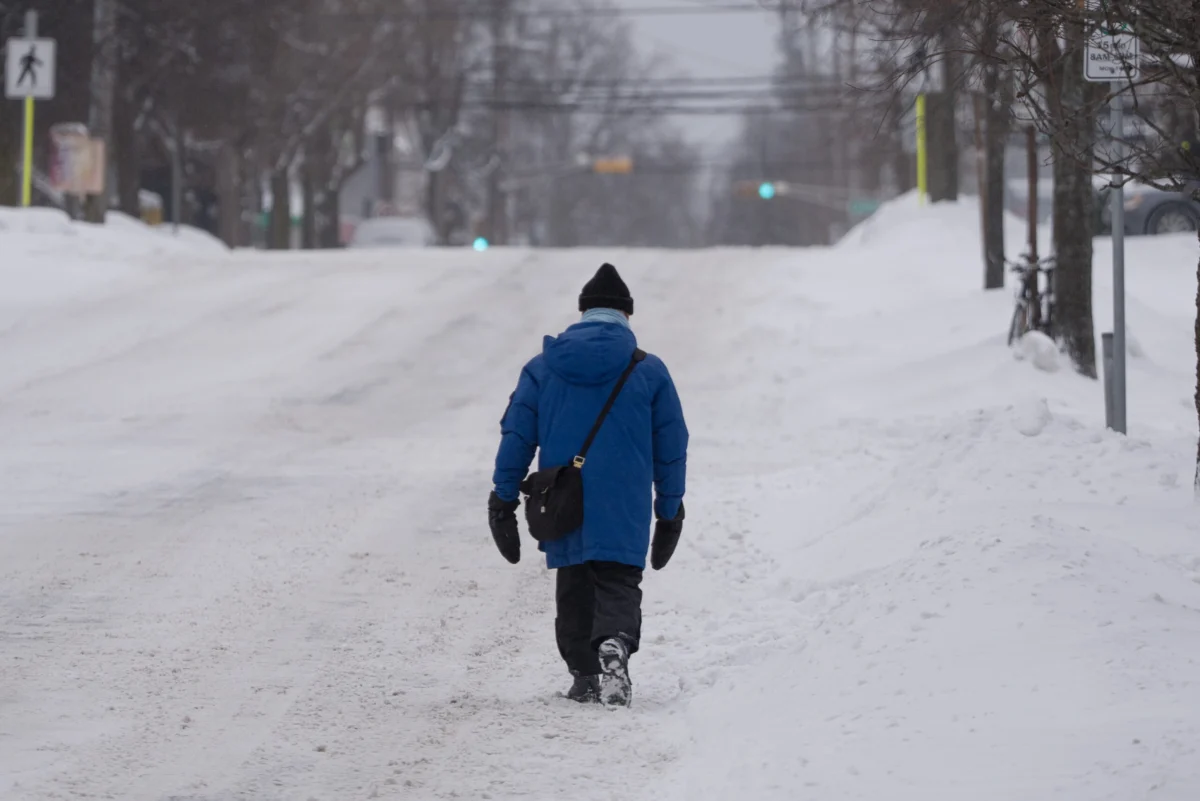
Just two days after the official commencement of spring, a formidable late-winter storm is poised to unleash a substantial blast of snow across vast swathes of Quebec and Atlantic Canada, beginning its initial descent on Sunday, March 23, 2026. This unseasonal weather event is expected to bring widespread disruption, challenging residents and infrastructure with heavy, wet snow, strong winds, and hazardous travel conditions across multiple provinces. The meteorological phenomenon, which is currently being closely monitored by Environment Canada, underscores the unpredictable nature of transitional seasons in Eastern Canada, even as the calendar marks the arrival of warmer days.
The Unseasonal Onslaught: A Detailed Forecast
The storm’s trajectory indicates a multi-day impact, with varying intensities and precipitation types depending on the region. Forecasts suggest a complex system that will evolve from snowfall to a mix of ice pellets and freezing rain in some areas, culminating in a final surge of blowing snow as temperatures fluctuate.
Quebec’s Anticipated Snowfall
Residents in parts of Quebec, particularly within the Greater Montreal Area, Monteregie, Drummondville, and Estrie regions, are slated to experience the storm’s initial phase. Environment Canada has issued advisories indicating that these areas could see total snowfall accumulations approaching 10 centimetres throughout Sunday. Of particular concern are the anticipated snowfall rates, which could reach up to two centimetres per hour at times. Such intense bursts of snow can quickly reduce visibility, making driving treacherous and rapidly accumulating on surfaces. The timing of this snowfall on a Sunday may offer a slight reprieve from peak weekday commuter traffic, but it still poses significant challenges for weekend activities and travel. Local authorities are expected to prepare for snow removal operations, with crews likely to be deployed as soon as accumulations begin to affect roadways.
Nova Scotia Braces for Impact
Further east, Nova Scotia is preparing for a more substantial accumulation, with snowfall amounts of 10 to 15 centimetres expected across much of the province. The snow is forecast to commence late Sunday afternoon, extending from the southwestern shore, encompassing areas around Digby, and spreading eastward towards Halifax counties. The provincial capital, Halifax Regional Municipality, is specifically targeted, with the weather system anticipated to reach the region by Sunday evening. The heaviest period of snowfall for Nova Scotia is projected to occur from Sunday evening and continue into Monday morning, with meteorologists cautioning about the potential for the intensity to escalate during this timeframe. A critical aspect of this forecast for Nova Scotia is the nature of the snow itself: Environment Canada warns it will be wet and heavy, largely due to temperatures hovering near the freezing mark. This characteristic increases the risk of power outages as the heavy snow can accumulate on tree branches and power lines, leading to breakages, especially when combined with any significant wind gusts.
Newfoundland and Labrador: The Epicentre of Winter’s Late Fury
As the storm progresses eastward, Newfoundland and Labrador are bracing for the most severe impacts. Preliminary forecasts suggest significantly higher amounts of snow for the island, with winter storm watches already in place across various regions. Yellow winter storm watches have been issued for the island’s southern, central, and northeastern regions, indicating a potential for hazardous winter conditions. However, the situation intensifies for much of eastern Newfoundland, where orange winter storm watches are in effect, signifying a heightened threat of extreme winter weather.
The majority of Newfoundland is expected to see between 20 to 30 centimetres of snow. This substantial accumulation will be compounded by northerly wind gusts reaching speeds of 80 to 100 kilometres per hour, starting Monday night and persisting into Tuesday. These high winds, combined with falling snow, will create blizzard-like conditions, severely reducing visibility to near zero at times and making travel exceedingly dangerous, if not impossible. The combination of heavy snow and powerful winds significantly increases the risk of whiteout conditions, drifting snow, and significant travel disruptions.

Eastern Newfoundland, in particular, faces the most daunting forecast, with predictions of 30 to 50 centimetres of snow commencing Monday evening and continuing through Tuesday night. Wind gusts in this region on Tuesday could initially reach 60 km/h, but are expected to escalate dramatically, rising to between 80 and 100 km/h overnight. Adding to the complexity, Environment Canada warns that the snow in Newfoundland will transition to ice pellets and freezing rain, eventually changing to rain on Tuesday as temperatures temporarily climb above the freezing point. This mix of precipitation types can create an extremely dangerous icy glaze on roads and surfaces before a potential second period of poor visibility on Tuesday night due to blowing snow, as temperatures once again dip below zero. This volatile mix of conditions presents a multifaceted challenge for residents and emergency services.
A Detailed Chronology of the Storm’s Progression
Understanding the precise timeline of this dynamic weather system is crucial for residents and authorities to prepare effectively.
Sunday, March 23rd: First Flakes and Initial Accumulations
The storm’s leading edge is expected to manifest first in parts of Quebec and Atlantic Canada. Quebec regions like the Greater Montreal Area, Monteregie, Drummondville, and Estrie will experience their first flakes, with accumulations of around 10 cm over the day, peaking with snowfall rates of up to 2 cm/hour. By late Sunday afternoon, Nova Scotia will begin to see snow arriving on its southwestern shore, extending across to Halifax counties, with 10-15 cm anticipated. The Halifax Regional Municipality should be fully enveloped by snow by Sunday evening.
Sunday Night into Monday Morning: Intensification and Widespread Coverage
This period is forecast to be the most intense for Nova Scotia. The heaviest snow is expected to fall overnight, with the potential for further intensification, leading to significant accumulation by dawn on Monday. The wet and heavy nature of the snow, combined with temperatures near freezing, will pose a considerable risk for power outages.
Monday, March 24th: Peak Impact and Eastern Spread
As Monday unfolds, the storm will continue its eastward migration and intensify further. Northern Nova Scotia could see snow beginning early in the morning, reaching Cape Breton by mid-morning. Snow will continue throughout the day across Nova Scotia and Cape Breton. Simultaneously, Newfoundland will begin to feel the full force of the system. Yellow and orange winter storm watches will be in full effect, signalling the onset of substantial snowfall. The majority of the island can expect 20 to 30 cm, while eastern Newfoundland prepares for 30 to 50 cm. Crucially, northerly wind gusts of 80 to 100 km/h are expected to commence Monday night in Newfoundland, ushering in blizzard conditions and drastically reduced visibility. There’s also uncertainty regarding areas along the Atlantic coast of Nova Scotia that might see a mix of snow and ice pellets on Monday evening.
Tuesday, March 25th: Lingering Effects and Shifting Conditions
The storm’s final acts will primarily play out in Newfoundland. Snow will continue through Tuesday morning. However, a significant transition is anticipated: as temperatures rise above zero, the snow will change to ice pellets, then freezing rain, and finally rain. This mix creates treacherous icy conditions on roads and surfaces. By Tuesday night, as temperatures once again fall, a second period of poor visibility due to blowing snow is possible, particularly in eastern Newfoundland where wind gusts could reach 80 to 100 km/h. This complex sequence of precipitation and temperature changes demands extreme caution and vigilance from residents.
Historical Context and Meteorological Background

While the arrival of a significant snowstorm just after the official start of spring might seem anomalous, late-season winter weather events are not uncommon in Eastern Canada. The region’s geographical position, susceptible to the confluence of cold Arctic air masses and moisture-laden Atlantic low-pressure systems, often results in unpredictable weather patterns during transitional months. Historically, March and even early April have seen major snowfalls, sometimes exceeding typical mid-winter storms. For instance, past records indicate several instances of substantial March snowstorms impacting Halifax, Montreal, and St. John’s, occasionally leading to widespread closures and disruptions. These events serve as a stark reminder that spring’s arrival on the calendar does not always equate to immediate meteorological spring in these parts of the country.
The atmospheric dynamics driving this particular event likely involve a potent low-pressure system tracking up the eastern seaboard or across the Great Lakes, drawing moisture from the Atlantic Ocean. This system is then interacting with a persistent pool of cold air situated over Eastern Canada, which is still prevalent despite the calendar marking spring. The exact track and intensity of the low-pressure system, combined with the lingering cold air, determine the precise precipitation types and accumulations observed across the different regions. Variations in temperature by even a few degrees can dictate whether a region experiences heavy snow, a mix of freezing rain and ice pellets, or simply rain, making accurate forecasting challenging but crucial.
Official Warnings and Public Safety Directives
Environment Canada has been proactive in issuing a range of watches and warnings, underscoring the severity and potential hazards of this storm. Winter storm watches, snowfall warnings, and special weather statements have been disseminated, providing detailed information on expected accumulations, wind speeds, and potential transitions in precipitation types. These advisories are critical tools for public safety, informing residents about the need for preparedness and caution.
Authorities are strongly urging the public to exercise extreme caution on the roads. Reduced visibility, heavy wet snow, icy patches from freezing rain, and blowing snow will make driving conditions treacherous, with visibility potentially dropping to near zero at times. Non-essential travel is highly discouraged across all affected regions, particularly during the peak intensity periods. For those who must travel, ensuring vehicles are equipped with emergency kits, fully charged mobile phones, and ample fuel is paramount. Furthermore, drivers should adjust their speed to road conditions and maintain a safe following distance.
Utility companies across Quebec, Nova Scotia, and Newfoundland and Labrador are on high alert. Given the forecast for heavy, wet snow and strong winds, the risk of power outages is significant. Residents are advised to prepare for potential disruptions by charging electronic devices, having flashlights and batteries readily available, and ensuring they have access to non-perishable food and water. Checking on vulnerable neighbours and family members is also encouraged. Municipal services, including snow removal crews, are mobilizing resources and preparing for extended operations, but residents are reminded that clearing efforts may be delayed in the most severe conditions.
Anticipated Societal and Economic Implications
The timing and intensity of this late-season storm are poised to create significant societal and economic implications across Eastern Canada.

Disruption to Daily Life: Schools, Travel, and Businesses
School closures are highly probable, especially in areas expecting significant snowfall and hazardous travel conditions. This will impact thousands of students and parents, necessitating alternative childcare arrangements. Travel will be severely impacted, not only on roadways but potentially also at airports and ferry terminals. Flight delays and cancellations are likely at major hubs like Halifax Stanfield International Airport (YHZ) and St. John’s International Airport (YYT), as well as Montreal-Pierre Elliott Trudeau International Airport (YUL). Ferry services connecting mainland Nova Scotia to Newfoundland, and within Newfoundland, could face significant disruptions or cancellations due to high winds and sea states. Businesses, particularly those reliant on foot traffic or just-in-time deliveries, may experience reduced operations or temporary closures, leading to short-term economic losses.
Strain on Municipal Services and Infrastructure
The heavy, wet nature of the snow will place an immense strain on municipal snow removal budgets and resources, which are typically winding down by late March. Crews will be working around the clock, but the sheer volume and density of the snow, combined with potential freezing rain, can make clearance efforts challenging and time-consuming. Infrastructure, including power lines, telecommunications networks, and road surfaces, will be vulnerable to damage from the weight of the snow and strong winds, potentially leading to widespread outages and service interruptions.
Utility Companies on High Alert
Hydro-Québec, Nova Scotia Power, and Newfoundland Power have all likely activated their storm response protocols. This includes pre-positioning crews and equipment, coordinating with emergency services, and preparing for rapid deployment to address outages. The combined threat of heavy snow and high winds makes these events particularly challenging for utility providers, as repairs can be difficult and dangerous in adverse conditions.
Broader Analysis: The Paradox of a Spring Snowstorm
The arrival of a major snowstorm days after the official start of spring presents a unique paradox, often eliciting a mix of frustration and resignation from residents. Psychologically, many Canadians in these regions are eager to shed the burdens of winter, and such an event can feel like a setback, delaying the enjoyment of outdoor spring activities. However, it also highlights the resilience ingrained in communities accustomed to harsh winter conditions. Residents in Eastern Canada are generally well-versed in storm preparedness, a testament to the region’s often-volatile weather.
This event serves as a crucial reminder that while meteorological seasons may lag behind astronomical ones, vigilance and preparedness remain paramount. The capacity of communities to adapt and respond effectively to such unseasonal weather events is a defining characteristic of life in these parts of Canada. The detailed warnings from Environment Canada and the proactive measures taken by local authorities and utility companies are integral to mitigating the storm’s potential impact and ensuring public safety.
As the storm system approaches and unfolds over the coming days, residents are strongly advised to remain updated on the latest weather forecasts and advisories from Environment Canada and local news outlets. Prioritizing safety, preparing for potential disruptions, and adhering to official guidance will be critical in navigating this significant late-winter weather event. The coming days will test the resolve and preparedness of Quebec and Atlantic Canada as winter makes one last, powerful statement before truly ceding its grip to spring.