admin
admin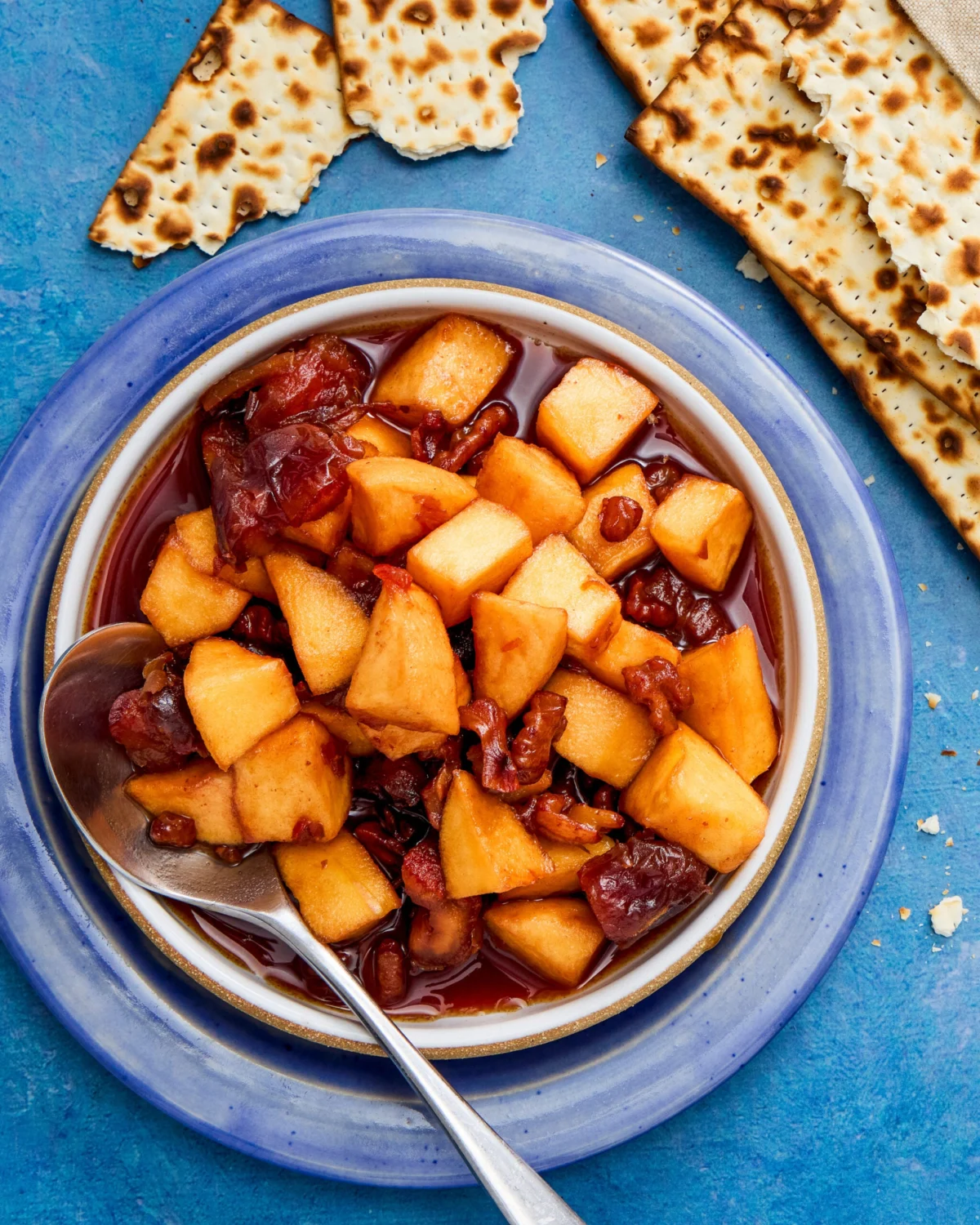
The preparation of charoset, a quintessential element of the Passover Seder, often involves a delicate balance of tradition and personal interpretation. A newly featured recipe for Apple, Date, and Walnut Charoset, influenced by both Ashkenazi and Sephardic culinary heritage, exemplifies this nuanced approach. Developed by chef and food stylist Ben Weiner, this iteration aims to deepen the flavor profile and textural complexity of the symbolic Passover dish. The recipe, highlighted by Saveur magazine, underscores the enduring significance of charoset as more than just an ingredient, but as a vessel for culinary storytelling and familial connection during the eight-day observance of Passover.
The Enduring Significance of Charoset
Charoset, derived from the Hebrew word for "clay" (char’set), is traditionally understood to represent the mortar and bricks used by the Israelite slaves in ancient Egypt. Its presence on the Seder plate serves as a tangible reminder of the Jewish people’s exodus from bondage and their subsequent journey toward freedom. The composition of charoset varies widely across different Jewish communities, reflecting regional ingredients and historical influences. Ashkenazi traditions often feature apples, walnuts, and wine, while Sephardic communities may incorporate dates, figs, and spices like cinnamon and cloves. This new recipe thoughtfully blends these elements, creating a harmonious fusion that honors multiple traditions.
The Passover Seder itself is a deeply symbolic ritual meal, commemorating the liberation of the Israelites from Egyptian slavery as recounted in the Book of Exodus. It is typically observed on the first one or two nights of Passover. The Seder is characterized by the reading of the Haggadah, a text that guides participants through the story of the Exodus, interspersed with prayers, songs, and the consumption of specific symbolic foods. These foods, including the matzah (unleavened bread), maror (bitter herbs), and charoset, each carry profound meaning, contributing to the rich tapestry of the Seder experience. The meticulous preparation and consumption of these items are central to transmitting the narrative of freedom and resilience across generations.
A Culinary Synthesis: The Apple, Date, and Walnut Charoset Recipe
Ben Weiner’s recipe, as detailed in the Saveur feature, emphasizes a layered approach to flavor development. The process begins with the gentle toasting of walnuts, a technique that amplifies their inherent nutty aroma and taste. This is followed by the caramelization of honey, a critical step that introduces a rich, deep sweetness and a subtle complexity that transcends simple sugary notes. This deliberate caramelization process, typically involving heating honey until it achieves a darker hue and a more viscous consistency, can take several minutes and requires careful attention to prevent burning, which would impart a bitter flavor. The visual cue of the honey darkening slightly signals its readiness, indicating that its sugars have begun to break down and reform, creating new flavor compounds.
The inclusion of grape juice, with kosher wine also offered as a viable alternative, alongside apple cider vinegar, introduces a vital element of acidity. This brightness cuts through the richness of the nuts and honey, balancing the overall flavor profile and preventing the charoset from becoming overly sweet or cloying. The use of apple cider vinegar, in particular, provides a distinct tang that complements the fruit components.
The textural contrast is further enhanced by the incorporation of jammy dates. These provide a soft, yielding counterpoint to the crispness of freshly chopped apples. The natural sugars within the dates, when cooked down slightly, contribute to the "jammy" texture, creating pockets of concentrated sweetness and chewiness. The final touch of cinnamon imbues the charoset with its characteristic fragrant warmth, a spice deeply associated with autumnal flavors and often found in traditional charoset recipes across various cultures.
The Importance of Advance Preparation
A key instruction in Weiner’s recipe is to make the charoset at least two days in advance. This recommended resting period is not merely a suggestion but a crucial element for the maturation of flavors. Over this time, the individual ingredients meld and harmonize, allowing the spices to fully infuse the mixture and the various sweet and acidic notes to achieve a balanced equilibrium. This extended period allows the flavors to deepen and become more integrated, resulting in a more cohesive and satisfying final product. This principle of allowing flavors to meld is common in many culinary traditions, particularly with stews, sauces, and baked goods, where time transforms simple ingredients into a complex symphony of tastes.
The recipe’s specific instructions detail the initial steps: toasting walnuts in a dry pot over medium heat until aromatic (approximately two minutes), then simmering them with honey until thickened and slightly darkened (two to three minutes). Following this, grape juice, dates, vinegar, cinnamon, and salt are incorporated. The mixture is then transferred to a bowl, where chopped apples are added and thoroughly coated. After cooling to room temperature for about an hour, the charoset is covered and refrigerated for a minimum of 48 hours. This meticulous, step-by-step approach highlights the chef’s intention to build complexity and depth into what might otherwise be a straightforward mixture.
Broader Implications and Culinary Trends
The emphasis on artisanal, thoughtfully prepared food items for religious observances is a growing trend within many communities. As consumers become more discerning about the origins and quality of their food, the same level of attention is being applied to holiday traditions. Recipes like Weiner’s Apple, Date, and Walnut Charoset reflect a desire to connect with heritage through high-quality ingredients and refined culinary techniques. This approach not only enhances the sensory experience of the Seder but also serves as a way to engage younger generations with the significance of Passover in a contemporary and appealing manner.
The blending of Ashkenazi and Sephardic influences in this recipe also speaks to a broader trend of inter-community culinary exchange. As Jewish communities have become more interconnected globally, so too have their culinary traditions. This fusion acknowledges the rich diversity within Jewish cuisine and celebrates the shared heritage that binds different groups.
The economic impact of such recipes, while not a primary focus, can be seen in the demand for high-quality ingredients, such as specific varieties of dates, premium honey, and fresh produce, often sourced from specialty markets or farmers’ markets. This can support local agricultural economies and artisanal food producers.
In conclusion, Ben Weiner’s Apple, Date, and Walnut Charoset represents more than just a recipe; it is a testament to the enduring power of food to connect us to our history, our families, and our traditions. By meticulously layering flavors and textures, and by honoring the symbolic meaning of charoset, this recipe offers a rich and meaningful addition to the Passover Seder, inviting a deeper appreciation for the holiday’s central message of freedom and remembrance. The careful crafting of such dishes underscores the profound relationship between culinary arts and cultural identity, particularly within the context of significant religious observances.