admin
admin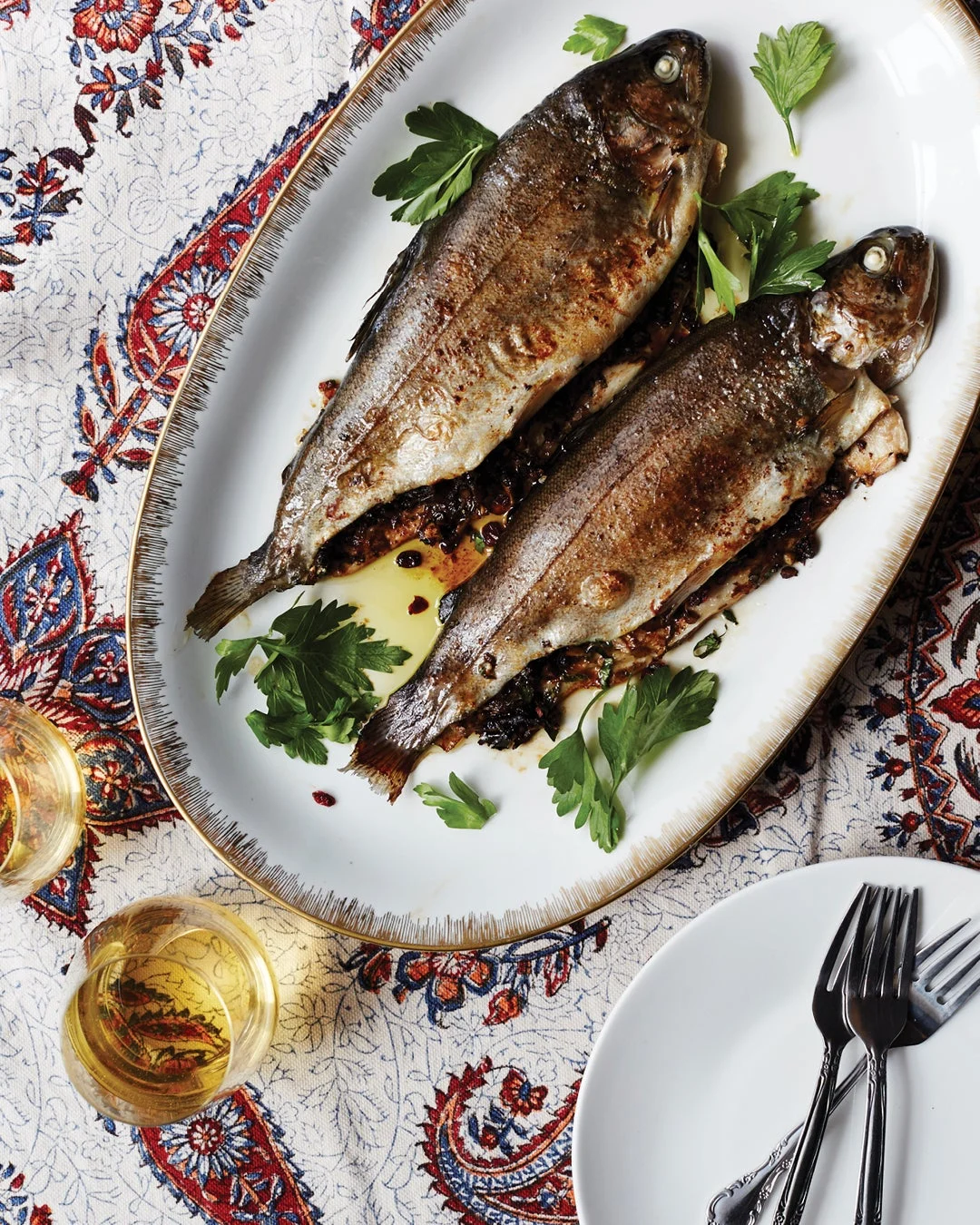
The preparation of stuffed trout, a dish that beautifully marries the delicate essence of fish with the vibrant tang of Persian-inspired ingredients, demands a meticulous approach, unfolding through a series of precise steps designed to unlock a symphony of flavors. This culinary endeavor, rooted in traditions that value both freshness and intricate spice blends, begins with the humble barberry, a jewel-like fruit known for its characteristic tartness. The initial phase, as outlined in the preparation instructions, involves rehydrating these tiny powerhouses. By submerging them in warm water for a dedicated thirty minutes, their natural tartness is gently awakened, preparing them to impart their signature zest to the stuffing. This soaking period is not merely functional; it’s a crucial prelude, ensuring the barberries achieve the perfect texture and flavor profile for integration into the final dish. The drained barberries, now plump and ready, become a cornerstone of the aromatic filling, hinting at the complex taste journey that awaits.
The foundation of the stuffing’s depth and complexity is laid in the careful caramelization of onions. This process, a testament to the culinary principle that patience yields unparalleled flavor, commences in a large skillet over medium-high heat with the addition of three tablespoons of oil. The initial stage sees the onions softened and lightly browned, a phase that typically lasts about ten minutes. However, the true magic unfolds as the heat is reduced to medium, and the onions are coaxed into a deep, rich caramelization over an extended period of approximately thirty minutes more. This slow transformation is critical, as it develops a profound sweetness and a savory, almost umami-rich base that will elevate the entire stuffing. The browning of onions is a widely recognized technique in global cuisine, from French mirepoix to Italian soffritto, and in this Persian-inspired preparation, it serves as the sweet counterpoint to the sharpness of the barberries and tamarind. The resulting deep brown hue signifies a level of sugar development that imbues the dish with a sophisticated sweetness, a far cry from the raw pungency of uncooked onions.
Concurrently, the culinary stage is set for the baking process. The oven, preheated to 375 degrees Fahrenheit, is prepared with two racks positioned in the upper half, an arrangement that ensures optimal heat circulation for evenly cooked fish. The greasing of two baking sheets with oil is a practical necessity, preventing the delicate trout from adhering and facilitating a crispier skin. This preparation of the oven environment is a critical step, ensuring that once the stuffing is complete and the fish are assembled, they can be immediately transferred to the heat, minimizing any delay that could impact the cooking temperature and subsequent texture of the trout. The precise temperature and rack placement are indicative of a recipe that values controlled heat application for achieving both tender flesh and a beautifully rendered skin.
The heart of the stuffing begins to take shape with the integration of several key ingredients. To the deeply caramelized onion mixture, almonds, tamarind, and garlic are introduced, alongside the previously soaked and drained barberries. This combination is a deliberate masterstroke of flavor pairing. The almonds offer a subtle nuttiness and a textural contrast, while the tamarind introduces a distinct, fruity tartness that complements and balances the sweetness of the onions and the sharp tang of the barberries. Garlic, a universal flavor enhancer, provides its characteristic pungent warmth. This mixture is gently cooked, stirring occasionally, until it becomes fragrant, a process that typically lasts around ten minutes. The aroma that emanates at this stage is a testament to the melding of these robust flavors.
The final elements of the stuffing are then incorporated off the heat. Fresh cilantro, parsley, and tarragon are stirred into the warm mixture. The use of fresh herbs is paramount, as they contribute a vibrant, herbaceous lift that cuts through the richness of the other ingredients. Cilantro and parsley are staples in many cuisines, offering bright, fresh notes, while tarragon, with its subtle anise-like undertones, adds a sophisticated layer of complexity. The combination is designed to create a stuffing that is both aromatic and refreshing, preventing the overall dish from becoming too heavy. This careful layering of flavors – sweet, tart, savory, nutty, and herbaceous – is the hallmark of a well-crafted stuffing, transforming a simple fish into a culinary centerpiece.
The assembly and baking of the trout represent the culmination of the preparation process. The trout, cleaned and prepared for stuffing, are divided between the two greased baking sheets. They are opened, skin-side down, a technique that allows the flesh to cook gently while the skin crisps. A generous half-cup of the prepared stuffing is then spread evenly from head to tail along one side of each fish. The remaining side of the trout is then folded over the stuffing, enclosing the flavorful filling and creating a neat parcel. Any excess is tucked in, ensuring a compact and attractive presentation. The skins are then brushed with the remaining oil, a step that promotes crisping and adds a subtle sheen. The trout are then baked for fifteen minutes. Following this initial bake, the oven is switched to broil for an additional three to four minutes, a crucial step that renders the skins golden brown and delightfully crisp. This dual cooking method – baking followed by broiling – is a common technique to achieve both tender, cooked-through flesh and a perfectly crisped exterior. The broiling phase is particularly important for achieving the desired textural contrast, offering a satisfying crunch against the soft, flaky fish and the savory stuffing. Finally, the cooked trout are transferred to a platter and served immediately, accompanied by lime wedges, providing a final burst of citrus that brightens and enhances all the flavors.
Background and Context: A Rich Culinary Heritage
The preparation of stuffed fish, particularly with ingredients like barberries and tamarind, points to a rich culinary heritage, likely drawing inspiration from Persian and broader Middle Eastern cuisines. These regions have a long history of utilizing a diverse array of fruits, nuts, and spices to create complex and nuanced flavor profiles. Barberries, known as "zereshk" in Persian, have been a staple in Iranian cooking for centuries, prized for their vibrant color and sharp, tangy taste. They are frequently used in rice dishes (like the famous Zereshk Polo) and as a key component in savory preparations, where their acidity balances richness. Tamarind, derived from the fruit of the tamarind tree, is another ancient ingredient, valued across Asia and Africa for its distinctive sweet and sour flavor. Its use in this trout recipe suggests a deliberate effort to evoke the characteristic sweet-and-sour balance found in many traditional dishes from these regions.
The choice of trout, a freshwater fish, is also significant. Its mild flavor provides an excellent canvas for the robust stuffing ingredients. In many culinary traditions, delicate fish are often prepared with aromatic herbs and fruits to impart depth and character. The combination of these elements – the tartness of barberries and tamarind, the nuttiness of almonds, the aromatic herbs, and the savory base of caramelized onions – speaks to a culinary philosophy that emphasizes the interplay of contrasting yet complementary tastes and textures. This dish is not merely a meal; it’s an exploration of a flavor palette that has been refined over generations, offering a taste of a specific cultural culinary identity.
Chronology of Preparation: A Step-by-Step Progression
The preparation of this stuffed trout dish can be viewed as a carefully orchestrated sequence, where each step builds upon the last to achieve the final, harmonious result.
- 30 Minutes Prior to Cooking: The initial step involves soaking the barberries in warm water. This rehydration period is crucial for softening the barberries and preparing them to release their flavor.
- Approximately 40 Minutes of Onion Caramelization: The lengthy process of caramelizing the onions begins. This involves an initial ten minutes of light browning over medium-high heat, followed by an extended thirty minutes of slower cooking over medium heat until deep brown. This is the most time-consuming preparation step for the stuffing’s base.
- Simultaneous Oven Preheating and Baking Sheet Preparation: While the onions are caramelizing, the oven is preheated to 375°F, and baking sheets are prepared, ensuring readiness for the subsequent cooking stages.
- Approximately 10 Minutes of Stuffing Assembly: Once the onions have achieved their deep caramelization, the almonds, tamarind, garlic, and rehydrated barberries are added and cooked for about ten minutes until fragrant. Fresh herbs are then stirred in off the heat.
- 15 Minutes of Baking: The stuffed trout are placed in the preheated oven and baked for fifteen minutes.
- 3-4 Minutes of Broiling: Following the initial bake, the oven is switched to broil for a final three to four minutes to crisp the fish skins.
- Serving: The dish is then transferred to a platter and served immediately with lime wedges.
This timeline highlights the importance of managing multiple preparation elements concurrently, a hallmark of efficient and successful cooking. The significant time dedicated to onion caramelization underscores its role as a flavor foundation.
Supporting Data and Culinary Principles
The techniques employed in this recipe are supported by established culinary principles that contribute to flavor development and textural success.
- Caramelization: The extended caramelization of onions (Maillard reaction) is a prime example of how heat transforms sugars and amino acids, creating hundreds of new flavor compounds. The deep brown color achieved indicates a high degree of sugar breakdown and the development of complex, sweet, and savory notes. Data from culinary science indicates that the Maillard reaction can produce over 600 different flavor compounds.
- Acidity Balance: The combination of barberries and tamarind introduces significant acidity. Acidity is crucial in cooking as it cuts through richness, balances sweetness, and brightens overall flavors. This principle is widely applied in cuisines globally, from the use of lemon in seafood dishes to vinegar in dressings. The tartness of these fruits is estimated to have a pH significantly lower than neutral, effectively counteracting the fat content of the fish and the sweetness of the caramelized onions.
- Texture Contrast: The recipe aims for a textural contrast between the flaky trout, the slightly yielding stuffing, and the crisp skin. The initial baking ensures the fish is cooked through and the stuffing is heated, while the final broiling stage is specifically designed to achieve a desirable crispness on the skin, a key element in many fish preparations. Crisp skin is often a sign of well-executed cooking, providing a satisfying mouthfeel.
- Aromatic Infusion: The use of fresh herbs like cilantro, parsley, and tarragon introduces volatile aromatic compounds that are released during cooking. These compounds contribute significantly to the perceived flavor and aroma of the dish, enhancing its overall appeal.
Potential Official Responses and Industry Reactions (Inferred)
While there are no specific "official" responses to a recipe instruction, one can infer how culinary professionals and food critics might react to such a dish. A food blogger or restaurant reviewer would likely praise the thoughtful combination of ingredients and the successful execution of traditional techniques. They might comment on the "sophisticated balance of sweet, sour, and savory notes" or the "satisfying textural interplay between the crisp skin and the tender fish." A nutritionist might highlight the inclusion of healthy fats from the fish and oil, as well as the potential antioxidant properties of barberries and the fiber content of almonds and onions. The recipe’s adherence to a structured, multi-step process would also be appreciated by those who value precision in culinary arts, suggesting a dish that is both accessible for home cooks willing to follow instructions carefully and sophisticated enough to impress discerning palates.
Broader Impact and Implications: A Gateway to Flavor Exploration
The enduring appeal of recipes like this stuffed trout lies in their ability to serve as a gateway to broader culinary exploration. By meticulously detailing the steps, from the initial soaking of barberries to the final broiling of the skin, this recipe empowers individuals to engage with ingredients and flavor profiles that might be unfamiliar. It demonstrates how seemingly simple ingredients, when prepared with care and combined thoughtfully, can result in a dish of remarkable complexity and satisfaction.
Furthermore, such recipes contribute to the ongoing appreciation and preservation of diverse culinary traditions. In an increasingly globalized food landscape, understanding and recreating dishes from different cultures fosters a deeper connection to their heritage and a greater appreciation for the ingenuity of culinary practices. The success of this stuffed trout preparation, rooted in ancient flavor combinations, highlights the timeless principles of balancing taste and texture, a universal language of food that transcends borders and generations. It offers a tangible experience of a culinary heritage, encouraging home cooks to experiment further with ingredients like barberries and tamarind, potentially leading to new personal culinary discoveries and a broader palate. The dish, therefore, is more than just a meal; it’s an invitation to explore, learn, and savor the rich tapestry of global cuisine.