admin
admin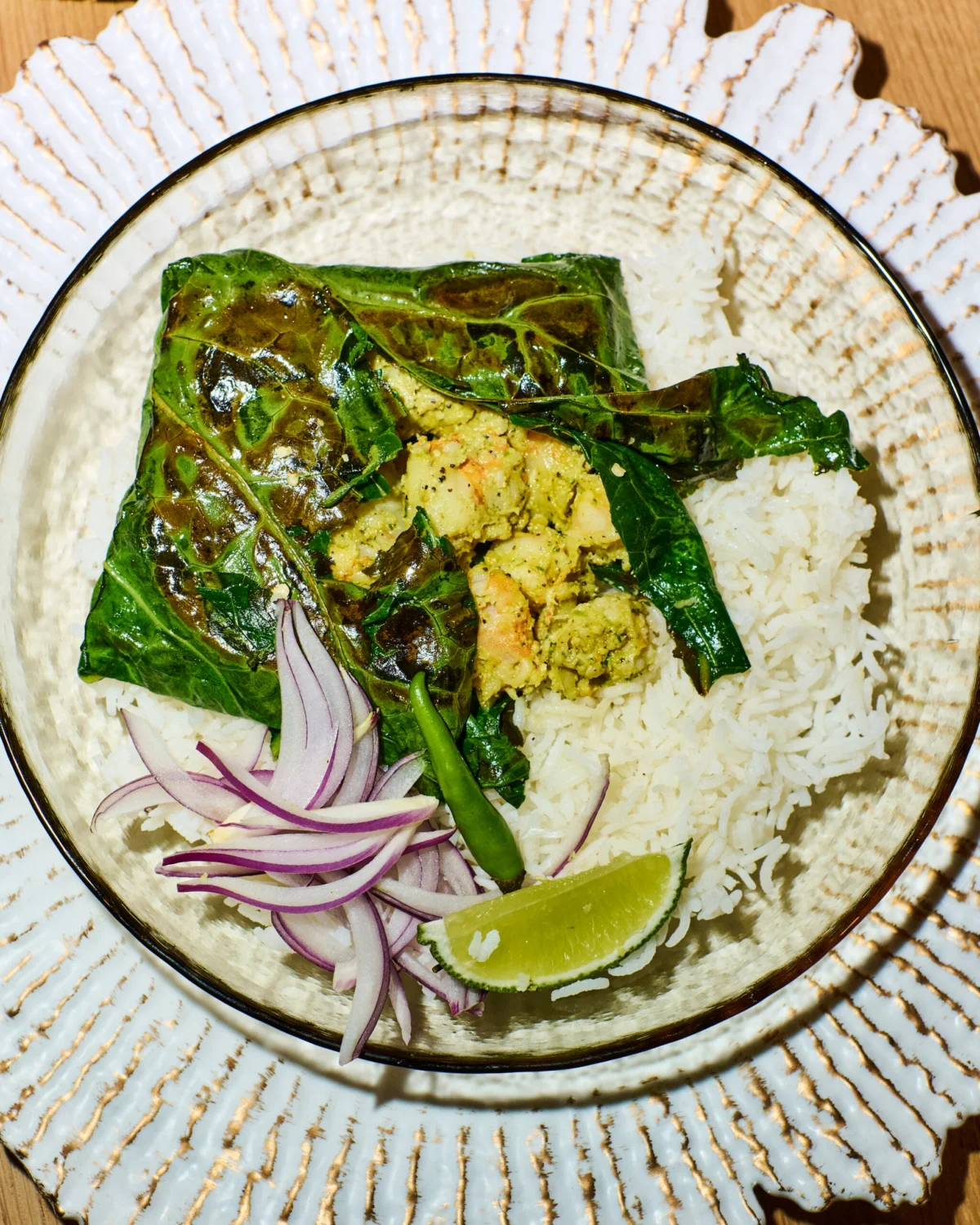
A novel culinary creation, tentatively named "Paturi," has recently surfaced from a local kitchen, presenting a fascinating fusion of traditional Indian flavors and innovative presentation techniques. The dish, meticulously crafted through a multi-step process, involves a vibrant paste of cilantro, coconut, mustard oil, poppy seeds, mustard seeds, coriander, salt, cumin, turmeric, chiles, and onion, which is then combined with fresh shrimp. This seasoned shrimp mixture is then artfully encased within collard green leaves, folded into a square shape, and pan-fried until charred and secure. While the exact origin and intended audience for this unique preparation remain under development, the detailed instructions suggest a deliberate effort to create a dish that is both visually appealing and rich in complex flavors.
The Genesis of Paturi: A Blend of Heritage and Ingenuity
The emergence of Paturi is not an isolated culinary event but rather a reflection of a broader trend in contemporary cuisine, where chefs and home cooks alike are increasingly exploring the intersection of ancestral culinary practices and modern gastronomic techniques. India, with its vast and diverse culinary landscape, offers a fertile ground for such innovations. Traditional dishes, often passed down through generations, are being reinterpreted with new ingredients, cooking methods, and plating styles. Paturi appears to be a testament to this evolution, drawing inspiration from the familiar flavor profiles of Indian spice blends while presenting them in an entirely novel format.
The core of the Paturi’s flavor profile lies in its aromatic paste. The combination of cilantro, coconut, and a robust blend of spices – mustard seeds, coriander, cumin, turmeric, and chiles – speaks to the rich culinary heritage of the Indian subcontinent, particularly regions where these ingredients are staples. Mustard oil, a prominent flavor in certain Indian cuisines, adds a pungent and distinctive character. Poppy seeds, often used as a thickening agent and for their nutty undertones, contribute to the paste’s texture and depth. The inclusion of onion and chiles provides a foundational aromatic base and a hint of heat, allowing for customization based on preferred spice levels.
The subsequent marination of shrimp in this potent paste for 20 minutes suggests a deliberate intention to allow the flavors to deeply penetrate the seafood. Shrimp, known for its quick cooking time and ability to absorb marinades, is an ideal canvas for these bold Indian spices. This step is crucial in ensuring that each bite of the Paturi delivers a harmonious explosion of taste.
The Art of Encapsulation: Collard Greens as Edible Vessels
Perhaps the most distinctive aspect of Paturi is its unconventional packaging. Instead of traditional wrappers like banana leaves or rice paper, the dish utilizes collard green leaves. This choice is significant and points towards a creative reinterpretation of how food can be presented. Collard greens, known for their sturdy texture and slightly bitter notes, provide a robust and visually striking exterior. The method of layering the leaves – one vertically and another horizontally to form a cross – is a meticulous technique designed to create a secure, albeit not entirely sealed, pouch for the shrimp filling. The instruction to gently press with a metal spatula to set the leaves and filling in place highlights the importance of structural integrity in the dish’s assembly. This approach not only adds an element of visual intrigue but also introduces a fresh, slightly earthy counterpoint to the rich, spiced shrimp within.
The process of pan-frying the assembled "paturi" (the term likely referring to the individual leaf-wrapped parcels) is another critical stage. The use of vegetable oil and the instruction to cook seam-side down initially suggest an effort to seal the filling and develop a desirable char on the exterior. The mention of pressing down on the squares with a spatula indicates a desire to ensure even cooking and to achieve a crispy, slightly caramelized surface. The charring, a hallmark of many grilled and pan-fried dishes, would further enhance the complexity of flavors, adding smoky notes to the overall experience.
Contextualizing the Innovation: Trends in Global Cuisine
The development of Paturi can be viewed within the broader context of global culinary trends. The increasing popularity of fusion cuisine, where distinct culinary traditions are blended, has opened doors for dishes like this. Furthermore, the growing emphasis on visually appealing food, often referred to as "Instagrammable" cuisine, is evident in the deliberate folding and pan-frying technique designed to create an attractive presentation.
The use of collard greens as a wrapper is also noteworthy. While not a traditional Indian ingredient, its versatility in various cuisines makes it an interesting choice for a modern adaptation. This choice could reflect an attempt to make the dish more accessible to a wider audience, incorporating familiar elements while still celebrating distinct flavor profiles.
Potential Implications and Future Trajectory
The success and reception of Paturi will likely depend on several factors. Its unique presentation and flavorful filling position it as a potential appetizer or a light main course. The adaptability of the core recipe also presents opportunities for variations. For instance, different types of seafood or even finely minced vegetables could be used as fillings, expanding the dish’s appeal.
The name "Paturi" itself, if it is indeed the finalized name, is evocative. In Bengali cuisine, "Paturi" typically refers to fish or other ingredients wrapped in banana leaves and steamed or grilled. This existing culinary term suggests a deliberate connection to tradition, even as the ingredients and method deviate. This naming strategy could be intended to leverage the familiarity and positive associations with traditional Bengali dishes while introducing something novel.
The precise origin of this recipe – whether it is from a professional chef, a home cook experimenting with flavors, or a culinary school project – will also influence its trajectory. If it emerges from a professional setting, it could signal a new direction for a restaurant or a chef seeking to make a mark. If it originates from a home cook, it exemplifies the democratizing effect of readily available information and the creative spirit that thrives in personal kitchens.
The detailed instructions provided, moving from paste creation to assembly and cooking, suggest a well-thought-out and tested recipe. The quantitative measurements (e.g., ½ cup of shrimp mixture, 2 tablespoons of vegetable oil) indicate a desire for reproducibility, which is essential for any dish seeking wider adoption. The timeframe of 20 minutes for marination and approximately 4 minutes per side for cooking suggests a relatively efficient preparation process, which is attractive for both home cooks and potentially for commercial kitchens looking to streamline their offerings.
The implied success of the charring process in securing the folds and enhancing flavor is a key element. This technique, when executed properly, not only creates visual appeal with its speckled, browned surface but also contributes a desirable smoky and slightly bitter dimension that complements the sweetness of the shrimp and the vibrancy of the spices. The emphasis on occasionally pressing down with a spatula further suggests a hands-on approach to achieving the perfect texture and seal, indicating that this is not a dish that can be simply "set and forget" during the cooking phase.
The future impact of Paturi, should it gain traction, could be observed in culinary blogs, social media discussions, and potentially in restaurant menus. It represents a creative exploration of how to present familiar flavors in an unfamiliar, yet appealing, format. The success of such a dish often hinges on its ability to strike a balance between novelty and comforting familiarity. In this case, the familiar spice palette provides the comfort, while the collard green wrapper and pan-frying technique offer the novelty. The dish’s potential to evolve through ingredient substitutions or variations in spice levels further enhances its long-term viability. The meticulous nature of the instructions also implies a strong potential for replication, a crucial factor in the spread of any culinary trend.