admin
admin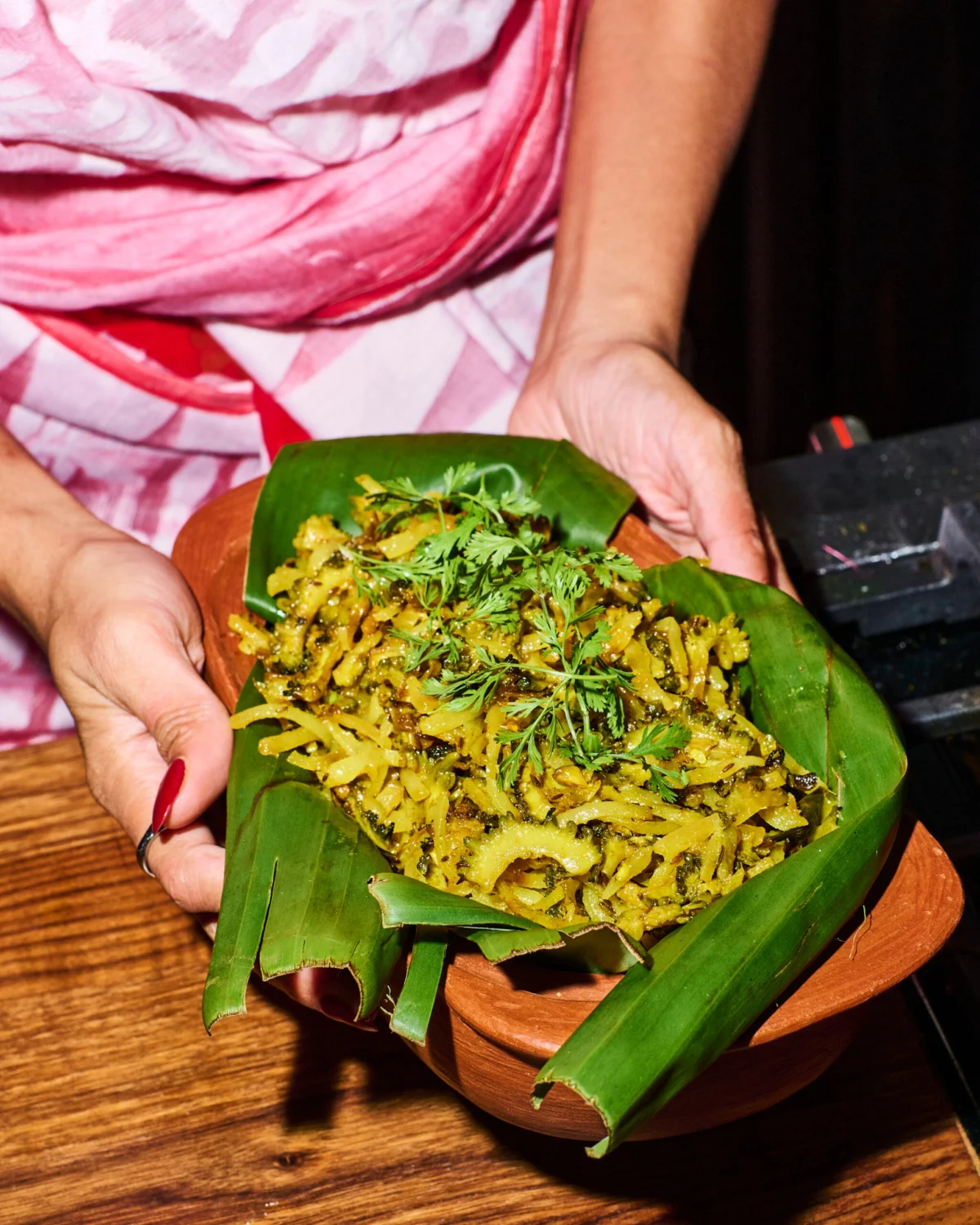
In a surprising turn of events within the culinary landscape, the once-maligned bitter melon is experiencing a significant resurgence, shedding its long-held reputation as an acquired taste and emerging as a star ingredient. This shift is largely attributed to renewed interest in traditional cuisines and a growing appreciation for the complex flavor profiles and potent health benefits associated with this unique gourd. Food writer Anikah Shaokat, a vocal advocate for the vegetable, notes, "Bitter melon has gotten bad PR for ages, even among those who grew up with it. In fact, I was the only kid I knew who couldn’t get enough of this craggly gourd." Her personal journey with the vegetable underscores a broader trend: a deliberate re-evaluation of ingredients that were once dismissed or relegated to specific cultural contexts.
Historically, bitter melon, scientifically known as Momordica charantia, has been a staple in various Asian, African, and Caribbean cuisines. Its distinctive, intensely bitter taste has often been a point of contention, leading to its association with challenging or unpleasant meals, particularly for younger generations. However, this perception is now being actively challenged by chefs, nutritionists, and home cooks alike, who are discovering innovative ways to prepare and appreciate its multifaceted character.
A Deeper Dive into the Bitter Melon’s Appeal
The resurgence of bitter melon is not merely a fleeting trend; it is underpinned by a growing body of scientific research highlighting its remarkable health properties. Traditionally, bitter melon has been revered for its potential to aid in blood sugar management, a characteristic that has garnered significant attention from the medical and wellness communities. Studies have indicated that compounds within bitter melon, such as charantin, vicine, and polypeptide-p, may possess insulin-like effects, contributing to lower blood glucose levels. For instance, a meta-analysis published in the Journal of Ethnopharmacology in 2012 reviewed several clinical trials and concluded that bitter melon extracts demonstrated a statistically significant reduction in fasting blood glucose and HbA1c levels in patients with type 2 diabetes. This growing scientific validation provides a compelling rationale for its increased consumption and exploration in contemporary diets.
Beyond its glycemic control potential, bitter melon is also recognized as a rich source of vitamins and minerals. It contains significant amounts of Vitamin C, a potent antioxidant crucial for immune function and skin health. It also provides Vitamin A, essential for vision, and folate, vital for cell growth and development. Furthermore, it offers a good source of dietary fiber, promoting digestive health and contributing to satiety. This nutritional density adds another layer to its appeal, aligning with the broader consumer demand for nutrient-rich foods.
Culinary Adaptations and Innovations
The key to unlocking the palatable potential of bitter melon lies in its preparation. Shaokat’s preferred method, a Bangladeshi staple, exemplifies this. She describes a dish of bitter melon stir-fried with onions and potatoes, gently spiced with turmeric, coriander, and cumin. "The key is to soak the gourd in salted water, which helps to temper its sharp bitterness," she explains. This technique is crucial for softening the intense bitterness, making it more approachable for a wider palate. The addition of starchy potatoes, such as frozen shredded hash browns for convenience, serves to balance the vegetable’s distinct flavor, allowing its inherent vegetal notes to shine without being overpowered by bitterness.
The culinary world has embraced this philosophy of skillful preparation, leading to a diverse range of dishes that showcase bitter melon’s versatility. Chefs are experimenting with pickling, stuffing, and incorporating it into stir-fries, curries, and even savory baked goods. This culinary evolution is moving beyond traditional preparations, integrating bitter melon into global cuisines and appealing to a new generation of adventurous eaters.
Understanding the Varieties: Chinese vs. Indian Bitter Melon
A crucial aspect of preparing bitter melon effectively is understanding its different varieties. Two primary types dominate the market: Chinese and Indian. The Chinese variety, typically a lighter green, is characterized by its more tender flesh, slightly larger size, and less pronounced bumps. It is generally considered to have a milder bitterness compared to its Indian counterpart. For recipes where a more subtle bitter note is desired, or for those new to the ingredient, the Chinese variety might be a more approachable starting point. Shaokat advises that when using the Chinese variety for her stir-fry, reducing the quantity to two melons and slicing them slightly thicker than a quarter-inch can yield optimal results.
The Indian variety, on the other hand, is often smaller, darker green, and more intensely bumpy, reflecting a more robust and pronounced bitterness. This type often requires more diligent soaking and careful balancing with other ingredients to achieve a harmonious flavor profile. The choice between the two ultimately depends on the desired intensity of bitterness and the specific recipe being prepared.
A Recipe for Success: Bitter Melon Stir-Fry with Potatoes
For those looking to explore the culinary renaissance of bitter melon, Shaokat’s stir-fry recipe offers an accessible entry point. The process begins with preparing the aromatics and spices, laying the foundation for a flavorful dish.
Ingredients:
- 2-3 Indian bitter melons (or 2 Chinese bitter melons), seeds removed and thinly sliced
- 1 large onion, thinly sliced
- 2-3 cloves garlic, minced
- 1-inch piece of ginger, minced
- 1-2 green chilies, thinly sliced (adjust to taste)
- 1 teaspoon ground coriander
- ½ teaspoon cumin seeds
- ½ teaspoon turmeric powder
- Salt to taste
- 2 tablespoons cooking oil
- 1 cup frozen shredded hash browns
- Fresh cilantro, chopped, for garnish
Instructions:
Step 1: Sautéing Aromatics and Spices
To a large skillet or wok over medium heat, add the cooking oil. Once the oil is hot and shimmering, introduce the sliced green chilies and onions. Sauté until the onions begin to brown, a process that typically takes about 5 minutes. This initial sautéing caramelizes the onions, adding a layer of sweetness that will complement the bitter melon. Next, stir in the ground coriander, cumin seeds, minced ginger, salt, turmeric powder, and minced garlic. Continue to cook, stirring frequently, until the onions turn golden brown and the spices become fragrant, approximately 1 minute. This step is crucial for blooming the spices, releasing their full aromatic potential.
Step 2: Cooking the Bitter Melon and Potatoes
Elevate the heat to high. Add the sliced bitter melons to the skillet. Cook, stirring occasionally, until the edges of the melon begin to brown and the vegetable becomes tender. This stage usually takes around 10 minutes. Following this, incorporate the frozen shredded hash browns. Continue cooking, stirring periodically, until the hash browns are softened and slightly browned, indicating they have absorbed some of the flavors and are cooked through, which takes about 5 more minutes. The combination of the tender bitter melon and the slightly crispy hash browns creates a pleasing textural contrast.
Step 3: Finishing and Serving
Once the bitter melon and potatoes are cooked to your liking, turn off the heat. Sprinkle generously with freshly chopped cilantro. Cover the skillet and let it rest for 5 minutes. This resting period allows the flavors to meld and the cilantro to gently wilt, infusing its fresh aroma into the dish. Serve hot as a flavorful and nutritious side dish or as part of a larger meal.
Broader Implications and Future Outlook
The renewed appreciation for bitter melon signifies a broader cultural shift towards embracing diverse culinary traditions and recognizing the value of ingredients that were once overlooked. This trend is not isolated to a few adventurous food enthusiasts; it reflects a growing global interest in healthy eating, sustainable agriculture, and the exploration of authentic flavors. As more research emerges on the health benefits of Momordica charantia, and as chefs and home cooks continue to innovate with its preparation, the bitter melon is poised to solidify its place in the mainstream culinary repertoire. Its journey from a "bad PR" vegetable to a celebrated ingredient is a testament to the evolving palate and the enduring power of cultural exchange in shaping our understanding and appreciation of food. The future likely holds even more creative uses for this remarkable gourd, further cementing its status as a culinary comeback story.