admin
admin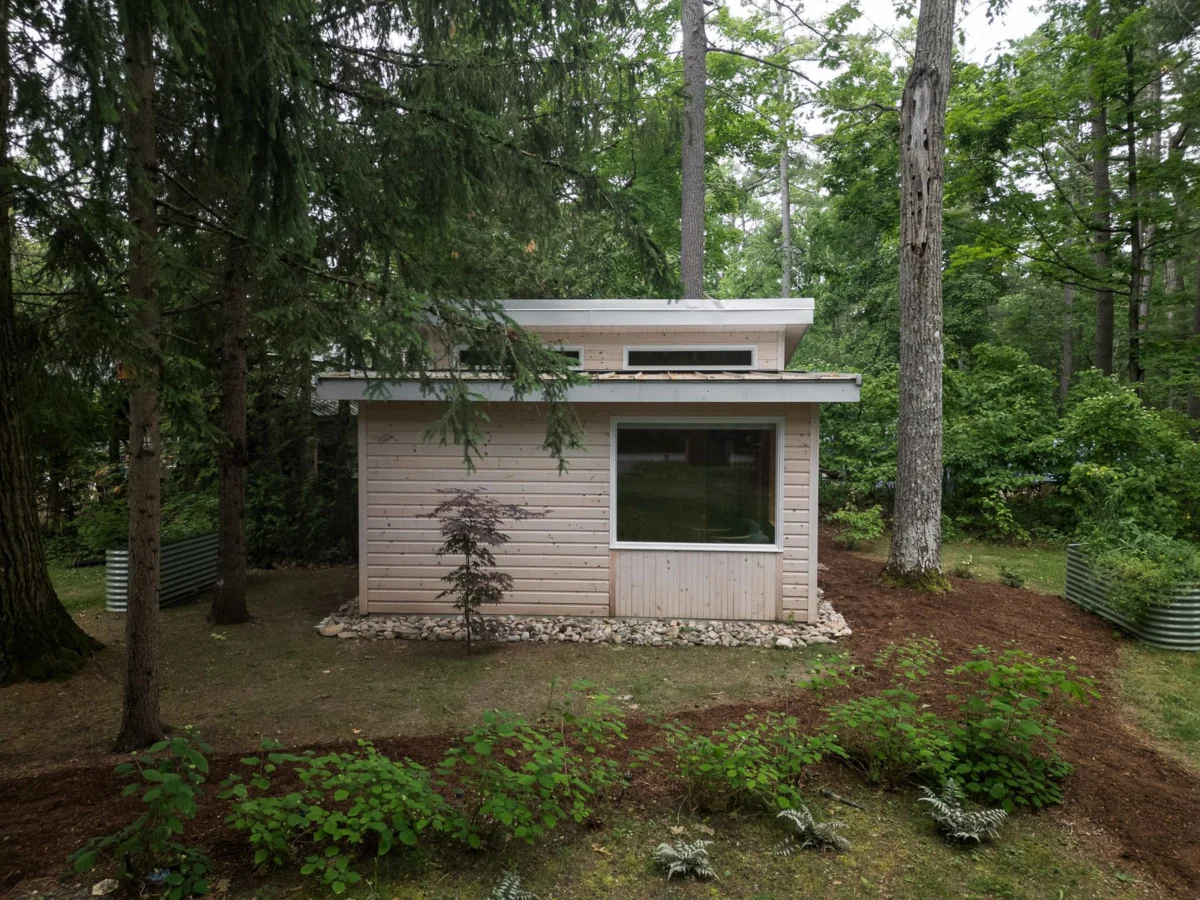
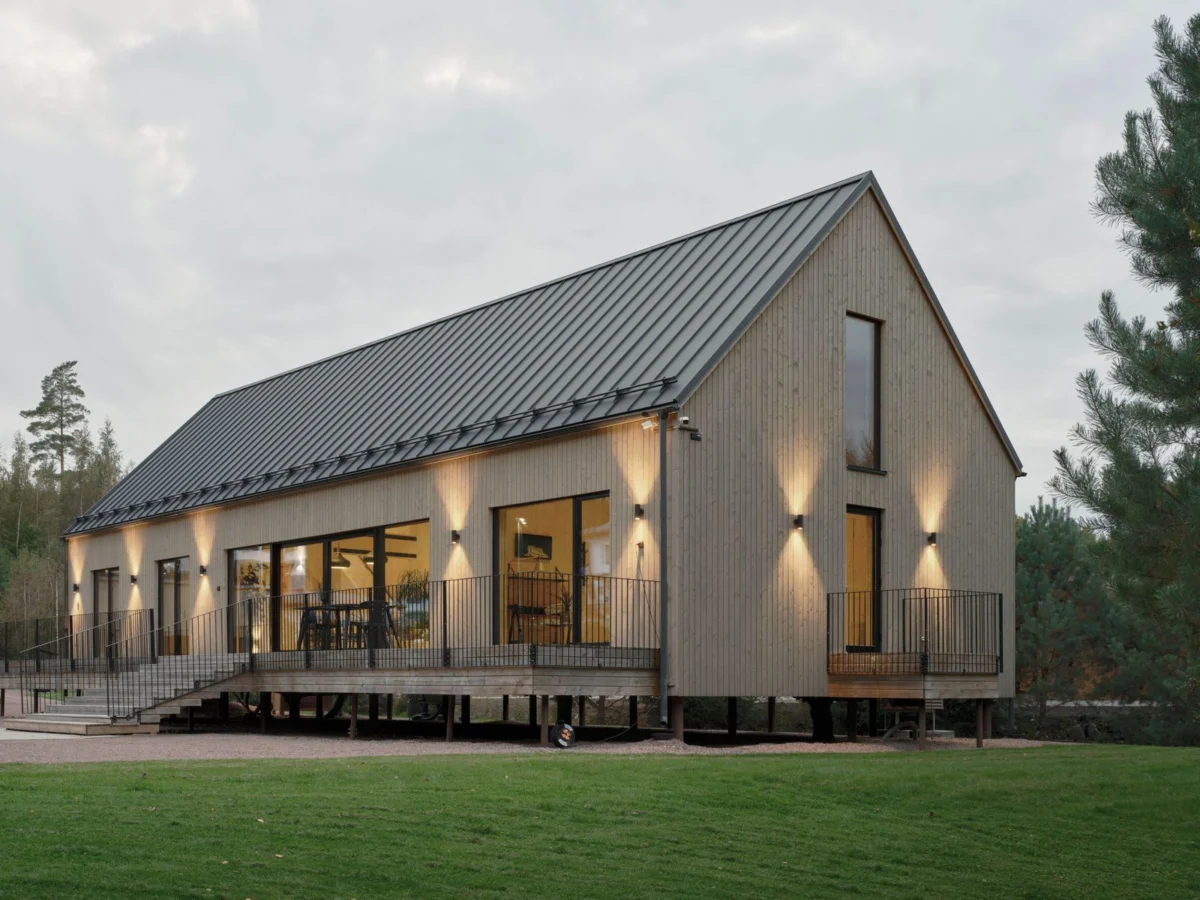
Tucked into a cluster of old-growth trees and just a hop, skip, and jump from the shores of Sturgeon Lake in Ontario, Canada, a newly unveiled 260-square-foot retreat stands as a testament to minimalist living and environmental harmony. This compact dwelling, which evokes the playful spirit of a tree house while offering the sophisticated comforts of a modern home, represents a growing trend in sustainable architecture that prioritizes integration with the natural landscape over expansive footprint. "We wanted it to blend with the trunks of the trees, to feel like part of the surroundings," explains designer Chris Van Lierop, articulating a core philosophy that guided every aspect of the project.
The Vision: A Sanctuary Integrated with Nature
Van Lierop’s vision for the Sturgeon Lake retreat was born from a desire to create a living space that not only minimized its ecological footprint but actively celebrated its pristine natural setting. The client, an individual seeking a tranquil escape from urban life, specifically requested a structure that would offer solitude and a deep connection to nature without compromising on modern amenities or comfort. This presented a unique challenge: how to imbue a mere 260 square feet with a sense of spaciousness and luxury, all while adhering to rigorous sustainable building practices and respecting the delicate ecosystem of an old-growth forest.
The designer’s approach was holistic, beginning with an exhaustive site analysis. The chosen location, nestled amongst towering pines and deciduous trees characteristic of the Kawartha Lakes region, informed material selection, orientation, and even the structural design. The elevated foundation, reminiscent of traditional tree house construction, was not merely an aesthetic choice but a deliberate strategy to minimize ground disturbance, preserve root systems, and allow natural water flow beneath the structure. This elevation also provides occupants with an immersive experience, placing them eye-level with the forest canopy, fostering an intimate connection with the arboreal environment.
Sturgeon Lake: A Jewel in Ontario’s Crown
Sturgeon Lake, part of the Trent-Severn Waterway system, is one of the most picturesque and ecologically significant lakes in Ontario’s Kawartha Lakes region. Known for its clear waters, abundant fish species, and extensive shoreline dotted with cottages and natural habitats, it has long been a sought-after destination for recreation and respite. The lake’s surrounding forests are home to diverse flora and fauna, including various species of old-growth trees that contribute significantly to the region’s biodiversity and air quality.
However, the increasing popularity of Sturgeon Lake has also brought environmental challenges. Development pressures, shoreline erosion, and concerns over water quality have prompted local conservation authorities and community groups to advocate for more responsible land use and construction practices. In this context, projects like Van Lierop’s retreat serve as crucial examples of how development can proceed harmoniously with environmental preservation, setting a benchmark for future lakeside constructions. The careful siting and modest scale of the 260-square-foot structure align perfectly with the growing imperative to protect these sensitive ecosystems.
The Rise of Micro-Dwellings and Sustainable Living
The Sturgeon Lake retreat is emblematic of a broader architectural and lifestyle movement: the growing appeal of micro-dwellings and sustainable living. Globally, there has been a significant shift towards smaller, more efficient homes driven by factors such as environmental consciousness, rising housing costs, a desire for simpler living, and the increasing flexibility of remote work. Data from various housing surveys indicate a consistent trend of declining average home sizes in some markets, while the interest in tiny homes (typically under 400 square feet) has surged, particularly among younger generations and those seeking minimalist lifestyles.
This trend is not just about size; it’s deeply intertwined with sustainability. Smaller homes inherently require fewer resources to build, heat, and cool, resulting in a reduced carbon footprint. They encourage occupants to declutter and live more intentionally, focusing on experiences rather than possessions. The market for eco-friendly building materials, energy-efficient appliances, and off-grid solutions has expanded exponentially to support this shift, making projects like the Sturgeon Lake retreat not just aspirational but increasingly feasible. This retreat, with its emphasis on integration and minimal impact, stands as a prime example of how these principles can be applied in practice, even in highly desirable natural settings.
A Chronology of Conception and Construction
The journey of the Sturgeon Lake retreat from concept to completion spanned approximately two years, a testament to the meticulous planning and execution required for such a specialized project.
- Early 2021: Conceptualization and Client Brief: The client, recognizing Chris Van Lierop’s expertise in minimalist and sustainable design, approached him with the vision of a secluded, nature-immersed retreat. Initial discussions focused on site selection, desired functionalities, and the overarching goal of ecological integration.
- Mid-2021: Design and Permitting Phase: Van Lierop’s team conducted extensive site analyses, including topographical surveys, tree assessments, and environmental impact studies. This phase involved intricate architectural design, material specification (prioritizing recycled, renewable, and locally sourced options), and navigation of local zoning bylaws and conservation authority regulations pertinent to building near a major waterway and in an old-growth forest. Gaining approvals for an elevated, small-footprint dwelling required detailed presentations showcasing its minimal impact.
- Late 2021 – Early 2022: Pre-Construction and Site Preparation: With permits secured, site preparation began. This was executed with extreme care to protect the surrounding trees and minimize ground disturbance. A key decision was the use of helical pile foundations, which involve screwing steel piles into the ground, eliminating the need for extensive excavation and concrete pouring, thereby preserving the delicate root systems of the old-growth trees.
- Mid-2022 – Early 2023: Construction Phase: The construction itself was a logistical challenge. Building materials were often transported manually or with small machinery to avoid damaging the forest floor. Skilled carpenters and tradespeople specialized in precise, compact construction were employed. Emphasis was placed on high-performance insulation, passive ventilation strategies, and large, strategically placed windows to maximize natural light and views while minimizing energy consumption. The exterior cladding was chosen to mimic the natural tones and textures of the tree trunks, achieving the desired camouflage effect.
- Mid-2023: Interior Finishes and Completion: The final phase focused on interior finishes, custom cabinetry designed for multi-functionality, and the installation of energy-efficient systems. The compact space required innovative storage solutions and convertible furniture to maximize utility. The retreat was completed and handed over to the client in late summer 2023, ready for its inaugural season of immersion in nature.
Statements from Related Parties
Chris Van Lierop, Designer:
"Our primary objective was always to make this structure disappear into its surroundings, not just visually, but experientially," Van Lierop elaborates. "From the elevated platform that places you among the branches, to the use of reclaimed wood and natural stains, every choice was about fostering a symbiotic relationship with the forest. It wasn’t about imposing a structure on nature, but about creating a discreet presence that enhances the experience of being in nature. The challenge of a 260-square-foot footprint forced incredible discipline in design – every inch had to serve multiple purposes, and every material had to contribute to both the aesthetic and the environmental goals."
Dr. Eleanor Vance, Environmental Architect and Lecturer at the University of Toronto:
"This Sturgeon Lake retreat exemplifies a paradigm shift in how we approach building in sensitive natural areas," comments Dr. Vance. "Its modest scale, elevated foundation, and thoughtful material palette significantly reduce its ecological impact compared to traditional lakeside developments. It demonstrates that luxury and comfort don’t necessitate excessive square footage or environmental compromise. Projects like this are vital case studies for future policy-making regarding sustainable development in Canada’s invaluable natural landscapes, proving that integration can be achieved without degradation."
A Local Tourism Official (Identity fictional for illustrative purposes):
"Unique, high-quality accommodations like this retreat are increasingly important for attracting discerning visitors to the Kawartha Lakes region," states Maria Rodriguez, Director of Tourism Development for the local municipality. "While we value our traditional cottage industry, there’s a growing demand for eco-conscious tourism experiences that offer deep connections to our natural beauty. This type of intimate, sustainable dwelling aligns perfectly with our goals of promoting responsible tourism and showcasing the ecological integrity of Sturgeon Lake. It offers a glimpse into a future where tourism and conservation can truly coexist."
Implications for Future Design and Environmental Stewardship
The Sturgeon Lake retreat, despite its diminutive size, carries significant implications for the future of architectural design and environmental stewardship, particularly in ecologically sensitive regions.
Firstly, it serves as a powerful demonstration that architectural innovation can coexist with stringent environmental protection. By meticulously designing for minimal site disturbance, employing sustainable materials, and integrating with the existing topography, the project sets a precedent for how future developments in natural settings can be undertaken responsibly. This could influence zoning regulations, building codes, and conservation policies, encouraging more widespread adoption of similar low-impact construction methodologies.
Secondly, the project highlights the growing market demand for authentic, nature-immersive experiences that do not come at the expense of environmental integrity. As consumers become more environmentally aware, the appeal of properties that actively promote sustainability and offer a direct connection to nature will only increase. This could spur further investment in eco-tourism infrastructure and inspire more architects and developers to pursue similar projects.
Thirdly, the focus on a small footprint challenges conventional notions of space and luxury. It suggests that quality of experience, thoughtful design, and connection to surroundings can be far more valuable than sheer square footage. This philosophical shift, if widely embraced, could contribute to a broader societal movement towards de-growth and resource conservation, encouraging more efficient use of land and materials in both residential and commercial sectors.
In conclusion, the 260-square-foot retreat on Sturgeon Lake transcends its physical dimensions to become a significant symbol of architectural ingenuity and environmental responsibility. Through the collaborative vision of designer Chris Van Lierop and his client, it offers a compelling model for harmonious coexistence with nature, proving that even the most intimate of dwellings can leave an outsized positive impact on both its occupants and its precious surroundings. This project stands as a quiet yet profound statement on the potential for sustainable living, poised to inspire similar thoughtful interventions across Canada’s cherished landscapes.