admin
admin
Plywood has been a staple of modernist design since the 1940s, when American architects began transforming it into Dri-Bilt homes. Today, it lines houses around the world from ceiling to floor, as architects take full advantage of its ease of manufacturing, flexible structure, and distinctive grain. And while its aesthetic appeal has lasted almost a century, it’s not the first material that comes to mind when considering durability. But, as recent architectural projects and long-term observations reveal, those who’ve worked with the materials themselves beg to differ, championing plywood as a surprisingly resilient and aesthetically evolving element in contemporary design.
The Genesis of a Modern Material: From Industrial Utility to Design Icon
The journey of plywood from a utilitarian construction material to a revered design element is a testament to its inherent versatility and the ingenuity of architects. Patented in the United States in the mid-19th century, plywood initially found its niche in industrial applications, particularly in the burgeoning aviation and automotive industries, where its strength-to-weight ratio was highly valued. It was during the early to mid-20th century, however, that plywood truly began to shed its industrial skin and enter the realm of architectural and furniture design.
Pioneers like Alvar Aalto in the 1930s experimented with bending plywood to create iconic furniture pieces, showcasing its structural flexibility and warm aesthetic. By the 1940s, American architects, grappling with post-war housing shortages and a desire for efficient, cost-effective construction, embraced plywood wholeheartedly. The "Dri-Bilt" homes, a concept developed during this era, exemplified the innovative use of plywood for rapid, factory-fabricated housing components, demonstrating its potential for large-scale, accessible architecture. This period marked a significant turning point, cementing plywood’s reputation not just as a practical building material but as a symbol of modernity, efficiency, and democratic design. The material’s ability to be manufactured into large, stable sheets with a consistent thickness and a beautiful, layered edge profile made it ideal for the clean lines and minimalist aesthetic favored by modernist practitioners. Its inherent flexibility, derived from cross-laminated wood veneers, also allowed for innovative forms and efficient use of timber resources.
Long-Term Resilience: Case Studies in Diverse Environments
Contrary to lingering perceptions about its fragility, plywood has demonstrated remarkable longevity and structural integrity in real-world applications across varied climates and usage patterns. Recent projects from Los Angeles to rural Ontario and southeast Sweden offer compelling evidence of its durability.
The Net-Zero Plywood Home in Highland Park, LA
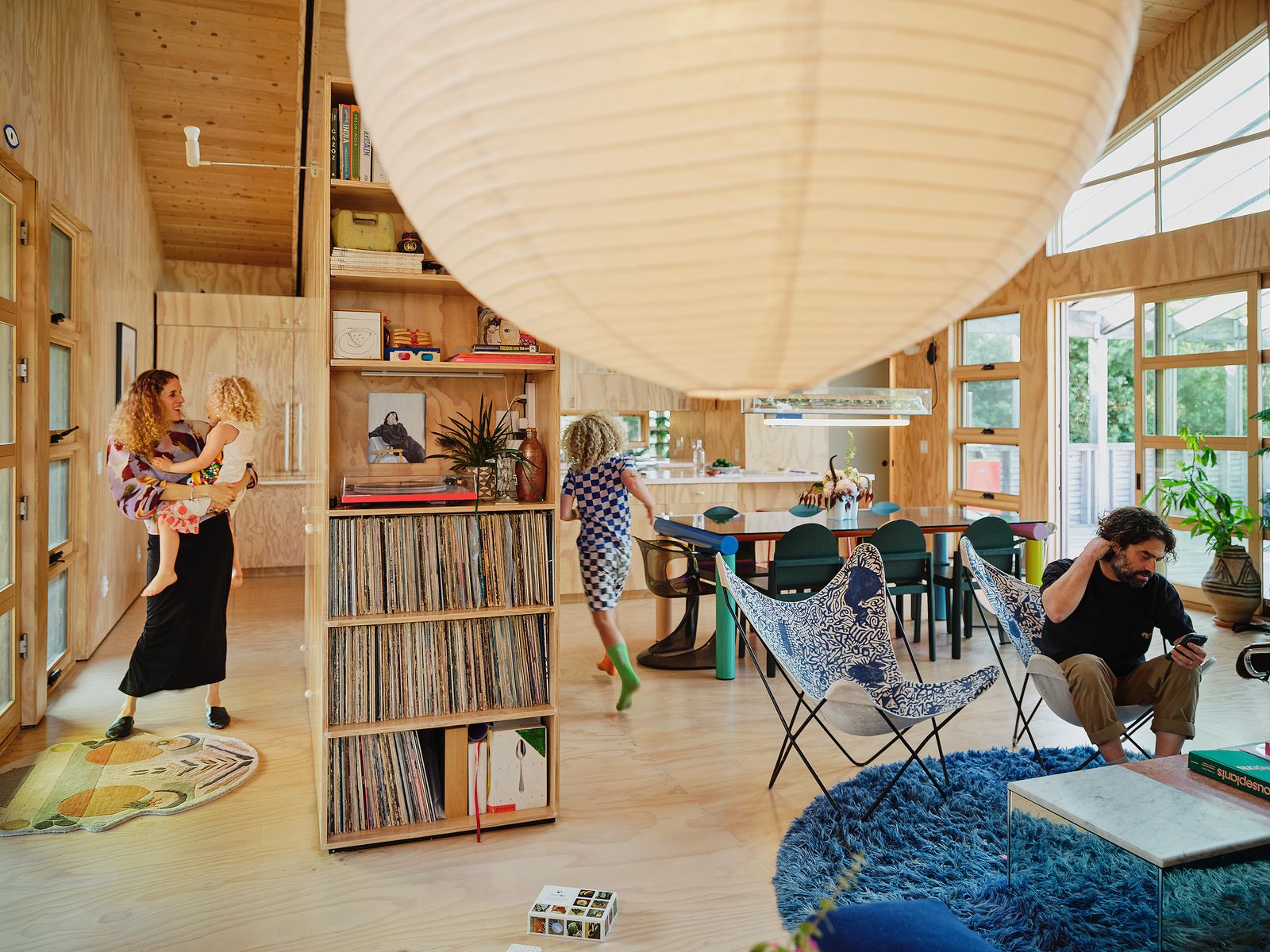
In the bustling L.A. neighborhood of Highland Park, Project Room principal Isaac Resnikoff and his in-laws at Louis Wasserman & Associates embarked on an ambitious project: a ground-up, net-zero house constructed almost entirely from plywood. This comprehensive application included floors, ceilings, custom furniture, and walls – effectively the entire interior envelope. The decision to commit so thoroughly to plywood was a bold one, especially considering the home would be subjected to the daily rigors of family life with young children.
Resnikoff, reflecting on the home’s performance since their move-in around August 2019, offers an unequivocally positive assessment. "Over the seven years, it’s held up very well: durable and beautiful," he reports. This observation is particularly significant as it debunks the myth that plywood cannot withstand the heavy traffic and potential impacts associated with active family living. The house, designed not just for aesthetic appeal but for sustainability and long-term performance, has proven plywood to be a robust and reliable choice, adapting gracefully to the demands placed upon it. The net-zero design further underscores the material’s suitability for forward-thinking, environmentally conscious construction, often leveraging plywood’s relatively lower embodied energy compared to other materials.
The "Unfinished House" in Tiny, Ontario: Embracing Raw Aesthetics
North of the border, in the woodsy bays of Tiny, Ontario, Workshop Architects adopted an even more minimalist approach with their two-bedroom, two-bathroom "Unfinished House." Here, raw plywood was used almost exclusively for the interior finishes. Principal Helena Grdadolnik explains their finishing process: "The plywood on walls, ceiling and mezzanine floors was sanded and finished with two coats of Osmo Natural Oil Woodstain in 701 Clear Matte." This choice of a clear, matte oil finish was crucial, allowing the natural character and grain of the plywood to shine through while offering essential protection.
Grdadolnik’s assessment of the material’s endurance is equally encouraging. "They typically say to refinish it every three to five years in areas that aren’t high use, but it has been almost five years and it doesn’t look like it needs it," she notes. While acknowledging that the house functions as a vacation home, meaning it’s unoccupied for parts of the year, its performance still highlights plywood’s inherent hardiness and the effectiveness of modern protective finishes. The minimal maintenance required challenges conventional expectations of wood interiors, positioning plywood as a low-upkeep option for both residential and leisure properties.
Nordic Resilience: A 1970s Cabin Renovation in Sweden
The versatility and durability of plywood extend across continents and climates. In southeast Sweden, Atelier–Heyman Hamilton renovated a 1970s cabin, transforming it into a weekend retreat using pine plywood. Three years after the renovation, co-founder James Hamilton reports, "No repairs have been made, and no sheets have been replaced." He attributes this success to meticulous material specification: "The key is specifying the right quality of plywood. In Sweden, BB/X pine plywood is a few steps below furniture grade, has no knots or defects on one side, and is cost-effective."
This emphasizes a critical point: not all plywood is created equal. The selection of appropriate grades and species for specific applications is paramount to achieving long-term durability. BB/X pine plywood, chosen for its balance of quality and cost-effectiveness, has proven more than capable of withstanding the demands of a Nordic climate and the intermittent use of a weekend home, further solidifying plywood’s reputation as a reliable and enduring material.
The Aesthetics of Aging: Embracing Patina and Evolution
One of the most fascinating aspects of plywood, as observed by these architects, is its dynamic aesthetic evolution over time. Unlike static materials, wood—and plywood by extension—ages, acquiring a unique patina that can enhance its character.
James Hamilton of Atelier–Heyman Hamilton intentionally explored this phenomenon in the Swedish cabin. "We knew it would darken and age unevenly over time, with areas exposed to direct sunlight changing faster than those in the shade," he explains. "This uneven aging process was a specific quality we were interested in exploring." This perspective shifts the narrative from maintaining a pristine, unchanging surface to appreciating the natural transformation of materials, aligning with principles of wabi-sabi and material honesty in design. The subtle shifts in color and tone, influenced by light exposure and use, tell a story of the space and its inhabitants.
Isaac Resnikoff also anticipated a shift in his L.A. home. "We wanted wood that would not yellow with time, and of course that’s kind of impossible," he admits. To mitigate this natural tendency, a lacquer with a subtle white pigment was applied. While some yellowing has occurred, Resnikoff describes it as "not that dramatic!" and appreciates the "satin finish, which feels really nice." This demonstrates a pragmatic approach: acknowledging the material’s natural tendencies while employing finishes to guide its aging process in a desired direction. The tactile experience of the satin finish further adds to the material’s appeal, inviting interaction and a deeper connection to the living environment.
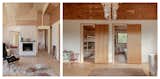
The wear and tear of daily life also contribute to plywood’s evolving appearance. Resnikoff has observed that the floors, being a softer surface than traditional hardwoods, bear the brunt of activity. "It’s a softer floor than you might normally have, so it’s going to get dinged," he notes, citing the indentations from kitchen stools. However, he views this not as damage but as an enhancement: "I think it has almost a hammered patina. When we did it, we thought in ten years we’d probably have to replace it. We don’t feel like that’s inevitable, at this point." This shift in perception, from expecting replacement to embracing character, underscores a growing appreciation for materials that gracefully age and reflect the life lived within a space. Hamilton echoes this sentiment regarding the weekend cabin, suggesting that "surface wear could even be left intentionally unattended to allow for an uneven, character-rich aging process where areas with rubbed-off finish darken faster."
Practical Considerations and Challenges: Planning for Longevity
While plywood offers impressive durability and aesthetic versatility, architects highlight crucial planning and installation considerations to maximize its performance and address its unique characteristics.
The Imperfections of Plywood: A Matter of Planning
Helena Grdadolnik’s experience with the "Unfinished House" revealed a key difference between plywood and more conventional wall finishes like drywall. When a thermostat needed to be relocated, leaving a small hole, the fix wasn’t as straightforward as patching drywall. "Plywood is less forgiving than drywall; it can’t be patched or replaced without being noticeable," she cautions. This highlights the importance of meticulous planning for all electrical outlets, light switches, plumbing fixtures, and built-in equipment. "So plan any lighting, wall switches, and equipment in advance, and think twice before cutting holes in the wall." This advice underscores that plywood, while robust, requires a precise, thoughtful approach to design and installation.
For projects aiming for a seamless, "book-matched" effect where grain patterns align across panels, designers recommend purchasing extra panels from the same batch and lacquering them alongside the pieces used for construction. This ensures that any future replacements will age consistently with the existing material. Grdadadnik noted this with their spruce plywood: "We selected a spruce plywood finish with a very strong pattern that came as a bunk from a mill, so the patterns match. If in the future we would need to replace a sheet on a wall or in the ceiling, it would be hard to match and the difference could be noticeable." She contrasts this with clear birch plywood, which "has less personality, but would be easier to replace with a similar look," offering a trade-off between distinctive aesthetics and ease of repair.
Installation Techniques and Repair Philosophies
When a repair or replacement is unavoidable, conventional drywall techniques are ill-suited for plywood. Isaac Resnikoff advises against sanding the joining places between two panels to try to blend them, as this will inevitably discolor the wood. Similarly, using wood putty for transitions, he warns, "just ends up as this built-up area of like weird stuff." Instead, he advocates for an acceptance of the material’s natural characteristics: "Instead, just accept the fact that the pieces of wood do not actually land flat. Or use a pinhead screw, which allows some flexibility of adjusting the wood in its location." This approach embraces the authenticity of the material, acknowledging its inherent variations rather than forcing an artificial uniformity.
Ultimately, plywood’s distinctive patterns can even be advantageous in hiding minor imperfections. Resnikoff playfully remarks, "It’s quite busy as a material, so you don’t always notice that there’s some spaghetti sauce on the wall." This inherent visual texture allows plywood to absorb the occasional scuff or stain more gracefully than a monochromatic surface, contributing to its practical appeal in active environments.
Broader Implications: Sustainability, Cost-Effectiveness, and Future Trends
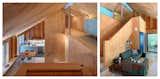
Plywood’s enduring presence in architecture is not merely a testament to its aesthetic appeal or surprising durability; it also carries significant implications for sustainable building practices, cost-effectiveness, and the future trajectory of material science in construction.
Sustainability Credentials
In an era increasingly focused on environmental responsibility, plywood stands out as a relatively sustainable choice. As an engineered wood product, it makes efficient use of timber resources by peeling logs into thin veneers, thereby maximizing the usable portion of a tree compared to solid lumber. When sourced from responsibly managed forests, certified by organizations like the Forest Stewardship Council (FSC), plywood contributes to sustainable forestry and reduces the demand for old-growth timber. Its manufacturing process, while energy-intensive, is continually improving with advancements in adhesives and production techniques that minimize volatile organic compound (VOC) emissions. Furthermore, the longevity demonstrated by the featured projects means a reduced frequency of replacement and associated material consumption, further bolstering its environmental profile. The net-zero house in Highland Park exemplifies how plywood can integrate into a holistic sustainable design strategy.
Economic Advantages
Beyond its environmental benefits, plywood offers compelling economic advantages. Generally more cost-effective than solid hardwood panels, it provides a luxurious wood aesthetic at a more accessible price point. Its ease of manufacturing translates to lower production costs, and its consistent dimensions and structural stability can lead to faster, more efficient on-site construction, reducing labor costs. The ability to source specific grades, such as the BB/X pine plywood used in Sweden, allows architects to balance quality with budget constraints effectively. The low maintenance requirements observed by Grdadolnik and the long-term resilience noted by Resnikoff also contribute to lower lifecycle costs, making plywood an economically sound investment for homeowners and developers alike.
Market Trends and Architectural Evolution
The continued embrace of plywood by leading architectural firms signals a broader trend towards materials that are both honest in their expression and high in performance. The material’s flexibility allows for innovative applications, from structural components to intricate joinery and custom furniture, offering architects a vast palette for creative expression. The appreciation for its aging process aligns with a growing desire for authentic, character-rich spaces that evolve with their inhabitants, moving away from sterile, unchanging interiors.
Plywood’s story is far from over. As material science advances, we can anticipate even more sophisticated plywood variants—perhaps with enhanced fire resistance, moisture protection, or even integrated smart technologies. Its foundational qualities—strength, workability, and distinctive beauty—ensure its continued relevance.
Conclusion
Plywood, often underestimated and sometimes dismissed as a mere subfloor or sheathing material, has unequivocally proven its mettle as a durable, versatile, and aesthetically rich finish in modern architecture. The experiences of Project Room, Workshop Architects, and Atelier–Heyman Hamilton provide compelling, real-world evidence that this humble engineered wood product can withstand the test of time, family life, and diverse climatic conditions. Its natural aging process, far from being a flaw, is increasingly embraced as a desirable characteristic, adding depth and narrative to architectural spaces. While demanding thoughtful planning and installation, plywood offers a unique combination of economic, environmental, and aesthetic benefits that few other materials can match. It is a material that, in its monolithic presence and evolving patina, continues to challenge perceptions and remain truly timeless.