admin
admin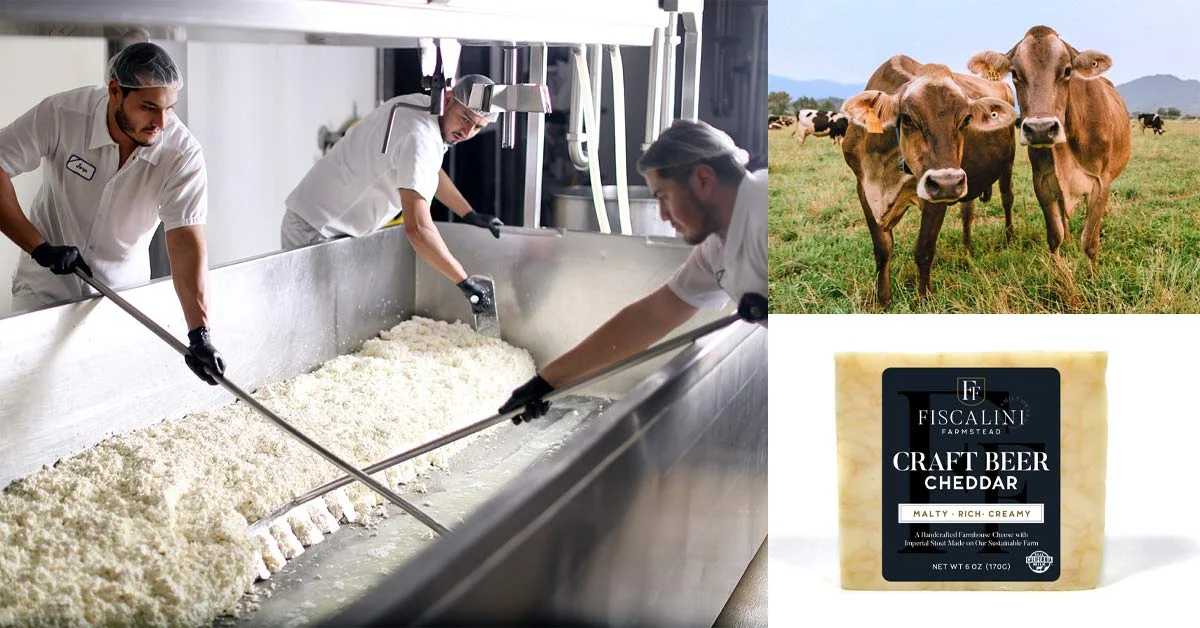
The landscape of American specialty food is currently witnessing a sophisticated convergence between two of the nation’s most storied fermentation traditions: craft brewing and artisanal cheesemaking. While the term "beer cheese" has historically evoked images of a tangy, neon-orange spread served in Kentucky roadhouses, a new generation of farmstead producers is redefining the category. By integrating premium ales and lagers directly into the vats during the cheesemaking process, these producers are moving beyond the condiment tray and into the realm of high-end culinary innovation. This shift reflects broader trends in the American food industry, where traceability, regional collaboration, and technical precision are paramount.
The Historical Foundations of a Kentucky Staple
The origins of beer cheese are rooted in the mid-20th century in Clark County, Kentucky. While historical accounts vary slightly, the consensus points to Johnny Allman’s restaurant on the banks of the Kentucky River as the birthplace of the original recipe in the 1940s. According to Kathy Gorman Archer, president of Howard’s Creek Authentic Beer Cheese—the successor to the Allman legacy—the product was born out of a mid-century commitment to sustainability and resourcefulness.
In its original form, beer cheese was a spreadable concoction designed to minimize waste. Leftover sharp cheddar cheese was blended with flat or surplus beer, then seasoned with a robust profile of garlic, cayenne pepper, and various spices. This "southwestern flare," as Archer describes it, provided a sharp, spicy kick that complemented the malty notes of the beer. For decades, this model defined the American consumer’s expectation of beer cheese: a social snack intended for dipping pretzels or vegetables. However, as the American palate has matured alongside the explosion of the craft beer movement—which now boasts over 9,000 breweries nationwide—the demand for more complex, integrated flavors has spurred a radical departure from this traditional formula.
The Science of Integration: pH and Fermentation
The modern transition from "cheese with beer added" to "cheese brewed with beer" requires a deep understanding of biochemistry. Unlike the Kentucky-style spread, which is a processed cold-pack product, farmstead beer cheeses involve introducing the beverage during the curd-setting or aging stages. This process is governed by the pH scale, which measures the acidity or alkalinity of the product.
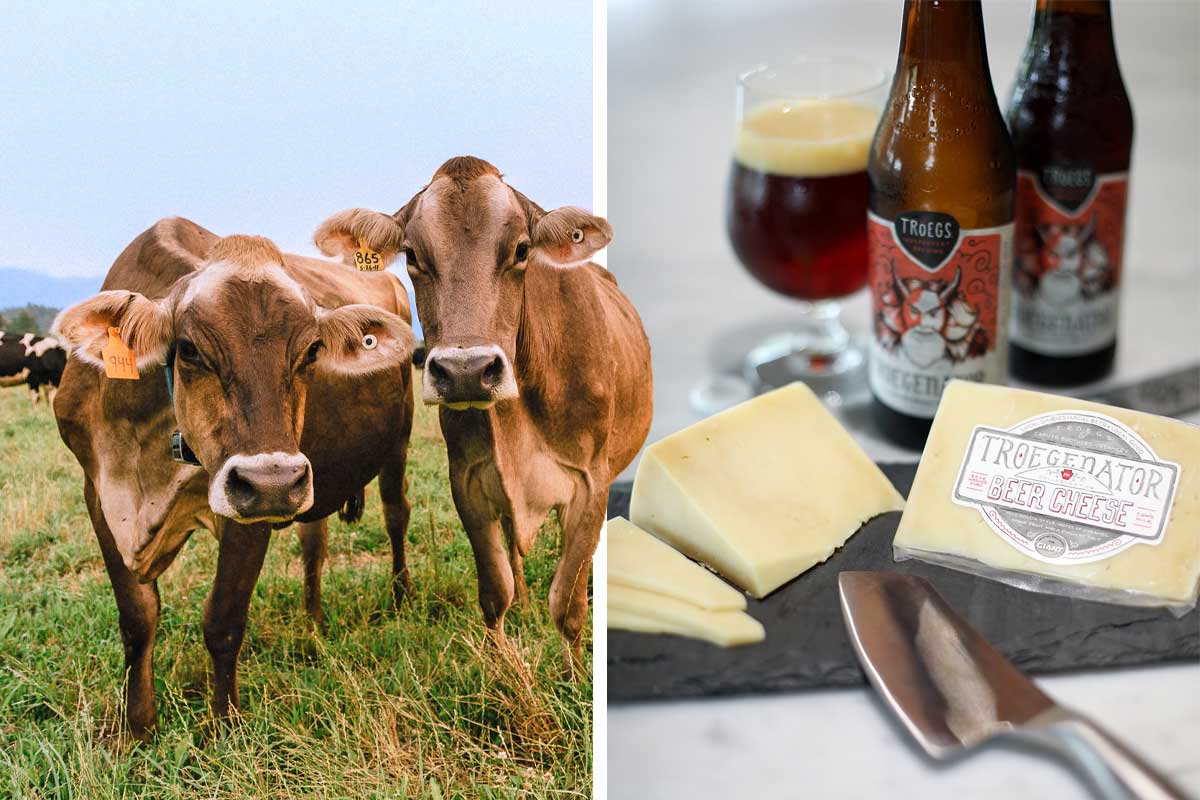
Standard cow’s milk typically maintains a pH between 6.4 and 6.8. During cheesemaking, the introduction of starter cultures and rennet triggers the separation of solids (curds) from liquids (whey). If the pH remains too high—specifically above the low 5s—the curds fail to bind properly. Conversely, if the acidity drops too low (below a pH of 4), the resulting cheese becomes rubbery and unpalatable. Cheesemakers like Rynn Caputo of Caputo Brothers Creamery have transformed this delicate balance into a specialized science. By monitoring the interaction between the beer’s acidity and the milk’s proteins, producers can infuse the essence of a specific brew—its hops, malts, and yeast esters—without compromising the structural integrity of the cheese wheel.
West Coast Pioneers: Rogue Creamery and Fiscalini Farmstead
In the Pacific Northwest and California, the proximity of world-class dairies to iconic breweries has fostered a culture of experimental collaboration. Rogue Creamery in Central Point, Oregon, has long been a leader in this space. Although frequently confused with Rogue Ales due to their shared name and geography, the creamery operates as a distinct entity with a focus on organic, cave-aged products.
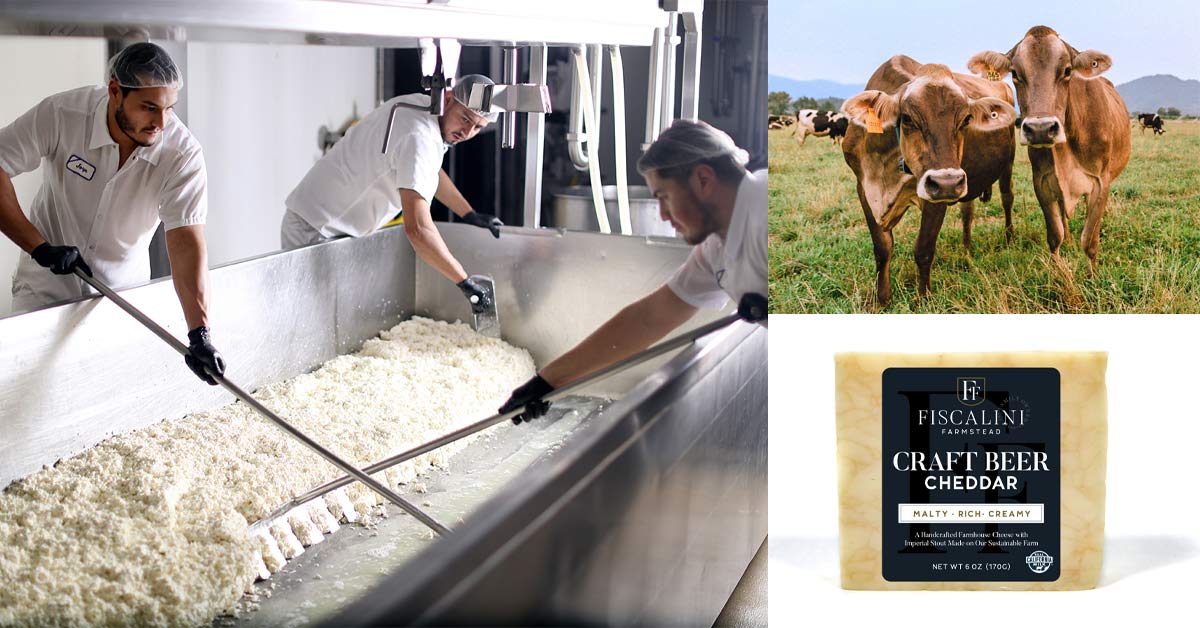
For nearly a decade, Rogue Creamery has collaborated with Portland’s Hopworks Brewery to produce its Chocolate Stout Cheddar. The process involves adding the stout just as the whey begins to separate, allowing the dark, malty liquid to marble through the curds. This technique does not merely make the cheese taste like beer; it introduces a subtle sweetness and a visual aesthetic reminiscent of mahogany. Building on this success, the creamery developed "Hopyard," a cheddar infused with fresh, local Northwest-grown hops. By mixing the hops directly with the curds, the creamery captures the floral, citrusy, and pine-forward notes characteristic of a West Coast IPA, creating a product that appeals to the "hophead" demographic of the craft beer world.
Further south in Modesto, California, Fiscalini Farmstead has leveraged its status as a fourth-generation dairy to emphasize traceability. Under the leadership of owner Laura Genasci and cheesemaker Alex Borgo, Fiscalini produces a Craft Beer Cheddar using the Black Blizzard Imperial Stout from nearby Dust Bowl Brewing. This partnership is a prime example of the "hyper-local" trend in the industry. The imperial stout, known for its roasty coffee and chocolate notes, is mixed with the curds before they are pressed into 40-pound blocks. The overnight pressing process ensures the beer’s flavor permeates every bite, resulting in a mottled, savory profile that intensifies as the cheese ages beyond its initial three-month window.
The Mid-Atlantic Model: Caputo Brothers and the Tröegs Partnership
In Pennsylvania, the collaboration between Caputo Brothers Creamery and Tröegs Independent Brewing has set a new standard for regional economic impact. Originally focused exclusively on Italian-style cheeses, Caputo Brothers pivoted to beer cheese at the request of Giant Food Stores, a major grocery chain seeking local innovations.
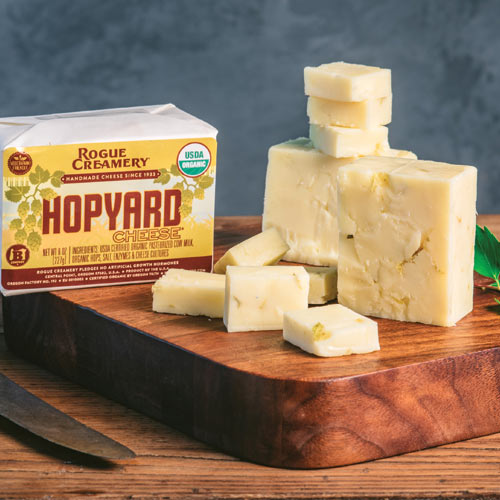
The collaboration centered on Tröegenator, a legendary Double Bock with a significant cult following. The richness of the beer lends a golden hue and a distinct sweetness to the cheese curds. The success of this initial product led to an expanded line, including cheeses made with Perpetual IPA and the seasonal Mad Elf, an 11% ABV Belgian-style ale brewed with cherries and honey. For the Mad Elf variety, the process is particularly labor-intensive: the curds are marinated in the beer, and the finished rind is rubbed with a mixture of cocoa, cinnamon, espresso, and more beer.
Rynn Caputo noted that the Perpetual IPA cheese took innovation a step further by "dry hopping" the milk with Citra hops before the cheesemaking process even began. This technique mirrors the dry-hopping process used by brewers to enhance aroma without adding bitterness, resulting in a cheese that Caputo describes as "eating a beer." This level of integration has proven so successful that it birthed "Custom Cheesemakers," a subsidiary dedicated to helping breweries across the country develop their own proprietary cheese lines.
Regional Variations and the Rise of Urban Creameries
The evolution of beer cheese is also manifesting in diverse textures beyond the traditional hard cheddar. In Indianapolis, Tulip Tree Creamery specializes in washed-rind cheeses. Rather than mixing beer into the curds, they wash the exterior of the cheese wheels with a brine composed of bacteria cultures, salt, and local brews from partners like Sun King and 3 Floyds. This method, rooted in European traditions, allows the beer to influence the cheese’s aroma and creamy interior through the rind.
In Cincinnati, Ohio, Urban Stead Cheese is bridging the gap between historical Kentucky traditions and modern urban production. As one of the few urban creameries in the United States, Urban Stead honors the region’s German heritage by producing a fresh, Eastern European-style farmer’s cheese known as Quark. Their version of beer cheese uses Braxton Brewing’s Storm Golden Cream Ale. Unlike the aged cheddars of the West Coast, this is a fresh cheese with a texture between ricotta and cream cheese, designed for immediate consumption. It highlights the versatility of the category, proving that beer cheese can be a sophisticated ingredient in pasta stuffing or baking, rather than just a standalone snack.
Market Implications and Future Outlook
The rise of artisanal beer cheese represents a significant shift in consumer behavior and B2B (business-to-business) strategy. For breweries, these collaborations offer a way to extend their brand into the grocery aisle and provide a value-added product for their taprooms. For creameries, the use of beer provides a competitive edge in a crowded specialty food market, appealing to the massive and loyal craft beer audience.
Data from the American Cheese Society suggests that "flavored" cheeses—a category that includes those infused with alcohol—continue to see steady growth as consumers seek out "experience-based" foods. Furthermore, the economic model of fresh beer cheeses, like those produced by Urban Stead, provides vital cash flow for creameries whose flagship products may require 18 to 24 months of aging before they can be sold.
As the industry moves forward, the focus is expected to shift toward even more specialized pairings. The move from generic lagers to Imperial Stouts, Belgian Tripels, and New England IPAs indicates that both the cheesemaker and the consumer are looking for specific flavor synergies. Whether through the science of pH-balanced curd infusion or the traditional art of the washed rind, beer cheese has officially graduated from the roadside tavern to the artisanal creamery, securing its place as a permanent and respected fixture in American gastronomy.