admin
admin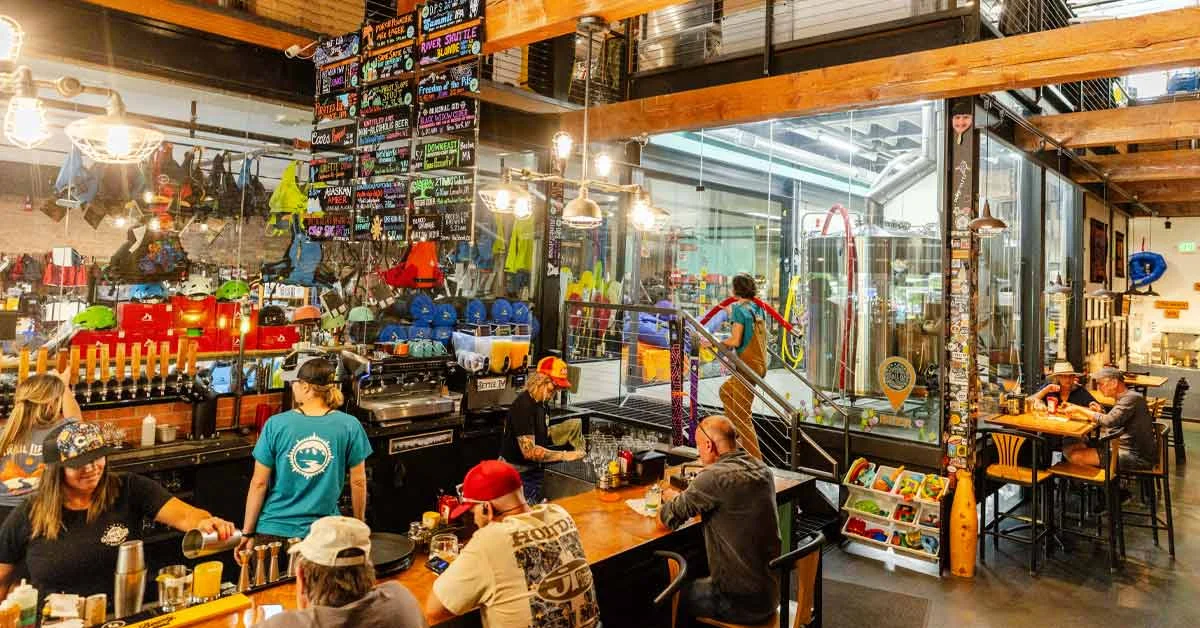
The city of Grand Junction, Colorado, situated at the confluence of the Colorado and Gunnison rivers, has emerged as a significant yet underutilized destination for both outdoor recreation and craft viticulture. While traditional tourism corridors in the American West often prioritize the Grand Canyon in Arizona or the "Mighty 5" national parks in Utah, Grand Junction offers a comparable geological splendor coupled with an increasingly sophisticated craft beer infrastructure. This development represents a shift in regional economic drivers, where the "outdoor recreation economy" converges with the "craft fermentation industry" to create a unique market niche. Market analysts and local stakeholders suggest that the city’s relative lack of congestion, compared to the oversaturated markets of Denver and Fort Collins, provides a competitive advantage for travelers seeking an authentic Western experience.
The Geological and Regional Context of the Grand Valley
Grand Junction’s name is derived from its historical location at the junction of the Gunnison River and the Colorado River, the latter of which was known as the Grand River until 1921. The region is defined by three distinct geological features that provide the backdrop for its growing hospitality sector. To the west lies the Colorado National Monument, a 32-square-mile expanse of red rock canyons, sandstone pillars, and monoliths formed over millions of years through the erosion of the Kayenta and Wingate formations. Unlike the Grand Canyon, which recorded over 4.7 million visitors in 2023, the Colorado National Monument maintains a significantly lower visitation density, offering a level of solitude that has become a primary selling point for the region.
To the north, the Book Cliffs and the Grand Mesa define the horizon. The Grand Mesa is recognized as the largest flat-top mountain in the world, encompassing approximately 500 square miles and reaching elevations of over 11,000 feet. This plateau contains over 300 alpine lakes and provides a stark contrast to the high-desert environment of the valley floor. Furthermore, the Rattlesnake Arches, located within the Black Ridge Canyons Wilderness, houses the second-highest concentration of natural arches in the world, surpassed only by Arches National Park in Utah. This geographical diversity is not merely a scenic asset but serves as the foundational infrastructure for the city’s tourism model, which relies heavily on mountain biking, hiking, and river-based activities.
Chronology of the Grand Junction Craft Beer Sector
The evolution of Grand Junction’s beer scene can be categorized into three distinct phases: the foundational era, the expansionist period, and the contemporary "destination" era.
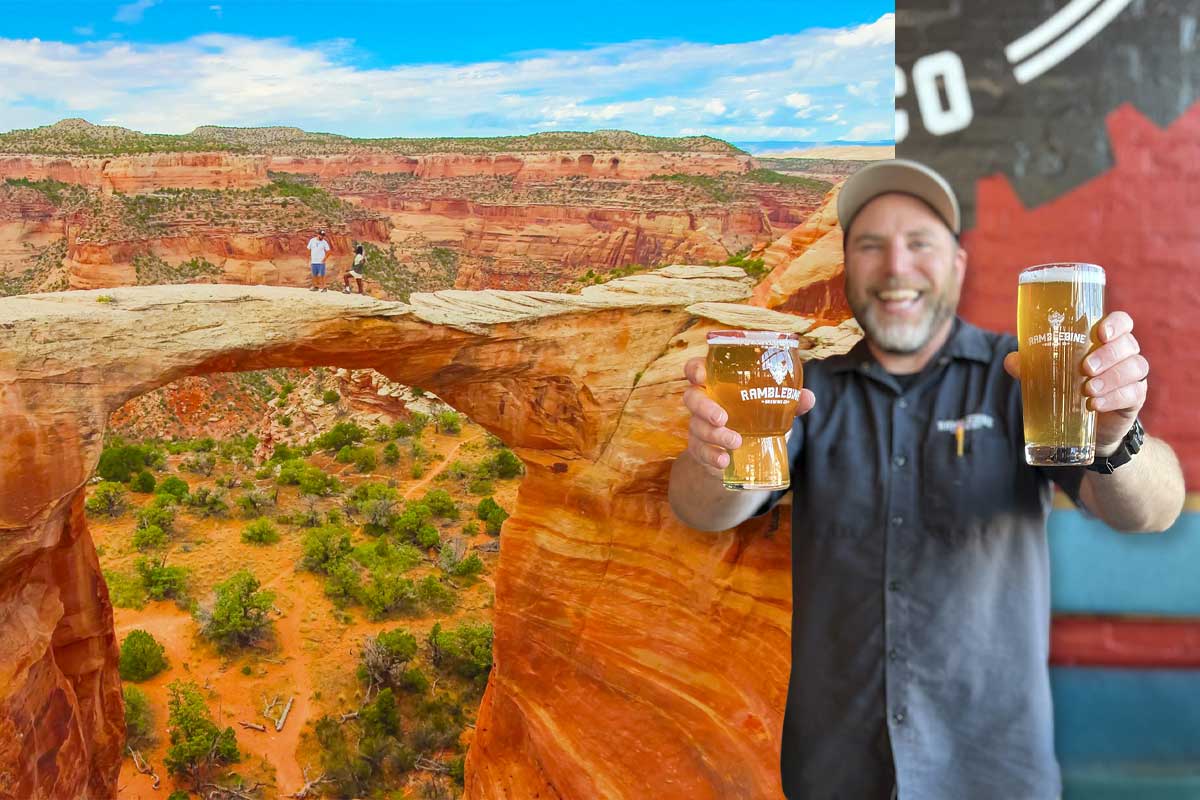
The foundational era began in 1994 with the opening of The Rockslide Brew Pub. As the city’s original craft brewery, Rockslide established the viability of the brewpub model in Western Colorado, focusing on traditional English and German styles. For nearly two decades, the market remained relatively static, reflecting a broader national trend where craft beer was a niche interest rather than a primary tourism driver.
The expansionist period (2010–2019) saw the entry of breweries like Base Camp Beer Works (formerly known as Monumental Beer Works). During this time, the industry began to experiment with more aggressive flavor profiles and specialized ingredients, catering to a growing demographic of "beer tourists."
The contemporary era (2020–Present) is marked by the opening of Ramblebine Brewing Company and WestCo Brewing. This phase is characterized by a sophisticated integration of brewery operations with local culture and urban development projects. For example, the establishment of WestCo Brewing adjacent to the Amphitheater at Las Colonias Park demonstrates a strategic alignment with municipal efforts to revitalize the riverfront corridor.
Profiles in Fermentation: Key Industry Players
Ramblebine Brewing Company
Established in 2020 by Eli Gerson and Rob James, Ramblebine Brewing has become a focal point for stylistic diversity in the Grand Valley. The brewery’s portfolio is notable for its use of Kveik yeast, a traditional Norwegian farmhouse yeast known for its high-temperature fermentation capabilities and unique ester profile. Their flagship "God Hammer," a Norwegian red ale, exemplifies the brewery’s commitment to non-traditional styles. Beyond specialized ales, the brewery maintains a rotation of West Coast and Hazy IPAs, lagers, and fruit-forward sours. Industry observers note that Ramblebine’s success is partly due to its "educational" approach, where staff are trained to guide consumers through complex flavor profiles, thereby expanding the local palate.
Trail Life Brewing
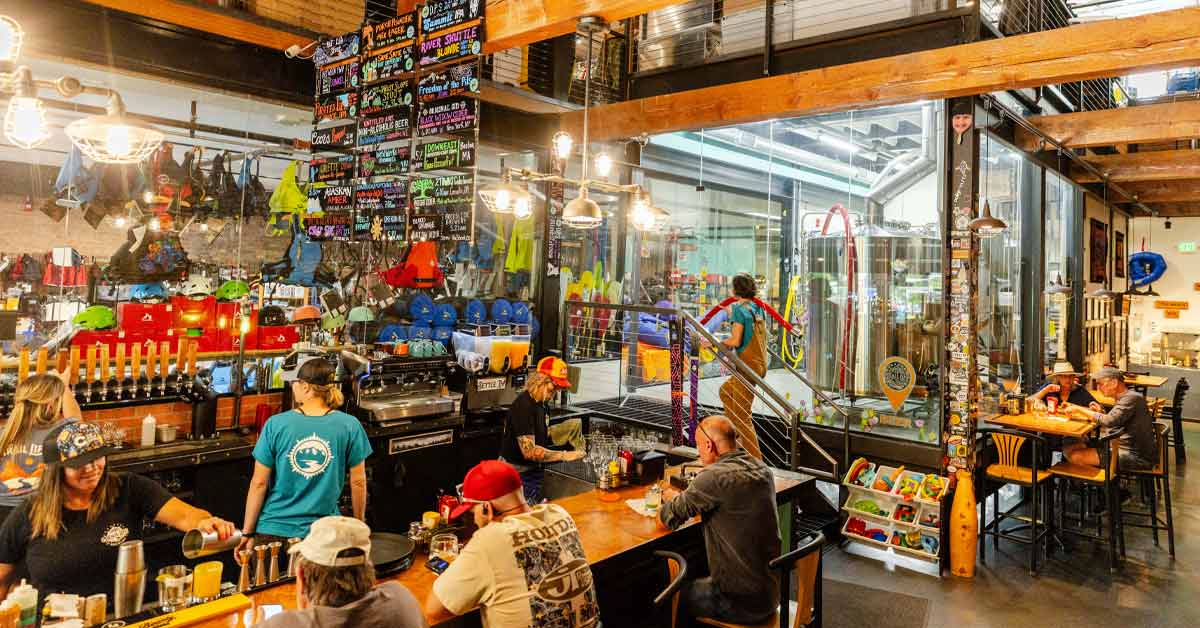
Trail Life Brewing serves as the primary example of the "lifestyle-integrated" business model. Physically connected to a mountain bike shop, the brewery caters directly to the outdoor recreation demographic. The taproom environment is designed to facilitate post-activity social gatherings, offering a range of styles including Mexican-style lagers and their signature Pirates Life Black IPA. The inclusion of a full-service kitchen, featuring a menu that ranges from hummus platters to Colorado-sourced proteins, reflects a broader trend in the craft beer industry to move away from "tasting rooms" toward "culinary destinations."
WestCo Brewing
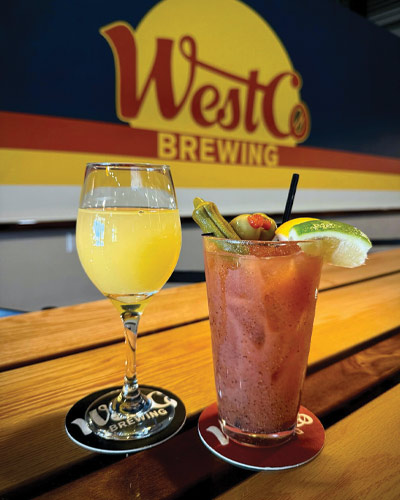
The most recent significant addition to the landscape is WestCo Brewing, a collaboration between Adam Kinsey, owner of Handlebar Tap House, and head brewer Danny Wilson. Situated in the Las Colonias Park development, WestCo is positioned to capitalize on the city’s investment in public events and live music. The brewery’s beer program focuses on "crushability"—low-ABV, high-flavor styles such as Japanese-style rice lagers and extra pale ales. The culinary component of WestCo is particularly distinct, utilizing a Japanese-fusion approach that includes ramen, katsu fried chicken, and elk-based entrees, signaling a move toward high-concept dining within the brewery setting.
Supporting Data: The Economic Impact of Craft Beer and Tourism
The growth of the Grand Junction beer scene is supported by broader economic data regarding the craft beer industry in Colorado. According to the Brewers Association, Colorado ranks in the top five states nationally for the number of craft breweries per capita. In 2022, the economic impact of craft beer in the state exceeded $2.4 billion.
In Mesa County, tourism has become an essential economic pillar. Data from Visit Grand Junction indicates that the region has seen a steady increase in "lodging tax revenue," which is often reinvested into local infrastructure. The synergy between outdoor recreation and breweries is a documented phenomenon; a study by the University of Colorado found that travelers who engage in outdoor activities are 40% more likely to visit a local brewery during their stay than the average tourist. This "multiplier effect" suggests that the success of the Colorado National Monument and the Grand Mesa directly fuels the revenue of the downtown brewery corridor.
Official Responses and Strategic Development
Local business owners emphasize that the lack of crowds is a deliberate part of the city’s brand identity. Adam Kinsey, a prominent figure in the local scene, notes that the community is built around active participation in the outdoors. "I don’t think anyone lives in Grand Junction who isn’t actively involved in at least one outdoor activity," Kinsey stated in a recent industry profile. This sentiment is echoed by municipal planners who have prioritized the development of the "Riverfront at Las Colonias Park," a 140-acre project designed to blend business, recreation, and entertainment.
The city’s strategy involves creating a "loop" of activity: visitors spend the morning on the trails of the Colorado National Monument, the afternoon at the bike shops and breweries of the downtown core, and the evening at the riverfront amphitheater. This integrated approach is designed to increase the "length of stay" for visitors, a key metric for economic health in the tourism sector.
Broader Impact and Future Implications
The transformation of Grand Junction from a quiet transit point into a destination for "beer and gear" has several long-term implications. First, it provides a blueprint for other "secondary markets" in the West to develop sustainable tourism models that do not rely on the massive, often destructive, foot traffic seen in national parks like Zion or Yellowstone. By focusing on niche interests—such as kveik-fermented ales or technical mountain biking—Grand Junction attracts a high-value, low-impact demographic.
Second, the diversification of the beer scene reflects a maturing market. The presence of specialized establishments like Gemini Beer Company, which serves as a multi-tap showroom for local brews, and Base Camp Beer Works, which experiments with ingredients like pistachio and pineapple, indicates that the local consumer base is large enough to support experimental brewing.
However, challenges remain. As Grand Junction’s profile rises, the city faces the classic "gateway community" dilemma: maintaining affordability for the local workforce while catering to an influx of tourists. The "embarrassment of riches" currently enjoyed by locals—uncrowded trails and world-class beer—may face pressure as the secret of the Grand Valley continues to propagate through national travel media.
In conclusion, Grand Junction represents a successful convergence of natural endowment and entrepreneurial initiative. The city has managed to build a beer scene that is not merely an adjunct to its natural beauty, but a primary draw in its own right. For the craft beer enthusiast, the city offers a "frontier" experience that is increasingly rare in the American West: the opportunity to explore high-level fermentation in a setting of profound, uncrowded serenity.