admin
admin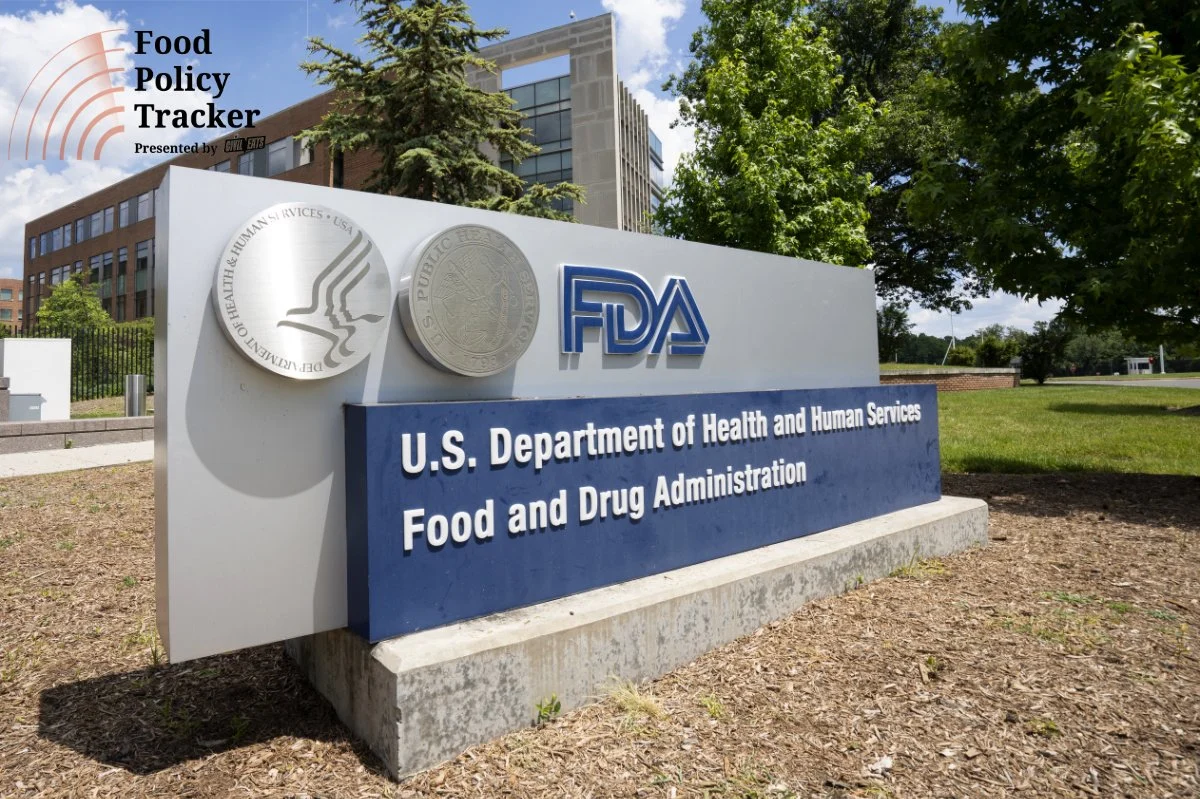
August 20, 2026 – President Donald Trump’s latest nominee for Food and Drug Administration (FDA) Commissioner, White House aide Heidi Overton, is already facing significant pushback from an unusual coalition of critics, including staunch Make America Healthy Again (MAHA) supporters and key Republican senators, even as the nation grapples with a historic surge in cyclosporiasis cases. The nomination, announced Wednesday, sets the stage for a contentious Senate confirmation process that will scrutinize Overton’s policy background, managerial experience, and her involvement in several controversial health initiatives championed by the administration.
A New Leader for a Critical Agency: Heidi Overton’s Profile Emerges
The announcement of Heidi Overton as the prospective new head of the FDA comes at a critical juncture for the agency, which has been without a permanent leader since former commissioner Marty Makary’s departure in May. Kyle Diamantas, previously the agency’s top food official, has been serving as acting commissioner, navigating the ongoing public health challenges. Overton’s professional trajectory highlights a rapid ascent within the conservative policy sphere and the current administration.
Since the second Trump administration began, Overton has served as a deputy director of the White House Domestic Policy Council, a pivotal role within the executive branch responsible for coordinating policy across various federal agencies on domestic matters. In this capacity, she has been deeply involved in several health initiatives, though specific details of these initiatives beyond the controversial executive orders remain largely unpublicized. Prior to her White House tenure, Overton held the position of chief policy officer at the America First Policy Institute, a prominent conservative think tank. This institute, co-founded by Agriculture Secretary Brooke Rollins, is known for shaping and advocating for policies aligned with the broader "America First" agenda, often emphasizing deregulation, market-based solutions, and a skepticism towards established government bureaucracy. Her ties to Rollins and the institute suggest a policy orientation that prioritizes economic considerations and streamlined governance, potentially at odds with traditional public health regulatory frameworks.
Notably, Overton also possesses a medical background, having completed a general surgery residency at Johns Hopkins Hospital. While a medical degree and clinical experience are often seen as valuable assets for an FDA Commissioner, the specialization in general surgery is distinct from the public health, epidemiology, pharmacology, or regulatory science backgrounds typically associated with the agency’s leadership. Previous commissioners have often come from fields such as internal medicine, pediatrics, public health, or biomedical research, or have extensive experience in pharmaceutical development or regulatory law. This divergence in medical specialization could fuel questions regarding her direct experience with the complex scientific and regulatory challenges inherent to the FDA’s vast mandate, which spans food safety, drug approval, medical device oversight, and tobacco regulation.
President Trump, in a social media post announcing the nomination, lauded Overton’s close collaboration with Health Secretary Robert F. Kennedy Jr., stating that she "will continue to work with the secretary to deliver more innovations, faster cures, and more Make America Healthy Again (MAHA) wins." He further asserted that "Dr. Overton will continue putting AMERICA FIRST, and creating a HEALTHY AMERICA." This endorsement positions Overton squarely within the administration’s health policy vision, which, under Secretary Kennedy Jr., has often emphasized skepticism towards conventional public health approaches, a focus on "alternative" health solutions, and a push for rapid innovation over potentially more cautious regulatory pathways.
The FDA’s Mandate and Current Challenges
The FDA is one of the most powerful and comprehensive regulatory agencies globally, responsible for protecting public health by ensuring the safety, efficacy, and security of human and veterinary drugs, biological products, medical devices, our nation’s food supply, cosmetics, and products that emit radiation. Its mandate touches virtually every American’s daily life, from the food on their plate to the medications they take. The Commissioner’s role is therefore not merely administrative but deeply scientific, requiring a nuanced understanding of complex scientific data, risk assessment, and the delicate balance between fostering innovation and safeguarding public welfare.
Historically, FDA commissioners have been chosen for their deep scientific credentials, public health expertise, or extensive experience in complex regulatory environments. The agency operates on a budget of billions of dollars and employs thousands of scientists, doctors, and regulatory experts. The challenge for any commissioner is to uphold the agency’s scientific integrity, navigate intense political and industry pressures, and maintain public trust, especially during public health crises. Recent years have seen debates over the agency’s funding levels, staffing capabilities, and its ability to keep pace with rapid advancements in science and technology while simultaneously addressing emergent public health threats.
The "Make America Healthy Again" Divide: Ideology and Opposition
Despite President Trump’s framing of Overton’s nomination as a "MAHA win," the selection has surprisingly ignited a firestorm of criticism from within the very movement that often aligns with the administration’s broader health philosophy. The Make America Healthy Again (MAHA) movement, a loosely defined but influential coalition, generally advocates for a holistic approach to health, often expressing skepticism towards large pharmaceutical companies, conventional medical practices, and certain public health interventions like mandatory vaccinations. They frequently champion "natural" remedies, organic food, and greater individual autonomy in health decisions, often viewing regulatory bodies like the FDA with suspicion, perceiving them as overly influenced by corporate interests or bureaucratic inertia.
Kelly Ryerson, widely known online as "Glyphosate Girl," a prominent voice in the MAHA community celebrated for her advocacy against the widely used herbicide glyphosate, swiftly condemned Overton’s nomination. In a social media post, Ryerson labeled Overton the "wrong pick" and declared the news a "very sad day for MAHA." This strong reaction from a figure like Ryerson signals a significant ideological rift. MAHA supporters, despite their alignment with the "America First" rhetoric, often prioritize specific environmental and dietary concerns that can clash with certain industry-friendly policies.
Adding to the chorus of dissent, Alex Clark, another influential MAHA advocate, posted an article detailing Overton’s nomination and pointedly highlighted her ties to Trump’s controversial executive order boosting domestic production of glyphosate. This executive order, issued earlier in 2026, aimed to bolster U.S. agricultural independence and reduce reliance on foreign chemical suppliers, aligning with "America First" economic principles. However, for MAHA adherents like Clark and Ryerson, who often view glyphosate as a significant health and environmental hazard, this policy is anathema. The perceived complicity of Overton in advancing a policy that promotes a chemical they vehemently oppose appears to be a major sticking point, overshadowing any shared conservative political leanings.
Clark further articulated the movement’s preference, stating in a subsequent social media post, "MAHA wants to KEEP Kyle Diamantas as FDA commissioner." This preference for the acting commissioner, Kyle Diamantas, previously the agency’s top food official, suggests that MAHA advocates may perceive him as more aligned with their specific food safety concerns or perhaps less tainted by direct involvement in the administration’s more controversial policy decisions regarding agriculture and public health. This internal opposition highlights the complex and sometimes contradictory nature of populist health movements, where specific policy stances on issues like food chemicals or vaccines can override broader political allegiances. The MAHA movement’s critique of Overton, therefore, stems not from a rejection of the administration’s overall ethos, but from a perceived betrayal of their core health principles by a nominee they view as too close to industrial interests or policies they deem harmful.
Policy Crossroads: Glyphosate and Vaccine Controversies
Overton’s nomination is further complicated by her direct involvement in two highly contentious executive orders that have drawn widespread criticism from public health experts and environmental advocates.
The first is the aforementioned executive order boosting domestic production of glyphosate. While framed by the administration as a move to enhance national security and economic independence, the order has been met with alarm by environmental groups, public health advocates, and organic farming proponents. Glyphosate, the active ingredient in many herbicides, particularly Roundup, has been a subject of intense debate regarding its potential health impacts, including links to certain cancers, though regulatory bodies globally have largely maintained its safety when used as directed. For MAHA supporters, however, the executive order is seen as a direct affront to their advocacy for cleaner food systems and reduced chemical exposure. Overton’s role in the Domestic Policy Council would have certainly positioned her to contribute to the formulation and implementation of such a significant agricultural and health policy, making her a direct target for criticism from these groups.
The second, and perhaps even more politically charged, executive order involved reducing the number of recommended vaccines for children. Details of this order, which emerged from the public health sphere earlier in the year, indicated a significant departure from established public health guidelines set by the Centers for Disease Control and Prevention (CDC) and the American Academy of Pediatrics. The scientific consensus overwhelmingly supports the current childhood vaccination schedule as safe and highly effective in preventing a wide array of infectious diseases. Any reduction in recommended vaccines raises serious public health concerns about declining herd immunity, potential resurgence of preventable diseases, and the overall erosion of public trust in established medical science. Overton’s involvement in such an order, which aligns with the skepticism towards conventional vaccination often espoused by figures like Health Secretary Robert F. Kennedy Jr., immediately places her in opposition to mainstream medical and public health communities and will undoubtedly be a central point of contention during her Senate confirmation hearings.
The Senate Gauntlet: Confirmation Hurdles and Political Dynamics
Heidi Overton’s path to confirmation will not be smooth. She must first secure approval from the Senate Health, Education, Labor and Pension (HELP) Committee, chaired by Senator Bill Cassidy (R-Louisiana). Senator Cassidy has already expressed "strong concerns" regarding Overton’s suitability for the role, publicly citing her "lack of managerial experience" and her involvement in the executive order reducing recommended childhood vaccines.
The concern over managerial experience is significant for an agency as large and complex as the FDA. The Commissioner oversees thousands of employees, manages a multi-billion dollar budget, and is responsible for a vast portfolio of regulatory functions. While Overton’s experience in the White House Domestic Policy Council demonstrates policy acumen, it may not directly translate to the operational leadership and scientific oversight required to run a sprawling federal agency. Senators on the HELP Committee are likely to probe her ability to manage large-scale operations, foster scientific consensus, and navigate the intricate bureaucratic landscape of the FDA.
Even more challenging for Overton will be her involvement in the controversial vaccine executive order. Senator Cassidy, himself a physician, is likely to press her extensively on the scientific basis and public health implications of this policy. The medical community and public health organizations have vociferously condemned any efforts to undermine the established vaccine schedule, viewing such moves as dangerous to national public health. During her confirmation hearing, Overton will undoubtedly face intense questioning from both Republican and Democratic senators on her stance on evidence-based medicine, vaccine science, and the role of the FDA in protecting public health against preventable diseases. Given the highly politicized nature of vaccine debates, this issue alone could jeopardize her confirmation, potentially alienating senators who prioritize public health consensus over ideological positions. The Senate’s current political climate, often marked by partisan divides, means that even a few dissenting votes from her own party could derail the nomination.
Public Health Under Scrutiny: The Cyclospora Crisis
Overton’s nomination arrives at a moment when the Trump administration and the FDA are already under intense scrutiny for their handling of a rapidly escalating public health crisis: a historic outbreak of cyclosporiasis. As of August 18, the Centers for Disease Control and Prevention (CDC) reported a staggering 15,716 confirmed cases of cyclosporiasis across the United States, with an additional 11,841 cases still under investigation. This surge represents an unprecedented scale for a domestic cyclospora outbreak, far surpassing previous annual totals and raising alarm among public health officials.
Cyclosporiasis is an intestinal illness caused by the microscopic parasite Cyclospora cayetanensis. Humans become infected by consuming food or water contaminated with the parasite, often linked to fresh produce. Symptoms can include watery diarrhea, loss of appetite, weight loss, abdominal cramps, nausea, and fatigue, and can persist for weeks or even months if untreated. The severity and widespread nature of the current outbreak underscore critical vulnerabilities in the nation’s food safety infrastructure.
Food safety experts have been vocal in their criticism, pointing to several systemic issues under the Trump administration and at the FDA as potential drivers for the crisis. A primary concern is the "historic underfunding at federal agencies and cuts to surveillance" capabilities. Over the past several years, various federal agencies, including the FDA and the CDC, have faced budget constraints and staffing reductions, which directly impact their ability to conduct proactive surveillance, rapid outbreak investigations, and robust regulatory oversight. These cuts, experts argue, have eroded the nation’s capacity to quickly identify, trace, and contain foodborne illnesses.
Specifically, the FDA has been criticized for "delays in on-site inspections" of food production facilities. Regular and timely inspections are crucial for preventing contamination and ensuring compliance with food safety standards. Reduced staffing or funding can lead to backlogs in inspections, increasing the risk of contaminated products entering the food supply chain undetected. Furthermore, experts have noted "mixed signals throughout the outbreak" from federal officials, leading to confusion among the public and potentially hindering effective response efforts. In a crisis, clear, consistent, and timely communication from regulatory bodies is paramount for public trust and effective public health messaging. The inability to quickly identify the source of contamination, which has plagued the current cyclospora outbreak, further highlights these systemic weaknesses. The outbreak’s protracted nature and high caseload are seen by many as a direct consequence of a weakened regulatory environment and underresourced public health infrastructure.
Broader Implications for Public Health and Regulatory Science
Heidi Overton’s nomination, if confirmed, carries profound implications for the future direction of the FDA and, by extension, for public health and regulatory science in the United States. Her background and the administration’s stated policy goals suggest a potential shift towards a more innovation-driven, deregulatory approach, which could prioritize faster market access for products over potentially more rigorous safety and efficacy testing or environmental considerations.
The internal opposition from the MAHA movement, coupled with Senator Cassidy’s concerns, signals a fragmented political landscape surrounding health policy. It highlights the challenge of reconciling a populist "America First" agenda with specific, often ideologically driven, health and environmental concerns. If MAHA supporters, traditionally aligned with conservative populist movements, actively oppose a Trump nominee, it underscores a deeper schism within the movement regarding what "healthy America" truly entails – whether it is defined by deregulation and rapid innovation, or by stricter controls on industrial chemicals and skepticism of conventional medicine.
For the FDA, an agency traditionally reliant on scientific independence and robust regulatory frameworks, a commissioner with a strong policy background from a conservative think tank and direct involvement in controversial executive orders could raise questions about the agency’s autonomy. Critics might fear that scientific decisions could become more susceptible to political influence, potentially eroding public trust in the FDA’s impartiality and scientific integrity.
The ongoing cyclospora outbreak serves as a stark reminder of the critical importance of a well-funded, scientifically robust, and independent FDA. Any perceived weakening of the agency’s regulatory capabilities or scientific leadership during such a crisis could have severe consequences for consumer confidence, food safety standards, and the nation’s overall public health resilience. The outcome of Overton’s confirmation battle will undoubtedly shape the FDA’s approach to these challenges, determining whether the agency moves towards a more streamlined, market-oriented regulatory model or maintains its traditional role as a cautious guardian of public health.
Looking Ahead: The Confirmation Battle and Beyond
The immediate next step for Heidi Overton’s nomination is a hearing before the Senate Health, Education, Labor and Pension (HELP) Committee, though no date has been scheduled as of press time. This hearing will be a critical forum for senators to thoroughly vet her qualifications, policy positions, and her vision for the FDA. Given the stated concerns from Senator Cassidy and the vocal opposition from influential public health advocates and MAHA figures, the confirmation process is expected to be highly scrutinized and potentially contentious.
The battle over Overton’s nomination is more than just about one individual; it is a battle over the fundamental role and direction of a crucial public health agency. Its outcome will not only determine the leadership of the FDA for the coming years but will also send a powerful signal about the administration’s priorities regarding food safety, drug regulation, and public health policy in an era marked by complex scientific challenges and deeply entrenched political divides.