admin
admin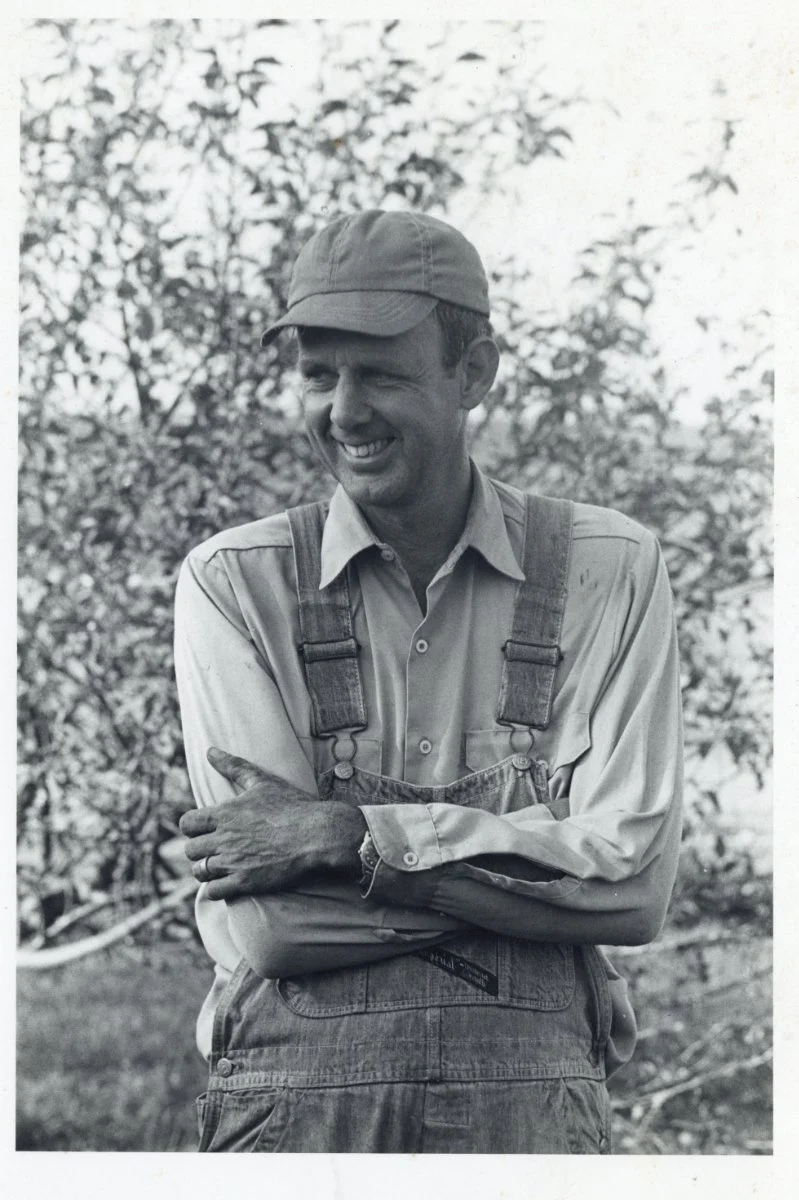
The literary and agricultural world mourns the passing of Wendell Berry, a seminal American author, farmer, and philosopher whose profound contributions shaped contemporary discourse on land stewardship, food systems, and rural life. Berry’s influential work, spanning over 50 books of poetry, fiction, and essays, challenged the prevailing industrial model of agriculture and advocated for a more ecologically sound and community-centric approach to living. His most celebrated work, The Unsettling of America: Culture & Agriculture, published in 1977, remains a foundational text, widely regarded as a conservationist’s manifesto for an alternative to the rapidly scaling industrial, commoditized farming that dominated the era.
The Genesis of a Movement: Challenging Industrial Agriculture in the 1970s
Berry’s magnum opus, The Unsettling of America, emerged during a pivotal moment in American agricultural history. The 1970s witnessed a dramatic acceleration of industrial farming practices, largely propelled by government policies and technological advancements. This era, often characterized by the "Green Revolution" in developing nations and a domestic push for efficiency and scale, saw an increased reliance on synthetic fertilizers, pesticides, monoculture cropping, and heavy machinery. The prevailing mantra, epitomized by then-Secretary of Agriculture Earl Butz, was "get big or get out" and to plant crops "from fencerow to fencerow." Butz’s policies, implemented from 1971 to 1976, actively encouraged farmers to maximize production, consolidate landholdings, and specialize in commodity crops, effectively transforming agriculture into a highly industrialized sector. The goal was to produce cheap food in abundance, leveraging economies of scale.
It was against this backdrop of rapid industrialization and the perceived abandonment of traditional farming values that Berry raised his voice. He famously debated Secretary Butz, articulating a starkly contrasting vision that prioritized ecological health, community resilience, and the intrinsic value of small-scale farming. Berry argued that the industrial model, while superficially efficient, was inherently destructive—eroding soil, polluting water, diminishing biodiversity, and dismantling rural communities by making small farms economically unviable. He foresaw the long-term environmental and social costs of a system disconnected from the land and the people who worked it. His critiques were not merely economic but deeply ethical, questioning the moral implications of treating land and food as mere commodities.
A Philosophy Rooted in Place: Agrarianism and Ecological Consciousness
Wendell Berry’s philosophy was deeply rooted in agrarianism, a social philosophy advocating for the superiority of a rural, agricultural way of life over an urban, industrial one. He championed the idea of "placed-ness," emphasizing the importance of intimate knowledge of one’s local environment and the cultivation of a profound connection to the land. For Berry, responsible stewardship was not an abstract concept but a daily practice, embodied by farmers who understood their particular soil, climate, and community. He argued that true freedom and democracy were inextricably linked to food independence, as articulated in his 1989 essay, "The Pleasures of Eating": "We still (sometimes) remember that we cannot be free if our minds and voices are controlled by someone else. But we have neglected to understand that we cannot be free if our food and its sources are controlled by someone else. The condition of the passive consumer of food is not a democratic condition. One reason to eat responsibly is to live free." This quote underscored his belief that consumer choices, particularly regarding food, carried significant political and ethical weight, influencing not only personal health but also the health of communities and ecosystems.
Berry’s work also delved into the spiritual and psychological dimensions of human-land relationships. His poetry, such as "The Peace of the Wild Things" (1968), offered solace and a profound connection to nature amidst modern anxieties. As Anna Lappé, executive director of the Global Alliance for the Future of Food, eloquently noted, Berry’s words, penned decades ago, resonate powerfully today, especially in the context of escalating climate grief. His ability to articulate a vision of "farming with nature, not against it, of living alongside the natural world as comrades not commanders" was a gift that transcended immediate policy debates, reaching into the human soul’s longing for harmony with the natural world.
Navigating Criticism and Complexities
Despite his profound influence, Berry was not without his critics. Some found his idyllic portrayals of rural life overly romanticized, suggesting that the small-scale, diversified agriculture he advocated was incapable of feeding a modern, global population. Critics questioned the feasibility of a widespread return to agrarian practices in an increasingly urbanized and interconnected world. The economic realities of farming, including global market pressures, labor demands, and the need for technological innovation, often presented a stark contrast to Berry’s vision.
Moreover, the political implications of his writing were a subject of ongoing debate. Berry’s deep-seated animosity toward what he perceived as corrupt and detached politics often led to an individual moralism in his work. This stance sometimes clashed with progressives who believed that systemic change required collective political action and policy reform rather than primarily individual ethical choices. Yet, paradoxically, his writings have been embraced across the political spectrum, quoted by liberal reformers and conservative idealogues alike, testament to the universal appeal of his core messages about community, self-sufficiency, and environmental responsibility, even if the pathways to achieving them differed.
A Paved Path: Inspiring the Sustainable Food Movement
Irrespective of the criticisms, Berry’s work undeniably carved a deep and wide path, laying essential groundwork for the sustainable food and farming movement in the U.S. and beyond. His persistent voice inspired countless individuals to reconsider their relationship with food and land. Young people, disillusioned with industrial agriculture and seeking more meaningful livelihoods, were drawn to farming, often citing Berry as a primary influence. He encouraged a generation of writers to explore rural life with new depth and nuance, moving beyond stereotypes to portray the complexities and beauty of agrarian existence. Consumers, too, began to question the origins of their food, fostering a growing awareness of the connection between farms and the food on their plates.
The growth of farmers’ markets, community-supported agriculture (CSAs), and the organic food industry over the past few decades stands as a testament to the shift in consumer consciousness that Berry helped catalyze. While industrial agriculture still dominates, the sustainable food sector has seen remarkable growth. For instance, the organic food market in the U.S. reached over $60 billion in sales in 2022, a significant increase from negligible figures in the 1970s. This burgeoning sector, focused on ecological health, fair labor practices, and local economies, directly reflects many of the principles Berry championed.

A Legacy of Recognition and Enduring Institutions
Berry’s lifetime of work garnered significant recognition. In 2011, President Barack Obama honored him with the National Humanities Medal, acknowledging his profound impact on American thought and culture. In 2016, he received the prestigious Ivan Sandrof Life Achievement Award from the National Book Critics Circle, celebrating his extensive literary contributions.
Beyond accolades, his legacy is actively preserved and promoted through The Berry Center in New Castle, Kentucky, launched in 2011 by his daughter, Mary Berry. The Center serves as an archive for his vast body of work, a cultural hub, and a catalyst for several farming initiatives. Its mission directly reflects Wendell Berry’s principles, focusing on supporting small- and mid-scale farms, promoting land conservation in rural communities, and strengthening local food systems. It continues his work by advocating for policies that support diverse, resilient agricultural communities, and by educating the public on the importance of ecological and cultural stewardship.
Tributes and Personal Reflections: A Collective Remembrance
The news of Wendell Berry’s passing prompted a wave of tributes from those whose lives and work he profoundly touched. These personal reflections highlight the multifaceted impact of his wisdom and presence:
Clara Coleman, founder/executive director of Real Farmer Care, shared a poignant memory from a Young Farmers Conference at Stone Barns. Recounting a moment with her father, Elliott Coleman, and Wendell and Mary Berry, she recalled Mary observing, "Well, here we all are standing up for the health of agriculture, and funny that we have two sets of father-daughter farming combos at this one conference, one tall and one small, but both with equal stature and impact. I feel honored to be in the presence of such change-makers." Wendell’s response, a wink to her father, "Ah yes, and we need our daughters to keep us honest and humble, don’t we?" encapsulates his humble wisdom and recognition of the intergenerational transfer of knowledge and values.
Anna Lappé reflected on the enduring power of Berry’s poetry, particularly "The Peace of the Wild Things," which she first encountered 26 years ago. She noted how his words, written in 1968, long before the current climate crisis intensified, still offer profound solace and a vision of harmonious coexistence with nature. Lappé highlighted Berry’s prescience as a visionary who saw the path towards a sustainable future rooted in respect for the natural world.
Mas Masumoto, an organic peach and nectarine farmer and author, described consuming Berry’s words as he forged his own life on a family farm. Berry "opened a door to realize that our peaches only grew with a community of people around us." Masumoto recalled a chance meeting with Berry and Wes Jackson, where their conversation flowed seamlessly from farm complaints to deeper discussions about climate, nature, and community, punctuated by poetry. Berry’s declaration, "Eating is an agricultural act," evolved into Masumoto’s own truth: "Eating is a political act." This philosophy inspired Masumoto to embrace both farming and writing, seeking to capture the meaning of the world through his organic peach trees, ultimately reinforcing that "People and neighbors matter. The soil and nature matter. Eating stories matters."
Kathleen Merrigan, former U.S. Deputy Secretary of Agriculture and executive director of the Swette Center for Sustainable Food Systems at Arizona State University, shared a deeply emotional memory of hearing Berry speak at the Young Farmers conference in 2013. She recounted weeping as he candidly addressed the bittersweet realities of rural life, his beautiful language conveying profound truths. Merrigan also shared a personal anecdote of being utterly star-struck upon meeting Berry for the first time, gushing and stammering, to which he responded with a kind smile, "Nice to meet you, too." These anecdotes underscore not only his intellectual gravitas but also his gentle, approachable demeanor.
Broader Impact and Future Implications
Wendell Berry’s influence extends far beyond the fields of literature and agriculture. His insights are increasingly relevant in contemporary discussions about climate change, food security, rural revitalization, and the search for meaningful lives in an age of globalization and technological acceleration. He consistently reminded society of the interconnectedness of human actions and ecological health, advocating for local economies and resilient communities as antidotes to the vulnerabilities of globalized systems.
As the world grapples with the escalating effects of climate change, the need for sustainable and regenerative agricultural practices becomes paramount. Berry’s call for farming with nature, rather than against it, offers a foundational ethical framework for solutions. His emphasis on small-scale, diversified farming models, which often boast greater biodiversity and resilience to extreme weather events, provides practical inspiration. Furthermore, his arguments for community self-reliance and the inherent value of rural life serve as a counter-narrative to urban-centric development, advocating for policies that support vibrant rural economies and cultures.
Wendell Berry’s legacy is not merely a historical footnote but a living, evolving body of thought that continues to challenge, inspire, and guide. His voice, pure and unwavering, will undoubtedly continue to resonate, urging humanity to live more deliberately, responsibly, and in profound connection with the land and with one another. The path he carved, though sometimes fraught with ideological debate, ultimately points towards a more harmonious, equitable, and sustainable future for all.