admin
admin
On August 21, 2026, the Trump administration announced a significant shift in U.S. beef import policy, declaring its intent to allow 300,000 tons of ground beef to enter the United States at a reduced tariff rate. This move, championed by President Donald Trump via social media, aims to alleviate persistent inflationary pressures on food prices for American consumers, promising a 25 percent reduction in market price for these imported products. However, the decision has immediately ignited a firestorm of protest and concern among domestic cattle ranchers, who argue that such a measure could severely undermine their livelihoods and the long-term viability of the American beef industry, which is currently grappling with a 75-year low in cattle herd numbers.
President Trump articulated the policy’s rationale in a post on Truth Social, stating, "This deal will reduce prices for Americans while giving space for our Great American Beef Herd to grow again." The specifics regarding the country or countries of origin for these substantial beef imports remain undisclosed, adding another layer of uncertainty to the announcement. This initiative follows previous attempts by the administration to temper rising beef costs, including a 2025 agreement to import 80,000 metric tons of beef from Argentina, a deal that similarly met with resistance from U.S. producers.
The Economic Imperative: High Beef Prices and Consumer Burden
The administration’s focus on lowering beef prices is rooted in compelling economic data. Throughout 2025 and 2026, U.S. consumers have faced stubbornly high and escalating costs for staple food items, with beef being a prominent contributor to grocery bills. According to the latest Consumer Price Index (CPI) report, the average price for ground beef reached $6.89 per pound in July 2026, a significant increase from previous years. This surge is not an isolated incident but rather a symptom of broader inflationary trends impacting the global economy, driven by supply chain disruptions, increased production costs, and robust consumer demand. For many American families, the cost of protein has become a considerable burden, making affordable food a critical political and economic issue.
The persistent rise in beef prices can be attributed to a confluence of factors. On the supply side, the U.S. cattle industry has been under immense pressure. Prolonged and severe droughts across key ranching states, particularly in the Plains and Southwest, have decimated pastures and forced ranchers to liquidate herds due to prohibitive feed and water costs. This environmental challenge, coupled with soaring prices for inputs such as fuel, fertilizer, and labor, has squeezed profit margins for producers. The result has been a significant contraction of the domestic cattle herd, reaching its lowest point in 75 years, according to USDA statistics. This reduced supply naturally translates to higher prices at the wholesale and retail levels.

Ranchers’ Outcry: Threat to Domestic Industry and Food Security
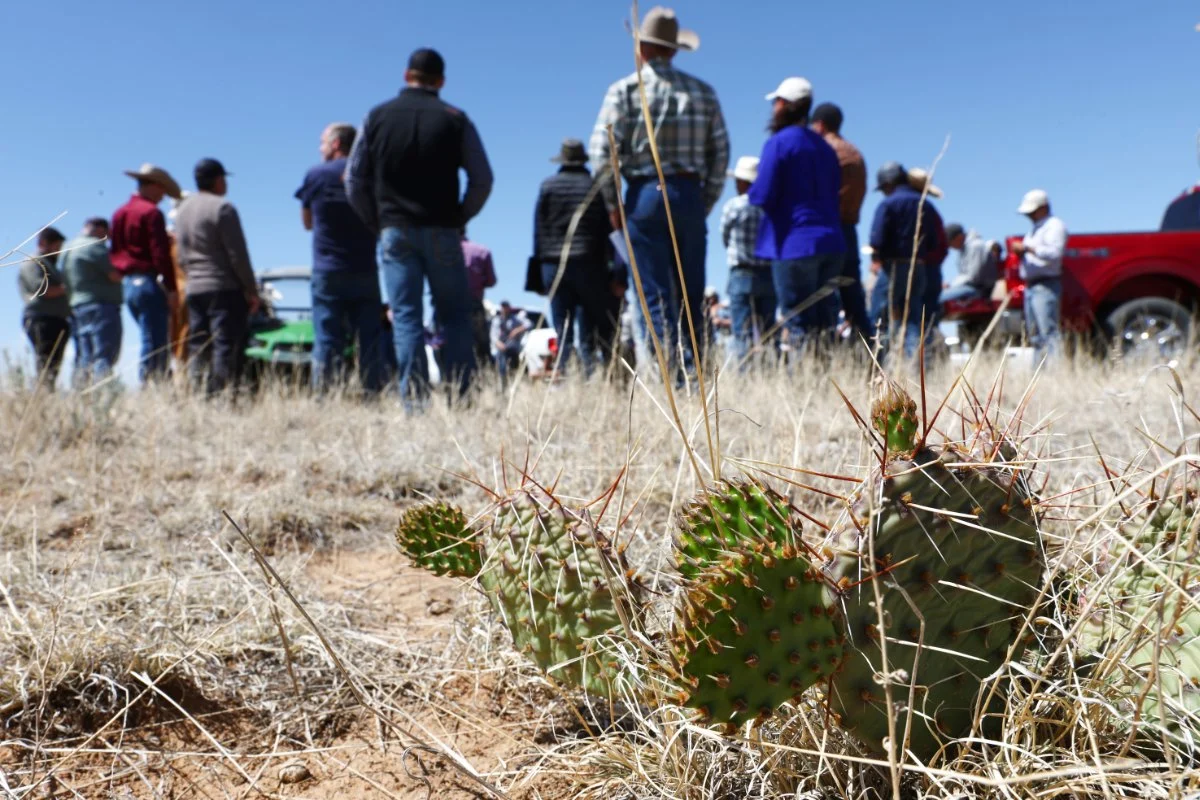
The reaction from domestic cattle ranchers and their advocacy groups has been swift and overwhelmingly negative. Organizations representing the backbone of the American beef supply chain have expressed deep disappointment and alarm, viewing the tariff reduction as a direct threat to their economic survival. Republicans in Congress, often aligned with agricultural interests, have also voiced strong opposition, underscoring the bipartisan nature of the concern within farming communities.
Colin Woodall, CEO of the National Cattlemen’s Beef Association (NCBA), articulated the industry’s dismay in a statement: “While America’s cattle producers share the goal of keeping groceries affordable for consumers, flooding the market with government-subsidized, below-market beef is not the way to rebuild the American cattle herd.” Woodall emphasized that this policy arrives at a critical juncture for ranchers, who are making crucial decisions about herd expansion or further contraction. The NCBA argues that introducing a large volume of cheaper foreign beef will depress domestic market prices, making it even more challenging for U.S. producers to recover from years of drought and high operational costs. This, they contend, runs counter to the stated goal of allowing the "Great American Beef Herd to grow again."
Echoing these concerns, Bill Bullard, CEO of R-CALF USA, an organization representing independent cattle ranchers, highlighted the historical pattern that, in their view, undermines the administration’s stated objective. Bullard noted that despite record highs in beef imports in recent years, consumer prices have not demonstrably declined. He asserted that the primary beneficiaries of increased imports are large multinational beef packers, who gain access to cheaper supplies, further consolidating their market power at the expense of independent producers. R-CALF USA has long been a vocal critic of the highly consolidated meatpacking industry, arguing that it creates an unfair market where ranchers receive a disproportionately small share of the retail price.
Bullard urged the administration to implement robust import controls that would provide domestic producers with greater market certainty and opportunity. Crucially, he reiterated the call for the restoration of mandatory Country of Origin Labeling (COOL) for beef. COOL, which required meat products to indicate where the animals were born, raised, and slaughtered, was repealed for beef and pork in 2015 due to international trade disputes, much to the frustration of U.S. ranchers. Proponents of COOL argue that it offers consumers transparency and allows them to make informed choices that support domestic agriculture, while also providing a marketing advantage for U.S.-raised products. “We share the goal of rebuilding America’s cattle herd,” Bullard stated, “but we cannot rebuild America’s domestic beef supply chain by increasing our dependency on foreign beef.”
A History of Trade-offs: Tariffs, Imports, and Domestic Policy

The debate surrounding beef imports and tariffs is not new. It sits at the intersection of international trade policy, domestic agricultural support, and consumer welfare. Tariffs are taxes imposed on imported goods, designed to make foreign products more expensive and thus protect domestic industries from cheaper competition. Conversely, lowering or waiving tariffs, as proposed by the Trump administration, makes imports more competitive, theoretically leading to lower prices for consumers but potentially undercutting domestic producers.
The U.S. has a complex history with agricultural trade agreements, ranging from the North American Free Trade Agreement (NAFTA) to World Trade Organization (WTO) commitments. These agreements often involve reciprocal reductions in tariffs and quotas, aiming to facilitate global trade. However, they frequently spark intense domestic debates, particularly in sectors like agriculture where livelihoods are directly tied to market prices and import volumes.
In 2025, the U.S. agreement to import 80,000 metric tons of beef from Argentina served as a precursor to the current controversy. While framed as a measure to diversify supply and potentially stabilize prices, it was met with similar concerns about the impact on American ranchers. The recurring theme is the delicate balance between ensuring affordable food for consumers and safeguarding the economic health of the domestic agricultural sector, which is vital for food security and rural economies.
Broader Implications for the Food System and Beyond
The administration’s decision, if implemented through the anticipated executive order, carries multifaceted implications that extend far beyond the immediate price of ground beef.
-
Consumer Impact: Short-term Relief vs. Long-term Risks: While consumers may welcome an immediate reduction in beef prices, the long-term consequences are less clear. If domestic production continues to shrink due to uncompetitive pricing, the U.S. could become increasingly reliant on foreign sources. This dependency could expose consumers to greater price volatility dictated by global markets, geopolitical events, and the economic conditions of exporting nations. Furthermore, without mandatory COOL, consumers may lack transparency regarding the origin of their beef, potentially raising concerns about varying production standards, including animal welfare and environmental regulations.

-
Food Security and Resilience: A robust domestic food supply chain is a cornerstone of national food security. The erosion of the U.S. cattle herd and increased reliance on imports could diminish the nation’s ability to feed itself in times of crisis, such as pandemics, natural disasters, or international conflicts that disrupt global trade routes. Maintaining a diverse and resilient domestic agricultural base is often seen as a strategic imperative.
-
Consolidation in the Meatpacking Industry: Critics argue that this policy could exacerbate existing issues of consolidation within the meatpacking sector. With a handful of large companies controlling a significant share of the processing capacity, they wield considerable market power over both ranchers (in terms of buying prices) and consumers (in terms of selling prices). Cheaper imported beef could further empower these packers by providing an even more cost-effective supply, potentially reducing their incentive to offer competitive prices to domestic ranchers. This could accelerate the trend of small and independent ranches being squeezed out of the market.
-
Environmental and Sustainability Concerns: The environmental footprint of beef production is a significant global concern. The origin of the 300,000 tons of imported beef is crucial from an environmental perspective. Different countries have varying environmental regulations, land-use practices, and carbon emissions associated with cattle ranching. Increased reliance on imports could shift environmental burdens to other nations, potentially leading to less sustainable practices globally if not carefully monitored.
-
Political Ramifications: The policy is likely to be a contentious issue, particularly in agricultural states. It pits consumer pocketbook issues against the interests of a powerful and historically influential agricultural lobby. As the U.S. approaches the 2028 election cycle, the administration’s stance on agricultural trade and food prices will undoubtedly be scrutinized by voters and political opponents.
Looking Ahead: Executive Action and Future Debates
President Trump is reportedly expected to sign an executive order in the coming weeks to formalize this decision. This executive action will likely detail the specific mechanisms for the tariff reduction and potentially outline any accompanying measures or conditions. However, the announcement has already set the stage for intense debate and potential challenges.

Domestic rancher groups, along with their congressional allies, are expected to continue their vigorous pushback, exploring all avenues—from legislative challenges to public awareness campaigns—to mitigate the policy’s impact or seek its reversal. The call for mandatory Country of Origin Labeling is likely to gain renewed momentum as a means to differentiate U.S. beef and provide consumers with choices.
Economists will closely monitor the market, assessing whether the promised 25 percent price reduction materializes for consumers and what the actual impact on domestic cattle prices and herd sizes will be. The unknown origin of the imported beef will also be a key point of interest, as it could influence trade relations with various countries and raise questions about food safety and quality standards.
Ultimately, this policy represents a significant gamble by the Trump administration: a direct intervention in the agricultural market aimed at immediate consumer relief, but one that risks alienating a core segment of the American agricultural industry and potentially reshaping the future of the U.S. beef supply chain for years to come. The delicate balance between global trade, consumer affordability, and the resilience of domestic agriculture remains a defining challenge for policymakers.