admin
admin
Biophilic design, a concept rooted in humanity’s innate attraction to nature, is increasingly recognized not merely for its aesthetic appeal but for its profound impact on human well-being. While commonly associated with visible elements like indoor plants, natural materials, organic forms, and colors drawn from the landscape, its deeper and more transformative purpose is to cultivate a robust, dynamic relationship between the built environment and the natural world beyond its walls. This connection transcends mere visual cues, aiming to integrate the rhythms and qualities of nature into daily life within residential and commercial spaces.
The Foundational Principles of Biophilic Design
The term "biophilia," meaning "love of life or living systems," was popularized by Harvard naturalist E.O. Wilson in his 1984 book Biophilia, suggesting that humans possess an inherent tendency to connect with nature and other living systems. This fundamental connection, honed over millennia of human evolution in natural environments, has significant implications for modern living, where urbanisation often distances individuals from nature. Biophilic design principles aim to bridge this gap, integrating natural elements and processes into contemporary architecture and interior design.
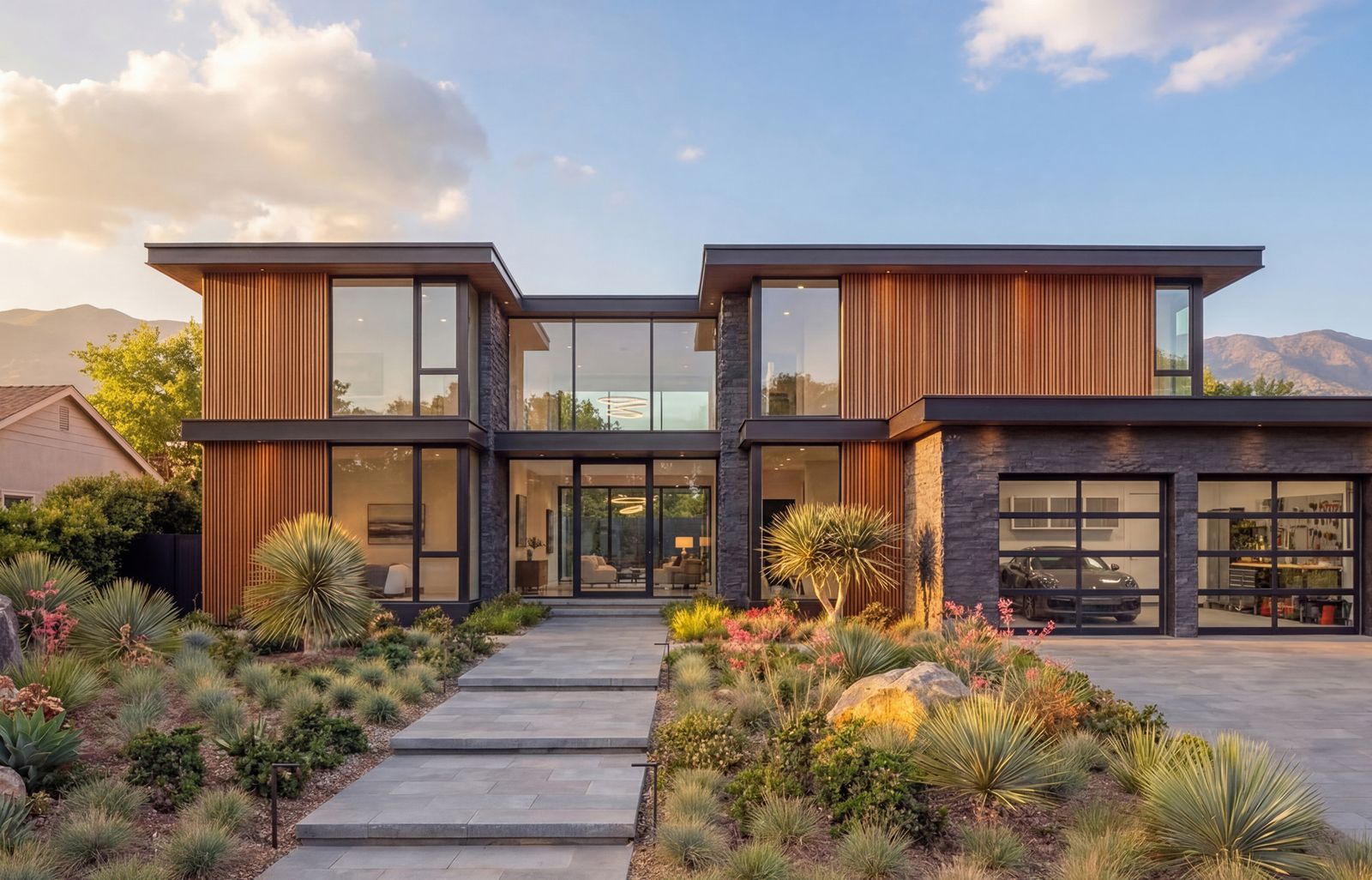
Beyond the superficial incorporation of greenery, true biophilic design seeks to recreate the sensory experiences of nature. This includes elements such as the movement of daylight across a room, mimicking the sun’s journey; the shifting colors of an external view, reflecting seasonal changes; and the subtle ability to perceive shifts in weather patterns without needing to step outside. These moments are not just pleasant observations; they instill a sense of rhythm within a home, keeping its interiors intrinsically linked to the time of day, the prevailing weather, and the broader ecological cycles beyond its physical boundaries.
The Scientific Basis: Nature’s Influence on Human Rhythm and Well-being
The benefits of this deep connection are far from anecdotal; they are increasingly supported by scientific research. One of the most critical aspects is the role of natural daylight in regulating the human body’s circadian rhythm. This internal biological clock, responsible for regulating patterns of alertness, sleep, hormone release, and other vital functions, is primarily cued by light exposure. Consistent exposure to natural light cycles helps to synchronize this rhythm, leading to improved sleep quality, enhanced mood, and greater cognitive function. Studies have shown that access to natural light in workplaces can reduce eyestrain and headaches, while in residential settings, it can lead to a more energetic morning and a more restful evening.
Moreover, views of nature have been extensively documented to improve mood, reduce stress, and even accelerate healing. Research in environmental psychology highlights that even passive observation of natural landscapes can lower heart rates, reduce blood pressure, and decrease cortisol levels. In a home environment, these benefits manifest in surprisingly subtle yet powerful ways: a brighter, more invigorating morning start; a moment of visual relief and mental restoration during a demanding workday; or the profound sense of calm derived from simply observing the dynamic interplay of light and weather in real time. This intrinsic connection fosters a sense of belonging and peace, mitigating the stresses of modern life.
Windows: The Nexus of Interior and Exterior
Given these foundational principles, windows naturally assume a pivotal role in biophilic design. Expansive glazing, a hallmark of contemporary architecture, serves to dissolve the traditional visual boundary between indoor and outdoor spaces. By framing gardens, wooded landscapes, dynamic city skylines, or tranquil water views, these large glass installations transform external environments into integral components of the living space. They are not just openings; they are living canvases that bring the vibrancy and dynamism of nature directly into the home. Furthermore, extensive glazing allows natural daylight to penetrate deeper into floor plans, illuminating previously dim areas and making rooms feel inherently brighter, more spacious, and more welcoming throughout the day. This maximizes the biophilic benefit of daylighting, reducing reliance on artificial illumination.
However, the very elements that make large glass areas so desirable – their openness and expansive views – also introduce a unique set of design challenges. After sunset, the same transparent windows that offered a seamless connection to the outdoors during daylight hours can transform an illuminated interior into an unexpectedly exposed space. This presents a paradox: the desire for an uninhibited connection with nature often conflicts with the equally fundamental human need for privacy and security within one’s own sanctuary. Traditional solutions, such as curtains, blinds, or shades, often compromise the biophilic intent, blocking natural light and views when privacy is desired, thereby severing the connection to the external environment.
CLiC Smart Glass: A Responsive Solution to a Design Dilemma

It is precisely to address this inherent tension that innovations like CLiC smart glass are emerging, fundamentally reshaping the relationship between openness and seclusion in modern architecture. Integrated directly into windows and doors, this advanced glass technology offers an unprecedented level of control, allowing the glass to transition from transparent to private in mere milliseconds. This responsiveness empowers the architecture itself to adapt fluidly to how a room is being used at any given moment, offering a dynamic solution to the privacy-versus-openness dilemma.
Peter Whaley, technical sales and marketing manager at Cardinal Glass Industries, articulates this paradigm shift: "Many privacy solutions ask you to choose. Do you want daylight, or do you want privacy? Do you want the view, or do you want to feel comfortable in your own home? With CLiC, you control your environment to meet your immediate need." This statement underscores the core value proposition of smart glass: it eliminates the need for compromise, allowing homeowners and occupants to curate their environment based on real-time requirements.
Technological Sophistication and Uncompromised Performance
The efficacy of CLiC smart glass lies in its sophisticated technology and meticulous engineering. In its clear mode, CLiC delivers the visual clarity of premium architectural glass, a significant advancement over earlier iterations of smart glass that were often plagued by haze, distortion, or an undesirable tint. This optical purity ensures that views remain open and natural light moves freely and unadulterated throughout the space. The surrounding landscape, whether a verdant garden or an urban vista, remains an unobstructed and defining element of the interior composition, fulfilling the biophilic desire for uninhibited connection.

When privacy mode is activated, CLiC employs advanced liquid crystal technology embedded within its laminated construction. Upon activation, the liquid crystals reorient themselves, changing the way incoming light passes through the glass. This process effectively obscures visibility into and out of the space, providing instant and complete privacy. Crucially, however, daylight continues to penetrate the glass, transforming into a soft, diffused illumination. Unlike traditional window coverings that plunge a room into darkness or create a sense of being completely enclosed, CLiC in privacy mode retains an ambient, natural glow. The room remains bright and airy, preserving its biophilic connection to natural light, albeit in a softened, more intimate form.
Beyond its transformative optical properties, CLiC’s laminated construction is engineered for exceptional resilience and durability. This robust design ensures that large areas of glass can withstand the rigors of changing weather conditions while maintaining their visual refinement and functional integrity. This combination of advanced optics, adaptable privacy, and structural robustness positions CLiC as a leading solution for architects and designers striving to push the boundaries of modern living spaces.
Empowering Architects and Enhancing Design Freedom
For architects and interior designers, the introduction of responsive smart glass like CLiC represents a significant liberation from traditional design constraints. By removing the need to accommodate bulky or aesthetically disruptive window coverings such as blinds, curtains, or shades, designers gain unprecedented freedom in terms of proportions, placement, and scale of glazing. Large panes of glass can remain visually uninterrupted, celebrated as pure architectural elements. Window frames, surrounding materials, and the external views themselves can continue to define the composition and character of the room without competing with auxiliary privacy solutions. The underlying technology remains discreetly integrated, only becoming evident and functional when its privacy capabilities are activated. This allows for cleaner lines, minimalist aesthetics, and an uncompromised architectural vision.

This flexibility also allows the experience of each room to transform dynamically without requiring any alteration to its physical design. Rather than treating privacy as a static, fixed condition, homeowners are empowered to decide, on a moment-by-moment basis, when they desire a direct, expansive visual connection to the landscape and when soft, diffused daylight is sufficient for their needs. The seamless transition, facilitated by operation via a simple wall switch or integration into sophisticated smart home automation systems, ensures that adjusting the glass feels like an intuitive and natural part of the home’s daily routine.
Synergy with Biophilic Elements and Broader Implications
The effect of CLiC smart glass is particularly powerful when integrated with other biophilic elements within a space. Natural stone, for instance, takes on greater depth and dimension as natural daylight, whether clear or diffused, moves across its textured surface throughout the day. Wood grain appears warmer and more inviting under the afternoon sun, while indoor plants and textured fabrics respond vibrantly to the changing brightness from outside. Even in privacy mode, the softened, diffused illumination preserves these nuanced relationships, allowing the natural materials and forms to retain their inherent beauty and character, rather than being flattened or dulled by uniform, artificial light. This ensures that the biophilic intent of the space remains intact, fostering a continuous connection to nature’s subtle shifts.
Ultimately, CLiC smart glass significantly extends the functional and aesthetic range of biophilic design. It enables a home to remain transparent and open when connection to the outdoors is desired, yet instantly private when seclusion is needed, all while maintaining a consistent level of natural brightness in either state. The window, traditionally a fixed boundary, evolves into a responsive and intelligent architectural element, allowing the surrounding environment to actively participate in the daily life and changing needs of its occupants. This adaptive capability transforms the home into a truly dynamic ecosystem, seamlessly mediating between interior comfort and exterior inspiration.

As the demand for healthier, more responsive, and sustainable living spaces continues to grow, smart glass technologies like CLiC are poised to play an increasingly central role. They represent a significant leap forward in creating environments that not only look good but actively contribute to the well-being and comfort of those who inhabit them, truly bringing the future of responsive architecture into the present.
To explore how CLiC smart privacy glass can integrate natural light and adaptable privacy into residential and commercial projects, further information is available at clicglass.com.