admin
admin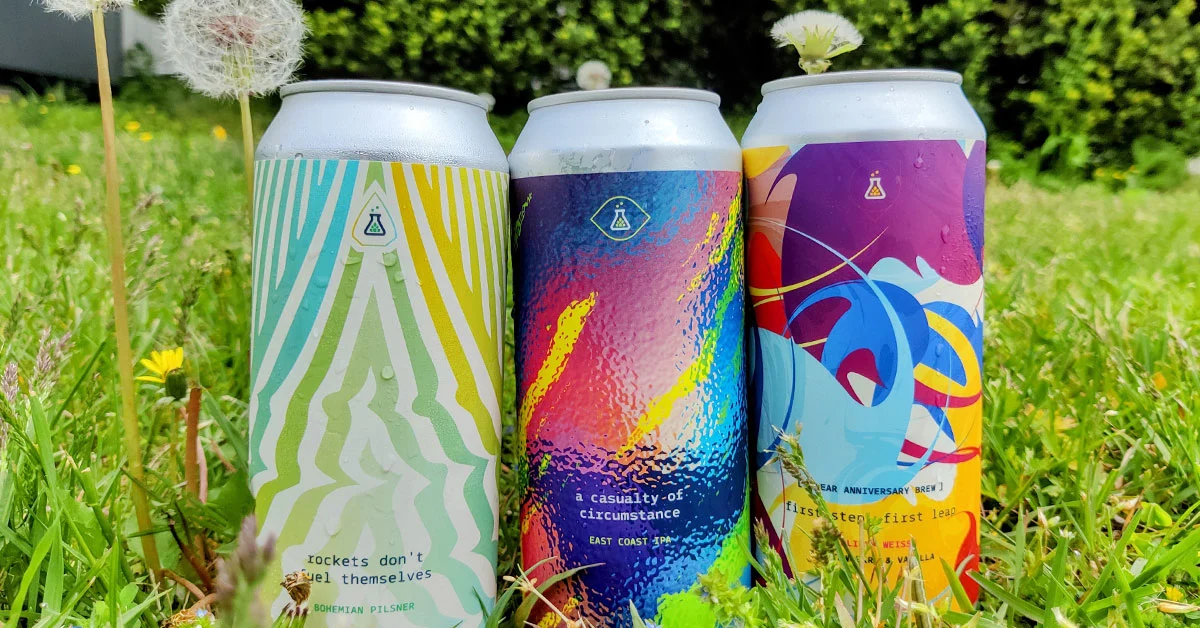
The North Fork of Long Island has long been celebrated as the Napa Valley of the East, a bucolic landscape defined by its sprawling vineyards and a viticultural reputation that draws millions of visitors from New York City and beyond. However, a significant shift in the region’s beverage landscape is currently underway. While the area remains a stronghold for Cabernet Franc and Pinot Blanc, the eastern edge of Long Island is rapidly transforming into a diverse "alcohol trail," where independent craft breweries are asserting themselves as major players in the local economy. From IPAs and Pilsners to complex sours and stouts, the North Fork is evolving from a single-industry wine region into a multi-faceted destination for artisanal fermentation.
The rise of the North Fork’s brewing scene is not merely a seasonal trend but a structured expansion rooted in the region’s agricultural heritage. What began as a niche movement has matured into a sophisticated industry that leverages the same "terroir" that made the local wine world famous. Today, the presence of award-winning establishments such as Greenport Harbor Brewing Company, Jamesport Brewery, Eastern Front Brewing Co., Übergeek Brewing, Twin Fork Beer Co., and North Fork Brewing Company signals a new era of agrotourism for Suffolk County.
A Historical Chronology of North Fork Brewing
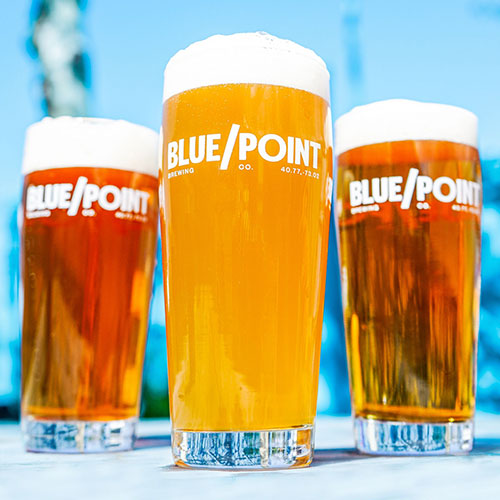
The foundation of the Long Island craft beer movement can be traced back to 1998 with the establishment of Blue Point Brewing Company in Patchogue. While located further west than the North Fork, Blue Point served as the proof of concept for independent brewing on the island. It proved that a local brand could compete with national labels by focusing on quality and regional identity.
The movement moved decisively eastward in 2009 with the opening of Greenport Harbor Brewing Company. Founded by John Liegey and Rich Vandenburgh, the brewery initially occupied a repurposed firehouse in the village of Greenport. Its success served as a catalyst for the region. By 2014, the brewery had expanded to a second, much larger location in Peconic, featuring a state-of-the-art production facility and a sprawling outdoor space. This expansion mirrored the growth of the surrounding wineries, adopting a "destination" model that included live music, lawn games, and high-end culinary offerings.
The mid-2010s saw a surge in new licenses, fueled in part by the 2012 New York State Farm Brewery Act. This legislation provided tax incentives and eased regulations for brewers who used a specific percentage of New York-grown ingredients. This led to the birth of Twin Fork Beer Co. in 2014 and North Fork Brewing Company shortly thereafter. By 2021, even amidst the challenges of a global pandemic, the scene continued to diversify with the opening of Übergeek Brewing in Riverhead, taking over the space formerly occupied by Moustache Brewing.
The Science and Philosophy of the Modern Pint
The contemporary North Fork brewer is often a student of both science and the land. Rob Raffa, the owner and brewmaster at Übergeek Brewing, exemplifies this new breed of producer. With a background in physics and astrophysics, Raffa applies a rigorous, experimental approach to his craft. After honing his skills at Moustache Brewing and co-brewing with Peter Barraud of North Fork Brewing Company, Raffa established Übergeek as a hub for innovation.
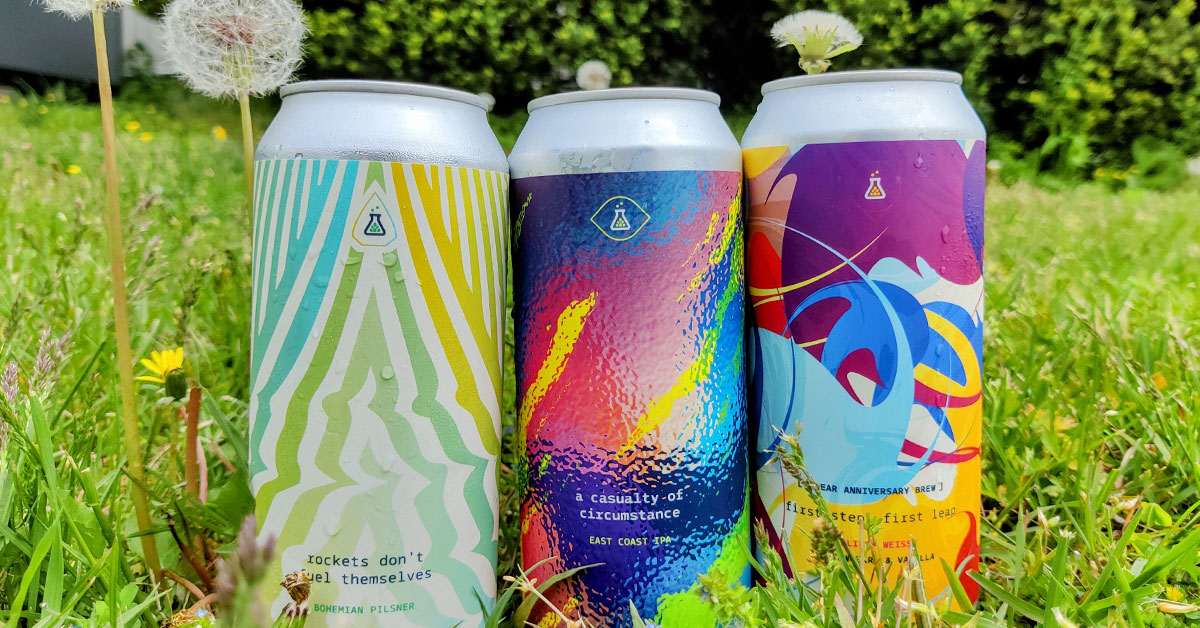
His portfolio reflects a blend of technical precision and creative expression. Beers like "A Casualty of Circumstance," a hazy East Coast IPA, and "Space Age Times, Stone Age Minds," a double IPA featuring notes of mango and pineapple, highlight the trend toward high-gravity, flavor-dense brews. Raffa’s branding often touches on existential themes, a departure from traditional nautical or agricultural naming conventions, suggesting a maturation of the industry’s marketing towards a more personal, artisanal narrative.
Similarly, at Greenport Harbor Brewing, head brewer Sean Galligan focuses on the intersection of tradition and local sourcing. The brewery’s "Lucha Lager" incorporates New York State-grown wheat, sea salt, and key limes, while the "Black Duck Porter" offers a rich, toasty profile that appeals to the region’s autumn visitors. Galligan’s commitment to "fresh hop" brewing—using Cascade and Willamette hops harvested in Orient Point and brewed the same day—underscores the logistical advantages of brewing in a high-intensity agricultural zone.
Supporting Data: The Economic Impact of NY Craft Beer
The growth of the North Fork brewing scene is reflective of a broader statewide economic powerhouse. According to data from the New York State Brewers Association and the Brewers Association, New York ranks in the top five states nationally for the number of craft breweries. As of 2023, the craft brewing industry in New York contributes over $6.6 billion in total economic impact.
In Suffolk County specifically, the hospitality and tourism sector is a primary employer. The "North Fork Beer Bandwagon" has expanded the traditional tourism season. While wine tasting has historically peaked in the summer, the robust, hearty nature of craft beer—particularly stouts and porters—provides a draw for the "shoulder seasons" of late autumn and winter.
The symbiotic relationship between breweries and wineries is also reflected in consumer behavior. Tourism surveys indicate that "cross-pollination" is common; a significant percentage of visitors to the North Fork now plan itineraries that include both a vineyard and a taproom. This diversification mitigates the economic risk for the region, ensuring that if one sector faces a difficult harvest or a shift in consumer preference, the other can help maintain the flow of tourism dollars.
The Agricultural Connection and Terroir
One of the most distinctive features of North Fork brewing is its deep integration with local farming. Peter Barraud of North Fork Brewing Company has been a vocal advocate for using the "terroir" of Long Island to define the flavor profile of his beers. By collaborating with local entities such as Peconic River Herb Farm, Herricks Lane Farm, and CJ Van Bourgondien Greenhouses, Barraud incorporates niche ingredients like ancho chiles, local herbs, and fresh fruits into his rotations.
During the summer months, the use of local produce becomes a defining characteristic of the region’s output. North Fork Brewing Company’s recent releases included a peach Golden Sour and a passion fruit-infused IPA using fruit from Lewin Farms in Calverton. This approach not only supports local growers but also creates a product that cannot be replicated elsewhere, providing a unique selling proposition for the North Fork "brand."
The reliance on local hops is also increasing. While the Pacific Northwest remains the hub of American hop production, the North Fork’s maritime climate and fertile soil have allowed for the successful cultivation of aroma hops. The "fresh hop" beers produced in late August and September have become a significant draw for beer enthusiasts seeking a product that is harvested and brewed within a 24-hour window.
Collaboration Over Competition
A notable aspect of the North Fork’s evolution is the lack of friction between the established wine industry and the burgeoning beer scene. Instead of viewing breweries as competitors, many winery owners see them as essential partners in the regional ecosystem.
"We are riding the coattails of the wine business," admitted Peter Chekijian, co-founder of Twin Fork Beer Co. This sentiment is echoed across the industry. Many local wineries now carry craft beers in their tasting rooms to accommodate groups with diverse preferences. Furthermore, technical collaborations are becoming more common. Greenport Harbor’s "Collaborations," a beer conditioned on Carménère grapes from Osprey’s Dominion, won a silver medal at the 2024 New York State Craft Beer Competition. Such products blur the lines between brewing and winemaking, creating a hybrid category that celebrates the region’s entire agricultural output.
Broader Impact and Future Outlook
The transformation of the North Fork into a dual-threat destination for wine and beer has significant implications for the future of Long Island tourism. As the market for craft beverages continues to saturate, the North Fork’s ability to offer a comprehensive "alcohol trail" provides a competitive edge over other East Coast destinations.
The industry is also looking toward sustainability. Many of the newer breweries are investing in water reclamation systems and spent-grain programs, where the byproduct of the brewing process is sent to local farms for livestock feed. This circular economy reinforces the bond between the taproom and the farm.
Looking ahead, the expansion of facilities like Übergeek—which is slated to double its brewhouse size and production output—suggests that the ceiling for craft beer on the North Fork has not yet been reached. As long as the region maintains its commitment to quality, local sourcing, and the unique agricultural identity of the "East End," the beer bandwagon is likely to continue its momentum, ensuring that the North Fork remains a premier destination for both the vine and the grain.