admin
admin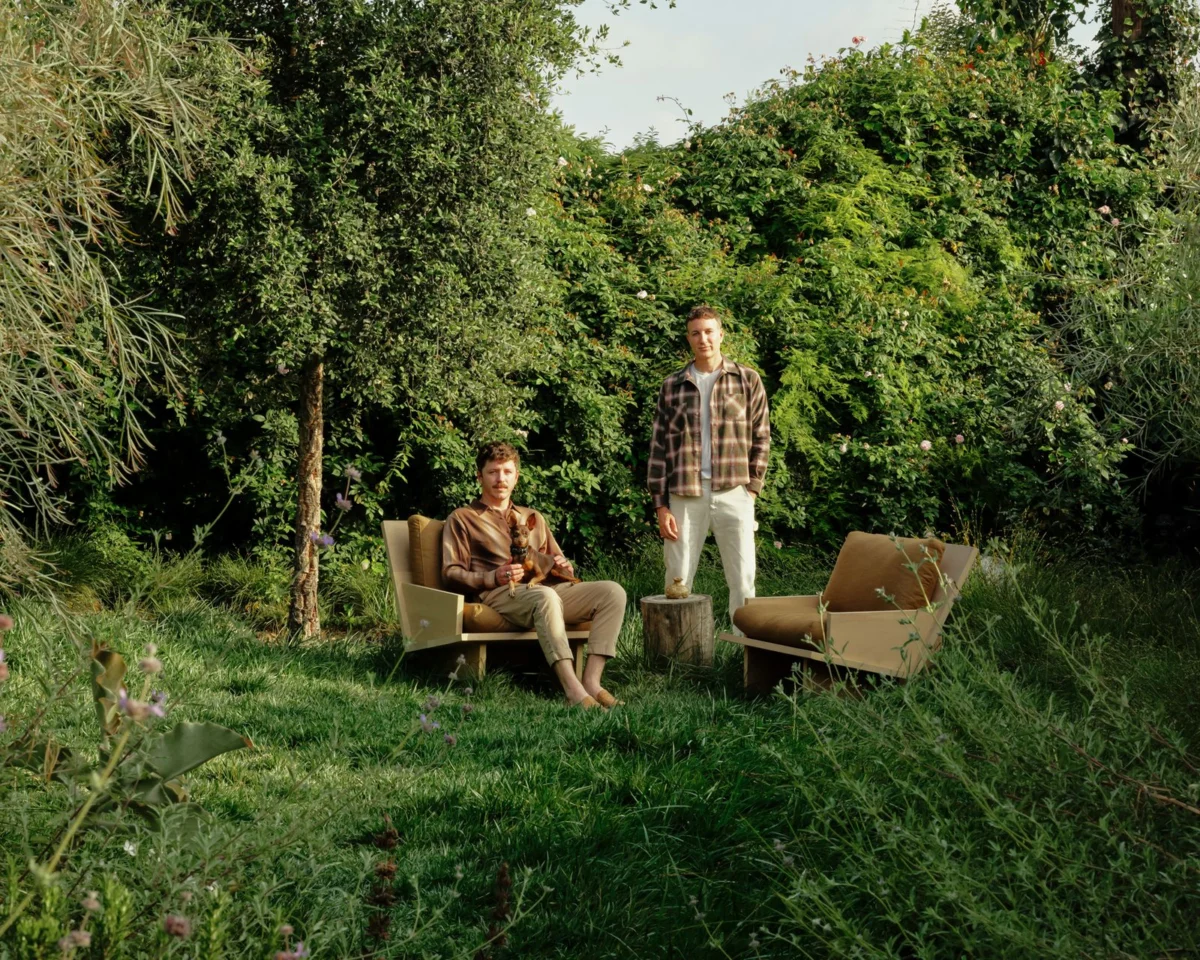
René Petersson, a native of Silver Lake, Los Angeles, carries vivid recollections of a bygone era when the enclave existed as a secluded and tightly-knit community, far removed from its contemporary association with trendsetting cool. This personal history profoundly shapes his current endeavor with his husband, Michael Castagnetto, as they navigate the competitive housing market on Los Angeles’s east side. Their search is not merely for a house, but for a home that intrinsically embodies its original character and maintains a tangible connection to the past, a characteristic Petersson feels has been increasingly eroded in his childhood neighborhood. Their journey illuminates broader sociological and economic transformations impacting urban landscapes across the United States, particularly within highly desirable metropolitan areas like Los Angeles.
Silver Lake: From Secluded Enclave to Trendsetting Hub
The narrative of Silver Lake’s evolution is one of profound transformation, moving from a tranquil, somewhat overlooked district to a vibrant, sought-after urban destination. Named after Herman Silver, a member of the city’s first Board of Water Commissioners, the area initially developed around the Silver Lake Reservoir in the early 20th century. Its unique topography, characterized by rolling hills and winding streets, attracted a diverse mix of residents, including artists, architects, and those seeking an alternative to the more established, formal neighborhoods of Los Angeles. Early architectural styles, such as Craftsman bungalows, Spanish Colonial Revival homes, and later, iconic Mid-Century Modern residences by architects like Richard Neutra and Rudolph Schindler, began to define its aesthetic. These homes, often built into the hillside, offered privacy and panoramic views, fostering a distinct sense of place.
For decades, Silver Lake remained a relatively stable, self-contained community. Petersson’s memories align with this period, where local businesses thrived, neighbors knew each other, and a palpable sense of shared identity permeated the streets. It was an environment where the unique landscape encouraged walking and impromptu social interactions, strengthening community bonds. The area’s relative affordability also allowed for a diverse population, contributing to a rich cultural tapestry that included a significant LGBTQ+ community and a burgeoning independent arts scene. This organic growth, unburdened by overt commercialization, cultivated the very "original character" Petersson and Castagnetto now seek.
The late 20th and early 21st centuries, however, marked a pivotal shift. Silver Lake began its ascent into the public consciousness as a "cool" neighborhood. This transformation was not instantaneous but a gradual process fueled by several factors. Its strategic location, offering convenient access to Downtown Los Angeles and Hollywood, made it increasingly attractive. The presence of a vibrant arts and music scene, coupled with an influx of independent boutiques, coffee shops, and restaurants, started to draw attention from outside its traditional boundaries. Word-of-mouth recommendations, combined with features in lifestyle publications, cemented its reputation as a hub for creativity and progressive culture. This period saw a significant demographic shift, as younger, affluent professionals and creatives began to move in, drawn by the bohemian allure and unique housing stock. The very qualities that had once made it a quiet refuge—its distinct character and independent spirit—became the catalysts for its mainstream appeal, paradoxically initiating the erosion of some of those original attributes.
The Dynamics of Change: Gentrification and Housing Market Realities
The rapid redefinition of Silver Lake mirrors broader trends of gentrification observed in desirable urban areas globally, presenting both economic opportunities and significant social challenges. The influx of new residents, often with higher incomes, has fundamentally altered the neighborhood’s demographic and economic landscape. Data from the Los Angeles Department of City Planning and various real estate analyses indicate a substantial rise in median household incomes and property values in Silver Lake over the past two decades. For instance, while specific figures fluctuate, general trends show that property values in Silver Lake have seen exponential growth, often outpacing the broader Los Angeles county average. Homes that were once affordable for artists and working-class families now command prices well into the seven figures, making homeownership unattainable for many long-term residents and new entrants alike.
This real estate boom has created an intensely competitive housing market. Properties with "original character" — often those built in the architectural styles that define the neighborhood’s heritage — are particularly coveted. Buyers are frequently willing to pay a premium for homes that retain their historical integrity, featuring period details, original layouts, and craftsmanship. However, this demand also creates a dilemma. While some buyers prioritize preservation, others undertake extensive renovations that, while modernizing the property, can strip away its historical essence. This tension between preservation and modernization is a constant undercurrent in Silver Lake, as new developments and radical remodels sometimes clash with the desire to maintain the neighborhood’s unique architectural fabric. Organizations like the Los Angeles Conservancy frequently highlight the importance of protecting architecturally significant structures and districts, yet the economic pressures of development often present formidable challenges.
The "east side" of Los Angeles, generally encompassing neighborhoods like Silver Lake, Echo Park, Los Feliz, and Highland Park, has become a focal point for home seekers precisely because of its perceived character, unique architectural styles, and vibrant cultural scenes. Historically more affordable than the city’s Westside, these areas offered a distinct charm and a more independent, community-oriented lifestyle. However, as demand has soared, these distinctions have blurred. The east side has transformed from an alternative to an equally, if not more, desirable destination, leading to similar patterns of rising costs and demographic shifts. The search by Petersson and Castagnetto for an "original character" home on the east side encapsulates this broader quest for authenticity in a rapidly changing urban environment, where the very qualities that attract new residents are often those most vulnerable to the pressures of development and market forces.
The Search for Authenticity: A Microcosm of Broader Urban Trends
The specific criteria driving René Petersson and Michael Castagnetto’s home search — a desire for a place with "original character" and a tie to the past — represents more than just personal preference; it is a microcosm of a wider societal yearning for authenticity and rootedness in an increasingly globalized and homogenized world. For Petersson, this desire is deeply personal, stemming from his lived experience of Silver Lake’s transformation. He seeks to recapture a sense of the community’s spirit and physical integrity that he remembers from his youth, a time when the neighborhood’s identity felt more cohesive and less commodified. Their quest reflects a recognition that while modernization brings amenities and economic vitality, it often comes at the cost of a neighborhood’s unique historical narrative and its palpable sense of place.
The paradox of "cool" neighborhoods like Silver Lake is stark: the very qualities that make them desirable—their unique architecture, vibrant independent businesses, and distinctive cultural identity—are often the first to be diluted or erased as they become popular. As new residents and businesses move in, driven by the area’s newfound cachet, rents and property values escalate, often pushing out the very artists, small business owners, and long-term residents who contributed to its original allure. This process can lead to a homogenization of commercial offerings and a shift in the social fabric, where local, idiosyncratic establishments are replaced by chain stores or upscale boutiques catering to a different demographic. The "trendsetting cool" becomes a self-consuming force, gradually eroding the very foundations of the community it initially attracted.
The impact on community identity is profound. Long-term residents often lament the loss of familiar faces, cherished local hangouts, and the erosion of a shared history. The sense of belonging, once fostered by stable social networks and intergenerational connections, can fracture as neighborhoods become more transient. Urban planning efforts in cities experiencing rapid growth face immense challenges in balancing development with preservation. City planners and policymakers grapple with how to manage an influx of investment and population growth while simultaneously protecting historic resources, promoting housing affordability, and maintaining the social equity of existing communities. This involves complex considerations of zoning regulations, incentives for historic preservation, and policies aimed at mitigating displacement, all within a framework of sustainable urban development.
Voices from the Community and Expert Perspectives
The transformation of Silver Lake elicits a range of reactions from various stakeholders, reflecting the complexities of urban change. Long-time residents, such as those Petersson remembers from his youth, often express a bittersweet perspective. While they might appreciate certain improvements in infrastructure or increased amenities, there is frequently a deep sense of loss for the community spirit and affordability that characterized their earlier experiences. Many recount stories of friends and neighbors being priced out, and local businesses, which served as social anchors, being replaced by establishments that cater to a different clientele. This sentiment is often articulated as a lament for a lost sense of belonging and a fear that the neighborhood’s "soul" is being gradually eroded.
From the perspective of urban planners and sociologists, Silver Lake serves as a compelling case study in the mechanisms and consequences of gentrification. Experts frequently point to factors such as proximity to job centers, unique housing stock, and cultural amenities as drivers of desirability. They emphasize the need for proactive planning that includes robust affordable housing policies, tenant protections, and mechanisms for community input to ensure that growth benefits all residents. Sociologists often highlight the "rent gap" theory, where disinvestment in a neighborhood creates an opportunity for developers and new residents to invest, eventually leading to displacement. The challenge, they argue, lies in finding models of urban development that foster economic vitality without sacrificing social equity or historical integrity.
Real estate professionals operating in the east side of Los Angeles often observe the high demand for homes with "character," which translates into competitive markets and premium pricing. Agents frequently market properties by highlighting their unique architectural features, historical significance, and connection to the neighborhood’s artistic heritage. They understand that for many buyers like Petersson and Castagnetto, a home is not just a dwelling but an embodiment of a desired lifestyle and a connection to a specific urban narrative. However, they also face the challenge of a limited supply of truly original, well-preserved homes, leading to bidding wars and often requiring buyers to compromise on certain aspects of their ideal property.
Preservation societies, such as the Los Angeles Conservancy and local neighborhood councils, actively advocate for the protection of Silver Lake’s architectural heritage. They work to identify historically significant properties, promote adaptive reuse, and educate residents about the value of preserving the built environment. Their efforts often involve navigating complex regulatory frameworks and engaging in public discourse to raise awareness about the importance of safeguarding the past amidst pressures for new development. They typically advocate for policies that incentivize the restoration of historic homes rather than their demolition, and for design guidelines that ensure new construction complements the existing urban fabric.
The Future of Silver Lake and Los Angeles’s East Side
The ongoing evolution of Silver Lake and the broader east side of Los Angeles presents a critical juncture for urban development. The fundamental question remains: how can cities foster growth and attract new residents without irrevocably altering the essential character and social fabric that made them desirable in the first place? The search for sustainable development models is paramount, necessitating a delicate balance between economic expansion, housing affordability, and cultural preservation. This involves implementing robust zoning regulations that protect historic districts, creating incentives for developers to include affordable housing units, and empowering community organizations to have a meaningful say in planning decisions.
The affordability crisis in Los Angeles, exacerbated by the quest for unique "character" homes, continues to push out diverse communities and diminish the city’s economic and cultural diversity. As neighborhoods like Silver Lake become increasingly exclusive, they risk losing the very qualities of bohemian creativity and independent spirit that initially defined them. The challenge for urban planners and policymakers is to ensure that Los Angeles remains a city accessible to a wide range of incomes and backgrounds, rather than becoming a preserve solely for the affluent.
Ultimately, René Petersson and Michael Castagnetto’s personal quest for a home tied to the past in a rapidly modernizing Silver Lake serves as a potent symbol of a larger societal yearning. It reflects a universal human desire for connection to history, for authenticity in an increasingly synthetic world, and for a sense of belonging within communities that are constantly in flux. Their search underscores the profound importance of preserving the unique identities of urban neighborhoods, not just as architectural relics, but as living repositories of shared memory and evolving culture. The future of Silver Lake, and indeed many other similar urban enclaves, will depend on the collective commitment to nurturing its historical roots while thoughtfully embracing the inevitable currents of change.