admin
admin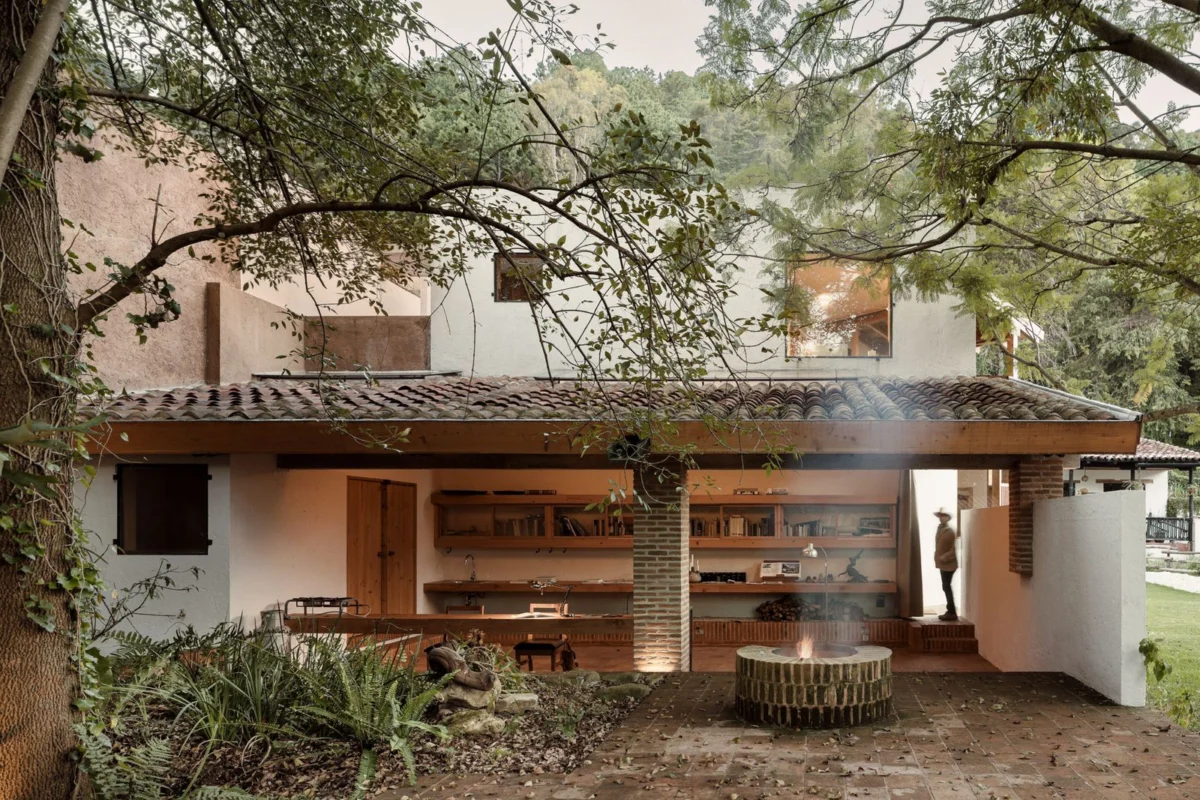
San Cristóbal de las Casas, a historic 16th-century town nestled in the highlands of Chiapas, Mexico, is set to become the site of an innovative residential project that redefines multi-generational living. While one newly constructed home within this compound is meticulously designed for a single occupant, it forms an integral part of a broader architectural endeavor centered firmly on the concept of togetherness, anticipating the proximate cohabitation of three generations of a single family, residing mere feet apart. This initiative, slated for completion and inhabitation around July 29, 2026, represents a thoughtful confluence of traditional Mexican family values and contemporary architectural solutions, aiming to foster both communal bonds and individual autonomy within a shared familial ecosystem.
The Vision: A Harmonious Family Compound
The project, conceived by the Mendoza-García family, addresses a growing global trend toward multi-generational households, driven by a complex interplay of economic necessity, cultural preservation, and a desire for enhanced social support systems. Unlike conventional single-family residences, this compound in San Cristóbal de las Casas meticulously orchestrates proximity, privacy, and shared spaces. The single-person dwelling, though distinct in its design brief, is not an isolated unit but a carefully integrated component of a larger familial landscape, interconnected by shared gardens, courtyards, and communal facilities, yet designed with independent access and utilities to ensure complete self-sufficiency.
This approach reflects a deep understanding of modern family dynamics, acknowledging the need for individual space and independence even within a close-knit unit. The architectural firm, ‘Arquitectura Viva Chiapas,’ led by Principal Architect Dr. Elena Rojas, was commissioned for the project, tasked with translating this complex social vision into a tangible architectural reality. "Our mandate was clear," stated Dr. Rojas in a recent pre-completion briefing. "To create a series of interconnected dwellings that facilitate daily interaction and mutual support, while simultaneously providing each family unit—and indeed, each individual—with their own sanctuary. It’s about designing for a spectrum of togetherness, from intimate solitude to vibrant communal life."
San Cristóbal de las Casas: A Cradle of Culture and Community
The choice of San Cristóbal de las Casas as the location for this pioneering project is deeply significant. Known for its well-preserved colonial architecture, vibrant indigenous cultures—particularly the Tzotzil and Tzeltal Maya—and its designation as a "Pueblo Mágico" (Magical Town), San Cristóbal offers a unique backdrop. Its cobblestone streets, bustling markets, and strong community ethos resonate with the project’s core values. The town’s temperate highland climate, distinct from the tropical lowlands of Chiapas, further enhances its appeal as a serene residential environment.
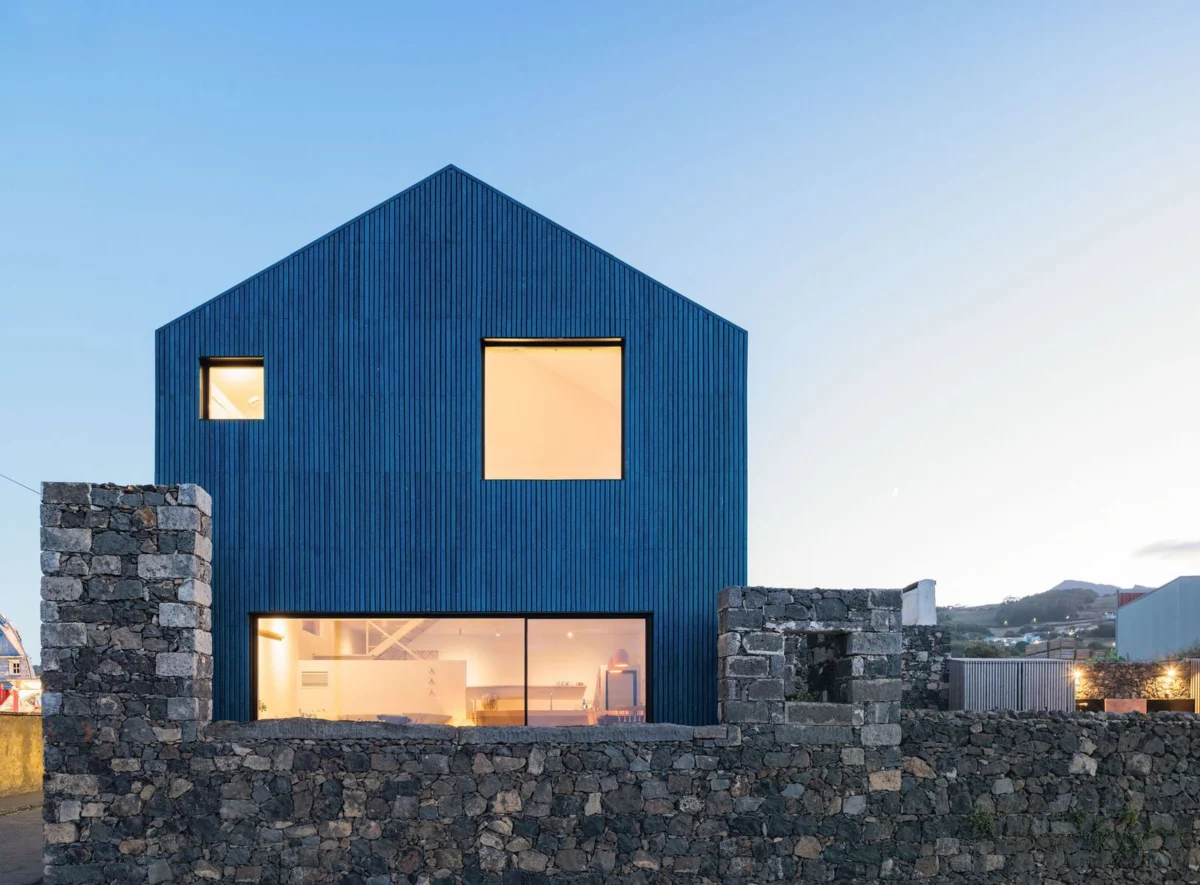
The historical context of San Cristóbal, founded in 1528, imbues the project with a sense of continuity and respect for tradition. Urban planning in such a historically sensitive area requires careful consideration of local building codes, material palettes, and architectural vernacular. The Mendoza-García compound reportedly integrates traditional Chiapan design elements, such as red tile roofs, stucco walls, and interior courtyards, with contemporary sustainable practices and passive design strategies, ensuring the new structures blend seamlessly into their historic surroundings while offering modern comforts. The use of locally sourced materials, including volcanic stone and regional timber, further underscores the project’s commitment to context and sustainability.
A Timeline of Conception and Construction
The genesis of the Mendoza-García multi-generational project dates back to late 2023, when the family, facing evolving needs related to childcare, elder care, and a desire to strengthen familial bonds, began exploring alternative living arrangements. After extensive research into various models, from co-housing to intentional communities, they settled on a bespoke compound design.
- Late 2023: Initial family discussions and conceptualization of a multi-generational living project. Identification of the need for proximity balanced with individual space.
- Early 2024: Acquisition of suitable land parcel within San Cristóbal de las Casas, selected for its size, location, and potential for integrated design.
- Mid-2024: Engagement of Arquitectura Viva Chiapas and commencement of the architectural design phase. Emphasis on sustainable practices, local materials, and cultural integration.
- Late 2024 – Early 2025: Extensive consultation with local urban planning authorities and historical preservation committees to secure necessary permits, ensuring compliance with strict regulations for development within a Pueblo Mágico.
- Mid-2025: Groundbreaking and commencement of construction activities. Implementation of eco-friendly construction techniques and employment of local artisans and labor.
- Early 2026: Significant progress on structural elements and exterior finishes, with focus shifting to interior detailing and landscape design for shared spaces.
- July 29, 2026 (Projected): Official completion and anticipated inhabitation of the entire compound, including the single-person dwelling, marking the culmination of nearly three years of planning and construction.
This meticulous timeline reflects the complexities inherent in such a project, from navigating historical preservation guidelines to ensuring structural integrity and aesthetic harmony.
The Global Rise of Multi-Generational Living
The Mendoza-García project is not an isolated phenomenon but rather emblematic of a significant demographic and social shift occurring worldwide. Data from the Pew Research Center indicates a consistent upward trend in multi-generational households across various developed and developing nations. In the United States, for instance, the number of people living in multi-generational households more than quadrupled from 1971 to 2021, reaching 59.7 million people, or 18% of the population. While driven partly by economic pressures, particularly among younger adults and recent immigrants, cultural preferences and the desire for enhanced family support also play a crucial role.
In Mexico, multi-generational living has long been a cultural norm rather than an anomaly. According to data from the National Institute of Statistics and Geography (INEGI), a substantial percentage of Mexican households are multi-generational, particularly in rural and semi-urban areas. This tradition, rooted in strong family ties, mutual support systems, and respect for elders, is now seeing a modern resurgence and reinterpretation in urban and semi-urban settings. The economic advantages, such as shared housing costs, childcare support, and elder care provision, are undeniable. However, the emotional and social benefits—including reduced loneliness, increased inter-generational learning, and stronger family bonds—are often cited as equally, if not more, important.
"This is not just about pooling resources; it’s about enriching lives," commented Dr. Sofia Ramirez, a sociologist specializing in family structures at the National Autonomous University of Mexico (UNAM). "Projects like the Mendoza-García compound offer a blueprint for how to retain the profound advantages of multi-generational living in an increasingly individualized world, ensuring that tradition evolves rather than erodes."
Statements and Reactions from Related Parties
Members of the Mendoza-García family expressed profound enthusiasm for their upcoming living arrangement. "We envision a place where our grandchildren can grow up surrounded by their grandparents, learning from their wisdom daily, while their parents can pursue their careers with the peace of mind that comes from built-in family support," shared Elena Mendoza, the matriarch of the family, in an exclusive statement. "And for me, living in my own space within this loving embrace means I retain my independence while never truly being alone."
Architect Dr. Elena Rojas emphasized the collaborative spirit behind the design. "Every detail, from the width of the pathways to the orientation of the windows, was discussed with the family. The single-person unit, for example, features a private garden space and a studio workshop, reflecting the occupant’s hobbies, while still being a short walk from the communal dining area and children’s play zones." She added that the project aims for LEED certification for its sustainable elements, showcasing a commitment to environmental stewardship alongside social innovation.
Local officials in San Cristóbal de las Casas have also lauded the project for its sensitive integration into the urban fabric and its potential to set a precedent for sustainable development in historical contexts. "We are always keen to support projects that respect our heritage and contribute positively to our community," stated Ricardo Flores, Director of Urban Development for San Cristóbal. "This initiative demonstrates how modern living can be harmonized with our town’s unique character, potentially inspiring similar developments that are both functional and beautiful."
Broader Impact and Implications
The Mendoza-García multi-generational compound in San Cristóbal de las Casas carries significant implications, extending beyond the immediate family.
- Model for Urban Development: The project serves as a compelling model for sustainable urban development in historical towns, demonstrating how new construction can be both innovative and respectful of cultural heritage. Its emphasis on local materials and traditional aesthetics offers a template for integrating modern needs within sensitive environments.
- Social Innovation in Family Structures: It highlights a practical solution to the challenges of modern family life, such as rising living costs, childcare demands, and the desire for robust social support networks. It challenges the prevailing nuclear family model, offering an alternative that reinforces inter-generational bonds.
- Economic Impact: The construction and ongoing maintenance of such a complex generate local employment, from skilled artisans to general laborers, and stimulate the local economy through the procurement of regional materials and services.
- Architectural Precedent: For architects and urban planners, the project offers valuable insights into designing spaces that promote both individual privacy and communal interaction within a single cohesive unit. It underscores the importance of a human-centric design approach.
- Cultural Preservation: By embedding modern living solutions within traditional cultural values of strong family ties, the project inadvertently contributes to the preservation and evolution of Mexican family customs in a contemporary context. It shows that tradition does not have to be static but can adapt and thrive.
As the completion date approaches, the Mendoza-García multi-generational home in San Cristóbal de las Casas stands as a testament to thoughtful design and the enduring power of family. It represents a forward-looking interpretation of ancient wisdom, proving that in an increasingly complex world, the simplest solutions—those rooted in community and connection—often hold the most profound promise for a harmonious future. The success of this endeavor will undoubtedly be closely watched as a benchmark for similar projects seeking to balance the needs of the individual with the strength of the collective.