admin
admin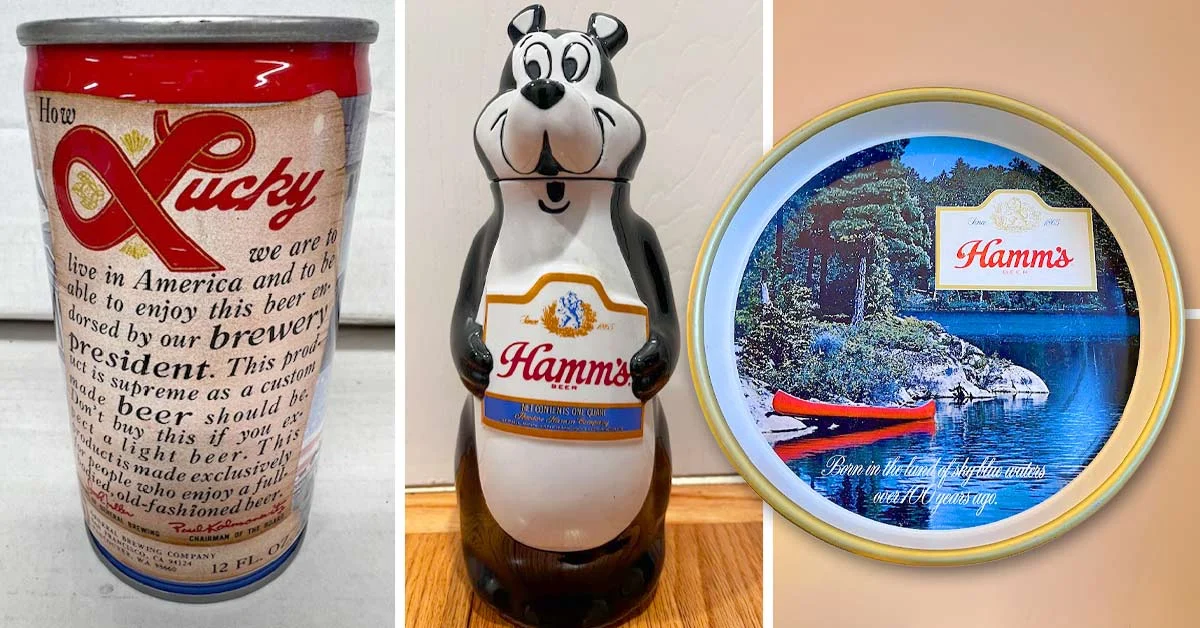
The history of American immigration is often framed through the lens of the East Coast, where the Statue of Liberty served as a beacon for millions of Europeans arriving at Ellis Island. However, a parallel narrative of industrial prosperity and cultural integration unfolded on the West Coast, specifically within the brewing industry of San Francisco. Throughout the 20th century, Slovene-American immigrants utilized the city’s burgeoning beer factories as a primary vehicle for upward mobility, transforming from manual laborers in Western mines to the backbone of a regional manufacturing empire. This industrial era, defined by names like Burgermeister, Lucky Lager, and Anchor Brewing, provided a foundation for the middle-class "American Dream" for thousands of Eastern European families.
Historical Foundations of the San Francisco Brewing Industry
San Francisco’s identity as a hub for fortune-seekers began with the 1848 Gold Rush. While many arrived in search of precious metals, the most sustainable wealth was generated by merchants and manufacturers who serviced the growing population. Richard Henry Dana, whose 1834 maritime experiences were chronicled in Two Years Before the Mast, noted in later writings that the city had evolved from a quiet outpost at Yerba Buena into a bustling metropolis of "worlds not realized."
The beer industry became a cornerstone of this new economy. Historical records indicate that the first significant order of bottled beer arrived in San Francisco in 1843 via the firm of Benjamin T. Reed. Due to the lack of refrigeration and the city’s unique temperate climate, early brewers developed "steam beer." This process involved cooling the heated wort in large, shallow pans on rooftops, allowing the Pacific breezes to facilitate fermentation at higher temperatures than traditional lagers. Anchor Brewing Company eventually trademarked the term, though the style was once the standard for the region’s working class.
The industry faced significant hurdles in the early 20th century. The Great Earthquake of 1906 destroyed many of the city’s wood-framed breweries, and the subsequent implementation of Prohibition in 1920 forced many establishments to pivot to "near beer" or soft drinks. Furthermore, anti-German sentiment during World War I created social friction for many brewers of Central European descent. Despite these challenges, the post-Prohibition era saw a massive resurgence, with companies like Acme Brewing and Lucky Lager expanding their footprint.
The Slovene-American Migration and Industrial Shift
The Slovene-American experience in San Francisco is a subset of a larger migration pattern that saw roughly 228,000 Slovenians and their children living in the United States by 1920. Initially, many of these immigrants settled in the industrial corridors of the Midwest—Ohio, Pennsylvania, and Illinois—or pursued high-risk manual labor in the mines of Idaho, Montana, and Colorado.
The transition to San Francisco was often catalyzed by the search for more stable, less hazardous employment. For many families, such as the Judnicks and Klemenses, the move to the West Coast occurred in the wake of global upheavals. Many Slovene men, having served in the U.S. military during World War II, were encouraged to relocate to San Francisco upon their discharge. The city offered a thriving manufacturing sector, including Soule Steel, which produced landing craft and barges for the war effort.
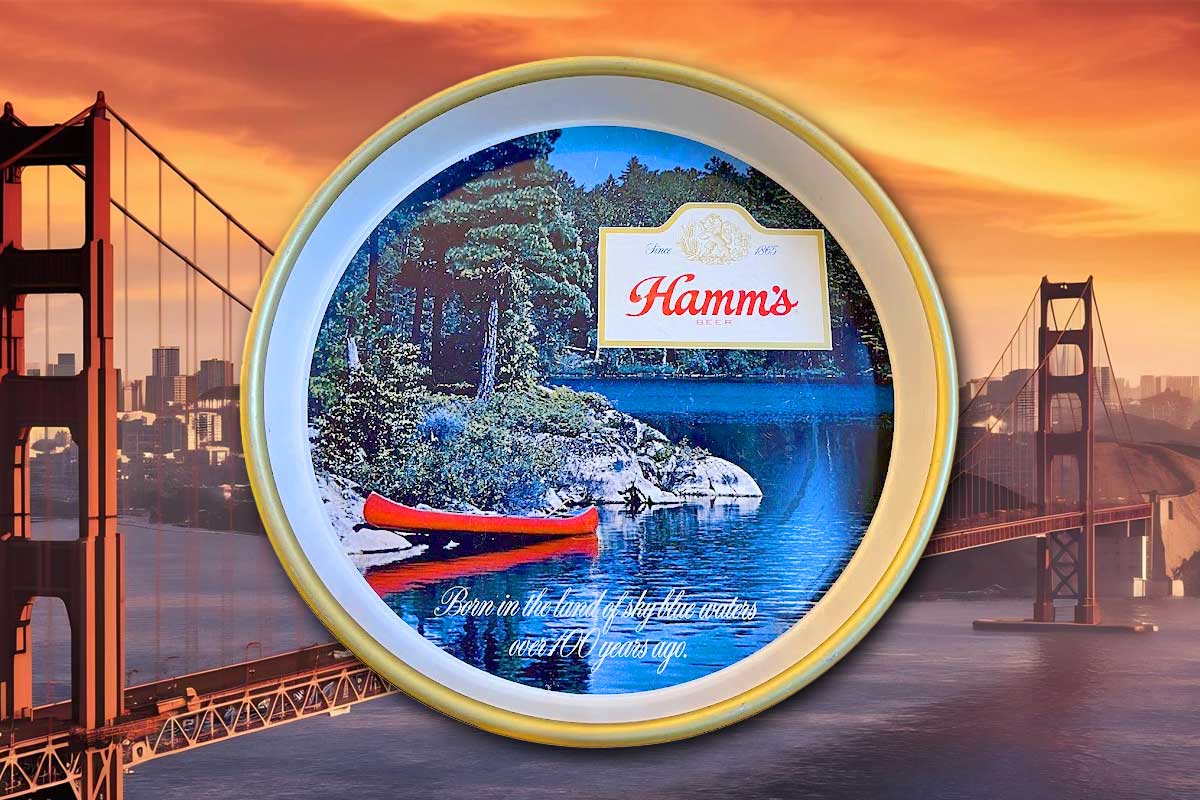
As wartime production tapered off in the late 1940s, the Slovene community shifted its focus toward the brewing sector. This transition was facilitated by early pioneers like Joseph Klemens, who joined the Milwaukee Brewing Company (later the San Francisco Brewing Corp. and eventually Burgermeister) shortly after the repeal of Prohibition in 1933. Klemens and others acted as informal recruiters, bringing fellow Slovene immigrants into the factory environment.
Labor Dynamics and the "Melting Pot" of the Brew Floor
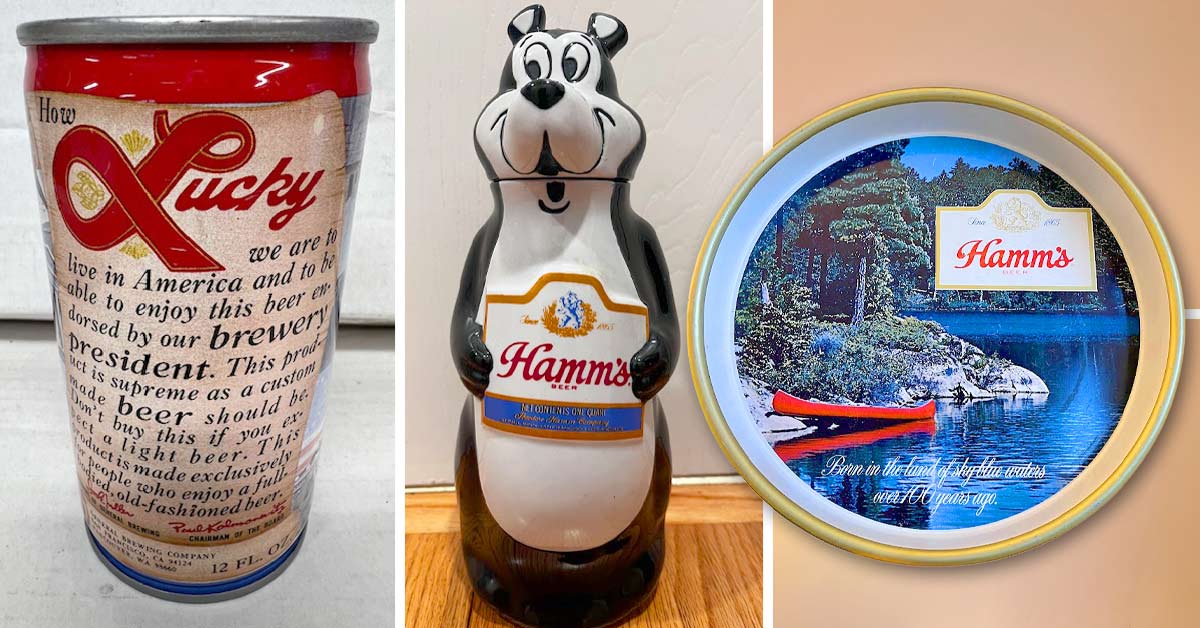
By the 1950s, the San Francisco brewing landscape was dominated by large-scale operations. Names like Hamms, Schlitz, and Regal Pale became household staples. Within these facilities, the "brew floor" functioned as a microcosm of the American melting pot. Slovene immigrants worked alongside Irish, French, Italian, and Scottish laborers.
Despite the professional success of these groups, social barriers remained. Historical accounts from the era recall discriminatory signage in business windows stating "No Bohunks Need Apply," a derogatory term targeting Czechs, Slovenes, and Slovaks. However, brewery managers—many of whom were immigrants themselves—frequently ignored these local prejudices in favor of the disciplined work ethic demonstrated by the Slovene community.
The labor performed by these immigrants was grueling but rewarding. Key roles included:
- Warehouse Operations: Packing glass bottles and later transitioning to large pallets of aluminum cans.
- Logistics: Operating forklifts to move heavy kegs and managing shipping schedules.
- Production Line: Monitoring fillers and labeling machines to ensure high-speed efficiency.
- Quality Control: Testing pH levels and product consistency to maintain brand standards.
At the height of production, a single shift of approximately 40 workers could process up to half a million units of beer. This high output allowed for significant overtime during the summer months, providing families with the capital necessary to purchase homes and fund higher education for the next generation.
Unionization and Economic Upward Mobility
The stability of the Slovene-American community was inextricably linked to the strength of labor unions. The International Brotherhood of Teamsters provided a framework for fair wages, job security, and, most importantly, pensions. This union support was a critical factor in the upward mobility of immigrant families, allowing them to move from renters in crowded urban neighborhoods to homeowners in the city’s residential districts.
The commitment to union solidarity was perhaps most evident during the 1973 nationwide boycott of Coors Brewing Company. Workers in San Francisco, including the Slovene contingent, supported the boycott in protest of Coors’ labor practices, which were perceived as anti-union and discriminatory. For the Slovene worker, the union was not merely a bargaining agent but a guardian of the middle-class status they had fought to achieve.
Furthermore, the breweries fostered a culture of paternalism and community support. During the Vietnam War, many brewery workers had sons serving overseas. In a gesture of solidarity, workers would line pallets of beer destined for military bases with local newspapers and magazines, providing a connection to home for servicemen stationed in Southeast Asia.
Technological Transformation and the Rise of Craft Brewing
The late 1970s and early 1980s marked a period of profound structural change for the San Francisco brewing industry. Two primary factors contributed to the decline of the traditional large-scale factory model: automation and the birth of the craft beer movement.
As the computer revolution took hold in the Bay Area, brewery floors were increasingly retrofitted with automated systems. Machines began to replace manual labor in bottling, labeling, and palletizing. For many Slovene men approaching retirement, this transition marked the end of an era. Younger workers were often forced to relocate to larger, more modern plants outside the city, such as the Anheuser-Busch facility in Fairfield, or pivot to the soft drink industry, working for Coca-Cola or Dr Pepper.
Simultaneously, the industry saw a shift toward artisanal production. In 1965, Fritz Maytag purchased a stake in the struggling Anchor Brewing Company. By focusing on quality over quantity and reviving traditional styles like steam beer, Maytag sparked a national "craft" revolution. While this saved the legacy of San Francisco brewing in a cultural sense, it moved the industry away from the mass-employment model that had supported immigrant communities for decades.
Legacy and Contemporary Significance
Today, the physical landscape of San Francisco’s industrial past has been largely repurposed. The former Burgermeister factory, once a hub of Slovene labor, now serves as a Costco warehouse. However, the legacy of these workers persists in the city’s vibrant beer culture.
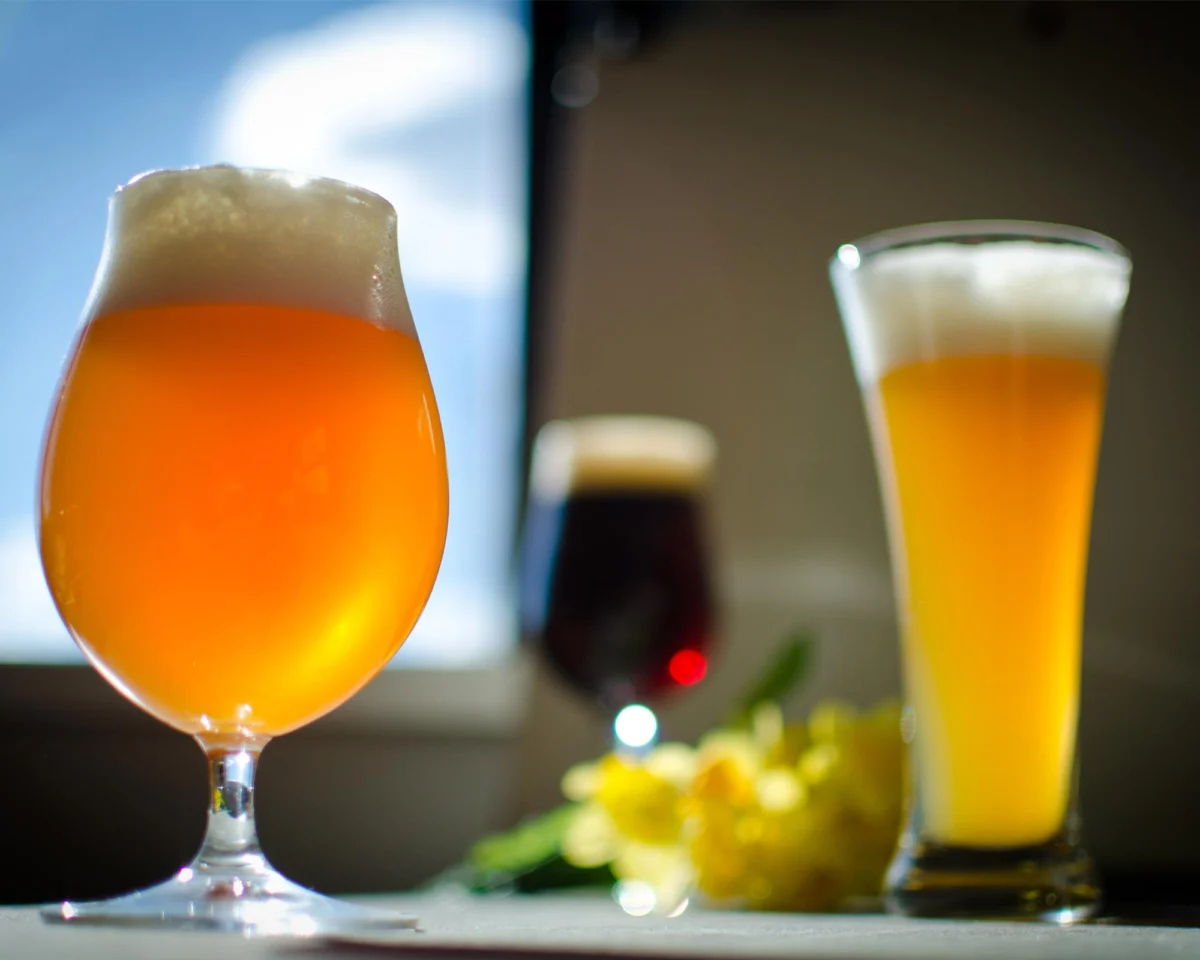
SF Beer Week, an annual 10-day event held in February, showcases the evolution of the industry, featuring hundreds of Northern California breweries. The event also highlights the global nature of modern brewing, with European bottle shops often stocking brands from Slovenia, such as Laško and Union (both now owned by Heineken). These imports serve as a full-circle connection for the descendants of the Slovene immigrants who once built the American industry.
The story of the Slovene-American beer worker is more than a footnote in local history; it is a testament to the role of industrial labor in the integration of immigrant populations. Through manual dexterity, union participation, and cultural resilience, these "huddled masses" did more than just breathe free—they built a lasting economic and social legacy that continues to define the spirit of San Francisco. As modern consumers enjoy the fruits of the current craft beer boom, the foundation remains the sweat and toil of the immigrant generations who first lifted their lamps beside the golden door of the West Coast.