admin
admin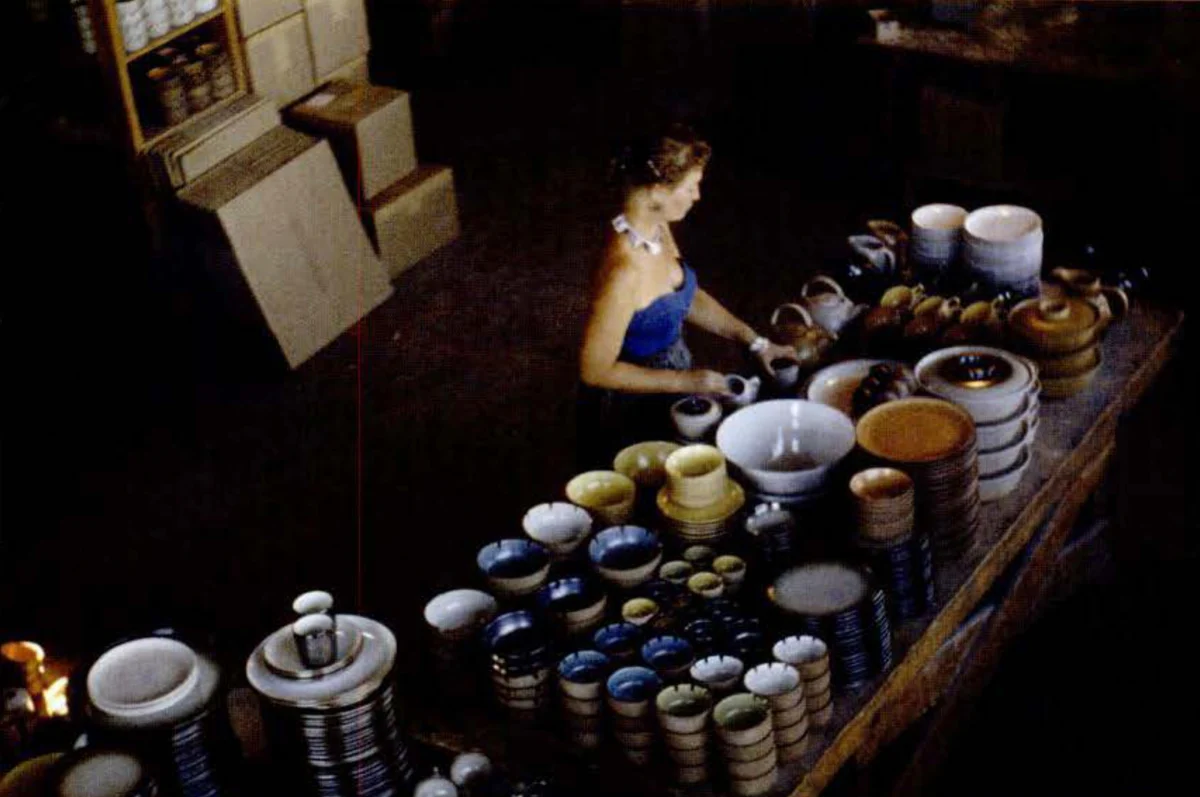
When Edith Heath passed away in December 2005 at the age of 94, she left behind an indelible mark on American design and manufacturing. Her legacy is multifaceted: a dedicated studio potter, an ingenious industrial designer, and the visionary owner of Heath Ceramics, an enterprise that stands as one of the few enduring American potteries. Today, the vibrant factory in Sausalito, California, a short distance across the Golden Gate Bridge from San Francisco, still hums with her spirit. A fine haze of clay dust perpetually hangs in the air, a tangible testament to Heath’s pervasive influence, visible in every aspect of the production floor. From the ninety distinct dinnerware shapes she conceived—many of which remain continuously in production—to the dynamic, organically inspired tile experiments adorning the walls, Heath’s enduring presence and pioneering persistence manifest as a rich tapestry of clay and color, interwoven with innovation and an unwavering commitment to quality.
Early Influences and the Genesis of a Vision
Edith Kiertzner Heath’s journey began far from the sun-drenched studios of California, rooted instead in the austere landscapes of rural Iowa. Born in 1911, her formative years were shaped by the Great Depression, a period that instilled in her a profound sense of resourcefulness, practicality, and an appreciation for durable, functional objects. This challenging upbringing, marked by scarcity and the necessity of making do, arguably laid the groundwork for her later emphasis on utilitarian design and robust craftsmanship.
Her artistic and intellectual development blossomed significantly after she moved to Chicago, a burgeoning center for modern design and education. There, she enrolled at the School of Design, an institution heavily influenced by the principles of the German Bauhaus movement. It was here that she studied under the esteemed Hungarian artist and educator László Moholy-Nagy, a former Bauhaus master. Moholy-Nagy’s pedagogy, deeply rooted in the Bauhaus ethos, emphasized the integration of art, craft, and technology, advocating for functional design that served societal needs and embraced industrial production methods. This encounter was pivotal for Heath, providing her with a conceptual framework that would define her entire career. She learned to view design not merely as an aesthetic pursuit but as a problem-solving discipline, where material science, manufacturing processes, and user experience were inextricably linked.
During these lean years, Heath supported herself by teaching classes for the Federal Art Project, a New Deal program initiated in 1935 under President Franklin D. Roosevelt’s Works Progress Administration (WPA). This initiative was crucial in providing employment for artists during the Depression, fostering a vibrant artistic community and making art accessible to the wider public. It was within this stimulating environment that she met and soon married Brian Heath, a fellow coworker whose pragmatic business acumen would later become an indispensable asset to her burgeoning ceramic enterprise. Their partnership was a harmonious blend of artistic vision and practical management, a foundation upon which Heath Ceramics would be built.
The Scientific Pursuit of Clay Perfection
In 1941, the newlyweds relocated to San Francisco, a move that would prove instrumental in Edith Heath’s ceramic evolution. With limited formal ceramics education, she sought to deepen her understanding by auditing classes at the California School of Fine Arts (now the San Francisco Art Institute). However, her inquisitive mind and scientific bent quickly led her beyond conventional studio practices. Mesmerized by the inherent malleability and substantiality of clay, yet frustrated by the lack of scientific rigor in existing ceramic instruction, Heath embarked on an ambitious intellectual quest. She successfully persuaded the University of California at Berkeley to host a year-long intensive course dedicated to the intricate science of ceramic chemistry. This was an extraordinary undertaking for an artist, demonstrating a scientific zeal rarely observed outside a dedicated laboratory setting.
Heath’s deep dive into ceramic chemistry was driven by a fundamental understanding: the chemical composition and physical properties of clay formulas profoundly impact the aesthetic qualities, durability, and workability of pottery. Dissatisfied with commercially available, pre-mixed clays, which she dismissively labeled "gutless" for their lack of character and limited expressive potential, she committed to a radical approach. She cast a wide net across California, embarking on expeditions from obscure clay pits to bustling brickyards and industrial sewer-pipe factories. Her mission was to collect raw clay samples, which she meticulously brought back to her modest studio. There, she subjected each sample to rigorous testing, evaluating its porosity, shrinkage rates during firing, and ultimate strength. This empirical, hands-on research was groundbreaking.
Recalling this exhaustive search, Heath famously explained her objective: "I was looking for a clay that nobody knew anything about, that had unique properties that I could utilize and develop, that would be expressive of the region. So I began working with California clays that would turn out looking like something that nobody else had ever made." This dedication led to the development of her distinctive stoneware clay body, characterized by its remarkably low firing temperature—a testament to her chemical ingenuity—and a high percentage of manganese. When expertly paired with her elegantly understated glazes, this unique composition yielded a rare and captivating speckled pattern, a hallmark that would become instantly recognizable as Heath Ceramics. The manganese, reacting with the glaze during the specific low-temperature firing, created subtle variations in color and texture, giving each piece a unique, organic depth that commercial clays simply couldn’t replicate.
From Studio to Showroom: Heath’s Breakthrough
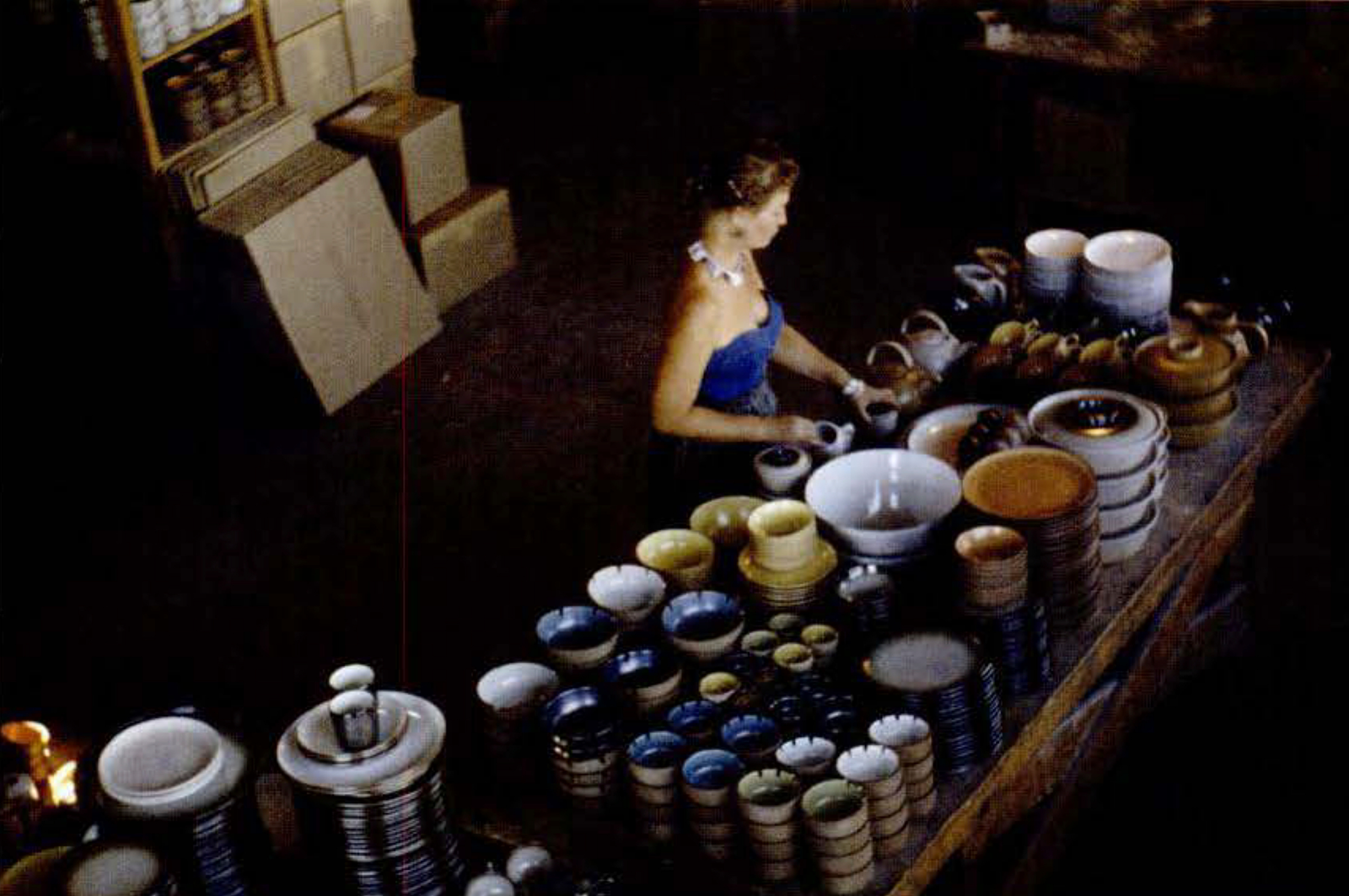
The distinctive quality and innovative aesthetic of Heath’s hand-thrown dinnerware quickly garnered attention beyond the artistic community. In 1944, Jermayne MacAgy, the astute acting director of the California Palace of the Legion of Honor museum, was captivated by Heath’s creations. Recognizing their artistic merit and innovative approach, MacAgy immediately offered Heath an exhibition, a significant endorsement for an emerging artist. The show opened in September 1944 and was an immediate sensation. Within a mere few months, Heath’s work transcended the gallery space, finding its way into the most exclusive retail outlets across the nation. Prestigious department stores such as Gump’s in San Francisco, Bullock’s in Los Angeles, Marshall Field’s in Chicago, and Neiman Marcus in Dallas began to stock her ceramics. This rapid commercial success underscored the widespread appeal of her functional yet beautiful designs, signaling a burgeoning demand for modern, high-quality tableware.
The momentum continued unabated. By 1945, with a national distribution agreement firmly in hand, Edith officially established Heath Ceramics. Her husband, Brian, seamlessly transitioned into the critical roles of business manager, accountant, and even shipping clerk, allowing Edith to focus her prodigious talents on design and production. This division of labor, combining artistic innovation with sound business management, was crucial for the company’s early growth and stability.
Embracing Industrial Craft: A Revolutionary Stance
As demand for Heath Ceramics soared, the Heaths quickly recognized the need to scale their production capabilities beyond traditional studio methods. They relocated their nascent operation to the bohemian enclave of Sausalito, a community known for its artistic spirit and proximity to San Francisco. Here, they began a deliberate and strategic integration of light-industrial applications, such as jiggering and slip casting, alongside hand-finishing techniques. Jiggering, a process involving a rotating mold and a profile tool, allowed for the efficient production of consistent forms like plates and bowls. Slip casting, which uses liquid clay (slip) poured into plaster molds, enabled the creation of more complex shapes and higher volumes.
This embrace of industrial processes, however, was not without its critics. Many traditional studio potters, adhering to a purist craft ethos that championed entirely handmade objects, viewed Heath’s approach as "selling out." They believed that mechanization diminished the artistic integrity and uniqueness of the work. Edith Heath, however, was steadfast in her conviction and famously retorted to such criticisms: "Good design doesn’t depend upon whether something is made by hand. In fact, there are some very junky things that can be made by hand. The idea of making things on a potter’s wheel in an industrial society really is an anachronism as far as I am concerned."
This statement was revolutionary for its time, directly challenging the prevailing craft dogma. It perfectly encapsulated her Bauhaus-influenced philosophy: that the essence of good design lay in functionality, material integrity, and aesthetic quality, not solely in the method of production. For Heath, industrial techniques were tools to achieve wider accessibility and consistent quality, allowing her to bring well-designed, durable ceramics to a broader audience without compromising her artistic vision. Her goal was to bridge the gap between bespoke craft and commercial manufacturing, proving that mass production could still embody artistry and exceptional quality.
Shaping the Midcentury Aesthetic: Dinnerware and Beyond
Heath Ceramics, under Edith’s guidance, consistently aimed to deliver both durability and affordability, ensuring that her wares could be enjoyed by a wider demographic while always upholding a standard of quality and aesthetic appeal suitable for "a family’s Sunday best." This commitment resonated deeply with the burgeoning midcentury modern movement, an era defined by clean lines, functional forms, and a sense of optimistic progress. The Heath aesthetic became synonymous with an easy-going, colorful California style, perfectly capturing the relaxed yet sophisticated spirit of post-war West Coast living. Her glazes, often subtle and earthy, complemented the organic forms and speckled texture of her stoneware, creating a cohesive and highly desirable look.
The company’s influence extended beyond the dinner table with the addition of architectural tile production in the 1960s. This strategic expansion opened new avenues for designers and architects to incorporate Heath’s distinctive aesthetic into built environments. Renowned architects of the era, including William Pereira (known for his iconic modernist structures like the Transamerica Pyramid), Eero Saarinen (celebrated for his innovative designs such as the TWA Flight Center), and Alexander Girard (a textile designer and architect celebrated for his vibrant use of color and pattern), eagerly integrated the quality and flexibility of Heath products into their projects. Heath tiles, with their rich textures, nuanced colors, and robust durability, were used in homes, public buildings, and commercial spaces, becoming an integral part of the midcentury modern architectural lexicon. This expansion solidified Heath Ceramics’ position not just as a tableware manufacturer, but as a significant contributor to the broader landscape of American design.
A Unique Niche: Heath Ceramics in the American Design Landscape
Heath Ceramics occupies a truly special niche in American design history. It stands as a powerful bridge between the singular hand of the craftsperson and the commercial realities of industrial manufacturing. In an era when many American potteries succumbed to economic pressures, increased overseas competition, and shifts in consumer tastes, Heath Ceramics endured. Its survival is a testament to Edith Heath’s foundational principles: an unwavering commitment to quality, a thoughtful approach to design, and a sustainable business model that prioritized excellence over sheer volume. Many domestic potteries either failed or moved production overseas in the latter half of the 20th century, making Heath Ceramics a rare example of a company that maintained its American manufacturing base and distinctive identity.
The company’s longevity and unique position stem from several factors. Firstly, Edith Heath’s scientific approach to materials ensured the unparalleled durability and aesthetic consistency of her products, building a reputation for reliability. Secondly, her design philosophy—functional, beautiful, and timeless—allowed Heath products to transcend fleeting trends, becoming staples rather than fads. Finally, her commitment to American manufacturing, even when it presented economic challenges, fostered a loyal customer base and contributed to the preservation of skilled craft within the country.
The Enduring Legacy: New Stewards, Same Principles
In 2003, after nearly six decades under Edith and Brian Heath’s stewardship, the company embarked on a new chapter. Robin Petravic and Catherine Bailey, a husband-and-wife design duo, acquired Heath Ceramics. They were not merely purchasers but passionate custodians, deeply committed to preserving and perpetuating Edith Heath’s foundational vision. They understood that the value of Heath Ceramics lay not just in its products, but in its ethos.
Under their leadership, Petravic and Bailey continue to enthusiastically practice the company’s core values, which Edith Heath had so firmly "set in stone (or clay, as it were)" over sixty years prior. These principles remain the bedrock of the company:
- Form is paramount: Emphasizing thoughtful, timeless design that prioritizes functionality and aesthetic integrity.
- Production is on a human scale: Maintaining a balance between efficiency and craftsmanship, ensuring that processes allow for human oversight and interaction, avoiding purely anonymous mass production. This includes a commitment to local manufacturing in Sausalito and Los Angeles.
- The hand of the artist is evident in every piece: Even with industrial techniques, the subtle variations, textures, and finishes speak to the skilled hands involved in creation, maintaining a connection to the craft tradition.
Catherine Bailey articulates their broader ambition, explaining, "As a model, we hope to continue to inspire designers and industrialists alike to consider American manufacturers and think creatively about their business models: less emphasis on volumes, profit margins, and design for the masses; more focus on passion for excellence in design and craftsmanship." This statement highlights a conscious effort to advocate for a more sustainable and values-driven approach to manufacturing in an increasingly globalized and commoditized world. It’s a call for businesses to prioritize quality, ethical production, and design integrity over relentless pursuit of scale and profit.
Heath’s Lasting Impact and Future Outlook
Edith Heath’s profound influence extends far beyond the physical objects she created. She demonstrated that art and industry need not be mutually exclusive, but rather can be powerful collaborators in creating objects that enrich everyday life. Her legacy is one of unwavering integrity, scientific curiosity, and a deep-seated belief in the power of good design to elevate the ordinary. She not only produced beautiful and durable ceramics but also cultivated a business model that defied conventional wisdom, proving that a commitment to craft, quality, and local production could thrive.
Today, Heath Ceramics, under its current stewardship, remains a vibrant testament to Edith Heath’s pioneering spirit. It continues to innovate, introducing new glazes and forms while staying true to the timeless aesthetic and rigorous quality standards she established. The company serves as an inspiration for contemporary designers, artisans, and entrepreneurs seeking to build businesses rooted in purpose and quality. Thankfully, though Edith Heath has passed, her visionary legacy, meticulously crafted in clay, continues to live on, shaping the landscape of American design and manufacturing for generations to come.