admin
admin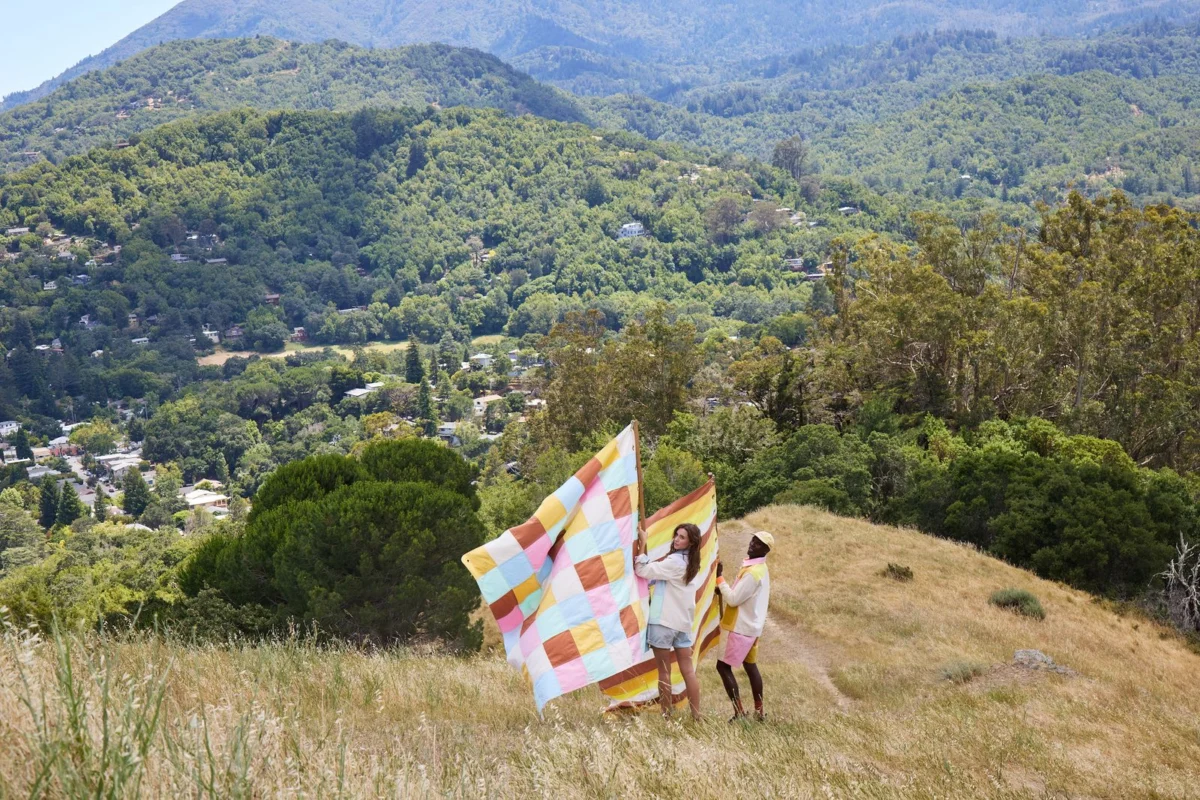
At the dawn of 2026, a collective sentiment rippled through society, echoing from major media headlines to casual conversations: this would be the year of analog. After years of increasingly pervasive digital immersion, there was a palpable weariness with screens, a widespread yearning to disengage and re-embrace tangible experiences. The collective resolution was clear: put away devices and pick up knitting needles, gardening gloves, or meditation pillows. Seven months into the year, while the complete abandonment of smartphones may remain an aspirational ideal for many, the underlying desire for a less intimate relationship with digital devices has not waned. This profound shift away from the digital realm is driven, in part, by a growing dissatisfaction with the often homogenous and, frankly, uninspiring nature of online content. This broader societal trend is now visibly manifesting in various aspects of our lives, particularly within interior design and fashion, presenting itself through both overt changes, such as the unexpected return of the landline telephone, and more subtle yet significant shifts. Among these, an increasing number of individuals and designers are discovering solace and creative expression in a craft that algorithms could never replicate: patchwork. With its inherent randomness, rich textures, and undeniable testament to human ingenuity, patchwork stands as a vibrant product of authentic creativity, offering a tactile antidote to digital uniformity.
The Digital Doldrums: A Societal Pushback Against Screen Saturation
The widespread embrace of the "year of analog" ethos in early 2026 was not an isolated phenomenon but the culmination of several years of escalating digital fatigue. Following a period marked by unprecedented reliance on digital platforms for work, education, and social connection, particularly during the global pandemic, individuals began to critically assess their relationship with technology. Studies from institutions like the Pew Research Center and numerous digital wellness organizations have consistently highlighted rising concerns over excessive screen time, its impact on mental health, sleep patterns, and social interactions. Average daily screen time has reportedly surged to over seven hours for many adults, leading to increased instances of eye strain, attention deficit, and a general feeling of being overwhelmed by an endless stream of information.
The very nature of online content has also contributed to this disillusionment. The rise of sophisticated algorithms, while intended to personalize experiences, has inadvertently fostered a sense of creative stagnation and homogeneity. Users frequently report encountering similar aesthetics, trends, and content types across different platforms, leading to what some cultural critics term the "algorithmic echo chamber." This environment often prioritizes virality and mass appeal over genuine originality, resulting in a perceived lack of depth, texture, and unexpectedness that once characterized creative expression. The advent and rapid advancement of AI-generated content further exacerbate these concerns, raising questions about authenticity and the intrinsic value of human-made artistry. When content can be instantaneously generated and infinitely replicated, the unique, the imperfect, and the distinctly human become increasingly precious.
From Pixels to Patches: The Analog Imperative in Design
This societal yearning for authenticity and a break from digital monotony has spurred a significant revival of analog practices and aesthetics. Beyond personal habits like digital detoxes or re-engaging with hobbies, this movement is profoundly influencing consumer choices and design trends. In interiors, this is evident in the resurgence of items that foster presence and intentionality. The return of landline phones, for instance, signals a desire for communication that is tethered to a specific place and time, reducing the impulse for constant, mobile connectivity. Similarly, the growing popularity of physical books, board games, and even record players speaks to a collective craving for tangible objects that offer a more focused, sensory experience.
Within this broader analog renaissance, patchwork textiles have emerged as a particularly resonant form of expression. Far from being a niche craft, patchwork is experiencing a mainstream resurgence, captivating designers, artists, and consumers alike. Its appeal lies precisely in its ability to embody many of the values that modern society feels are eroding in the digital age: individuality, craftsmanship, sustainability, and a deep connection to human touch.
Patchwork’s Enduring Allure: A Tapestry of Authenticity
The charm of patchwork lies in its fundamental opposition to mass production and algorithmic uniformity. Each piece, by its very nature, is a unique composition, a narrative woven from disparate fragments of fabric.
Craftsmanship and Uniqueness: Munich designer and artist Lea Sigg, whose work often features patchwork curtains, articulated this intrinsic value. After crafting a set of curtains for a friend, she observed, "It almost felt like the curtain had two lives: one as a textile object and one as a kind of painting made of light. There is something very magical about that and I still cannot fully explain it. Maybe that’s why I like it." Sigg emphasizes that people are drawn to patchwork because they can visibly discern the hand of the maker. In a world saturated with AI-generated, mass-produced, and often disposable items, the "certain care" embedded in a handmade patchwork piece offers a profound contrast. It speaks to a deliberate, thoughtful process that cannot be replicated by machinery or algorithms, celebrating the inherent imperfections and individuality that define human creation.
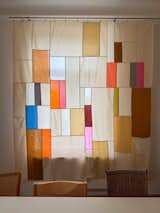
Sustainability and Resourcefulness: Beyond aesthetics, patchwork also champions principles of sustainability and resourceful living. Coralie Halbout of Polka Atelier in La Rochelle, France, highlights this practical aspect. She began creating patchwork curtains from fabric scraps after using them for a photoshoot backdrop, recognizing the method’s dual benefit of practicality and distinct aesthetic. "Patchwork is naturally a resourceful technique. It allows me to work with remnants, vintage fabrics, or small quantities of exceptional textiles that would otherwise be impossible to use for full-length curtains," Halbout explains. This approach significantly reduces textile waste, a critical concern in the fashion and home goods industries. The global textile industry produces millions of tons of waste annually, making practices that utilize remnants increasingly vital. Halbout further notes that "sustainability isn’t only about reducing waste. It’s also about creating objects that people want to keep for a very long time." This focus on longevity stands in stark contrast to fast fashion and disposable consumerism, aligning with a growing consumer demand for durable, meaningful products.
Emotional Resonance and Nostalgia: The emotional connection to patchwork is another powerful draw. Lisa Fine, cofounder and creative director of California-based company Quiet Town, known for its patchwork shower curtains, describes it as inherently timeless. "It inherently tells a story of a life well-lived," Fine says, adding that it is "thoughtful and carries a respect for objects and human hands and imperfections." Her collaborator, Alex Mill creative director Somsack Sikhounmuong, echoes this sentiment, emphasizing the nostalgic element: "There’s a joy and nostalgia to patchwork I think. Everyone grew up with a patchwork quilt in their home." This connection to personal history and collective memory transforms a functional item into a cherished artifact, rich with sentiment and meaning.
Patchwork in Practice: From Home Interiors to High Design
The resurgence of patchwork is not confined to independent artisans; it is permeating various design sectors, from bespoke home decor to collaborative fashion lines and experiential installations.
Curtains as Canvases: One of the most prominent manifestations of this trend is patchwork curtains. Often seen on platforms like Instagram, these textiles showcase independent makers’ unique, one-of-a-kind creations. The way light filters through each distinctively colored square transforms a functional window treatment into a dynamic work of art. These pieces offer a visual focal point that is simultaneously bold and comforting, providing a tangible sense of warmth and individuality to a space.

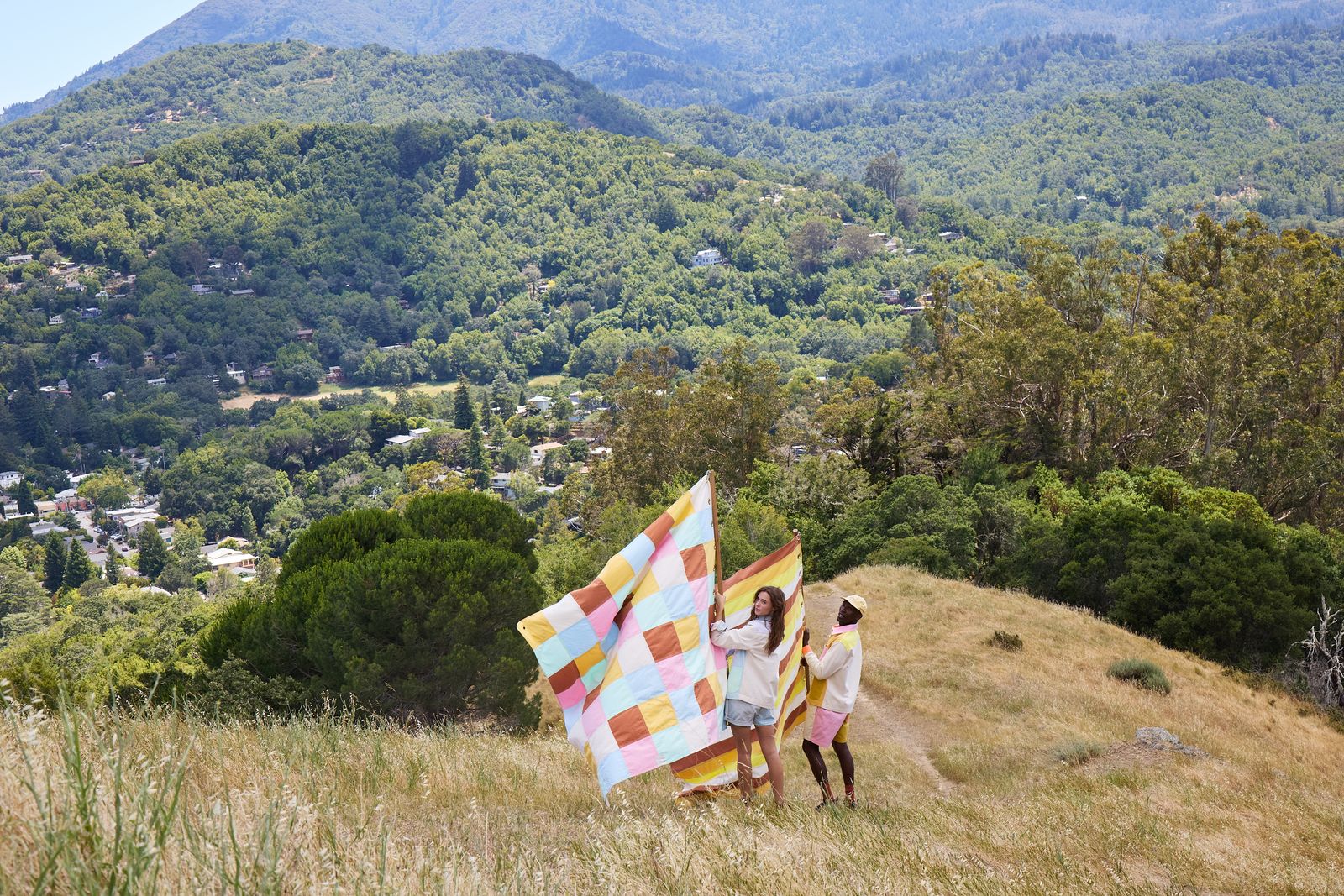
Fashion Collaborations and Sustainable Practices: The trend extends into apparel through innovative collaborations. Quiet Town, with its established reputation for patchwork home goods, recently launched its third collaboration with apparel company Alex Mill. This collection features clothing designs, such as work jackets and Saturday shorts, and overnight bags, all crafted from remnants of Quiet Town’s popular patchwork shower curtains. This initiative not only brings patchwork into the realm of everyday wear but also reinforces the sustainable ethos by upcycling fabric scraps that would otherwise contribute to waste. Such collaborations highlight how designers are finding creative solutions to reduce environmental impact while offering consumers unique, handcrafted items.
Experiential Design and Memory: Patchwork’s versatility was also showcased at Copenhagen’s annual design fair, 3 Days of Design. Designer Aaron Wes created a captivating installation for an event hosted by fashion brand Cecilie Bahnsen and Caro Diario. The centerpiece was a large dining table adorned with a patchwork skirt, meticulously crafted from fabrics used in Bahnsen’s clothing designs. Wes was drawn to patchwork for its unique ability to achieve a balance between cohesion and strong contrast. "I think patchwork resonates today because it reminds us that materials don’t lose their value over time," Wes stated. "Instead, they carry memory, craftsmanship and identity into new contexts." He further elaborated, "What fascinates me about patchwork is not only its visual richness, but its ability to bring together contrasting textures, colors and material qualities into a composition that feels both dynamic and remarkably harmonious. Every individual fragment retains its own identity while contributing to a larger whole." This installation beautifully illustrated how patchwork can transcend its traditional domestic context to become a powerful statement in high design, imbuing spaces with narratives and a sense of enduring value.
Broader Implications: A Shift in Consumer Values and the Future of Design
The widespread embrace of patchwork and other analog aesthetics signals a significant shift in consumer values and priorities. This movement is not merely a passing trend but reflects deeper societal desires for authenticity, sustainability, and personal connection in an increasingly digital and homogenized world.
Economic Impact on Artisanal Markets: The renewed interest in handcrafted goods has a tangible economic impact, fostering growth in artisanal markets and supporting independent makers and small businesses. Consumers are increasingly willing to invest in unique, high-quality items that tell a story, rather than opting for mass-produced alternatives. This preference is driving demand for skilled craftspeople and encouraging the preservation of traditional techniques.

Psychological and Emotional Well-being: Engaging with analog crafts, whether as a maker or a consumer, offers psychological benefits. For makers, the tactile process of cutting, stitching, and assembling provides a meditative escape from screen-based activities, fostering mindfulness and a sense of accomplishment. For consumers, owning handcrafted items can evoke feelings of comfort, nostalgia, and a deeper appreciation for human artistry, contributing to a more enriching home environment.
Future of Design and Consumption: This trend suggests a future where design emphasizes individuality, sustainability, and emotional longevity. Designers and brands that prioritize craftsmanship, resourcefulness, and unique storytelling are likely to gain greater traction. It challenges the prevailing model of disposable consumption, advocating for products that are cherished, repaired, and passed down, rather than quickly replaced. The integration of patchwork into modern aesthetics encourages a more eclectic and personalized approach to interiors, where curated pieces with distinct histories contribute to a rich, layered environment.
In conclusion, the analog awakening of 2026, spurred by digital fatigue and a yearning for authenticity, has found a vibrant and enduring expression in the art of patchwork. Regardless of the specific fabrics or designs employed, the inherent randomness and human touch embedded in patchwork pieces serve as a powerful counter-narrative to the uniformity of the digital age. This craft intrinsically encourages self-expression, whether through the meticulous creation of a unique piece or the thoughtful selection of one that resonates with an individual’s space and sensibility. As Lisa Fine aptly articulated, "I think in a world where everyone is looking at the same things and being fed the same information, it’s so refreshing to feel like you’ve found something (or made something) that is the opposite of homogenized." Patchwork, with its rich textures, diverse origins, and handmade charm, stands as a testament to the enduring human desire for the unique, the personal, and the truly authentic.