admin
admin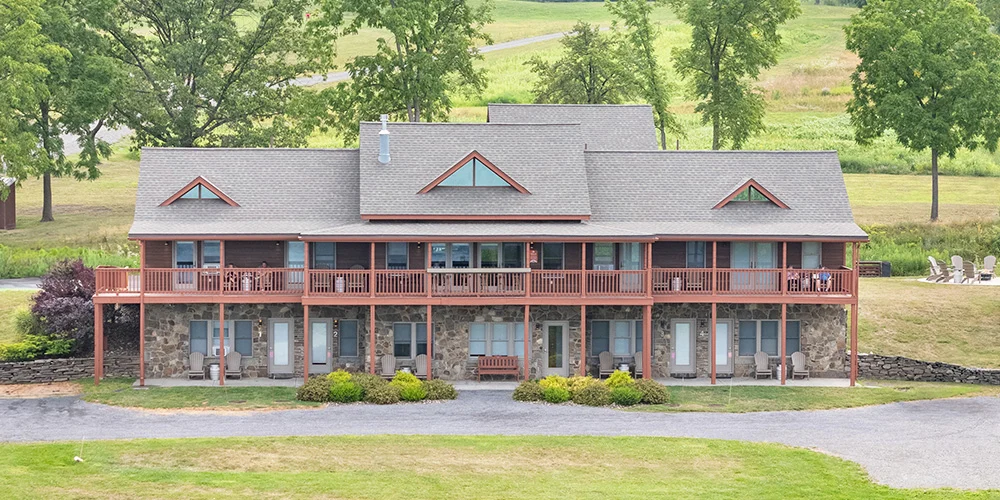
The landscape of American craft beer is undergoing a significant structural evolution, moving beyond the traditional taproom model toward a comprehensive hospitality framework. Across the United States, independent brewers are increasingly diversifying their portfolios by transforming rustic barns, mid-century bungalows, and historic landmarks into boutique accommodations. This shift represents a strategic pivot in the industry, where the "beercation"—a travel itinerary centered around brewery visits—has transitioned from a niche hobby to a major driver of regional tourism. These brewery-led stays, which range from rugged Pacific Northwest cabins to expansive alpine lodges in New England, offer a high level of brand immersion that traditional hotels cannot replicate.
The emergence of these destinations coincides with a broader trend in the "experience economy," where consumers prioritize authentic, story-driven engagements over passive consumption. For the modern craft brewer, providing lodging is more than an additional revenue stream; it is a sophisticated storytelling platform. By integrating their brand values into the physical design and hospitality of a guest’s stay, breweries are fostering deep emotional connections that drive long-term customer loyalty. As competition in the craft beer market remains high, with over 9,000 breweries operating in the U.S. as of late 2023, these immersive stays offer a critical point of differentiation.
The Economic Context of Beer-Centric Travel
The growth of brewery-affiliated lodging is supported by robust data regarding the economic impact of craft beer. According to the Brewers Association, the craft brewing industry contributed approximately $76.3 billion to the U.S. economy in 2022, supporting more than 430,000 jobs. A significant portion of this impact is derived from tourism. In states with high brewery densities, such as Vermont, Oregon, and Washington, beer travelers contribute millions to local economies through spending on food, transportation, and, increasingly, overnight stays.
Industry analysts suggest that the "stay-where-you-sip" model addresses a logistical hurdle for beer enthusiasts: transportation. By providing on-site accommodations, breweries mitigate the risks associated with travel after consumption, allowing guests to explore a brewery’s entire portfolio in a safe and relaxed environment. This convenience, paired with the desire for unique "Instagrammable" locales, has made brewery stays a top choice for Millennials and Gen X travelers who seek a blend of outdoor recreation and artisanal food and beverage experiences.
Case Study: The Pacific Northwest’s Cabin Culture
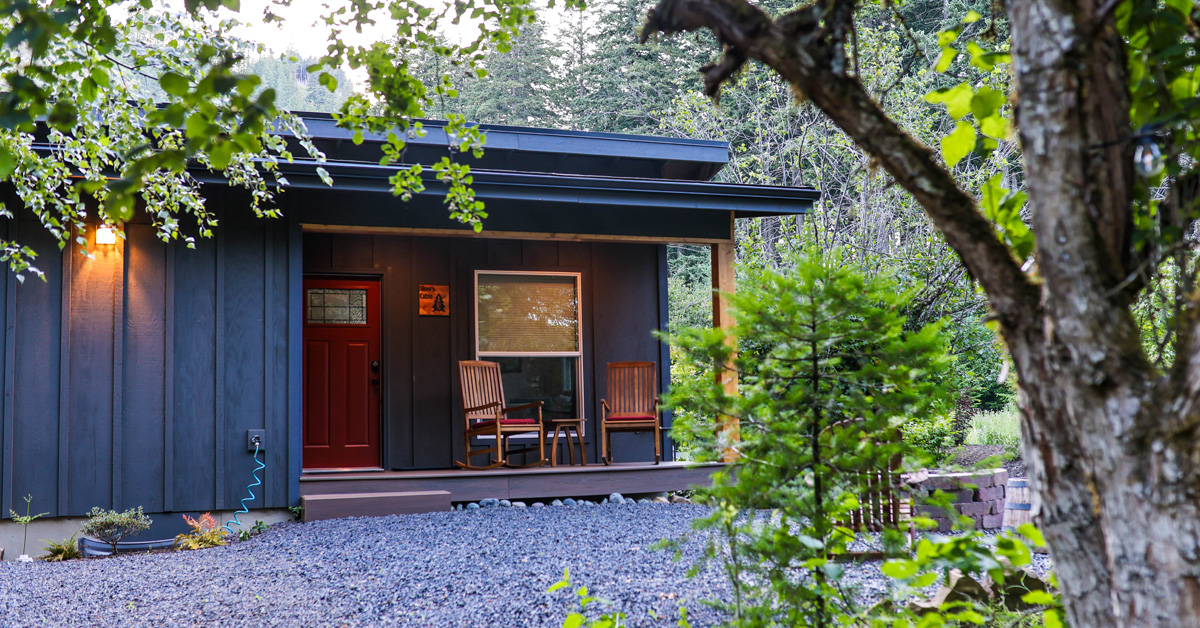
In Carson, Washington, the Backwoods Brewing Company has become a primary example of how geography and brand identity can merge to create a successful hospitality product. Located in the Columbia River Gorge, the brewery is situated in an area already famed for its rugged cliffs and forested hills. When the Waters family, owners of Backwoods, decided to expand, they did so by looking at the property’s potential for long-term engagement.
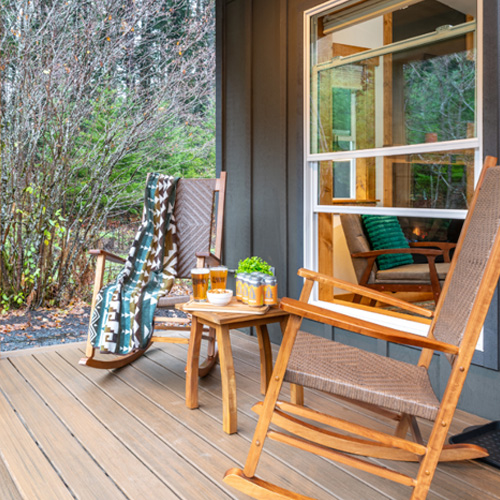
The resulting Backwoods Cabins consist of eight luxury-leaning units, each themed to reflect the region’s outdoor activities, such as hiking, kayaking, and stargazing. The design strategy employs "PNW cabin-core" aesthetics—mixing 600-thread-count sheets and gas fireplaces with rustic leather armchairs and Adirondack chairs on private porches. According to Steve Waters, CEO of Backwoods Brewing, the goal was to create a space that felt like an extension of the taproom’s welcoming atmosphere.
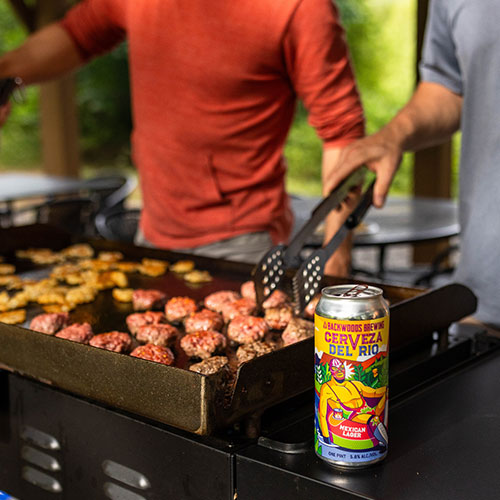
From a business perspective, the cabins allow Backwoods to curate a 24-hour brand experience. Guests can pre-order beer packages to be waiting in their rooms upon arrival, often featuring the brewery’s core lineup, such as the Party Acres Hazy IPA or the Ridge Run Oatmeal Stout. By encouraging guests to stay overnight, the brewery increases its average revenue per customer, as visitors are more likely to order multiple meals and take-home merchandise during an extended visit.
Heritage and Legacy: The Alpine Model of von Trapp Brewing
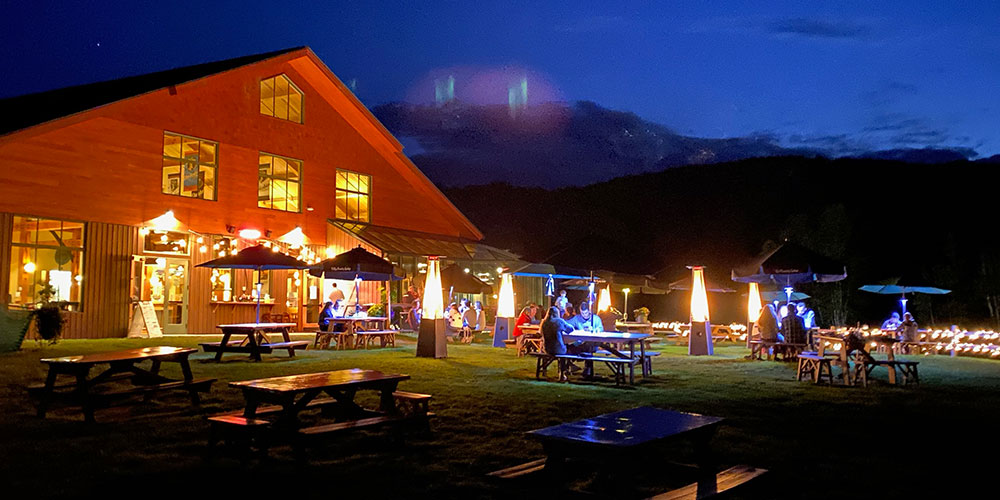
While some breweries are building new accommodations, others are leveraging historic legacies. In Stowe, Vermont, the von Trapp Family Lodge represents the intersection of musical history and European brewing traditions. Founded by the family made famous by The Sound of Music, the 2,600-acre resort was a hospitality destination long before it was a brewery. However, the addition of von Trapp Brewing in 2010 transformed the property into a premier destination for lager enthusiasts.
Johannes von Trapp established the brewery with the specific intent of recreating the crisp, refreshing lagers of his Austrian heritage. The integration of the brewery into the resort allows for a seamless "alpine soul" experience. Guests can participate in snowshoe tours led by family members, dine on Austrian-inspired schnitzel and bratwurst in the Bierhall, and drink Helles or Pilsner brewed with natural spring water sourced directly from the property.
Emily Provost, the brewery’s marketing manager, notes that the lodge allows guests to "live, eat, and drink like a von Trapp." This level of historical and cultural immersion provides a competitive advantage, as the brewery is not just selling a product, but a connection to a specific lineage and a meticulously preserved landscape.
Strategic Design: The Lodge at Grist Iron Brewing
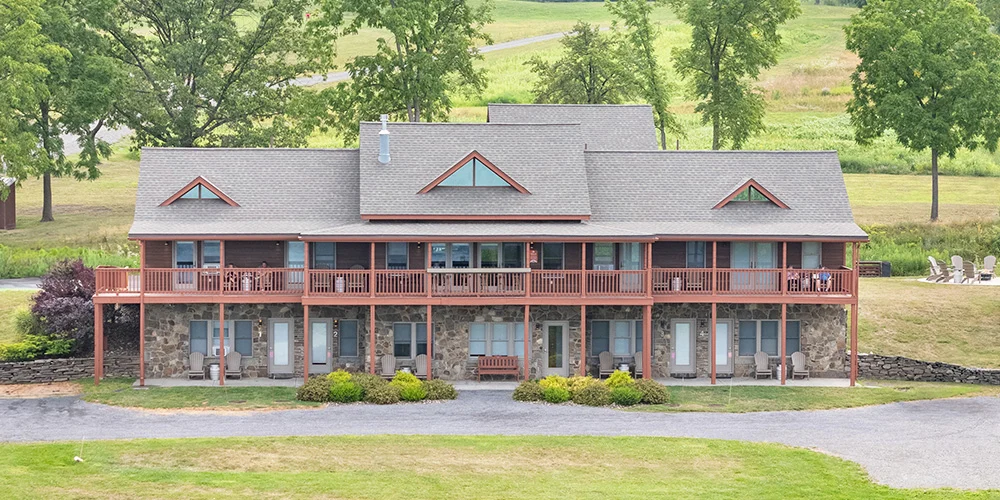
In the Finger Lakes region of New York, Grist Iron Brewing took a unique approach by prioritizing lodging from the outset. Rather than adding rooms to an existing brewery, the owners selected a property in Watkins Glen that already featured a lodge. This "lodging-first" mentality allowed the brewery to build its brand around the concept of a full-scale resort.
The Lodge at Grist Iron features "rustic-modern" design elements, including black-and-white brewing murals and subway-tiled showers. A notable feature of the guest rooms is the inclusion of built-in shower ledges specifically designed to hold a "shower beer." While seemingly a minor detail, such design choices serve as powerful branding tools that signal to the guest that they are in a space designed by and for beer lovers.
Beyond the rooms, Grist Iron has expanded its "Beer Mountain" concept, which includes a disc golf course and a dog park with a "Woof Top" bar. This diversification ensures that the brewery appeals to a wide demographic, including pet owners and outdoor enthusiasts, further solidifying its status as a destination resort rather than a simple production facility.
Adaptive Reuse and the Urban Brewery Hotel
The trend of brewery stays is not limited to rural or scenic locations. In the Pacific Northwest, McMenamins has pioneered the "adaptive reuse" model, transforming defunct schools, churches, and poor farms into eclectic hotel-brewery hybrids. This approach serves a dual purpose: preserving local history and creating a "treasure map" experience for guests.
McMenamins properties are famous for their "secret" bars hidden behind unmarked doors and their extensive use of local art to tell the history of the buildings they occupy. By turning historic preservation into a hospitality brand, McMenamins has created a loyal following of "passport" holders who travel across Oregon and Washington to visit every location in their network.
Similarly, in Fargo, North Dakota, Drekker Brewing’s "Brewhalla Crash Pad" uses hyper-branding to create a boutique experience. Each room is themed after a specific beer, such as the "Mind Bullets" suite, which features vibrant murals and industrial ductwork that mirror the psychedelic labels of their sour IPAs. This strategy appeals to a younger, design-conscious demographic that values aesthetic consistency and "shareable" social media content.
Analysis: The Future of the Brewery Stay
The transition of breweries into the hospitality sector suggests a maturing industry that is looking for ways to stabilize income in a fluctuating market. While the initial investment in lodging is high, the long-term benefits include higher profit margins on beer sold on-site, increased brand equity, and the ability to weather downturns in the wholesale distribution market.
Furthermore, these destinations are often located in rural or under-served areas, meaning they play a vital role in regional economic development. By creating a reason for tourists to visit—and stay—in these communities, breweries are acting as anchor institutions that support surrounding small businesses, from local farmers to outdoor outfitters.
However, the move into hospitality also brings new challenges. Brewers must now master the complexities of hotel management, including staffing, housekeeping, and seasonal occupancy fluctuations. As the market for brewery stays grows, the industry will likely see a professionalization of these services, with more breweries partnering with hospitality management firms or investing in dedicated guest-services teams.
Conclusion and Broader Impact
The rise of the brewery stay is a testament to the enduring appeal of the craft beer movement and its ability to reinvent itself. By offering more than just a pint, these breweries are creating lasting memories and deep-seated brand loyalty. Whether through the luxury cabins of the West Coast, the historic lodges of the East, or the quirky urban hotels of the Midwest, the "beercation" has evolved into a sophisticated travel sector that reflects the creativity and independence of the American craft brewer.
As travel trends continue to shift toward authenticity and localism, the brewery stay is well-positioned to remain a cornerstone of the American hospitality landscape. For the consumer, it offers a chance to step inside the world of their favorite brewery; for the brewer, it offers a chance to tell their story one night at a time.