admin
admin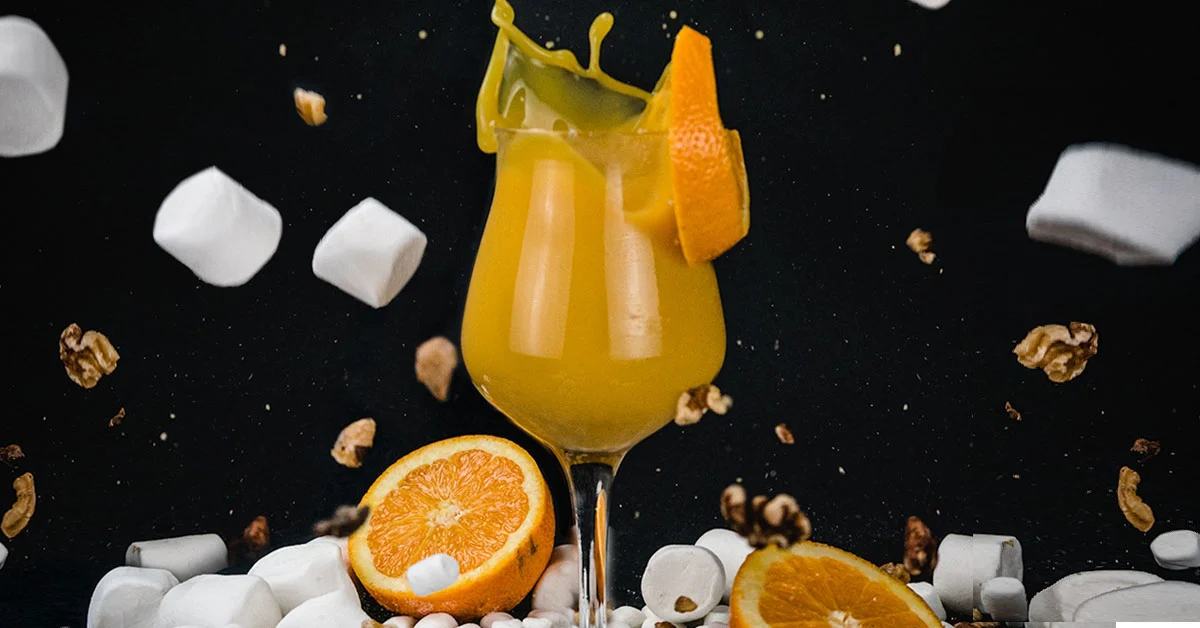
The American craft beer movement, which found its footing in the 1980s and 1990s, was built on a foundation of traditionalism—reimagining European styles like the India Pale Ale, the Stout, and the Porter for a new generation of drinkers. However, as the market reached a point of saturation in the mid-2010s, breweries were forced to innovate beyond the standard hop-forward profiles that had dominated the industry for decades. This drive for differentiation led to the emergence of the "smoothie sour," a controversial yet undeniably popular sub-genre that has challenged the very definition of beer. By blending the tartness of traditional sour ales with massive quantities of fruit puree and dessert-inspired adjuncts, breweries have cultivated a new demographic of consumers and created a distinct, high-demand niche within the beverage industry.
The Historical Context of the Sour Transition
To understand the rise of the smoothie sour, one must first look at the evolution of tart ales in the United States. For years, sour beers were the domain of patient, traditionalist brewers who utilized wild yeast strains like Brettanomyces and bacteria such as Lactobacillus and Pediococcus. These beers often aged for months or years in wooden foeders or barrels, resulting in complex, bone-dry, and highly acidic profiles.
By the mid-2010s, the "kettle souring" process became mainstream, allowing brewers to acidify wort in a matter of days rather than years. This led to the proliferation of Gose and Berliner Weisse styles, which served as a canvas for fruit additions. As breweries competed for the attention of a "ticker" culture—consumers who constantly seek new and extreme flavors—the volume of fruit increased, and the filtration decreased. The result was a beer that retained the thick, opaque consistency of a fruit smoothie, eventually giving birth to the style now recognized globally as the smoothie sour.
Imprint Beer Company and the Schmoojee Phenomenon
One of the primary architects of this movement is Imprint Beer Company, located in Hatfield, Pennsylvania. Founded in 2018, the brewery quickly realized that while they could produce high-quality IPAs and lagers, their experimental fruited sours were the products driving consumer fervor. Co-founder and brewer Ryan Diehl traces the brewery’s trajectory back to a pivotal event early in their history, which he describes as their "coming out party."
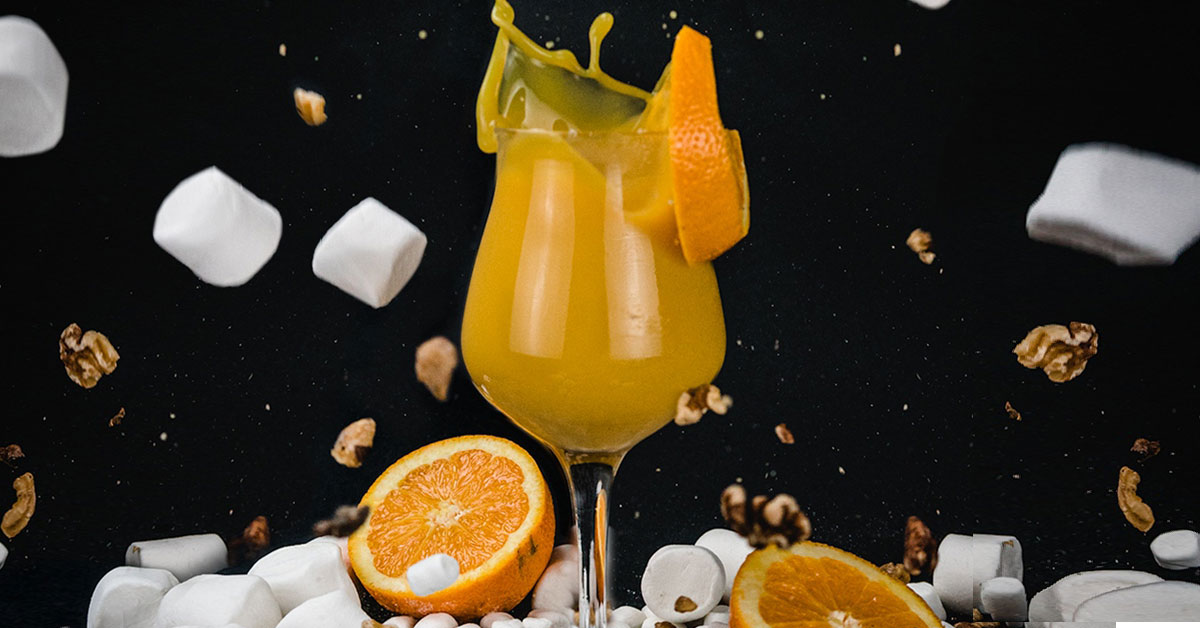
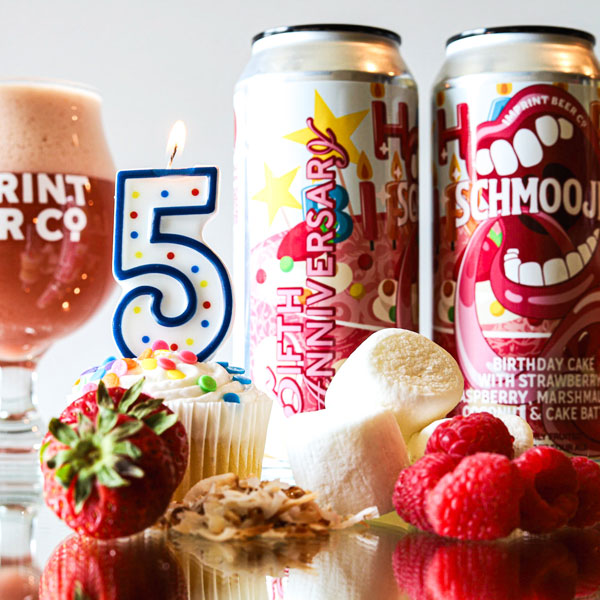
For this event, Imprint debuted "Puffsicle," a smoothie sour conditioned on raspberries, blueberries, pineapples, and marshmallows. The response was immediate and overwhelming. The success of Puffsicle led to the creation of the "Schmoojee" line, which has since become a benchmark for the style. These beers often incorporate culinary adjuncts that would have been unthinkable in brewing twenty years ago, including cheesecake, white chocolate, fudge, and bananas.
The production of these beers requires a departure from standard brewing timelines. At Imprint, the base beer undergoes a fermentation process lasting between eight and 11 days. Once the base sour is established, the brewery introduces a secondary stage where the heavy adjuncts and fruit purees are blended. This process ensures that the vibrant colors and viscous textures—hallmarks of the Schmoojee line—are preserved for the end consumer.
Strategic Pivots and the Ready-to-Drink Influence
In Dallas, Texas, 903 Brewers represents a different path to the smoothie sour. Having operated for six years as a more traditional craft brewery, owner Jeremy Roberts recognized a shift in consumer behavior. The rise of Ready-to-Drink (RTD) cocktails and hard seltzers suggested that a portion of the market was moving away from traditional malt and hop profiles toward sweeter, more approachable flavors.
To capture this audience, 903 Brewers developed a cherry limeade sour inspired by the popular beverage offerings at Sonic Drive-In. The product’s rapid sell-out signaled a change in the brewery’s mission. This led to the "Slushy" line, a series of beers that push the boundaries of "beer" flavor profiles. Notable releases have included the Blueberry Donut Slushy and the Cotton Candy Slushy, some even featuring edible glitter to enhance the visual spectacle. For 903 Brewers, the smoothie sour is a tool for inclusivity, offering an entry point for individuals who previously claimed they "did not like beer."
The Science of Stability and Sweetness
While smoothie sours are often dismissed by purists as "fruit juice," the technical requirements for producing them safely are significant. Oozlefinch Beers & Blending in Fort Monroe, Virginia, has focused heavily on the science behind these "sweet bombs." Founder Russ Tinsley and head brewer Logan Morris noted that early attempts at fruited sours often lost their sweetness over time as the yeast consumed the fruit sugars, leading to thinning bodies and off-flavors.
To combat this, Oozlefinch utilizes specific yeast strains that produce lactic acid during fermentation. They also employ "back sweetening," a technique where flavors and sugars are added after the primary fermentation is complete. To ensure these beers do not referment in the can—a common hazard in the style that can lead to "exploding cans"—the brewery uses a pasteurization process. This stabilizes the liquid, ensuring that the consumer experiences the exact flavor profile intended by the brewer. Morris famously refers to these creations as "Kool-Aid for adults," but emphasizes that the intentionality behind the ingredient sourcing is as rigorous as any traditional style.
Culinary Inspiration at Corporate Ladder Brewing
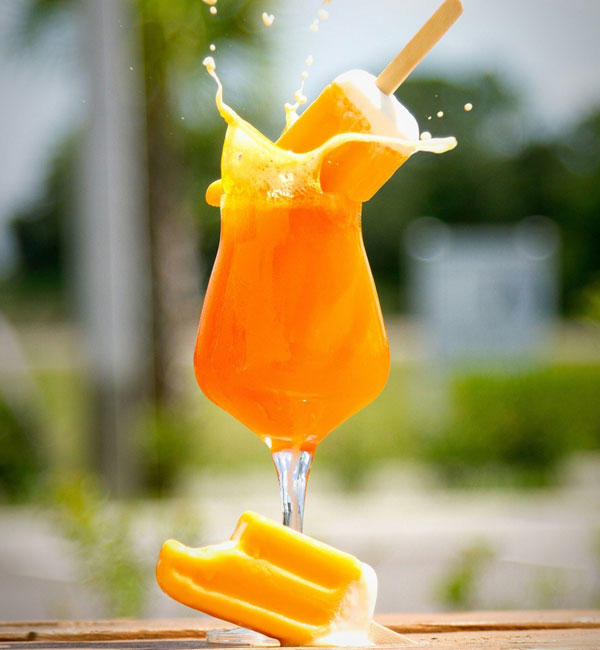
In Palmetto, Florida, Corporate Ladder Brewing has leaned into the "sensory experience" of craft beer. Co-owners Blake Kleppe and James Herrholz have built their "Dessert Station" line around the concept of liquid nostalgia. By sourcing ingredients like vanilla beans, pumpkin pie spices, and tangerine purees, they create beers designed to mimic specific food memories, such as a creamsicle or a slice of pumpkin pie a la mode.
Herrholz emphasizes that the goal is precision: the beer must taste exactly like the inspiration cited on the label. This culinary approach has transformed the brewery into a destination for "flavor tourists," drinkers who follow the brewery’s release schedule with the same intensity that others might follow a high-end restaurant’s seasonal menu.
Market Implications and the Future of the Style
The rise of smoothie sours reflects a broader trend in the global beverage market. According to industry data from the Brewers Association, while overall craft beer growth has seen periods of stabilization, "alternative" sub-styles—including fruited sours and pastry stouts—have maintained a dedicated and vocal following. These beers often command premium price points, frequently retailing for $20 to $25 per four-pack, which provides breweries with higher margins despite the increased cost of ingredients like premium fruit purees.
The style has also fostered a unique "brotherhood" among brewers. Unlike the competitive atmosphere of the early corporate beer era, smoothie sour producers frequently collaborate. Drekker Brewing Company (North Dakota), Mortalis Brewing Company (New York), Burley Oak Brewery (Maryland), 450 North Brewing Company (Indiana), and The Answer Brewpub (Virginia) are all part of an informal network that shares techniques and ingredients.
Critics of the style argue that smoothie sours abandon the heritage of brewing, citing the use of unfermented sugars and non-traditional thickeners. However, the commercial reality suggests that the style is more than a passing fad. It has successfully bridged the gap between the craft beer world and the broader "foodie" culture.
As Corporate Ladder’s Blake Kleppe notes, the ultimate metric of success is the consumer’s enjoyment. Whether these liquids are classified as "traditional beer" is secondary to the fact that they are bringing new enthusiasts into the craft beer ecosystem. The smoothie sour has proven that there is significant room for innovation at the intersection of fermentation and culinary arts, ensuring that the craft beer industry remains a dynamic and evolving landscape. By prioritizing flavor, texture, and visual appeal, these breweries have not only survived a crowded market but have redefined what it means to be a craft brewer in the 21st century.