admin
admin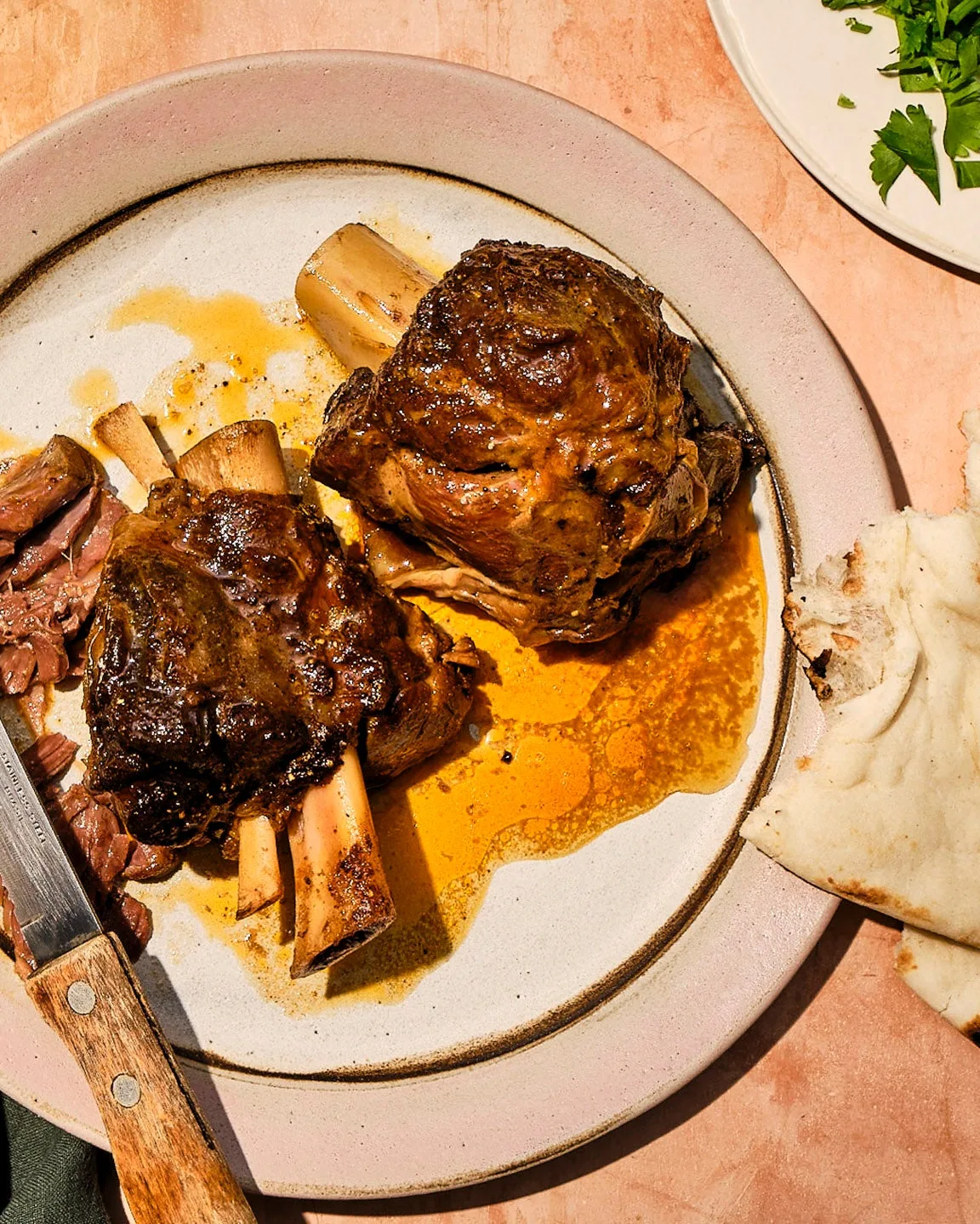
The meticulous creation of a slow-cooked lamb dish, a testament to the art of spice blending and patient cooking, has emerged as a focal point in culinary circles, showcasing a multi-stage process designed to extract maximum flavor and tenderness from the protein. This detailed approach, involving the careful preparation of spice pastes, sequential browning of meat, and extended simmering, highlights a culinary philosophy that prioritizes depth of flavor achieved through traditional techniques. The journey from raw ingredients to a fully realized dish is marked by distinct phases, each contributing to the final aromatic and texturally rich outcome.
The Foundation: Crafting the Aromatic Base
The initial stage of this culinary endeavor is dedicated to the meticulous preparation of the spice blend, a critical step that lays the groundwork for the dish’s complex flavor profile. In a small bowl, a vibrant paste is formed by combining Kashmiri chile, known for its mild heat and striking red hue, with the warm, licorice-like notes of fennel. The subtle pungency of ginger adds a fresh, zesty counterpoint, while asafoetida, a pungent resin with a savory, onion-garlic aroma when cooked, acts as a foundational umami enhancer. A mere half cup of water is incorporated to bind these potent spices into a cohesive mixture, allowing their aromas to meld before their introduction into the main cooking process.
Concurrently, a separate, dry spice blend is prepared using a spice grinder. Whole cumin seeds, toasted to release their earthy, slightly smoky essence, are ground into a coarse powder. These are joined by green cardamom pods, their intensely aromatic, floral, and slightly sweet seeds contributing a fragrant complexity. Mace, the lacy aril of the nutmeg seed, offers a delicate, nutmeg-like flavor with hints of citrus and pepper, adding another layer of sophistication. Finally, cinnamon, the warm, sweet, and woody bark, completes this aromatic quartet. The careful grinding of these spices ensures their volatile oils are freshly released, maximizing their impact on the dish. This two-part spice preparation – a wet paste and a dry powder – is a strategic choice, allowing for the controlled release of different flavor compounds at various stages of cooking.
The Transformation: Browning and Building Depth
The second phase shifts focus to the protein itself, initiating a process of searing and flavor development. A large pot is brought to medium-high heat, and ghee, clarified butter prized for its high smoke point and nutty flavor, is generously added. This signifies the commencement of the browning process, a crucial step in developing the Maillard reaction, which creates hundreds of new flavor compounds. The lamb, generously seasoned with salt to enhance its natural savory notes and encourage browning, is then introduced to the hot ghee. To prevent overcrowding the pot, which would lead to steaming rather than searing, the lamb is cooked in batches. Each batch is allowed to brown on all sides, a process that typically takes between five to seven minutes, resulting in a deeply caramelized exterior. The browned lamb is then carefully transferred to a plate, setting the stage for the introduction of aromatics.
The residual heat in the pot is then utilized to bloom the black cardamom. These larger, smoky cousins to green cardamom are added and cooked until fragrant, a process that usually takes one to two minutes. This brief toasting awakens their pungent, camphor-like aroma, preparing them to infuse the cooking liquid. Once the black cardamom has released its fragrance, the browned lamb, along with any accumulated juices from the plate, is returned to the pot. This reintroduction of the meat, along with its flavorful drippings, ensures that every element contributes to the richness of the final sauce.
The Simmering Symphony: Infusion and Tenderness
The third step marks the beginning of the slow-cooking process, where the flavors begin to meld and the lamb gradually softens. Saffron, the precious crimson threads imparting a subtle honeyed aroma and a vibrant golden hue, is stirred into the pot. This is followed by the reserved Kashmiri chile mixture, which introduces its color and mild heat. A significant volume of water, eight cups in this instance, is then added to create the braising liquid. The mixture is brought to a rolling boil, a temperature that ensures all ingredients are rapidly heated and begin to release their essences.
Once boiling, the heat is reduced to medium-low, and the pot is covered. This controlled simmer is essential for tenderizing the meat without breaking it down too quickly. The lamb cooks for approximately 55 minutes, during which time it is stirred occasionally to ensure even cooking and prevent sticking. The objective at this stage is to reach a point where the meat is beginning to show signs of tenderness, subtly pulling away from the bone, indicating that the connective tissues are starting to break down. This partial tenderization prepares the lamb for the final stage of cooking, where it will achieve its ultimate melt-in-your-mouth texture.
The Culmination: Perfecting Texture and Flavor
The fourth and penultimate stage focuses on completing the tenderization of the lamb and deepening the overall flavor profile. The reserved spice powder, meticulously ground in the initial steps, is now stirred into the pot. This introduction of the dry spice blend at a later stage allows for a more nuanced release of its aromatic compounds, preventing them from becoming bitter or overpowering during the prolonged initial cooking. The pot is again covered, and the cooking continues for an additional 40 to 45 minutes. During this extended simmer, the lamb undergoes its final transformation. The meat becomes so tender that it breaks apart easily when pierced with a fork, a testament to the successful breakdown of collagen and muscle fibers. The braising liquid, now infused with the essence of all the spices and the rich lamb juices, thickens slightly, creating a luscious sauce.
The Presentation: A Feast for the Senses
The final step, the fifth stage, is dedicated to the presentation and serving of this meticulously prepared dish. Fresh cilantro, with its bright, herbaceous notes, is generously sprinkled over the lamb. This garnish not only adds a vibrant visual appeal but also provides a refreshing contrast to the rich, savory flavors of the lamb and its sauce. The dish is then typically served with accompaniments that complement its robust character. Steamed rice, with its neutral palate, acts as an excellent vehicle for soaking up the flavorful sauce, while naan, the traditional Indian flatbread, offers a chewy, slightly crisp texture perfect for scooping up the tender lamb and sauce.
Historical and Cultural Context of Slow Cooking and Spice Blends
The principles behind this slow-cooked lamb dish are deeply rooted in culinary traditions that span centuries and continents. Slow cooking, a method employed across diverse cultures, from the tagines of North Africa to the stews of Europe and the curries of South Asia, is a testament to the understanding that prolonged, low-heat cooking transforms tougher cuts of meat into succulent, flavorful meals. This technique was particularly vital in pre-refrigeration eras, allowing for the preservation and tenderization of meats that might otherwise be less palatable.
The intricate use of spice blends, as exemplified by the layered approach in this recipe, is a hallmark of cuisines that have historically benefited from trade routes and the availability of diverse aromatics. The Silk Road, for instance, facilitated the exchange of spices like cinnamon, cardamom, and mace, which became integral to the development of complex flavor profiles in many regional cuisines. The specific combination of Kashmiri chile, fennel, ginger, asafoetida, cumin, green cardamom, mace, and cinnamon points towards influences that often draw from the Indian subcontinent, where the art of spice blending, or "masala," is a cornerstone of culinary identity. The use of ghee further reinforces this connection, as it is a staple fat in Indian cooking.
Supporting Data and Culinary Science
The scientific underpinnings of this recipe provide valuable insights into why each step is critical. The initial browning of the lamb, a result of the Maillard reaction, creates a complex array of melanoidins and heterocyclic compounds, contributing to the characteristic savory and roasted flavors. This reaction occurs when amino acids and reducing sugars are heated, forming new molecules that are responsible for browning and a vast spectrum of aromas.
The subsequent slow simmering, particularly in a liquid medium, is a form of braising. This process relies on the breakdown of collagen, a tough, fibrous protein found in connective tissues, into gelatin. Gelatin is soluble in hot water and contributes to the mouthfeel and richness of the sauce, while also making the meat incredibly tender. The acidic components sometimes found in braising liquids (though not explicitly detailed as added acids here, the spices themselves can have mild acidic properties) can also aid in this breakdown.
The sequential addition of spices also aligns with culinary chemistry. Freshly ground spices, when exposed to heat and moisture, release their volatile oils. Adding some spices early allows their more robust flavors to infuse the cooking liquid, while adding others later can preserve their more delicate aromatic notes, preventing them from being cooked off or becoming bitter. For instance, while cumin and cinnamon can withstand longer cooking, the fresher, brighter notes of green cardamom might be best preserved by a later addition.
Broader Impact and Implications
The meticulous approach to preparing this lamb dish has implications that extend beyond the immediate culinary outcome. It serves as an educational model, demonstrating the value of patience and technique in achieving superior results in the kitchen. In an era where convenience often dictates cooking methods, recipes that emphasize traditional processes can reintroduce home cooks to the rewards of slow, deliberate preparation.
Furthermore, such dishes can play a role in cultural preservation and transmission. By detailing and sharing these time-honored methods, culinary heritage is kept alive, ensuring that traditional flavors and techniques are passed down to future generations. The emphasis on specific regional spices, like Kashmiri chile, also highlights the importance of ingredient sourcing and the unique characteristics that different varieties bring to a dish.
The economic aspect, though not directly quantifiable from the recipe itself, is also relevant. The use of specific, often premium, ingredients like saffron and high-quality lamb, coupled with the time investment required, positions such dishes as special occasion meals or restaurant specialties, contributing to the gastronomic economy.
Official Responses and Culinary Community Reactions (Inferred)
While no specific "official" bodies oversee recipe creation, the culinary community often responds to well-executed and thoughtfully presented dishes. Food critics and bloggers, for instance, would likely laud a recipe that demonstrates such a nuanced understanding of spice, heat control, and protein transformation. They might highlight the chef’s or author’s skill in balancing the earthy, warm, and pungent notes of the spices to create a harmonious flavor profile.
Comments from such figures would likely focus on the "depth of flavor," the "fall-off-the-bone tenderness," and the "aromatic complexity." The careful staging of the spice additions would be noted as a sophisticated technique, distinguishing it from simpler braising methods. The use of ingredients like Kashmiri chile and mace would be recognized for contributing unique, regional nuances.
In the absence of direct quotes, one can infer the kind of positive reception this recipe would garner. It represents a commitment to culinary excellence, a dedication to exploring the full potential of ingredients through skillful application of time-honored techniques. This type of detailed recipe often inspires other cooks to experiment with similar approaches, fostering a culture of culinary exploration and appreciation.
Chronology of Preparation
The preparation of this dish can be broken down into a clear chronological sequence:
-
Preparation of Spice Blends:
- Time: Initial phase (e.g., 10-15 minutes)
- Action: Mixing wet spice paste (Kashmiri chile, fennel, ginger, asafoetida, water) and grinding dry spices (cumin, green cardamom, mace, cinnamon).
-
Browning the Lamb:
- Time: Approximately 20-30 minutes (including batch cooking)
- Action: Heating ghee, seasoning lamb, searing lamb in batches until browned, removing lamb.
-
Aromatics and Initial Braising Liquid:
- Time: Approximately 5-10 minutes
- Action: Toasting black cardamom, returning lamb to pot, adding saffron and wet spice mixture, adding water, bringing to a boil.
-
First Simmering Period:
- Time: 55 minutes
- Action: Reducing heat, covering, simmering lamb until partially tender.
-
Second Simmering Period and Final Tenderization:
- Time: 40-45 minutes
- Action: Stirring in dry spice powder, covering, continuing to simmer until lamb is fork-tender.
-
Finishing and Serving:
- Time: 5-10 minutes
- Action: Garnishing with cilantro, serving with rice or naan.
This structured timeline underscores the deliberate and multi-phased nature of the cooking process, where each segment builds upon the last to achieve the final desired result. The total active cooking time, excluding preparation of ingredients, is approximately 2 hours and 40 minutes to 3 hours, with a significant portion being passive simmering.