admin
admin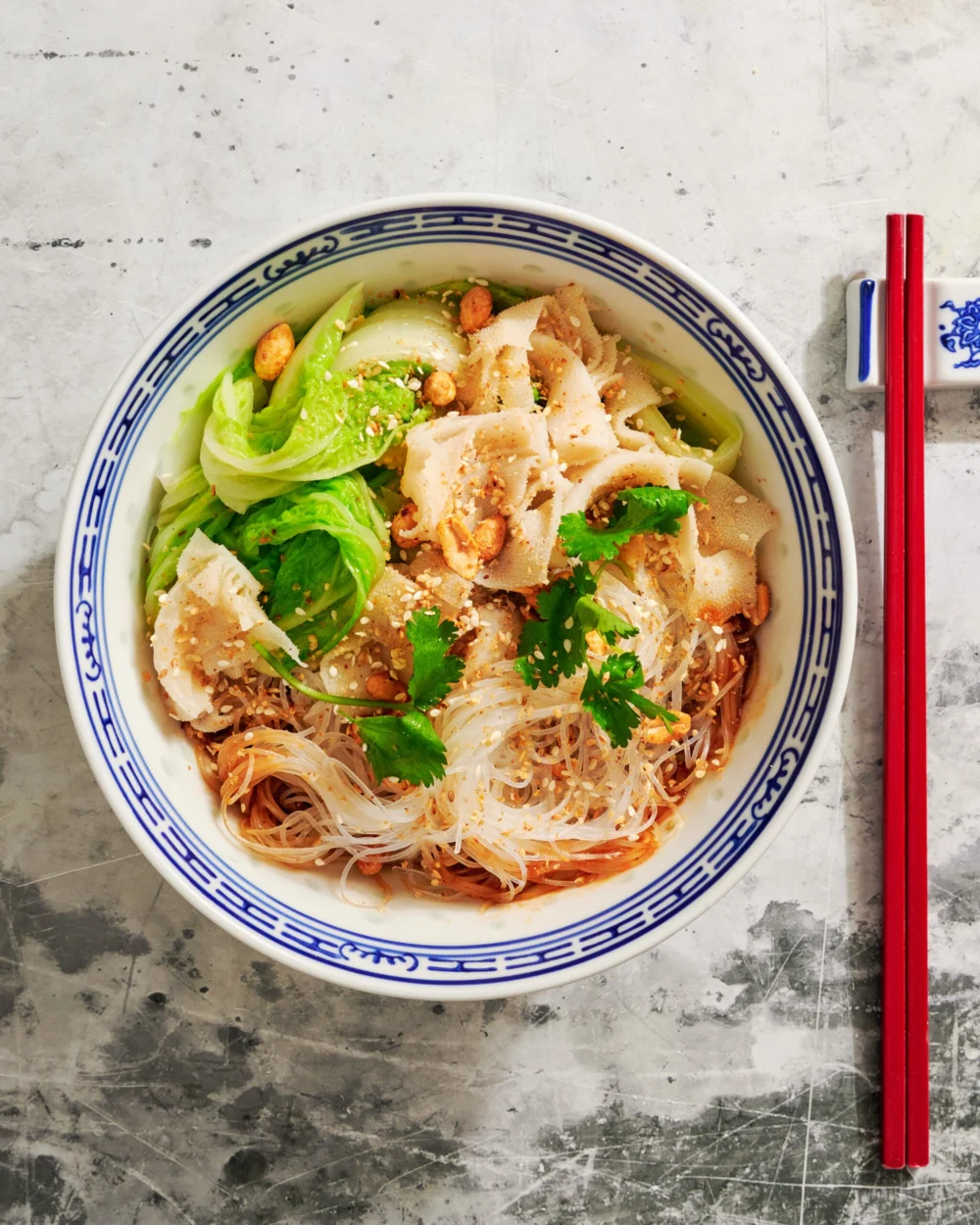
A recent deep dive into the intricate preparation of Dan Dan Noodles, a beloved Sichuanese dish, has illuminated the precise techniques and ingredient nuances that elevate this seemingly simple street food to a culinary masterpiece. The detailed instructions, shared from a culinary demonstration, offer an unprecedented glimpse into the meticulous steps involved, from the initial soaking of noodles to the final garnish, revealing a symphony of flavors and textures that define authentic Dan Dan Noodles. This revelation comes at a time when Sichuan cuisine continues its global ascent, with consumers increasingly seeking authentic experiences and understanding the origins of their favorite dishes.
The Foundation: Noodle Preparation
The process begins with the noodles, the very backbone of the dish. The instructions emphasize a crucial initial step: soaking dried noodles in room-temperature water for a period of 5 to 10 minutes. This is not merely a preliminary rinse but a critical stage to ensure the noodles achieve the perfect al dente texture. Over-soaking can lead to mushiness, while insufficient soaking results in noodles that are too firm and unyielding. The goal is to hydrate them just enough so they separate easily and soften slightly, preparing them to absorb the rich sauce without becoming waterlogged during the subsequent cooking phase. This controlled hydration is a testament to the thoughtful engineering of the dish, ensuring each strand contributes optimally to the overall experience.
Crafting the Soul: The Sauce’s Aromatic Infusion
The heart of Dan Dan Noodles lies in its complex and aromatic sauce, and the provided breakdown meticulously details its creation. The process starts with sesame paste, a fundamental component that provides a creamy, nutty base. However, the true magic is unlocked through an aromatic infusion. Boiling water is immediately combined with Sichuan peppercorns and star anise, potent spices synonymous with Sichuan cuisine, known for their numbing (mala) and warming qualities, respectively. This mixture is then allowed to steep for five minutes, a critical period for the spices to release their essential oils and fragrances into the water.
The strained, spice-infused water is then gradually whisked into the sesame paste. This technique is vital; adding the hot liquid too quickly or all at once could cause the sesame paste to seize or clump, resulting in an uneven sauce. The gradual incorporation, combined with vigorous whisking, emulsifies the paste and water, creating a smooth, velvety sauce. The discarding of the spent spices is a pragmatic step, ensuring that only the pure essence of their flavors permeates the sauce, avoiding any unwanted textural elements or overpowering bitterness. This meticulous infusion process highlights the culinary philosophy of maximizing flavor extraction and achieving a harmonious blend.
Building the Flavor Profile: Layering the Sauce Components
With the aromatic sesame base established, the next steps involve layering the remaining flavor components directly into individual soup bowls. This method of building the sauce at the base of each serving bowl, rather than mixing it all together beforehand, is a characteristic of many traditional Sichuanese noodle preparations. It allows for a more vibrant presentation and ensures that each spoonful delivers a concentrated burst of flavor.
Each bowl receives a precisely measured teaspoon of sugar, providing a subtle sweetness to balance the savory and spicy elements. Cumin, a spice often associated with earthy warmth, is added at half a teaspoon, contributing another layer of aromatic complexity. The real powerhouses of flavor are then introduced: one tablespoon each of mashed red bean curd, chile oil, chive paste, oyster sauce, sesame oil, and soy sauce.
The red bean curd, a fermented product, offers a unique umami depth and a slightly pungent, savory note. Chile oil, a cornerstone of Sichuanese cooking, brings the signature fiery heat and a distinct aromatic quality derived from the chiles and often infused with other spices. Chive paste provides a fresh, oniony brightness, cutting through the richness. Oyster sauce adds a rich, savory, and slightly sweet umami boost, while sesame oil contributes its characteristic nutty aroma and flavor. Finally, soy sauce provides the foundational salty, umami base. The precise ratios of these potent ingredients are crucial; any deviation can significantly alter the delicate balance of sweet, savory, spicy, and numbing that defines authentic Dan Dan Noodles.
The Final Assembly: Textural Harmony
The final stages of preparation focus on cooking the remaining components to achieve optimal texture and then assembling the dish. The softened noodles are brought to a boil in fresh water and cooked for a brief 2 to 3 minutes, just until they turn transparent and are cooked through. This short boiling time ensures they retain a slight chewiness, a desirable texture in noodle dishes. They are then immediately drained in a colander, preventing them from overcooking or becoming sticky.
Next, cabbage is introduced to the same boiling water. Cooked for 3 to 4 minutes, it becomes pale green and just tender. This quick blanching preserves the cabbage’s crispness and vibrant color, offering a refreshing textural contrast to the noodles and other ingredients.
The tripe, a more robust ingredient, requires a slightly longer poaching time. Added to boiling water, it is then covered and removed from the heat, allowing it to poach gently for 6 to 8 minutes until tender and opaque. This slow poaching method ensures the tripe is thoroughly cooked and pleasantly yielding without becoming tough or rubbery.
Once all components are prepared, the tripe is divided evenly among the soup bowls. The reserved noodles and blanched cabbage are then added, forming the bulk of the dish. This layered approach ensures that each serving is visually appealing and offers a balanced distribution of ingredients.
The Crowning Glory: Garnishes and Presentation
The final touch, as detailed in step 7, elevates the dish from a well-prepared meal to a culinary delight. Each bowl is generously topped with fresh cilantro, providing a bright, herbaceous counterpoint to the rich sauce. Crunchy peanuts add a satisfying textural element and a nutty depth, while sesame seeds offer a final aromatic flourish and visual appeal. Serving immediately is paramount, ensuring that the heat of the noodles and sauce melds perfectly with the fresh garnishes, maximizing the sensory experience.
Broader Culinary Context and Significance
The detailed breakdown of Dan Dan Noodles preparation underscores a broader trend in culinary education and appreciation: the desire to understand and replicate authentic regional dishes with precision. Sichuan cuisine, with its complex flavor profiles and emphasis on "mala" (numbing and spicy), has gained significant traction globally. According to recent market research, the global Sichuan cuisine market is projected to grow at a compound annual growth rate of over 6% in the coming years, driven by increasing consumer interest in diverse and authentic ethnic foods.
This meticulous approach to cooking Dan Dan Noodles reflects the culinary philosophy prevalent in Sichuan province, where balancing multiple flavor profiles is an art form. The dish, often considered a staple of street food and casual dining, is in fact a testament to the sophisticated techniques employed by Sichuanese chefs. The precise measurements and sequential addition of ingredients highlight a culinary tradition that values harmony and balance above all else.
The revelation of these detailed steps also provides valuable insights for home cooks and culinary enthusiasts looking to master this iconic dish. It moves beyond generic recipes to offer a nuanced understanding of ingredient interaction and preparation techniques. This level of detail can empower individuals to achieve restaurant-quality results in their own kitchens, fostering a deeper appreciation for the intricacies of Sichuanese cooking.
Furthermore, the emphasis on fresh ingredients and specific preparation methods for each component—from the initial noodle hydration to the final garnishes—speaks to the importance of quality and technique in creating a truly memorable culinary experience. This detailed instruction set serves as a valuable educational tool, contributing to the ongoing global dialogue surrounding authentic food preparation and the cultural significance of traditional dishes. As consumers become more discerning, the demand for such transparent and instructive culinary insights is likely to grow, further solidifying the place of dishes like Dan Dan Noodles in the international gastronomic landscape. The detailed steps, therefore, are not just a recipe; they are a culinary blueprint for excellence.