admin
admin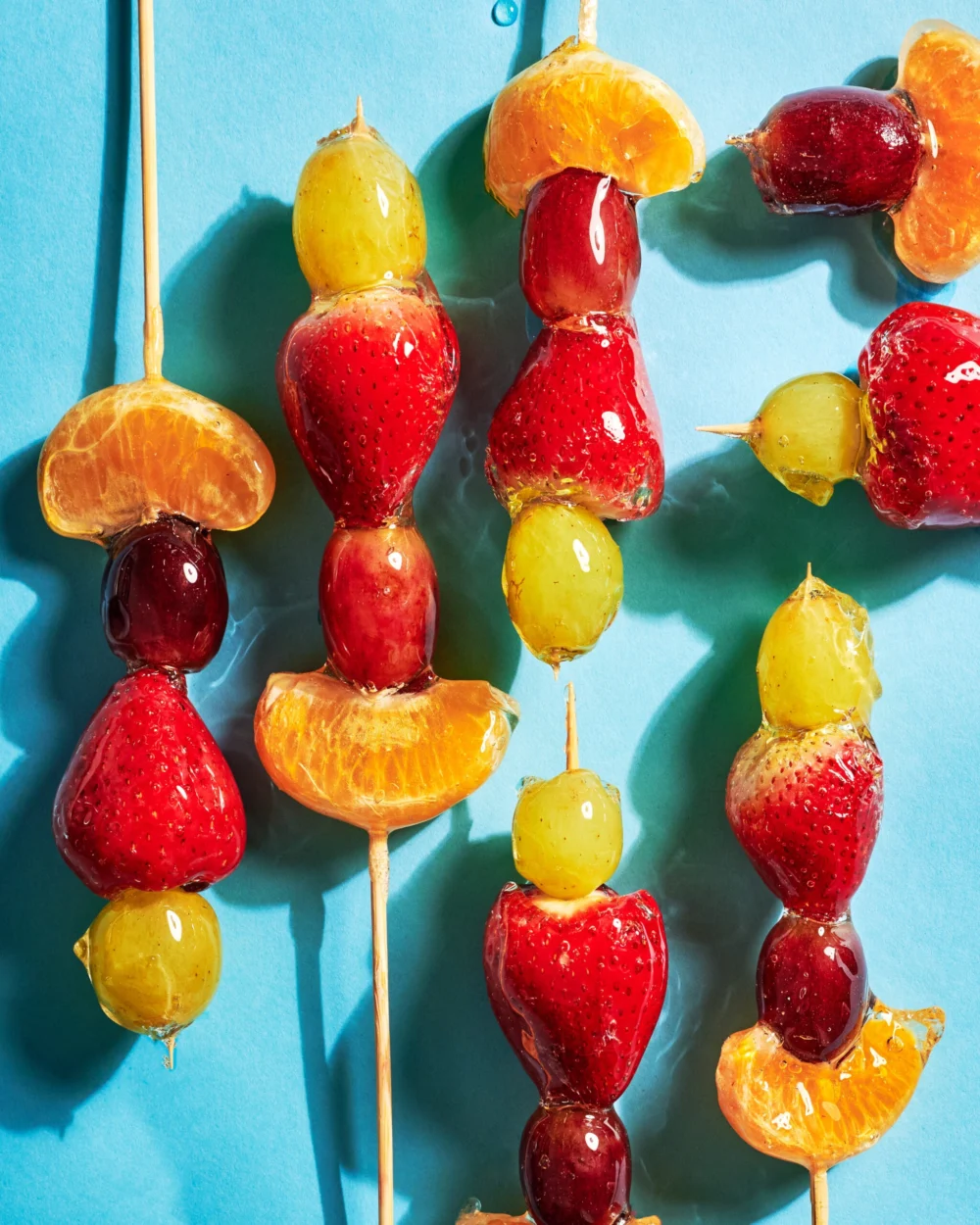
The creation of candied fruit, a practice steeped in centuries of culinary history, has experienced a resurgence, captivating home cooks and professional chefs alike. This intricate process, transforming humble fruits into glistening, jewel-like confections, involves a meticulous approach to sugar syrup preparation and careful fruit handling. The fundamental technique, as outlined in recent culinary demonstrations and shared across online platforms, involves threading fruits onto skewers, preparing a precise sugar syrup, and then artfully coating the fruit before a rapid cooling process. This method, while seemingly straightforward, requires attention to detail at every stage, from the selection and preparation of the fruit to the critical temperature control of the sugar solution.
The Foundation: Fruit Selection and Preparation
The initial step in crafting these delightful treats centers on the careful selection and preparation of the fruit. For optimal results, fruits with firm textures that can withstand the candying process are preferred. Strawberries, grapes, and mandarin segments are frequently cited as ideal choices, offering a delightful balance of sweetness and tartness that complements the hardened sugar shell. The process begins with threading 4-5 strawberries tightly onto a 12-inch skewer. The key is to pierce the fruit lengthwise through its center, ensuring a secure fit and a visually appealing presentation. Critically, about 5 inches of the skewer are left bare at the blunt end. This extension serves a dual purpose: it provides a comfortable handle for dipping and coating the fruit, and it prevents the sugary syrup from making direct contact with the user’s fingers during the delicate process. This methodical threading is then replicated for other chosen fruits, with grapes and mandarin segments being prepared on separate skewers, maintaining a consistent approach to fruit density and skewer utilization. The uniformity in preparation is crucial for even cooking and consistent texture in the final product.
The Alchemy of Sugar Syrup
The heart of the candying process lies in the creation of a perfectly calibrated sugar syrup. This stage demands precision, as the syrup’s temperature dictates the final texture of the candied coating. A large, deep bowl filled with ice water is positioned adjacent to the cooking station, along with a parchment-lined baking sheet. These are vital for the rapid cooling and setting of the candied fruit. The sugar and 1½ cups of water are brought to a boil in a wok or deep skillet, equipped with a candy thermometer. The initial stir is solely to dissolve the sugar; thereafter, the mixture is left to cook undisturbed. This uninterrupted boiling allows the sugar molecules to break down and reconfigure, leading to the desired viscosity and hardening properties. The target temperature is 300°F (approximately 149°C), often referred to as the "hard crack" stage. This temperature is critical; anything lower will result in a sticky, syrupy coating, while a higher temperature can lead to burning and an unpalatable, bitter taste. A reliable test for readiness is provided: a skewered piece of fruit is dipped into the syrup and then immediately submerged in the ice water. If the coating hardens into a brittle, lollipop-like shell that cracks when tapped, the syrup has reached its optimal temperature. Once this stage is achieved, the heat is promptly turned off, signifying the transition to the coating phase.
The Art of Coating and Setting
With the sugar syrup at the perfect temperature, the candying process moves to the crucial stage of coating. This requires swift and deliberate action. Holding a fruit skewer above the wok, the preparer carefully ladles the hot syrup over the fruit, rotating the skewer to ensure a complete and even coating on all sides. The goal is to create a thin, uniform shell that encases the fruit without being excessively thick or uneven. Immediately after coating, the skewered fruit is submerged in the prepared ice water bath for approximately 10-15 seconds. This rapid cooling is essential for setting the sugar shell, preventing it from becoming too thick or running. The skewer is then transferred to the parchment-lined baking sheet to dry slightly before serving. The parchment paper prevents the candied fruit from sticking to the baking surface. A critical consideration during this phase is the syrup’s viscosity. As the syrup cools, it naturally thickens. If it becomes too dense to coat the fruit effectively, the heat can be gently reactivated to a medium-low setting, with a brief stirring to thin it out to the desired consistency. This process is then repeated for all the prepared fruit skewers, ensuring each piece is transformed into a glistening confection. The final product is allowed to dry, developing its characteristic crisp shell.
Historical Context: From Preservation to Celebration
The practice of candying fruits is not a modern culinary invention but rather a historical technique rooted in the need for preservation. In eras before widespread refrigeration, sugar was a primary method for preserving fruits, extending their shelf life significantly. The high sugar concentration inhibits the growth of microorganisms, preventing spoilage. Ancient civilizations, including the Romans, are documented to have used honey and syrup to preserve fruits. Over time, this practical preservation method evolved into a sophisticated culinary art form, particularly in Europe. During the Middle Ages, sugar became more accessible, and elaborate candied fruits, often called "sugared fruits" or "comfits," became delicacies. They were used in elaborate desserts, as decorative elements, and as medicinal preparations. Different cultures developed their own unique approaches to candying, incorporating local fruits and spices. For instance, in Italy, candied fruits are integral to the iconic Panettone, a sweet bread enjoyed during the Christmas season. In France, confitures and fruits confits are highly prized. The technique of candying also played a role in the development of confectionery, paving the way for many of the sweet treats we enjoy today. The detailed steps outlined for modern candied fruit preparation echo these ancient methods, demonstrating the enduring principles of sugar preservation and transformation.
Supporting Data and Scientific Principles
The science behind candying fruit is rooted in the principles of osmosis and the physical properties of sugar solutions. When fruits are submerged in a high-sugar syrup, the concentration of water molecules outside the fruit is significantly lower than inside. Through osmosis, water moves from an area of high concentration (inside the fruit) to an area of low concentration (the sugar syrup), effectively drawing moisture out of the fruit. This dehydration process not only preserves the fruit but also contributes to its firmer texture. The formation of the hard candy shell is a result of supersaturation. As the sugar and water solution is heated, more sugar can dissolve than would be possible at room temperature. When this supersaturated solution cools rapidly, it solidifies into an amorphous glassy state, rather than forming crystalline structures. The rapid cooling in ice water is crucial for achieving this glassy, brittle texture. The specific temperature of 300°F (hard crack stage) ensures that the syrup has reached a low enough water content to solidify into a hard shell upon cooling, rather than remaining sticky (soft ball stage, ~235-245°F) or becoming burnt. The precise water-to-sugar ratio is also critical, influencing the final texture and setting point of the syrup.
Broader Impact and Culinary Implications
The technique of candying fruit extends far beyond simple home economics; it has significant implications for culinary arts and food innovation. Professionally, candied fruits are essential components in a wide array of desserts, including cakes, pastries, ice creams, and fruitcakes. Their vibrant colors and concentrated flavors add visual appeal and a burst of sweetness. The ability to candy a variety of fruits allows chefs to create unique flavor profiles and textures. Furthermore, the understanding of sugar syrup manipulation is fundamental to numerous confectionery techniques, including making caramels, nougats, and meringues. The resurgence of interest in traditional food preparation methods, like candying, can be attributed to several factors. There is a growing appreciation for artisanal and homemade foods, a desire to understand the origins of ingredients and processes, and an increasing trend towards visually appealing, Instagram-worthy culinary creations. Educational platforms, from cooking schools to online tutorials, are playing a vital role in disseminating these techniques to a wider audience. This accessibility empowers individuals to experiment with their own culinary creations, fostering a deeper connection with food. The principles learned in candying can be applied to other fruit preservation techniques, such as making fruit preserves and jams, further expanding the home cook’s repertoire.
Potential Challenges and Expert Insights
While the process of candying fruit can yield delightful results, it is not without its potential challenges. Achieving the perfect syrup temperature consistently can be difficult, especially without a reliable candy thermometer. Variations in ambient humidity can also affect the setting time and texture of the candied coating. Furthermore, the type and ripeness of the fruit can influence how well it holds up to the process. Overripe or very soft fruits may disintegrate during the dipping or cooling stages. Seasoned culinary professionals often emphasize the importance of practice and patience. "It’s a dance between heat and speed," commented a local pastry chef, who preferred to remain anonymous, when discussing the technique. "You need to be prepared, have everything in its place, and move with confidence. If your syrup cools too much, it’s a disaster. If you’re too slow, the fruit won’t coat properly." They also noted the importance of quality ingredients, stating that the sweetness and acidity of the fruit itself play a significant role in the final taste profile. For home cooks looking to master the technique, starting with firmer fruits like grapes and mandarins is often recommended before progressing to more delicate fruits like strawberries. Understanding the nuances of sugar crystallization and the impact of different sugar types can also elevate the candying experience.
The Future of Candied Delights
The enduring appeal of candied fruit lies in its ability to transform simple ingredients into something extraordinary. As culinary trends continue to evolve, the classic art of candying is likely to see further innovation. Chefs may explore novel fruit combinations, incorporate exotic spices into the sugar syrup, or experiment with different textures and finishes. The increasing focus on health and wellness might also inspire variations using alternative sweeteners or reduced sugar content, though this would necessitate adjustments to the traditional candying process. The fundamental principles, however, of precise temperature control and careful fruit preparation, are likely to remain constant. The ability to create these visually stunning and delicious confections offers a rewarding culinary experience, connecting modern cooks to a rich historical tradition. From its origins as a method of preservation to its current status as a gourmet delight, candied fruit continues to captivate palates and inspire culinary creativity worldwide. The detailed steps involved, from the careful threading of fruit to the precise manipulation of sugar syrup, underscore the blend of science and art that defines this timeless technique.