admin
admin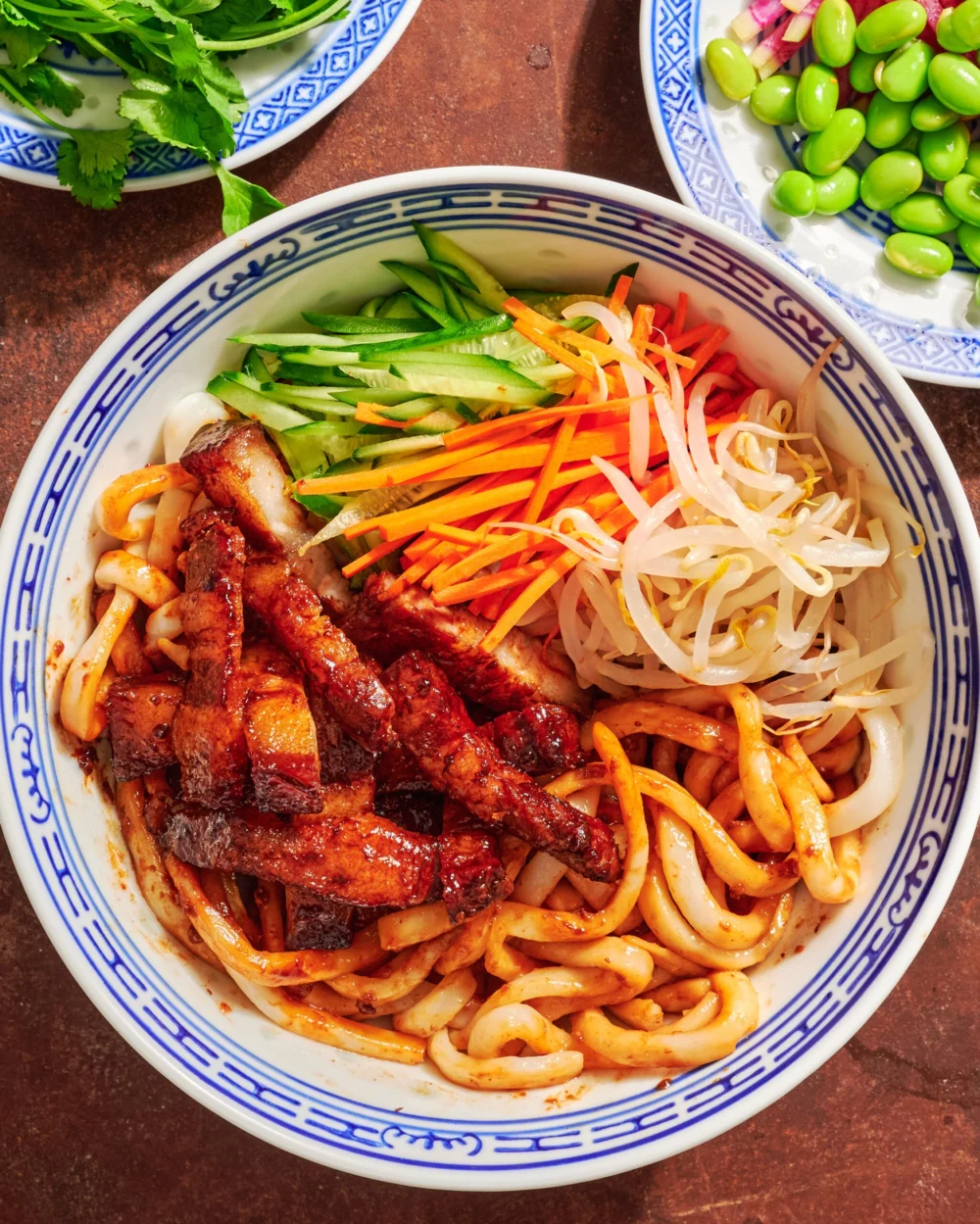
The creation of a truly exceptional dish is often a testament to meticulous technique, a symphony of carefully chosen ingredients, and a deep understanding of flavor profiles. This is precisely the case with a recent culinary exploration that has captivated food enthusiasts and professional chefs alike: a remarkably executed noodle preparation, the details of which reveal a sophisticated approach to both texture and taste. The process, broken down into six distinct steps, offers a window into the precision required to elevate humble ingredients into a gastronomic delight.
The Genesis of a Gastronomic Masterpiece
While the specific origin of this particular noodle preparation remains a subject of culinary lore, its foundational elements speak to a rich tradition of Asian cuisine. Noodle dishes, in their myriad forms, have been a staple across Asia for centuries, evolving with regional ingredients and cultural preferences. From the comforting simplicity of Japanese ramen to the vibrant spice of Thai pad see ew, noodles offer a versatile canvas for culinary artistry. This specific preparation, however, appears to draw inspiration from a more nuanced approach, focusing on achieving distinct textural contrasts and a balanced, deeply savory sauce. The techniques employed, such as blanching and shocking ingredients, are classic methods used to preserve vibrant color, crispness, and to halt cooking processes at the optimal moment, a hallmark of professional culinary training.
The initial stage of this culinary journey centers on the careful preparation of bean sprouts. The instructions detail bringing a large pot of water to a boil, a fundamental yet crucial step in many cooking processes. The immediate immersion of the bean sprouts into this scalding water, followed by a swift transfer to an ice water bath, is a technique known as blanching and shocking. This method serves a dual purpose: it slightly softens the sprouts, making them more palatable, while the rapid cooling in the ice bath immediately arrests the cooking process. This preserves their characteristic crispness and prevents them from becoming mushy, a common pitfall with this delicate vegetable. The replenishment of ice in the bowl further emphasizes the importance of maintaining a consistently low temperature, ensuring the sprouts are thoroughly chilled. This attention to detail at the outset sets the stage for the textural harmony that will define the final dish.
Mastering the Noodle: A Foundation of Texture
The second step shifts focus to the noodles themselves, the very heart of the dish. The instructions call for returning the water to a boil, a simple yet critical precursor to cooking the noodles to their ideal state. The emphasis on cooking "until tender, according to package instructions" highlights the importance of adhering to the specific characteristics of the chosen noodle variety. Overcooked noodles can become gummy and unappealing, while undercooked noodles lack the satisfying chew that is often desired. Once again, the blanching and shocking technique is employed, this time to cool the cooked noodles. This prevents them from clumping together and prepares them for their final presentation. Dividing the cooled noodles among four serving bowls signifies the intended portion size and the readiness for the subsequent flavor-building stages. This deliberate cooling process is not merely for convenience; it ensures that the hot sauce and other toppings will not overcook the noodles once assembled.
The Alchemy of the Sauce: Building Layers of Umami
The construction of the sauce, detailed in the third and fifth steps, is where the dish truly begins to develop its profound depth of flavor. Step three focuses on the initial amalgamation of key sauce components: soybean paste, soy sauce, and sweet flour paste, all brought together with a measured amount of water. The whisking until smooth and homogeneous is a crucial instruction, ensuring that the flavors will meld seamlessly and that the sauce will have a consistent texture. Soybean paste, a fermented product, provides a rich, savory, and slightly earthy foundation. Soy sauce, a ubiquitous condiment in Asian cuisine, adds salinity and another layer of umami. The inclusion of sweet flour paste (often a form of fermented bean paste with added sweetener) introduces a subtle sweetness that balances the savory elements, preventing the sauce from becoming one-dimensionally salty. The precise ratio of these ingredients, though not explicitly stated in terms of exact measurements for each, is implied by the instruction to achieve a smooth and homogeneous mixture. This suggests a carefully calibrated blend designed to achieve a specific flavor profile.
Step five then elevates this base sauce through a carefully controlled cooking process. Returning the wok to medium-high heat and adding oil signifies the commencement of the flavor infusion. The addition of the reserved soybean paste mixture and bringing it to a boil is a critical stage where the flavors begin to concentrate and meld. The subsequent reduction to medium-low heat and continuous stirring for approximately five minutes until the sauce thickens and darkens is a masterful technique. This slow simmering allows the water to evaporate, concentrating the flavors and creating a richer, more viscous sauce. The darkening of the sauce is a visual indicator of the Maillard reaction, a chemical process that occurs when amino acids and reducing sugars are heated, resulting in complex flavor compounds and a desirable browning. This slow reduction is paramount to developing the characteristic depth and intensity of a well-made sauce.
The Aromatic Foundation: Infusing the Wok
The fourth step introduces the aromatic elements and the protein, laying the groundwork for the savory heart of the dish. The use of a wok over medium-high heat, a quintessential tool in many Asian kitchens, allows for rapid and even cooking. The initial swirl of oil to coat the surface ensures that the aromatics will not stick and will cook efficiently. The addition of garlic, scallions, and ginger and their subsequent cooking until fragrant and lightly browned is a classic aromatic base. Garlic provides pungent depth, scallions offer a fresh, oniony bite, and ginger contributes a warming, zesty counterpoint. The brief cooking time of 1-2 minutes ensures that these aromatics release their essential oils without burning, which would impart a bitter flavor. The subsequent addition of pork and the instruction to cook until browned and nearly cooked through, followed by scraping into a separate bowl, indicates a staged cooking process. This allows the pork to develop a good sear and flavor before being reintroduced to the sauce, preventing it from becoming tough or overcooked during the final sauce reduction. The choice of pork, while not specified in terms of cut, likely suggests a cut that is flavorful and can withstand the cooking process, such as ground pork or thinly sliced pork belly.
The Grand Finale: Assembling the Culinary Tapestry
The culmination of this culinary endeavor lies in step six, the assembly of the dish. The instruction to spoon the pork and sauce evenly over the bowls of noodles signifies the distribution of the main flavor component. The addition of cucumbers, carrot, and the reserved bean sprouts introduces fresh, crisp elements that provide a delightful textural contrast to the rich sauce and tender noodles. Cucumbers offer a cool, watery crunch, while carrots contribute a subtle sweetness and a satisfying crispness. The reserved bean sprouts, having been perfectly blanched and shocked, provide their signature snap. The final garnishes of cilantro, edamame, and radish add further layers of flavor, color, and texture. Cilantro offers a bright, herbaceous note, edamame provides a slightly sweet, nutty bite and a pop of vibrant green, and radish contributes a peppery crispness and a visual flourish. The concluding instruction to serve hot or cold, mixing before eating, underscores the versatility of the dish and the importance of allowing the flavors to meld before consumption. This final act of mixing ensures that every bite is a harmonious blend of all the carefully prepared components.
Broader Implications and Culinary Significance
The meticulous nature of these instructions offers insight into the growing trend of elevated home cooking and the appreciation for restaurant-quality meals prepared in domestic settings. The techniques employed, such as blanching, shocking, and controlled sauce reduction, are standard practices in professional kitchens, demonstrating that a deep understanding of culinary science can be translated into accessible home cooking. This particular noodle preparation, with its emphasis on textural interplay and balanced flavor profiles, reflects a broader culinary movement towards dishes that are both comforting and sophisticated.
The success of such a recipe can be attributed to several factors. Firstly, the precise timing and temperature control are paramount. Deviations in these parameters can lead to suboptimal textures and compromised flavors. Secondly, the quality of the ingredients plays a significant role. Fresh, high-quality bean sprouts, good soy sauce, and flavorful pork will undoubtedly contribute to a superior outcome.
Furthermore, the increasing availability of specialty ingredients like soybean paste and sweet flour paste in many supermarkets has made these types of complex flavor profiles more accessible to home cooks. This accessibility democratizes culinary exploration, allowing individuals to recreate dishes that were once considered the exclusive domain of professional chefs.
The implications of such a detailed and well-executed recipe extend beyond the immediate enjoyment of the meal. It serves as an educational tool, demystifying complex cooking techniques and empowering individuals to experiment with new flavors and methods. It also highlights the enduring appeal of noodle dishes as a versatile and globally cherished culinary category. As consumers continue to seek out authentic and flavorful experiences, recipes that meticulously guide them through the creation of such dishes are likely to gain further prominence, fostering a deeper appreciation for the art and science of cooking. The journey from raw ingredients to a perfectly balanced noodle dish, as outlined in these steps, is a testament to the power of precision, patience, and a passion for creating delicious food.