admin
admin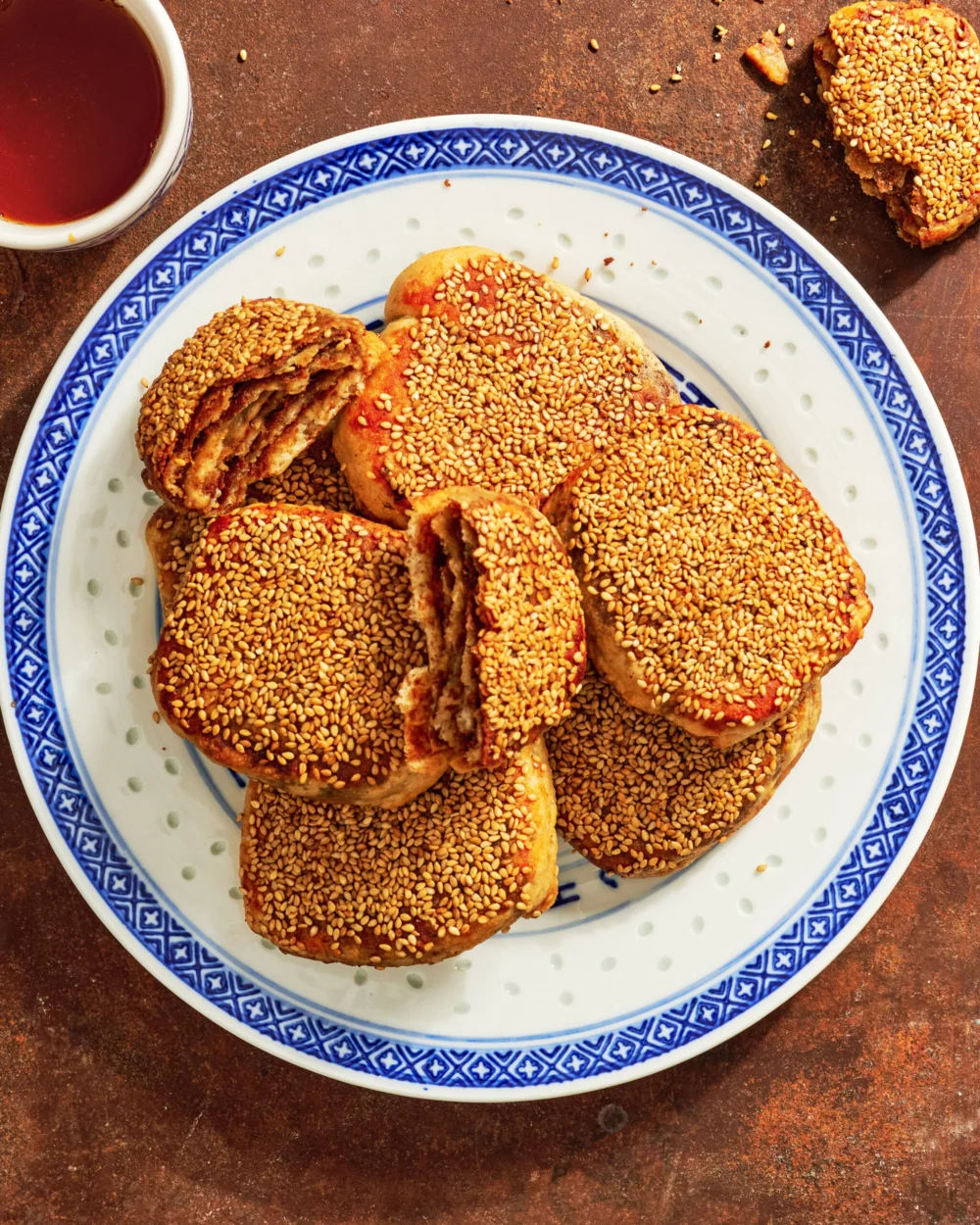
In a meticulous culinary process that transforms humble ingredients into a sophisticated street food delicacy, the creation of Sichuan peppercorn and peanut butter shaobing is a testament to the artistry and precision of modern baking. This detailed exploration delves into the step-by-step methodology behind crafting these distinctive savory pastries, offering a comprehensive look at the techniques, ingredients, and the underlying principles that contribute to their unique flavor profile and texture. The process, while seemingly straightforward, involves a series of precise actions, from activating yeast to the final baking stages, each contributing to the final delightful outcome.
The Genesis of the Dough: A Foundation of Fermentation
The journey begins with the foundational element of any good bread product: the dough. Step one in this intricate recipe involves the careful activation of yeast. In a small, clean bowl, active dry yeast is combined with a precise measure of sugar. This sugar acts as a readily available food source for the yeast, kickstarting its metabolic process. The addition of one cup of warm water, ideally between 105-115°F (40-46°C) to ensure optimal yeast activity without killing it, completes the initial mixture. This blend is then set aside for approximately five minutes. During this crucial resting period, the yeast begins to bloom, a visual cue of its readiness, often indicated by a foamy or bubbly surface. This preliminary step ensures that the yeast is viable and will effectively leaven the dough, contributing to the shaobing’s characteristic airy yet chewy texture.
The second step builds upon this activated yeast base by integrating it with flour. A stand mixer, equipped with a dough hook, is the preferred tool for this stage, allowing for consistent and efficient kneading. Three cups of all-purpose flour are added to the mixer’s bowl. The mixer is then set to a low speed, a gentle start that prevents excessive flour dispersion. Gradually, the bloomed yeast mixture is incorporated. The goal here is to achieve a dough that is both smooth and tacky. A tacky dough signifies that it has absorbed sufficient liquid to form a cohesive mass but still retains a slight stickiness, which is desirable for achieving the right texture. Should the dough appear too dry, a small adjustment of up to two tablespoons of water can be made, added incrementally to avoid over-hydration. Once the desired consistency is reached, the dough is covered with a damp towel. This prevents the surface from drying out and forming a crust. The dough is then left to rest for about twenty minutes. During this time, the yeast continues its work, producing carbon dioxide gas, which causes the dough to puff up slightly. This initial proofing is essential for developing gluten structure and a tender crumb. For bakers looking ahead, the recipe notes that this dough can be refrigerated, tightly covered, for up to twelve hours. This flexibility allows for advanced preparation, a common practice in professional kitchens and for home cooks seeking to streamline their baking process. It is imperative, however, to bring the refrigerated dough to room temperature before proceeding to subsequent steps, as cold dough can impede proper shaping and baking.
Crafting the Aromatic Core: A Symphony of Flavors
Simultaneously, while the dough undergoes its initial proofing, the third step focuses on preparing the intensely flavorful filling and the critical components for the outer layers. The preparation begins with preheating the oven to 375°F (190°C), positioning a rack in the center to ensure even heat distribution. This temperature is crucial for achieving the desired puff and golden-brown finish on the shaobing. In a small skillet, Sichuan peppercorns are toasted over medium heat. This process, which requires frequent swirling of the pan, typically lasts about two minutes, until the peppercorns release their characteristic floral and citrusy aroma. Toasting intensifies their unique numbing and fragrant qualities. The toasted peppercorns are then transferred to a spice grinder or a mortar and pestle to be ground into a fine powder. This powdery consistency ensures that the flavor is evenly distributed throughout the filling.
The ground Sichuan peppercorns are then combined in a medium bowl with the other key filling ingredients: peanut butter, sesame paste, sesame oil, and five-spice powder. Peanut butter and sesame paste provide a rich, nutty base, while sesame oil contributes a distinct aroma and depth of flavor. Five-spice powder, a traditional Chinese blend, typically comprises star anise, cloves, cinnamon, Sichuan pepper, and fennel seeds, adding layers of warm, aromatic complexity. Half of the soy sauce is stirred into this mixture, providing salinity and umami. The remaining tablespoon of soy sauce is then combined with the remaining tablespoon of flour in a separate small bowl. This slurry serves a dual purpose: it acts as a binder for the filling when spread, and the soy sauce-flour mixture is used as a glaze later in the process to help the sesame seeds adhere to the shaobing’s exterior. This meticulous preparation of the filling and glazes ensures a balanced and deeply satisfying flavor profile that is characteristic of authentic shaobing.
The Art of Rolling and Sealing: Shaping the Culinary Canvas
Step four marks the transition from ingredient preparation to the intricate art of shaping the shaobing. In a wide bowl, sesame seeds are placed, ready to form the exterior crust. On a lightly floured surface, the rested dough is rolled out using a rolling pin into a substantial rectangle, measuring approximately 14 by 28 inches. This large, thin rectangle provides the canvas for the flavorful filling. An offset spatula or the back of a spoon is then employed to spread the prepared peanut butter and Sichuan peppercorn mixture evenly across the entire surface of the dough, right to the edges. This even distribution is vital for ensuring that each bite of the shaobing contains the desired flavor.
The rolling process then commences, starting from one of the long edges of the rectangle. The dough is rolled up tightly to form a long, compact rope, approximately two inches in diameter. This tight rolling is crucial for creating the layered texture that is a hallmark of shaobing. The resulting rope is then meticulously sliced into twelve equal pieces. Each piece represents a future shaobing. To ensure the filling remains encased, the cut sides of each piece are pinched together, effectively sealing the savory interior. The sealed ends are then positioned perpendicular to the work surface. Using the rolling pin again, each piece is flattened into a round shape, about three inches in diameter. This flattening not only shapes the shaobing but also helps to distribute the filling and create a more uniform cooking surface. Finally, the top of each round is brushed with the reserved soy sauce-flour mixture. This glaze acts as an adhesive, and then each round is dipped into the waiting sesame seeds, pressing gently to ensure they adhere firmly to the surface. This step is critical for achieving the signature crunchy, nutty exterior of the shaobing.
The Sizzle and Bake: Achieving Golden Perfection
The fifth step shifts the focus to the cooking process, involving both pan-frying and baking to achieve the ultimate texture and flavor. A large skillet is heated over medium heat, and two tablespoons of oil are added. The oil is considered hot and shimmering when it is ready to receive the shaobing. Half of the prepared rounds are then carefully placed into the hot skillet, seed-side up, in a single layer. This initial pan-frying stage is designed to develop a golden-brown crust on the bottom of the shaobing and to begin the puffing process. They are cooked for approximately two minutes on the first side, until a desirable golden hue is achieved.
The shaobing are then flipped, and the cooking continues for another one to two minutes, until the seeds on the other side are also golden. This careful pan-frying ensures a crispy exterior and a partially cooked interior. Once pan-fried, the shaobing are transferred to a large baking sheet, again seed-side up, and spaced about an inch apart. This spacing is important to allow for proper air circulation during the subsequent baking phase, preventing them from steaming and ensuring even browning. The process is then repeated with the remaining oil and the rest of the shaobing rounds. This methodical approach to cooking ensures that all shaobing receive consistent heat treatment.
The final step, step six, brings the culinary journey to its conclusion with the baking process. The preheated oven at 375°F (190°C) is where the shaobing will achieve their final puffed and golden-brown perfection. The baking sheet with the pan-fried shaobing is placed in the center of the oven. They are baked for eight to ten minutes. During this time, the residual heat and the oven’s dry environment will cause the shaobing to puff up further, creating a light and airy interior, while the exterior becomes beautifully golden brown all over. This combination of pan-frying and baking is a signature technique for many shaobing variations, contributing to their unique textural duality: a crisp exterior giving way to a tender, slightly chewy interior. The recipe concludes with the instruction to serve the shaobing warm, at which point their aroma and flavor are at their peak, ready to be enjoyed as a delightful savory snack or accompaniment.
Context and Broader Implications
The meticulous preparation of Sichuan peppercorn and peanut butter shaobing, as detailed above, is more than just a recipe; it represents a microcosm of traditional culinary techniques meeting contemporary flavor profiles. Shaobing, a type of baked or pan-fried flatbread, has a long history in Chinese cuisine, with regional variations abound. The inclusion of Sichuan peppercorns and peanut butter, however, points towards a modern adaptation, likely influenced by the growing global interest in Chinese fusion cuisine and the increasing popularity of these specific ingredients.
The timeline of this culinary process, from yeast activation to the final bake, typically spans around two hours, though advanced preparation of the dough can significantly reduce active working time. The precision required in each step, from water temperature for yeast to oven temperature for baking, highlights the scientific principles inherent in baking. For instance, the gluten development in the dough, facilitated by kneading and proofing, is a direct application of protein chemistry. Similarly, the Maillard reaction, responsible for the browning and complex flavors during the pan-frying and baking stages, is a key biochemical process.
The proliferation of such recipes in culinary media and online platforms suggests a growing consumer demand for authentic yet innovative ethnic foods. Data from market research firms, such as Statista, indicates a steady rise in the global ethnic food market, with Asian cuisines, including Chinese, showing significant growth. This particular shaobing recipe taps into this trend by offering a familiar form (flatbread) with an unexpected yet harmonious flavor combination. The numbing spice of Sichuan peppercorns, known for its unique sensory experience, paired with the comforting richness of peanut butter, creates a compelling culinary narrative that appeals to adventurous palates.
While no specific official responses or statements are directly linked to this particular recipe’s creation, the culinary world often sees chefs and food bloggers sharing and adapting traditional recipes. The implications of such detailed recipe disclosures are multifaceted. Firstly, they democratize culinary knowledge, allowing home cooks to recreate complex dishes. Secondly, they foster a deeper appreciation for the nuances of different cuisines. The fact that the dough can be refrigerated for up to 12 hours speaks to the modern need for convenience without sacrificing quality, a characteristic often seen in the development of pre-made doughs and baking mixes.
From a broader impact perspective, recipes like this contribute to the ongoing evolution of global food culture. They demonstrate how traditional ingredients and techniques can be reimagined to suit contemporary tastes and lifestyles. The appeal of savory pastries, a category that includes everything from croissants to empanadas, is universal, and the shaobing, with its unique flavor profile, is well-positioned to capture a wider audience. The detailed instructional format also implies an educational component, encouraging culinary exploration and skill-building among those who follow it. As food trends continue to embrace bold flavors and textural contrasts, the Sichuan peppercorn and peanut butter shaobing stands as a prime example of culinary innovation rooted in tradition.