admin
admin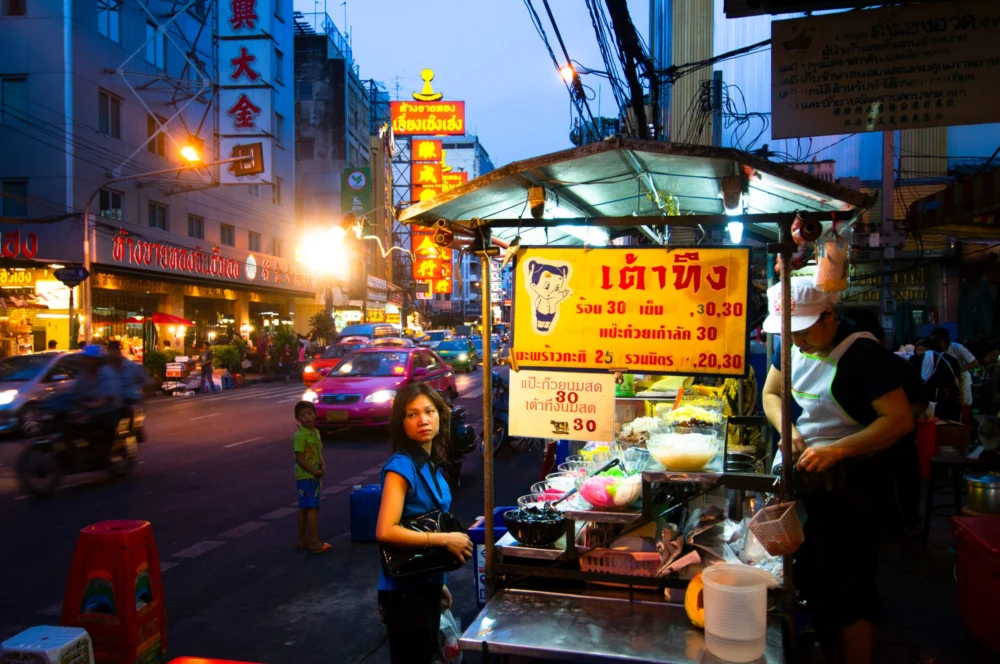
When the author first arrived in Bangkok in 1999, the sprawling metropolis was primarily viewed by international travelers as a transient stopover. Backpackers would often spend a night or two before continuing their journeys to the country’s famed islands or the northern regions. Fast forward nearly three decades, and Bangkok has undergone a profound transformation, solidifying its position as a premier global destination. For several consecutive years, it has ranked among the world’s most visited cities, attracting a growing number of travelers who choose to extend their stays or establish roots. The city that once presented itself as a vast, smog-choked, and chaotic urban expanse has evolved significantly. Today, Bangkok boasts an expansive and remarkably efficient public transportation system, alongside world-class museums and cultural institutions, reflecting its burgeoning sophistication.
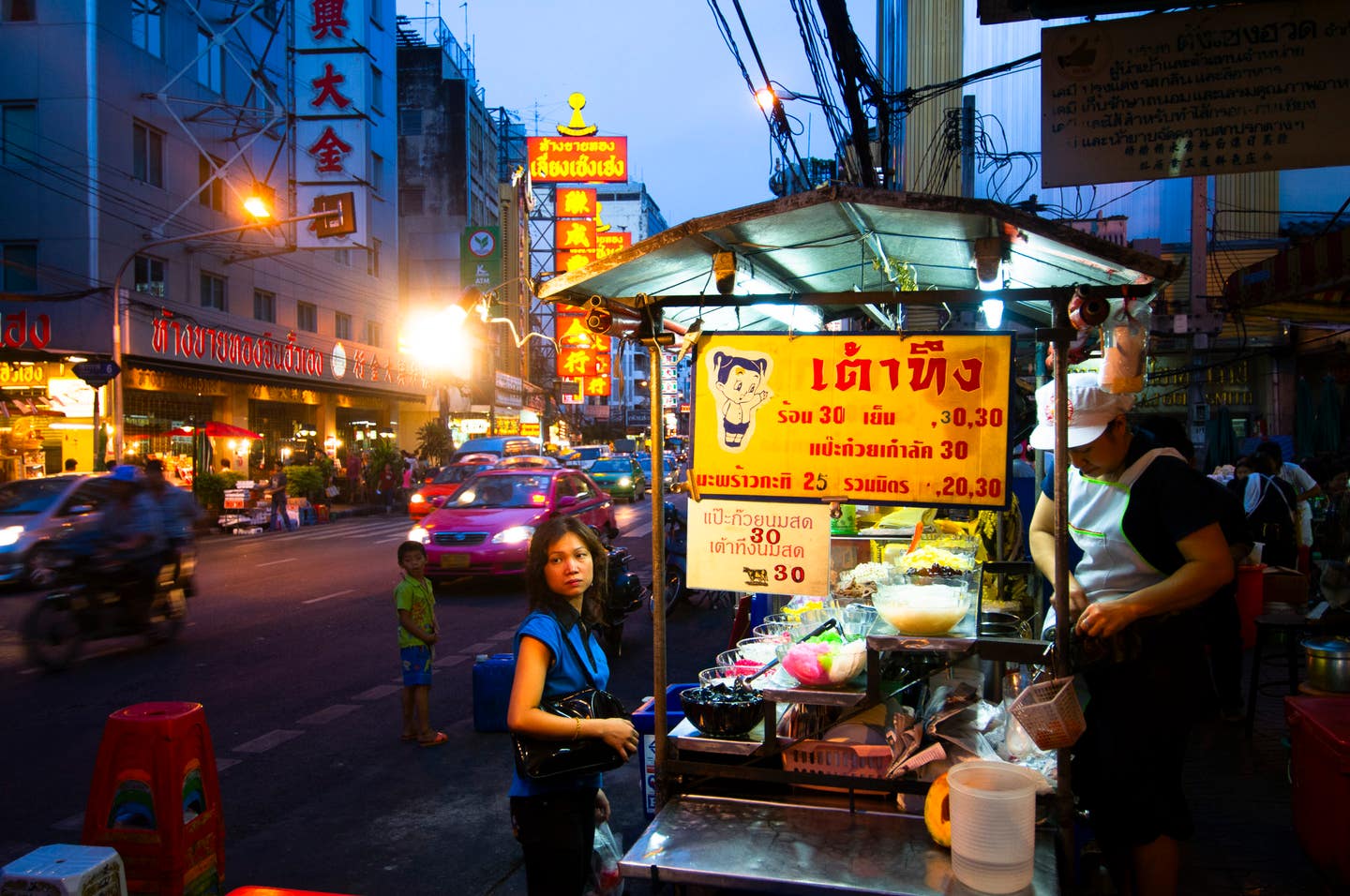
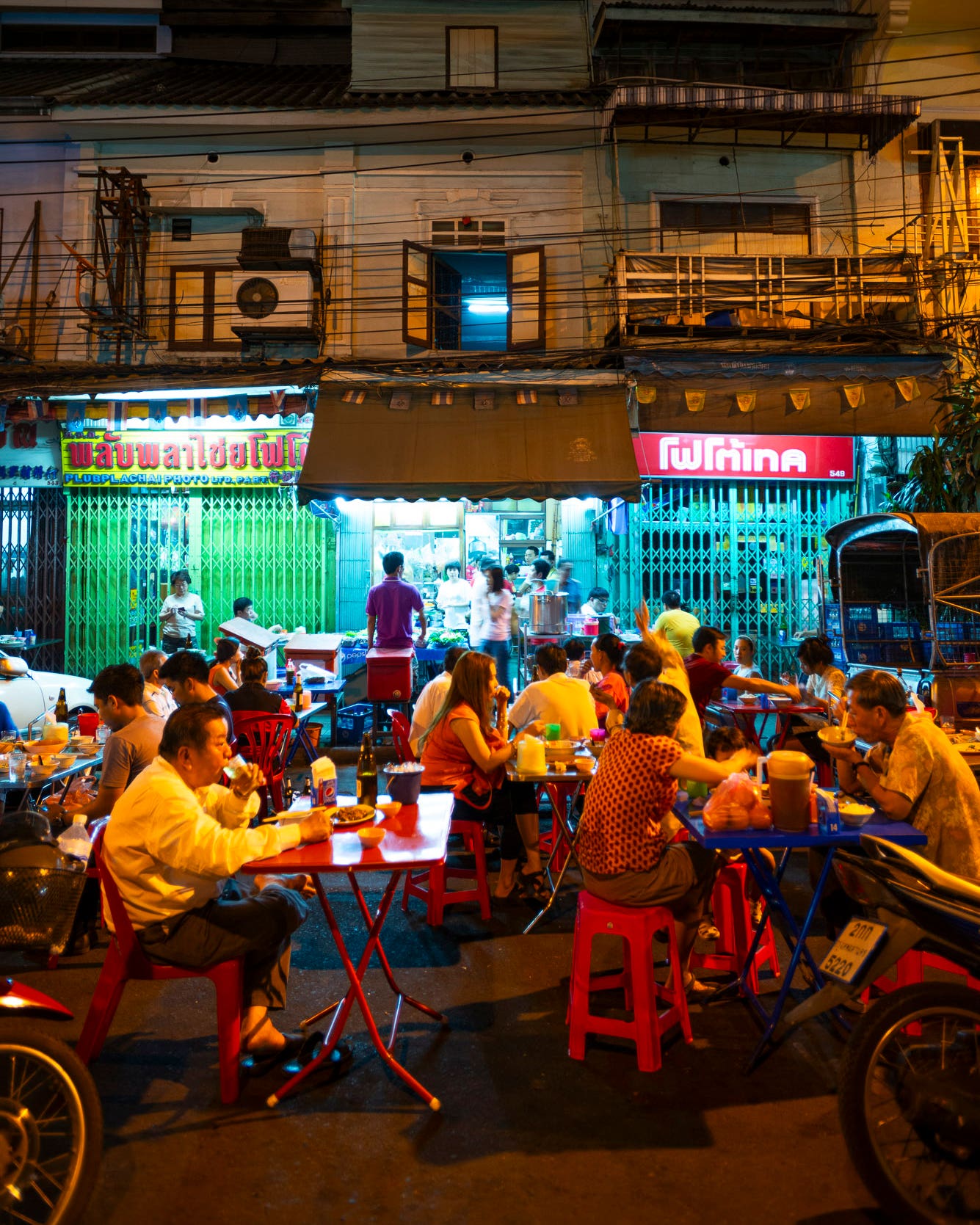
The culinary landscape of Bangkok has also witnessed a dramatic evolution. While the city’s signature scent of intermingled exhaust fumes, fragrant herbs, and aromatic spices emanating from countless noodle carts and curry stalls remains, the dining scene has diversified exponentially. This expansion is a direct reflection of Bangkok’s growing middle class and their increasingly diverse palates. While street food continues to capture the imagination of Western media, the reality of dining in this metropolis of over 10 million people is far more multifaceted. In contemporary Bangkok, air-conditioned shopping malls now rival street stalls in popularity among locals. High-concept restaurants are frequently featured on social media platforms like TikTok, and the presence of Michelin-starred establishments has become an integral part of the city’s gastronomic fabric.

This article aims to provide a guide to eateries that reconnect with Bangkok’s deep culinary heritage, while also acknowledging innovative approaches to its food traditions. The selection includes establishments ranging from a celebrated Michelin-starred restaurant to a time-tested noodle shack, a charming eatery housed in a 19th-century home, and enduring family-run businesses that have been serving the community for generations. These are the places that continue to evoke the distinct aromas first encountered by the author decades ago, alongside those that are thoughtfully and deliciously reshaping the city’s culinary identity.
A Deep Dive into Bangkok’s Culinary Roots and Modern Innovations
Kuaytiaw Khua Kai Suan Mali: A Wok-Fried Icon
The dish that arguably best encapsulates Bangkok’s culinary spirit is kuaytiaw khua kai. This is a stir-fry of wide rice noodles with chicken, preserved squid, and egg. The dish’s origins are distinctly Chinese, a testament to the significant influence of Chinese culture on Bangkok, with an estimated 40 percent of the city’s residents tracing their ancestry to China. While the ingredients and cooking techniques are Chinese in origin, kuaytiaw khua kai is believed to have been invented in Bangkok and is relatively uncommon outside the capital. The stall specializing in this dish, often found down a nondescript alleyway, prepares it using the traditional method: wok-fried over charcoal coals with lard. The experience of dining here – amidst the billowing wok smoke, the simple plastic stools, and the palpable heat – offers a quintessential Bangkok culinary adventure.

Aksorn: Reimagining Ancient Thai Flavors
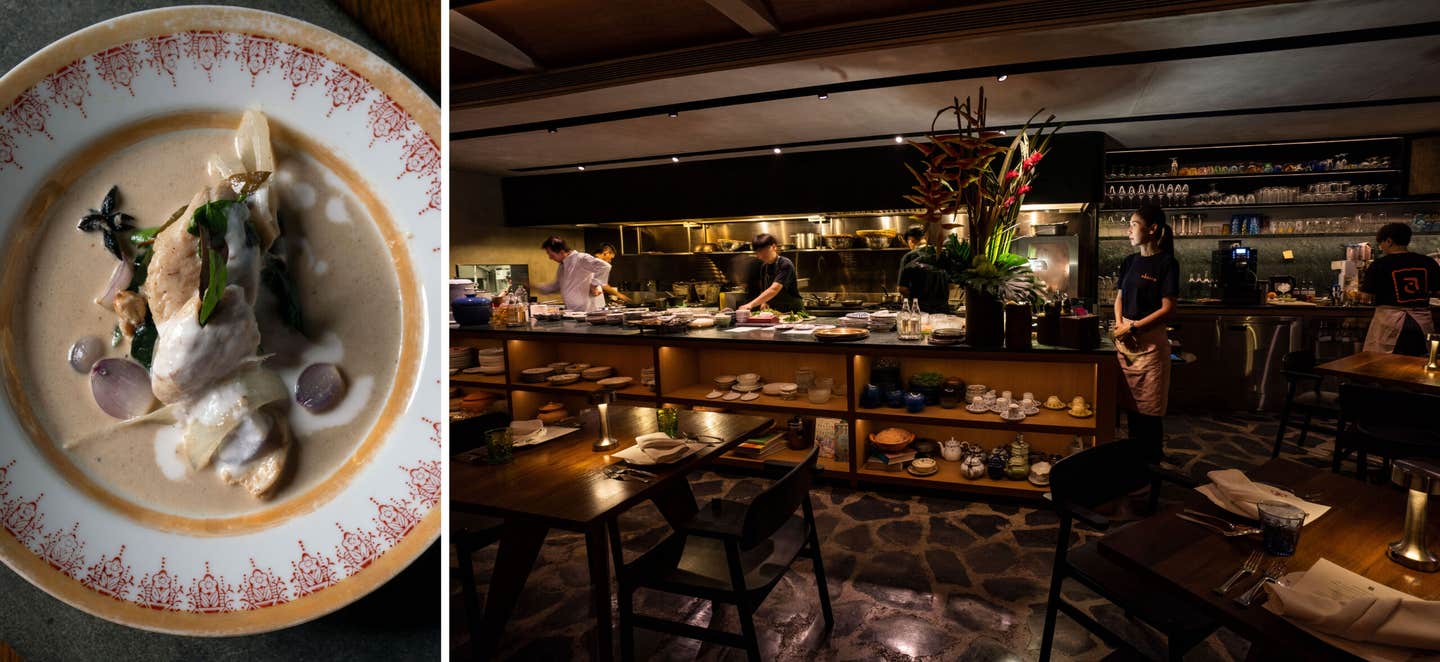
Fine dining is experiencing a significant resurgence in Bangkok, and Aksorn stands as a prime example of this trend. Despite its upscale positioning, the restaurant cultivates a remarkably homey atmosphere, largely due to its family-style service and the use of delicate, floral-themed crockery. Helmed by Australian chef and cookbook author David Thompson, Aksorn delves into historical Thai cookbooks, unearthing recipes that had faded from common practice. The menu features dishes such as Chinese ash gourd steamed with salted fish and pork, or a relish crafted from cashews and santol, a sweet, pulpy fruit akin to mangosteen. The flavors presented at Aksorn are often more subtle in heat and complexity than those typically found in other Bangkok eateries, prompting diners to reconsider their preconceived notions of Thai cuisine.
Amin Chicken & Mutton Biryani: A Taste of Thai Muslim Heritage
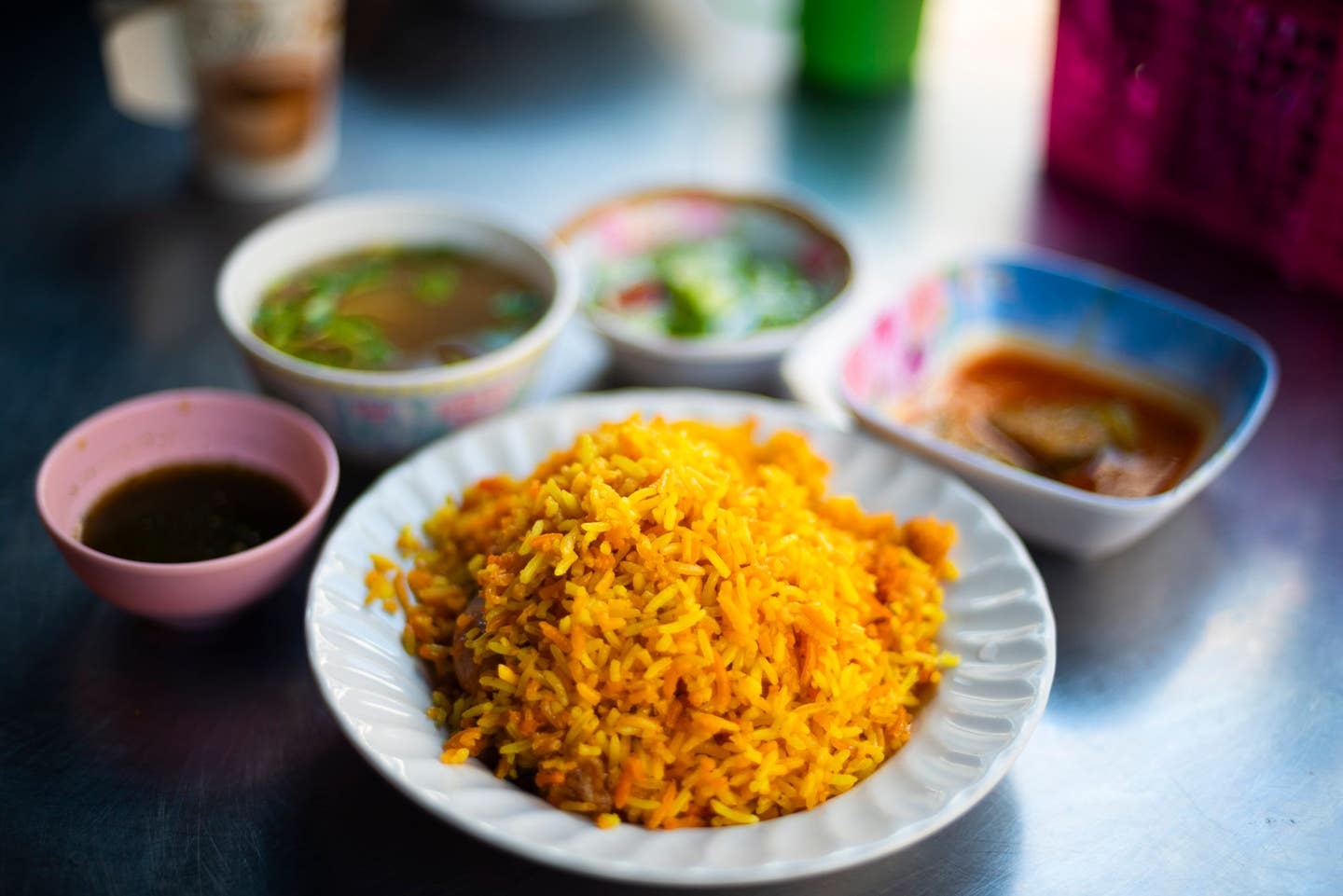
Thai Muslims form a vital and flavorful segment of Bangkok’s culinary tapestry, with biryani being as ubiquitous as a bowl of noodles. Amin Chicken & Mutton Biryani is a testament to this enduring tradition. The proprietor, Amin, formerly worked at Muslim Restaurant, one of the city’s oldest establishments. Following its closure in 2020, Amin relocated his culinary expertise and cherished recipes to a street corner a few blocks away. The mutton biryani, often prepared with goat meat, is a signature dish. It presents as a generous mound of golden rice, concealing tender pieces of meat, and is typically served with a mild eggplant curry and a sweet, fragrant mint sauce. This establishment provides a delicious window into the rich culinary heritage of Bangkok’s Muslim community.
Khun Yah Cuisine: A Temple of Traditional Curries
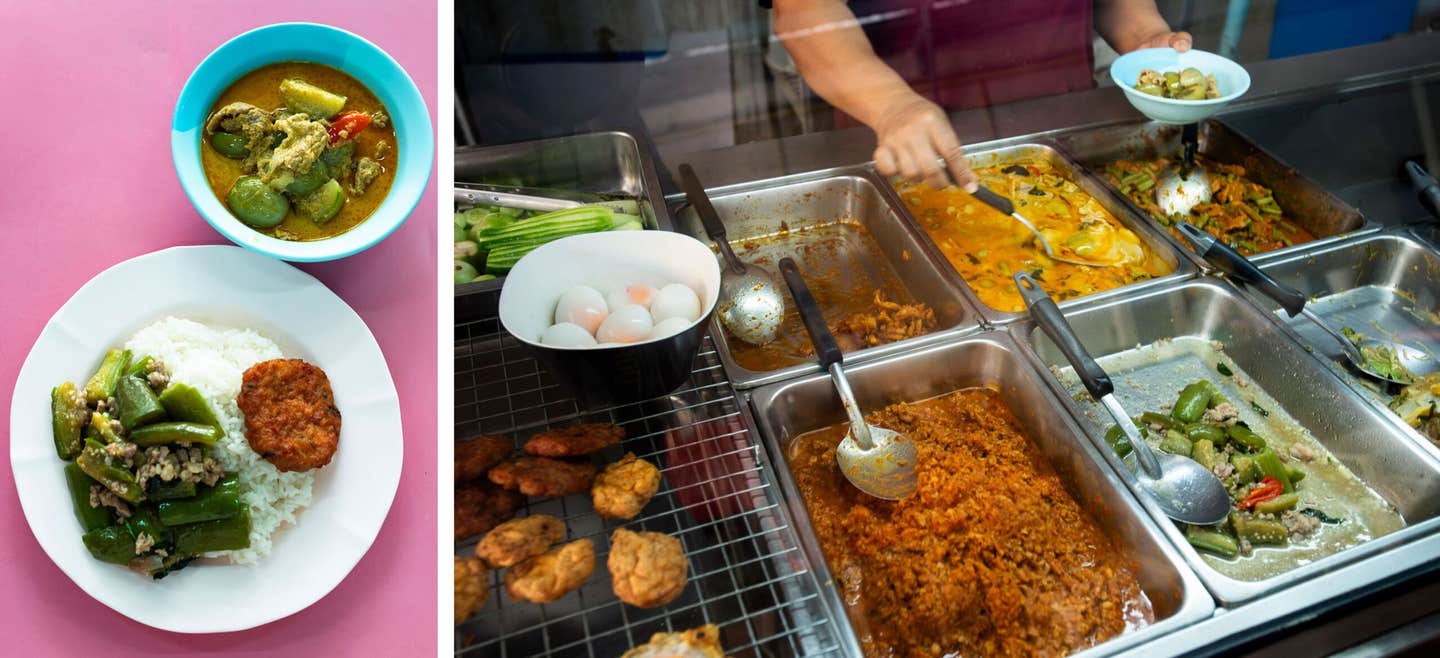
Tucked away within the serene grounds of a Buddhist temple, Khun Yah Cuisine represents one of the diminishing number of traditional Bangkok-style curry stalls. The dining format is refreshingly straightforward: a vibrant display of pre-prepared curries, stir-fries, soups, and Thai dips served from stainless steel bowls and trays. Diners select their preferred dishes, which are then expertly ladled over a plate of rice. Popular choices include a pleasantly mild green curry with beef and a fragrant, crispy deep-fried pork. The key to experiencing the best of Khun Yah Cuisine is to arrive early, ideally before 11 a.m., as popular items often sell out quickly. It offers an exceptional breakfast experience, steeped in local tradition.
Ann Tha Din Daeng: A Seafood Gem in Thonburi
Bangkokians have a profound appreciation for seafood, often served in bustling, brightly lit restaurants. For a more intimate dining experience, a journey across the Chao Phraya River to Thonburi reveals Ann Tha Din Daeng, a diminutive yet exceptional shophouse restaurant managed by a dedicated woman. The menu, though brief, is filled with culinary delights. A standout dish is the generous lumps of crab, wok-seared with garlic, long beans, makrut lime leaves, and mild peppers – a preparation unique to Bangkok. This establishment offers a more personal and refined approach to enjoying the city’s abundant seafood.
Som Tam Jay So: The Spicy Heart of Isan Cuisine
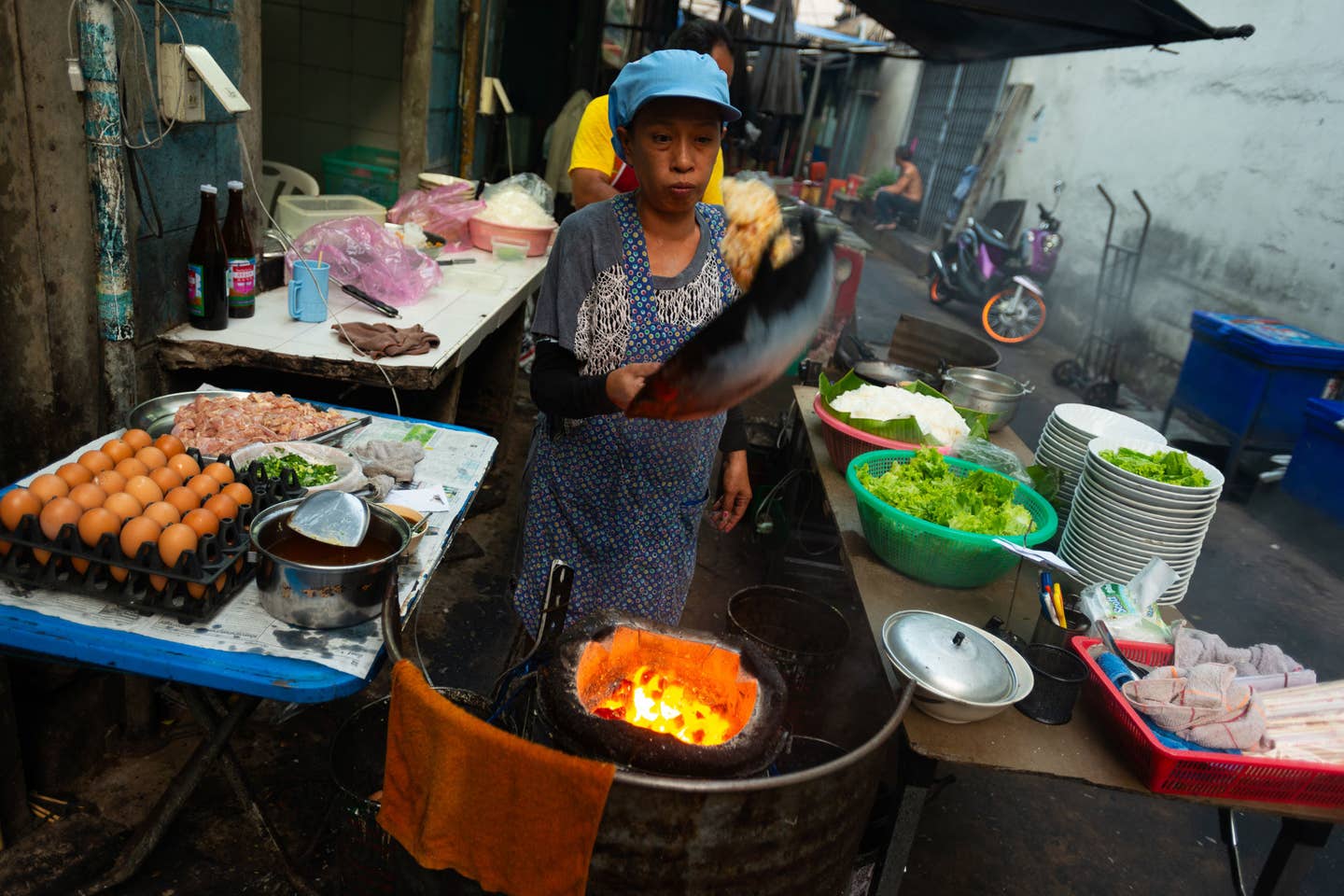
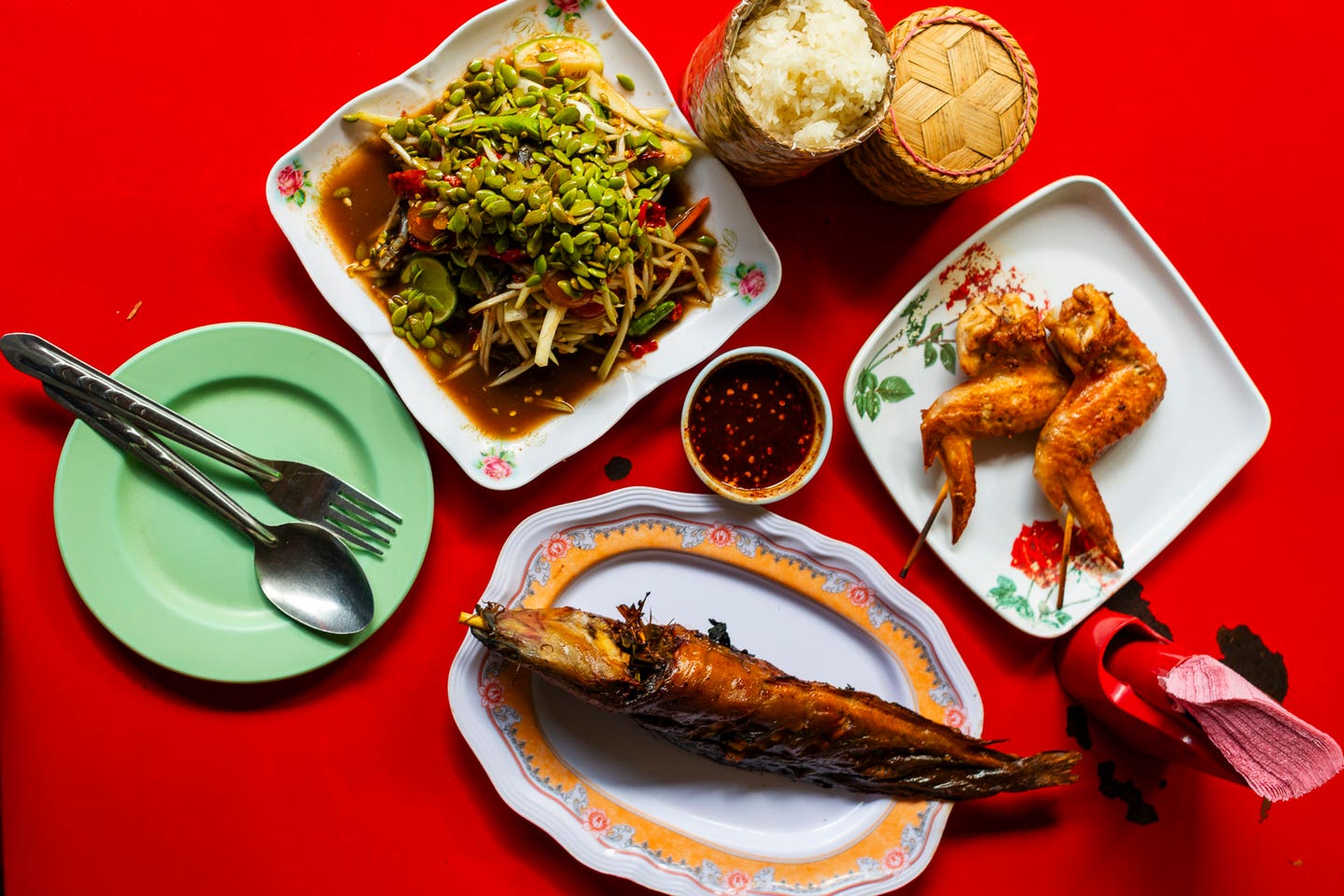
The 1980s and 1990s saw a significant migration of rural northeastern Thais to Bangkok in search of employment. This demographic shift profoundly impacted the city’s food scene, with stalls and restaurants specializing in the robust and often fiery cuisine of Isan becoming integral. Som Tam Jay So, a humble shack located at the edge of Bangkok’s financial district, embodies this genre. The som tam, a tart, spicy, and pungent salad of green papaya strips pounded with chilies, lime juice, and fish sauce, is a must-try. The establishment also excels in grilled smoky chicken wings and herbaceous catfish, offering an authentic taste of Northeastern Thai flavors.
Toy Kuay Teow Ruea: The Legacy of Boat Noodles
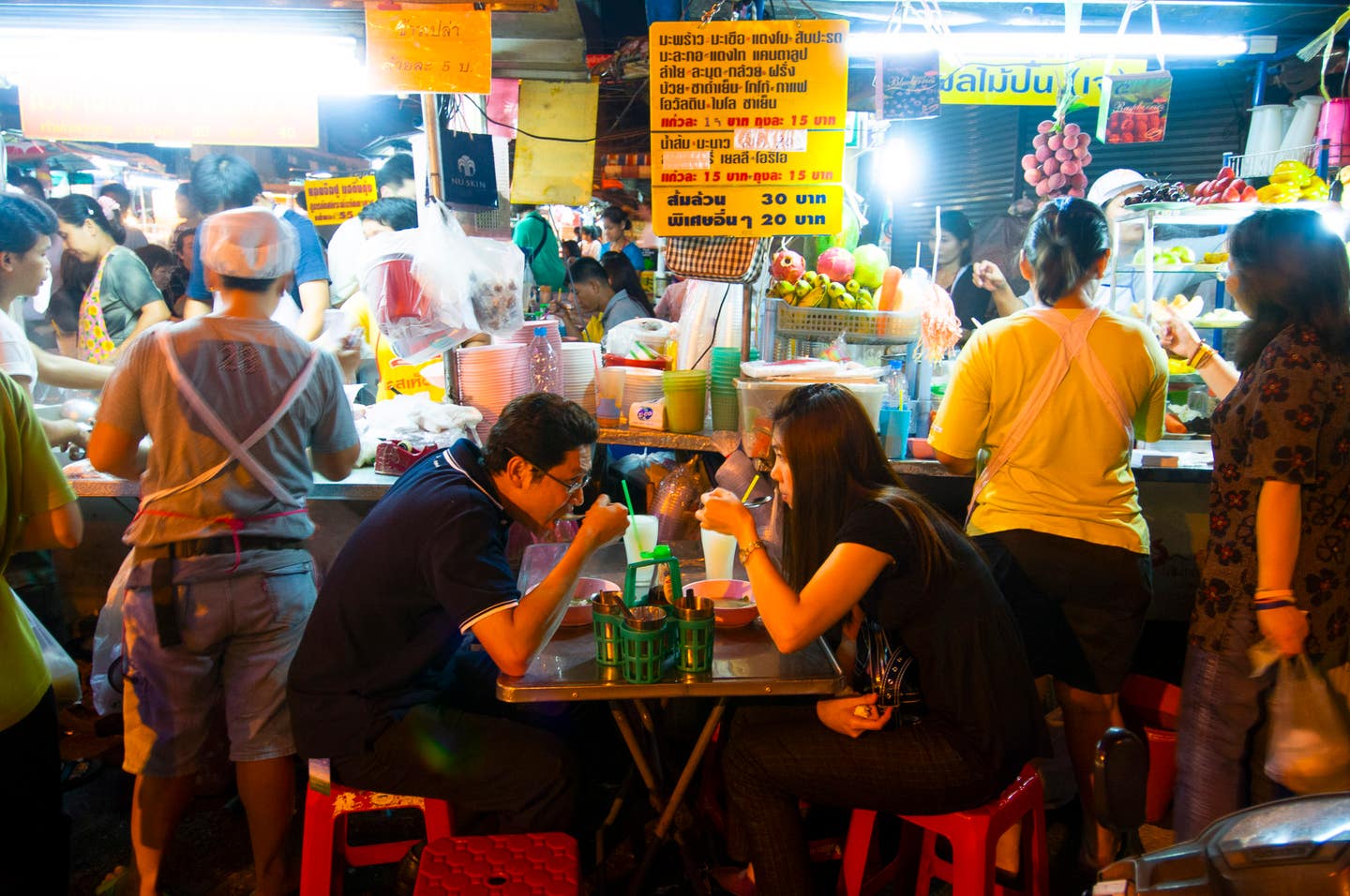
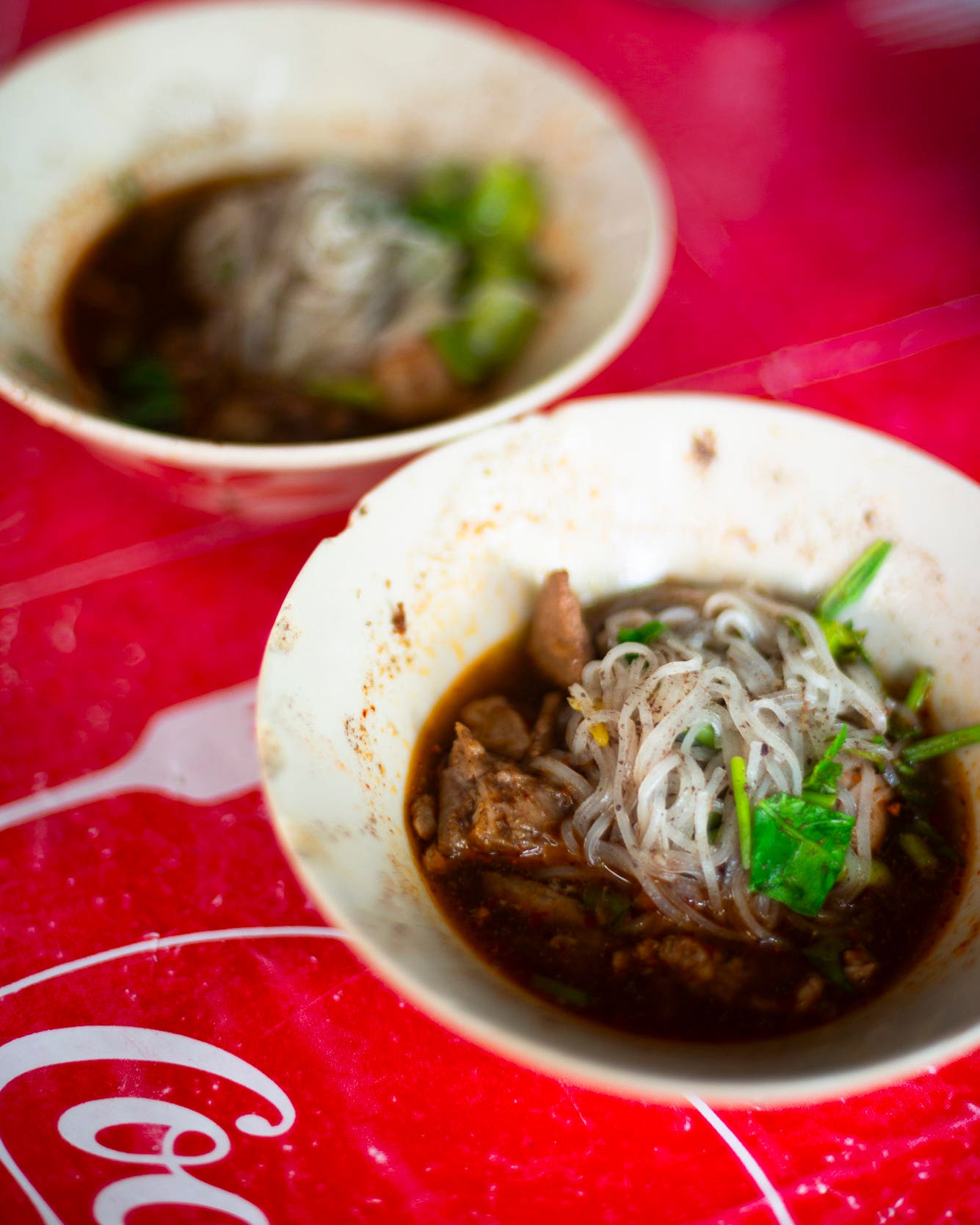
The canals north of Bangkok’s Victory Monument are historically associated with kuaytiaw ruea, or "boat noodles." This dish features a dark, intense, and aromatic broth with a choice of pork or beef, parboiled greens, rice noodles, and a dash of pork blood. Traditionally served from small boats navigating Bangkok’s waterways, the tradition continues today at establishments like Toy Kuay Teow Ruea, where semi-open-air stalls serve these flavorful bowls. The small portions, often costing as little as 15 baht ($0.48 USD), allow diners to sample multiple varieties. A sweet coconut cream dessert, steamed in tiny ceramic dishes, provides a delightful conclusion to the meal.
Khao Tom 100 Pi: A Century of Chinese-Thai Comfort Food
Bangkok’s identity is deeply intertwined with its Chinese heritage, a connection vividly reflected in its cuisine. Khao Tom 100 Pi, a beloved Chinese-style restaurant, exemplifies this fusion. This semi-open-air kitchen features a few wok burners and an array of fresh ingredients displayed in trays. Diners select their preferred meats, seafood, and vegetables, which are then expertly stir-fried to order and served alongside a comforting bowl of soupy rice. The restaurant, reputedly a century old, is renowned for its savory minced pork stir-fried with Chinese olives and a spicy, tart dried fish salad, dishes that have been local favorites for generations.
Ban Wannakovit: An Authentic Taste of Thai Home Cooking
For those seeking an authentic Thai home-cooking experience, Ban Wannakovit offers an unparalleled opportunity. The restaurant is housed in a beautiful 19th-century Rattanakosin-style mansion, providing an elegant setting. More importantly, it serves rare and disappearing dishes specific to Bangkok and Central Thailand. These include rice tossed with shrimp paste and garnished with green mango, thin strips of omelet, and pork braised in palm sugar. On hot days, the thin rice noodles drizzled with coconut milk, topped with fish balls, dried shrimp, and pineapple slices, offer a refreshing and authentic culinary experience.
Hua Hin Photchana: Echoes of Historical "Cookshops"
The concept of "cookshops," where Bangkokians traditionally sought out foreign cuisine, dates back to the 1920s. These establishments, often run by Hainanese cooks, served dishes like braised beef tongue, pork chops, and beef salad, with influences from British cuisine. While cookshops are now rare, their cross-cultural legacy endures at places like Hua Hin Photchana. This decades-old restaurant offers braised beef tongue alongside traditional Chinese dishes, including a crispy oyster omelet and pork liver flash-fried with garlic and pepper, showcasing a unique culinary heritage.
Yen Ta Fo JC: A Beloved Noodle Bowl
No culinary exploration of Bangkok would be complete without indulging in its myriad noodle dishes. Yen ta fo, a popular bowl featuring rice noodles, crisp greens, and a selection of pork, shrimp, and fish-based dumplings in a broth tinged red from fermented tofu, is a city favorite. This dish perfectly encapsulates Bangkok’s palate, characterized by a subtle sweetness, South Chinese influences, and a love for seafood. Yen Ta Fo JC serves a highly regarded rendition of this classic. Diners should be aware that the owner is known for specific, sometimes complex, seating and ordering protocols.
Samrub Samrub Thai: A Culinary Expedition
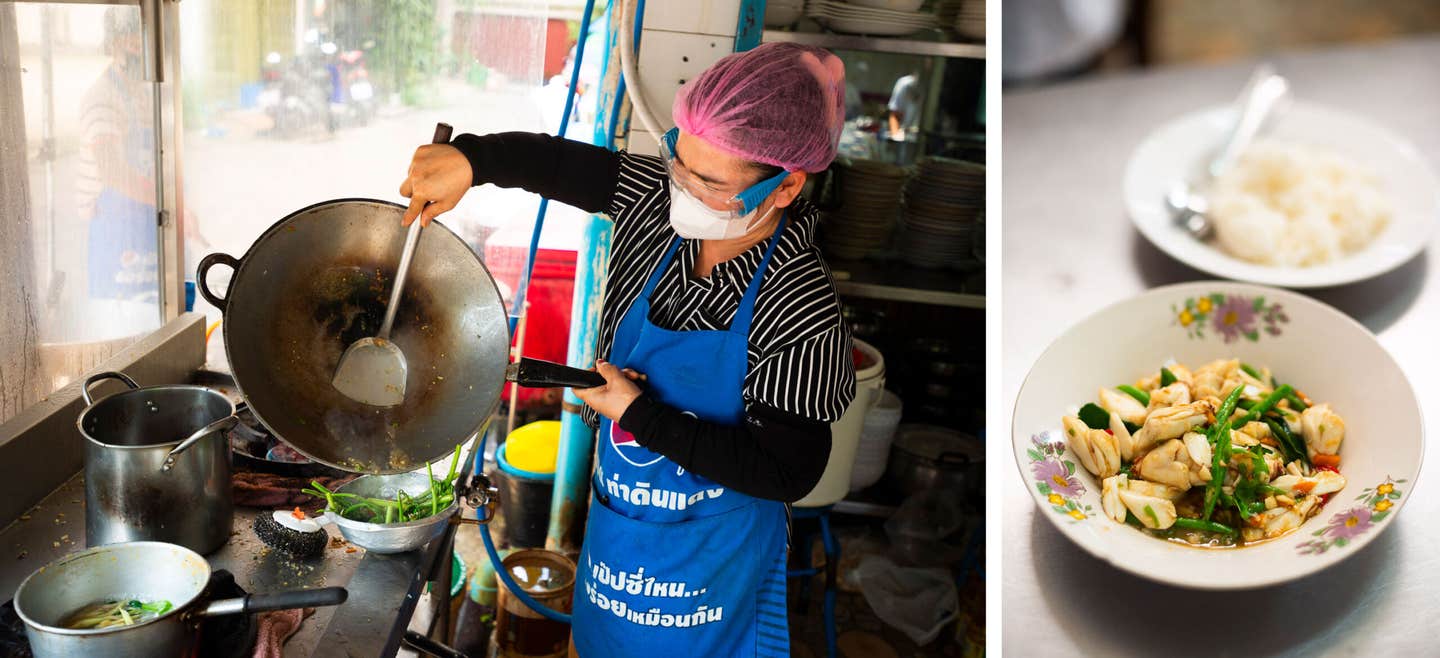
Chef Prin Polsuk of Samrub Samrub Thai operates with a relentless passion for exploring Thailand’s diverse culinary landscapes. His restaurant’s ever-changing menu reflects this dedication, featuring themes that have ranged from the sweet, meat-forward dishes of Thailand’s Muslim deep south to the lesser-known cuisines of communities along the Mekong River. In this intimate setting, Polsuk acts less as a chef and more as a culinary guide, leading diners on an immersive journey through Thailand’s rich gastronomic heritage. The experience is a testament to the depth and variety of flavors found across the country.
Chua Jiab Nguan: Teochew Goose and Duck Mastery
The Teochew people, originating from South China, brought their esteemed skills in preparing goose and duck to Bangkok. Chua Jiab Nguan highlights this culinary tradition, with its braised goose, infused with fragrant five-spice powder and served with a piquant spicy-tart dipping sauce, being a signature offering. The restaurant also presents a curated selection of homey Teochew-style dishes. The interior design itself is a quintessential example of a traditional Bangkok Chinese-Thai restaurant, with a unique blend of commerce and domesticity, featuring antique furnishings, personal artifacts, and faded portraits of ancestors.
Haawm: A Modern Supper Club Experience
Haawm has garnered significant acclaim from chefs and food writers for its innovative approach to dining. Described as a "speakeasy with reservations," it is more accurately termed a supper club. The lively and informal meals are hosted in chef Dylan Eitharong’s suburban Bangkok shophouse. The menu draws inspiration from across Thailand, incorporating influences from the chef’s American background, resulting in a playful and borderless culinary style. Dishes like the Pattani-style white curry with beef and pickled grilled green chiles exemplify this fusion, pushing the boundaries of Bangkok’s evolving food scene.
Bangkok’s Transformation: A Data-Driven Perspective
Bangkok’s ascent to a top global tourist destination is supported by robust data. In 2023, the city welcomed an estimated 22.78 million international visitors, a significant increase from previous years and a strong indicator of its sustained appeal. This influx of tourists has a direct economic impact, with the tourism sector contributing substantially to Thailand’s Gross Domestic Product (GDP). The development of its infrastructure, including the BTS Skytrain and MRT subway systems, has been crucial. Since their introduction in 1999 and 2004 respectively, these systems have revolutionized urban mobility, making exploration of the city, including its diverse culinary offerings, more accessible and efficient.
The growth of Bangkok’s dining scene is also evident in the increasing number of international accolades. The Michelin Guide first launched in Thailand in 2017, and Bangkok has consistently featured a growing number of starred and Bib Gourmand establishments, reflecting the sophistication and quality of its culinary offerings. In the 2024 edition, Bangkok was home to 33 Michelin-starred restaurants and 147 Bib Gourmand recipients, underscoring the breadth and depth of its gastronomic landscape. This recognition not only attracts gourmands but also encourages local chefs and restaurateurs to maintain high standards and innovate.
The demographic shifts mentioned in the article, particularly the migration from the Northeast and the significant Chinese ancestry of many residents, are historical facts that have shaped the city’s cultural and culinary identity. These migrations, occurring in waves over decades, brought distinct regional flavors and culinary traditions to Bangkok, enriching its food scene. The enduring presence of street food, while evolving, remains a critical component. Data from the Bangkok Metropolitan Administration indicates the presence of tens of thousands of street food vendors, contributing significantly to the city’s vibrant street life and economy.
Broader Impact and Future Implications
Bangkok’s transformation into a premier global destination is not merely a matter of tourism statistics or culinary trends; it signifies a broader societal and economic evolution. The city’s improved infrastructure and cultural offerings have enhanced the quality of life for its residents and attracted skilled professionals and international investment. The diversification of its food scene, moving beyond traditional street food to embrace fine dining and innovative fusion concepts, reflects a growing cosmopolitanism and a dynamic engagement with global culinary trends.
The emphasis on rediscovering and preserving traditional dishes, as exemplified by establishments like Aksorn and Ban Wannakovit, highlights a growing appreciation for cultural heritage in the face of modernization. This trend is crucial for safeguarding the unique culinary identity of Thailand. Simultaneously, the emergence of experimental and fusion dining, as seen at Haawm, signals Bangkok’s ambition to remain at the forefront of culinary innovation.
The future implications of this culinary renaissance are far-reaching. Bangkok is poised to continue attracting a diverse range of travelers, from budget backpackers to discerning gourmands. The ongoing development of its food scene will likely lead to further diversification, with potential growth in niche areas such as vegan and plant-based dining, as well as a continued exploration of regional Thai cuisines. The city’s ability to balance its rich heritage with a forward-looking approach to food promises to solidify its status as a truly exceptional global culinary capital.