admin
The craft brewing industry, once defined by a rebellious spirit of experimentation and a "build it and they will come" philosophy, has entered a period of significant strategic recalibration. As the market matures and consumer preferences fluctuate between a desire for novelty and a return to familiar staples, breweries are forced to navigate a complex landscape of distribution, branding, and production. For many established players, the journey from a local taproom to a regional powerhouse has required a delicate balancing act: maintaining the "cutting-edge" reputation that attracts enthusiasts while securing the "flagship" reliability that ensures long-term financial stability.
The Genesis of Regional Brewing Models: A Decade of Adaptation
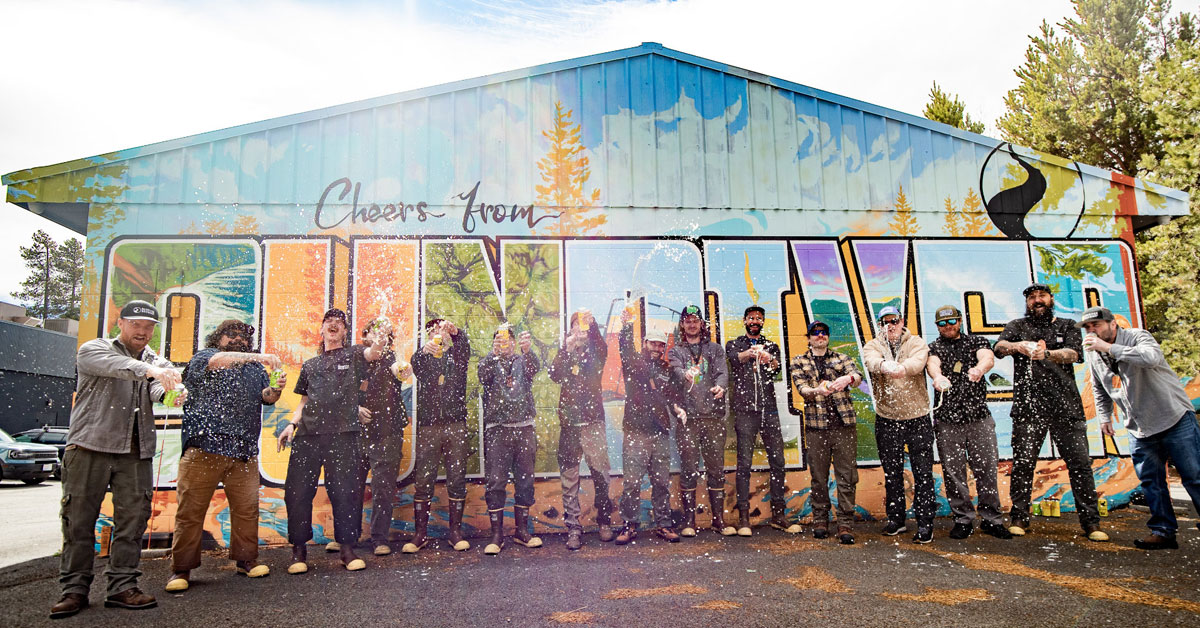
The mid-2010s represented a golden era for American craft beer, characterized by double-digit growth and an explosion of new entrants. In 2014, Sunriver Brewing Company launched in Oregon with a business model tailored specifically to its unique geographic circumstances. Located in a resort community where the permanent population of approximately 2,000 residents can swell to 15,000 on peak weekends, the brewery initially prioritized a "transient tourist demographic."
According to Brett Thomas, head brewer at Sunriver Brewing, the early portfolio was intentionally conservative. The strategy focused on "pub-oriented" beers—blonde ales, pale ales, amber ales, and stouts—designed to appeal to visitors who might be new to the craft segment. This "gateway" approach allowed the brewery to establish a foothold before the competitive pressures of the broader Oregon market necessitated a more diverse lineup.
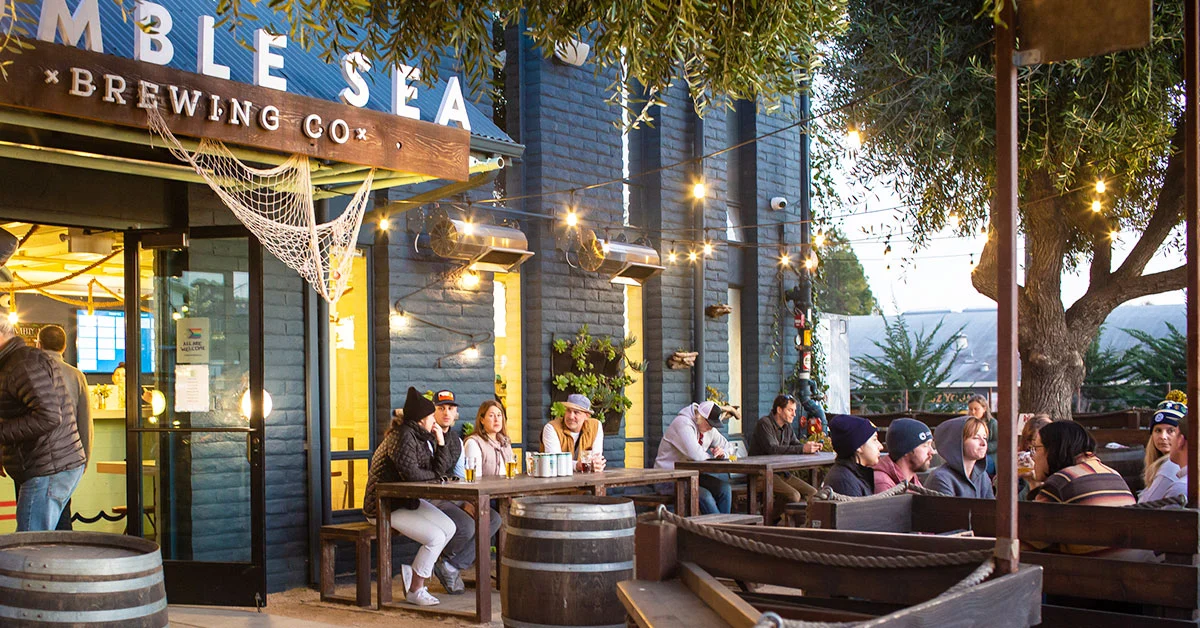
Simultaneously, in 2015, Humble Sea Brewing Co. launched in Santa Cruz, California, with a vastly different vision. Cofounder Frank Scott Krueger notes that the original intent was to be a "lager-first" brewery, driven by the founders’ personal passions. However, the market reality of 2015 did not align with their vision. At the time, the California craft scene was dominated by high-IBU (International Bitterness Units) West Coast IPAs and the emerging "hazy" or "foggy" IPA trend. To ensure the business remained viable, Humble Sea pivoted, leaning heavily into hop-forward beers that eventually established their brand identity on a national scale.
The Shift Toward "Foggy" Dominance and Consumer Trust
The pivot made by Humble Sea reflects a broader industry trend where breweries often have to "earn" the right to brew what they love by first brewing what the market demands. For Humble Sea, this meant that nearly 95% of their initial production was dedicated to hoppy styles. These "foggy IPAs" served as a calling card, attracting "beer nerds"—a demographic characterized by high engagement, social media influence, and a willingness to travel for limited releases.
As the brewery’s reputation grew, so did the level of trust from its consumer base. This "brand equity" eventually allowed Humble Sea to reintegrate its original passion for lagers into its production schedule. Today, lagers account for approximately 30% of their output, a significant shift that mirrors a national trend toward "crisp" and "crushable" beers as consumers experience "IPA fatigue."
Strategic Diversification: Beyond the Beer Glass
In the current economic climate, survival often requires breweries to look beyond traditional beer styles. Sunriver Brewing’s evolution included a move into the hard seltzer market, a decision that head brewer Brett Thomas admits would have been unthinkable just a few years prior. The rise of the "beyond beer" category—which includes seltzers, canned cocktails, and non-alcoholic options—has forced craft brewers to redefine their identities.
Sunriver’s current portfolio is a study in market segmentation:
- The Entry Level: Coolwater American Light Lager caters to tourists and those seeking a traditional, approachable experience.
- The Enthusiast Tier: Barrel-aged and wild ale series target high-end consumers and collectors.
- The Core Market: A robust selection of IPAs remains essential, as the "IPA culture" continues to dominate tap handles across the United States.
This diversification is not merely about style; it is about occasion. Modern breweries are no longer just selling a liquid; they are selling a beverage for every possible consumer interaction, from a post-hike refreshment to a celebratory high-end dinner.
The Geography of Taste: Micro-Market Variations
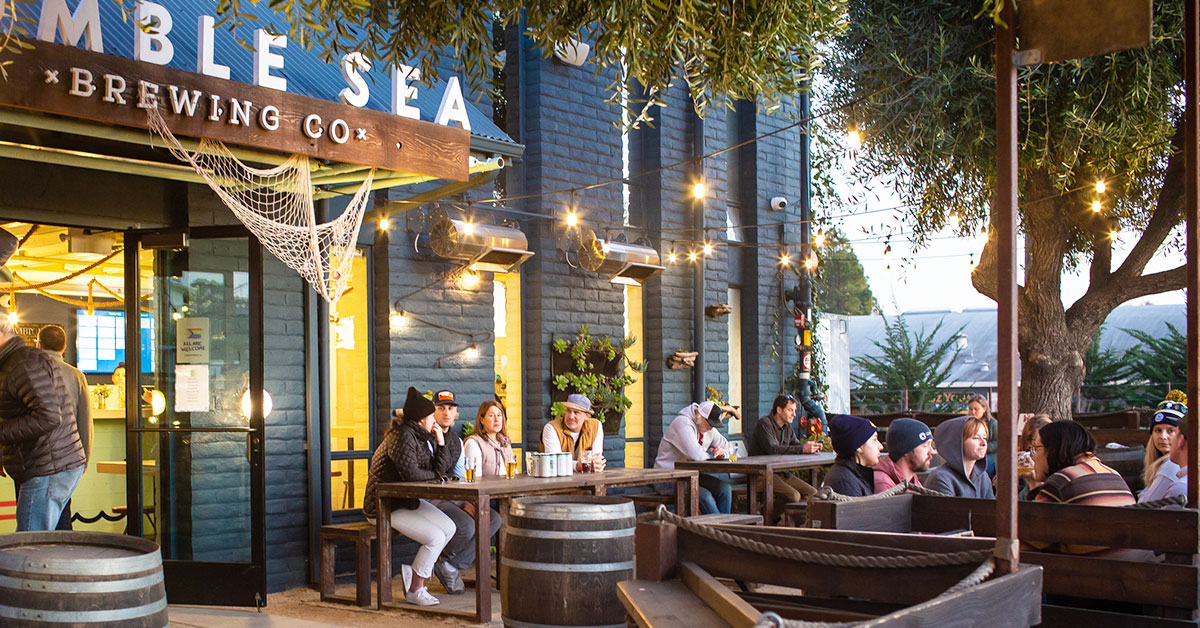
One of the most challenging aspects of modern brewing is the variation in consumer preference across different taproom locations. Humble Sea has observed distinct "taste profiles" based on geography. In Pacifica, West Coast IPAs remain the dominant preference. In Santa Cruz, the demand leans toward Pilsners and lagers. Meanwhile, in Alameda, the crowd consists of "beer nerds" seeking high-gravity triple and quadruple IPAs.
This regionality requires a sophisticated logistical approach. A "one-size-fits-all" production schedule is no longer viable for breweries with multiple satellite taprooms. Instead, they must function as data-driven entities, analyzing sales trends at the hyper-local level to ensure that the right beer is on the right tap at the right time.
The Conflict of Interest: Wholesalers vs. Taprooms
The path to growth is often fraught with conflicting priorities between different sales channels. The "Three-Tier System" in the United States—consisting of producers, wholesalers, and retailers—creates a complex web of agendas.
- The Wholesaler Agenda: Distributors typically seek "velocity brands"—beers that move quickly off shelves with minimal effort. They often "latch onto" a single successful brand and push it aggressively to maximize volume.
- The Taproom Agenda: Brewpub operators prioritize variety and exclusivity to keep local customers returning. They want "new and exciting" releases that drive foot traffic.
- The Ownership Agenda: Owners and investors focus on margins and brand longevity, often struggling to balance the high-margin but lower-volume taproom sales against the lower-margin but high-volume wholesale business.
Sunriver’s experience with their "Vicious Mosquito" IPA illustrates the power of the wholesaler. By identifying the beer as a potential hit early on, wholesalers helped build it into a flagship brand that now defines the brewery for many consumers. While this provides a stable revenue stream, it also creates a situation where the flagship can overshadow the brewery’s more innovative or experimental offerings.
The Resurgence of the Flagship and the Power of Nostalgia
After a decade of "novelty-seeking" behavior, where consumers constantly chased the newest release, the industry is seeing a return to the "flagship" model. Industry analysts, including beer writer Jeff Alworth, have noted that "release fatigue" is a real phenomenon. Consumers are increasingly looking for reliability—a "steady hand" in a sea of rotating taps.
This shift is partly driven by nostalgia. Legacy brands like Sierra Nevada’s Celebration Ale have seen renewed interest as drinkers return to the beers that first introduced them to the craft movement. For younger breweries like Humble Sea and Sunriver, this means treating their core brands—Socks & Sandals and Vicious Mosquito, respectively—with the same respect and marketing budget as their most experimental releases.
Frank Scott Krueger of Humble Sea acknowledges that while they never initially saw themselves as a "flagship brewery," the consumer ultimately made that choice for them. The realization that a single, reliable brand can "keep the lights on" allows for the creative freedom to experiment in other areas.
Broader Implications for the Craft Brewing Industry
The stories of Sunriver and Humble Sea are emblematic of a broader professionalization within the craft sector. The "wild west" era of the 2010s has been replaced by a more disciplined, market-oriented approach.
The implications for the future of the industry are clear:
- Resilience through Diversification: Breweries that rely solely on a single style or a single sales channel (like taprooms) are vulnerable to external shocks, such as the COVID-19 pandemic or shifts in distributor portfolios.
- The Importance of Brand Identity: In a crowded market, a brewery must be known for something specific—whether it is "foggy IPAs" or "quality lagers"—to cut through the noise.
- Consumer-Centric Innovation: Innovation must be tempered with an understanding of consumer needs. Brewing a 12% ABV pastry stout is a feat of engineering, but if the market wants a 4% ABV light lager, the brewery must be willing to adapt.
As the craft beer industry continues to evolve, the most successful breweries will be those that can honor their "first love" while remaining flexible enough to meet the demands of a diverse and ever-changing drinking public. The balance between the "cutting-edge" and the "familiar" is no longer just a creative choice; it is a fundamental requirement for business survival in the modern era.