admin
The landscape of the American craft beer industry is undergoing a fundamental transformation as the era of "hype culture"—defined by hours-long queues for limited-release canned IPAs—recedes into the background. For over a decade, the industry was propelled by "beer geeks" seeking the latest "freshies," but a combination of pandemic-induced behavioral shifts, changing generational preferences, and market saturation has forced even the most successful breweries to reconsider their business models. Data from the Brewers Association indicates that 2024 was a particularly challenging year for the sector, with 399 brewery closures and an overall production decline of 2%. As the traditional craft beer audience ages and younger demographics, such as Generation Z, pivot toward non-alcoholic options, ready-to-drink (RTD) cocktails, and THC-infused beverages, established breweries are increasingly turning to a neighboring craft: spirits distillation.
This strategic pivot is not merely a reaction to declining sales but a logical extension of the brewing process. As JC Tetreault, co-founder of the Boston-based Trillium Brewing, observed shortly after the brewery’s 2013 debut, the infrastructure required for high-end brewing is approximately 90% of the way toward a whiskey distillery. The fundamental base for whiskey is a mash—essentially a beer brewed without the addition of hops. By distilling this base and aging it in wooden casks, a brewery can transform its existing expertise in grain handling and fermentation into a premium spirit. However, the transition from brewer to distiller involves navigating complex regulatory environments, investing in specialized equipment, and rebranding for a consumer base that may not associate a "hazy IPA" powerhouse with high-end bourbon or gin.
The Technical and Economic Logic of the Pivot
The technical synergy between brewing and distilling provides a compelling argument for diversification. In a traditional brewery, the process begins with the "mash," where malted grains are soaked in hot water to convert starches into fermentable sugars. In brewing, this liquid (wort) is boiled with hops and fermented into beer. In distilling, the unhopped mash is fermented and then processed through a still to concentrate the alcohol. While brewers focus on the nuances of hop aromatics and yeast esters, distillers prioritize the character of the base grain and the transformative power of barrel aging.
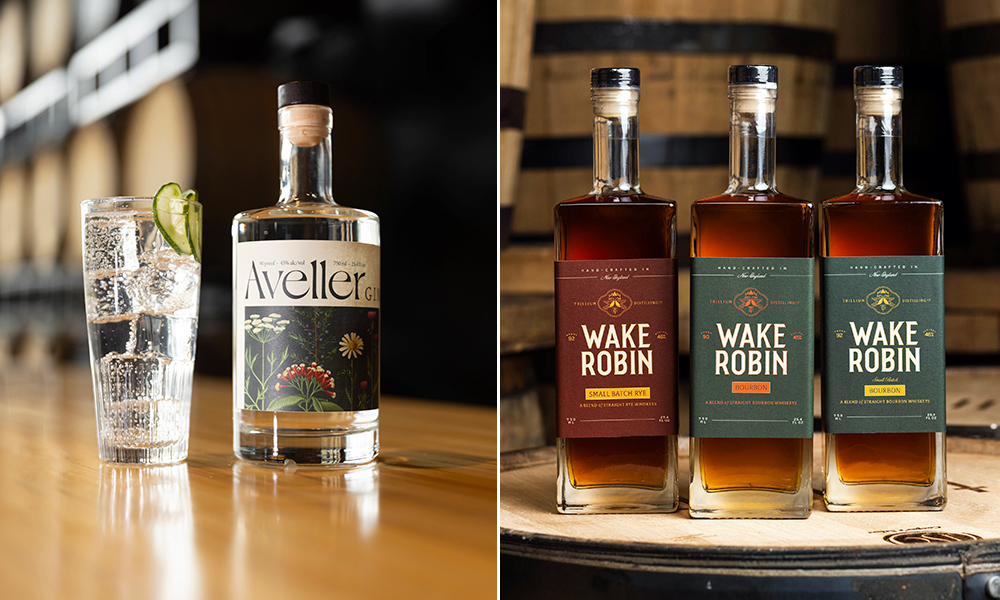
John Britton, who leads the distilling program at Tree House Brewing Company in Charlton, Massachusetts, emphasizes that "all good spirits start from a good mash." Britton, who brought experience from renowned operations such as St. George Spirits and Ann Arbor Distilling, notes that the world’s best breweries already possess the foundational skills and equipment to produce superior base spirits. For Tree House, which remains one of the most successful and acclaimed breweries in the United States, distilling was not a move born of desperation but an artistic and commercial expansion. Since 2021, Tree House has focused on "grain to glass" spirits, including their Old Growth Bourbon and Rye, which utilize New England-grown grains.
From an economic perspective, spirits offer a different value proposition than beer. Whiskey, in particular, is an appreciative asset; while an IPA has a shelf life of weeks or months, a barrel of bourbon increases in value as it ages. Furthermore, the spirits category has been steadily gaining market share at the expense of beer. According to the Distilled Spirits Council of the United States (DISCUS), spirits have gained market share for 14 consecutive years, recently overtaking beer in total revenue share for the first time in history. By entering this space, breweries are positioning themselves to capture a portion of the "premiumization" trend, where consumers drink less frequently but spend more on high-quality, artisanal products.
A Chronology of the Brewer-Distiller Model
While the current wave of brewery-distilleries feels like a response to modern market pressures, the model has deep roots in the American craft movement. The pioneers of the industry recognized the potential for crossover decades ago, establishing a blueprint for today’s expansions.
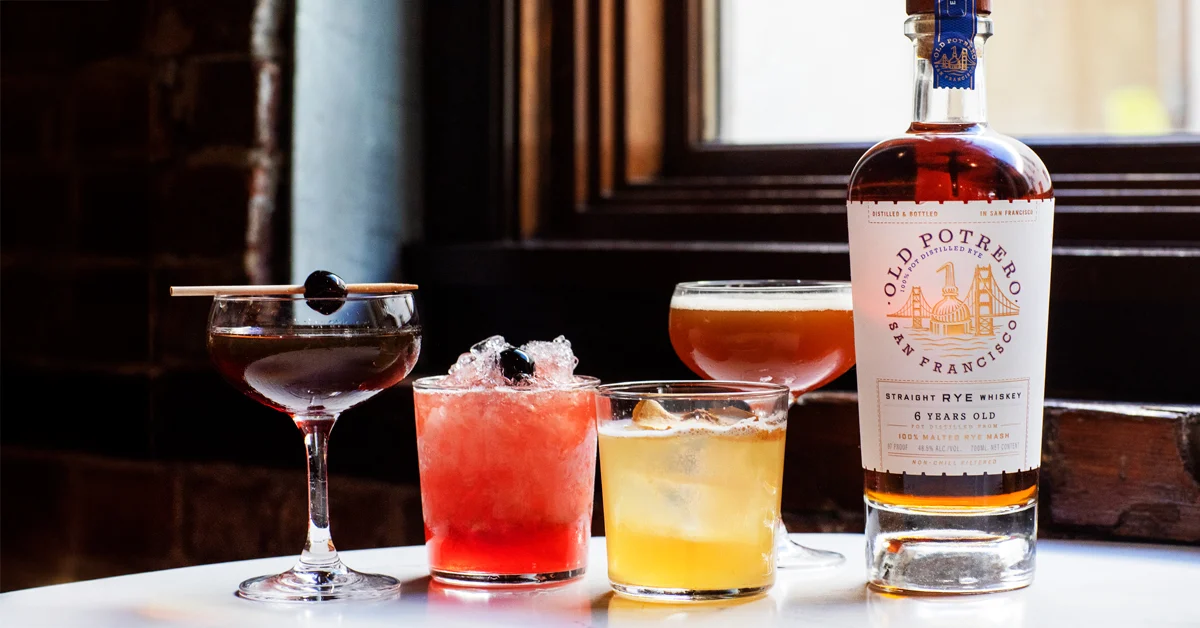
- 1993: Anchor Brewing (San Francisco, CA): Regarded as the father of the modern craft brewery, Anchor began distilling operations under the guidance of Fritz Maytag. They released Old Potrero, a single malt rye whiskey that predated the modern rye resurgence. This move was driven by a desire to explore historical American spirits and utilize the brewery’s existing fermentation expertise.
- 2003: Rogue Ales (Newport, OR): Rogue expanded into distilling early in the millennium. Their operation eventually became so integrated that they began "coppering" their own barrels, becoming one of the few facilities in the country to manage the entire production chain from grain to glass to wood.
- 2005: New Holland Brewing (Holland, MI): New Holland added a distilling portfolio to complement its popular beers like Dragon’s Milk. Their success in spirits proved that a Midwestern brewery could successfully market bourbon and gin alongside stouts.
- 2006: Ballast Point (San Diego, CA): Ballast Point opened San Diego’s first post-Prohibition distillery. This arm of the business eventually evolved into Cutwater Spirits, which became a juggernaut in the RTD cocktail market. The financial success of the spirits side was so significant that it was eventually acquired by Anheuser-Busch in 2019.
- 2017–Present: The Modern Wave: Following the lead of the pioneers, a new generation of "hype" breweries including 3 Floyds, Finback, and Trillium have launched spirits programs. These operations are often more focused on the lifestyle and hospitality aspect, using spirits to anchor high-end cocktail bars and tasting rooms.
Regulatory and Operational Hurdles
Despite the clear advantages, the path to becoming a distiller is fraught with logistical and legal challenges. In many states, including Massachusetts, the licenses for brewing and distilling are strictly separated. This often requires breweries to maintain entirely separate production spaces, distinct tax filings, and separate distribution channels.
For Trillium, the expansion required a vision for how to sell spirits to a customer base that had spent a decade viewing them exclusively as a source for IPAs and stouts. JC Tetreault notes that while the skills are transferable, the recipes are not. Whiskey mashes often utilize a higher percentage of unmalted grains compared to beer, and the fermentation temperatures and yeast strains differ significantly. Furthermore, the financial burden of "laying down" barrels—paying for grain, labor, and storage for years before a product can be sold—requires significant capital and patience.
The regulatory environment also dictates how these products are consumed. In Massachusetts, state law requires that for a brewery to serve cocktails in its taproom, it must produce the spirits used in those drinks. This law has inadvertently spurred creativity, forcing breweries like Trillium to produce not just whiskey and gin, but also amaro, vermouth, and orange liqueur to facilitate a full cocktail menu.
Strategic Diversification and the New Consumer
The shift toward spirits is also a response to the changing "vibe" of the American taproom. The early 2010s were characterized by industrial spaces where consumers focused solely on the liquid in the glass. In 2024, the "taproom" has evolved into a multi-functional hospitality destination.
Trillium’s "Headroom Hi-Fi Cocktail Lounge" in Boston’s Fort Point is a prime example of this evolution. By offering a sophisticated cocktail environment, the brewery has been able to re-engage former fans who have "aged out" of heavy beer consumption. It also attracts a younger, more diverse demographic that may have no interest in craft beer but values the aesthetic and social experience of a high-end lounge.
Ready-to-Drink (RTD) cocktails have also provided a bridge between the two worlds. Tree House has utilized its existing canning lines to produce canned versions of classics like the Tom Collins and Paloma. Chris Conroy, Tree House’s spirits category sales manager, notes that these products help consumers "jump the aisle," offering the convenience of a canned beer with the flavor profile of a spirit. This is particularly effective in reaching the Gen Z market, which prioritizes flavor variety and lower-calorie options over the traditional bitterness of hops.
Broader Implications for the Craft Industry
The move into distilling represents a maturation of the craft beverage industry. As the market for beer reaches a plateau, the "craft" ethos—characterized by transparency, quality ingredients, and local production—is being exported to the spirits category. This diversification provides a safety net for breweries; if beer sales continue to stagnate, the spirits portfolio offers a high-margin alternative.
However, this trend also signals the end of the "beer-only" brewery as the standard business model for large-scale independent producers. To survive in a post-pandemic economy, breweries must become "beverage companies" in the broadest sense. This involves a willingness to experiment with everything from agave spirits (like Tree House’s Casa de Árbol) to hop-infused gins (like Finback’s Halftone label).
The successful brewery of the future is likely one that functions as a total beverage provider, catering to the "sober-curious" with non-alcoholic options, the "cocktail-focused" with house-made spirits, and the traditionalist with well-crafted beer. As JC Tetreault reflects, the goal is to create a space where new visitors can enter and be surprised by the breadth of the offerings. In an era where 399 breweries can close in a single year, this adaptability is no longer just a creative pursuit—it is a prerequisite for survival. The transition from "freshies" to "highballs" may be the defining characteristic of the next decade of American craft.