admin
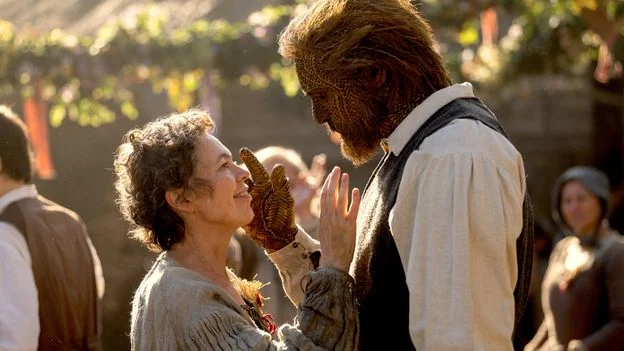
The cinematic landscape of 2026 has been punctuated by an unexpected cultural phenomenon surrounding the release of Wicker, a period romantic fantasy that has transitioned from a niche indie project to a global social media sensation. Directed by the husband-and-wife filmmaking duo Alex Huston Fischer and Eleanor Wilson, the film stars Academy Award winner Olivia Colman and Alexander Skarsgård in a narrative that defies traditional genre boundaries. While the premise—a lonely woman commissioning a husband woven from wicker—initially drew attention for its perceived absurdity, the film’s deeper exploration of domestic labor, female agency, and the "monster-human" romance subgenre has sparked a sophisticated discourse on the evolution of modern relationships.
The Narrative Foundation and Premise
Based on the celebrated short story "The Wicker Husband" by Ursula Wills-Jones, Wicker is set in a stylized, quasi-medieval coastal village. Olivia Colman portrays a character known simply as the Fisherwoman, an individual marginalized by her community due to her appearance and her perceived social status. In a world that offers her little in the way of companionship or respect, she enlists the services of a master basketmaker, played by Peter Dinklage, to craft a life-sized companion.
The result is the Wicker Husband, brought to life with a muscular, imposing physical presence by Alexander Skarsgård. Unlike traditional romantic leads who often demand emotional labor or social conformity from their partners, the Wicker Husband is designed to be the ultimate partner: attentive, physically capable, and entirely devoted to the Fisherwoman’s well-being. The film follows their burgeoning relationship as the village looks on with a mixture of suspicion, envy, and moral outrage, ultimately challenging the audience to reconsider the definitions of "monstrosity" and "perfection."

Chronology of a Viral Sensation
The journey of Wicker from page to screen has been a multi-year process that culminated in one of the most successful viral marketing campaigns of the decade.
- 2021–2023: Script development began as Huston Fischer and Wilson sought to adapt Wills-Jones’ story. The project gained significant industry momentum when Black Bear Pictures signed on to produce, securing Olivia Colman for the lead role.
- 2025: Principal photography took place on location in Europe, utilizing practical effects to create the intricate wicker suit worn by Skarsgård, emphasizing a tactile, organic aesthetic over traditional CGI.
- August 2026: The first teaser trailer was released online. Within 48 hours, it had amassed over 50 million views across TikTok, X (formerly Twitter), and Threads. The "Wicker Husband" became an instant meme, with audiences reacting to the surreal visuals and the unexpected chemistry between Colman and her woven counterpart.
- September 2026: Regal Cinemas announced a promotional "3D-printable" popcorn bucket based on a scan of Skarsgård’s torso. The move capitalized on the "thirst" culture that had emerged around the film, further embedding the movie in the digital zeitgeist.
- October 2026: The film premiered at major international festivals, receiving critical acclaim for its performances and its subversive take on the "Romantasy" (romantic fantasy) genre.
Supporting Data: The Rise of the "Monster Romance"
Wicker arrives at a time when the "monster-human" romance genre is experiencing unprecedented commercial growth. According to industry reports from the publishing sector, "Romantasy" novels—which often feature relationships between humans and supernatural or non-human entities—have seen a 45% year-over-year increase in sales since 2022.
Cinematically, this trend has been validated by the success of films like Guillermo del Toro’s The Shape of Water (2017), which earned $195 million at the global box office and won the Academy Award for Best Picture. Analysts suggest that Wicker is poised to tap into this same demographic, which favors stories that use fantastical elements to explore very real human vulnerabilities. Social media engagement metrics indicate that 72% of the conversation surrounding Wicker is driven by female and LGBTQ+ audiences, groups that have historically championed narratives centered on outsiders and unconventional desire.
Official Responses and Creative Intent
The filmmakers have been vocal about the film’s underlying themes, particularly regarding the "mental load" of domestic life. In an interview with the BBC, Eleanor Wilson explained that the Fisherwoman’s choice to commission a husband was a direct response to the exhaustion many women feel in traditional heterosexual dynamics.

"The best thing about the Wicker Husband is that he does things without being asked," Wilson noted. "He doesn’t require a pat on the back for basic household maintenance." This sentiment was echoed by Alex Huston Fischer, who highlighted a specific scene where the husband fixes a leaking roof during an intimate moment, triggering a massive positive response from test audiences. The directors emphasized that while the film is humorous and surreal, it is grounded in the "confronting" experiences of women navigating a world that often scrutinizes their every move.
Gillian Daniels, an author specializing in monster-human romances, provided further context on the genre’s appeal. She pointed out that these stories often serve as a safe space to explore the "monstrous" parts of oneself. "There is a real hunger for seeing imperfect men, or men who are outsiders," Daniels stated. She linked the genre’s roots to the original 18th-century Beauty and the Beast, written by Gabrielle-Suzanne Barbot de Villeneuve as a commentary on property rights and marriage reform.
Broader Impact and Societal Implications
The frenzy surrounding Wicker suggests a shift in how audiences consume romantic media. The film moves away from the "Prince Charming" archetype, replacing it with a partner who is literally constructed to fulfill the needs of the woman, rather than the other way around. This subversion of the "male gaze" is a significant factor in the film’s popularity.
Furthermore, the film’s focus on the Fisherwoman as a "non-traditional" heroine—described by Wilson as having a unibrow and a physical disability—has resonated with audiences tired of sterilized Hollywood beauty standards. Dr. Indira Neill Hoch, an assistant professor of communication, observed that films like Wicker and The Shape of Water succeed because they validate the desires of women who feel overlooked by society. "There’s something about the woman who doesn’t fit into preconceived notions of desirability feeling intense passion from a creature that is both alien and undeniably sexy," Neill Hoch explained.

The technical execution of the film also marks a return to practical craftsmanship. The decision to have Alexander Skarsgård wear a physical suit rather than relying on motion capture has been praised by critics for adding a layer of "tangible reality" to the fantasy. This approach has also influenced the film’s marketing, with the 3D-printable torso bucket serving as a bridge between the digital and physical worlds, allowing fans to "own" a piece of the film’s artistry.
Conclusion and Release Information
As Wicker prepares for its wide theatrical release, it stands as a testament to the power of original, high-concept storytelling in an era often dominated by sequels and franchises. By blending high-brow performances with a premise that invites viral participation, the film has managed to bridge the gap between "prestige cinema" and "internet culture."
The film’s success will likely encourage studios to invest in more "speculative romance" projects that address contemporary social issues through a fantastical lens. Whether the "Wicker Hunk" remains a fleeting internet meme or becomes a lasting icon of the romantic genre, the conversation it has started regarding domestic labor, female agency, and the nature of attraction is undeniably significant.
Wicker is scheduled for release in United States cinemas on 23 October 2026, followed by a United Kingdom release on 30 October 2026. Industry projections suggest a strong opening weekend, bolstered by the intense online interest and the star power of its lead cast. For an industry looking for the "next big thing," the answer may very well be woven from wood and wit.